
The UK Stem Cell Bank: Safeguarding Britain's Genetic Blueprint
Updated May 2026
The UK SCB acts as a vital repository for high-quality stem cell lines used in global research. Understanding its regulatory framework is essential for maintaining ethical standards in regenerative therapy.
Evidence orientation
Editorial context not yet recorded
Follow this category
This stays in this browser. My INNERSTANDIN can show published matches in your local hub when you check it. It does not send email, push, or alert notifications.
Local learning review
A private browser aid for revisiting ideas. It is not an alert or a health recommendation.
Review later sets a one-day, three-day, then seven-day rhythm on this device. Choose it only when you want to revisit this article.
Overview
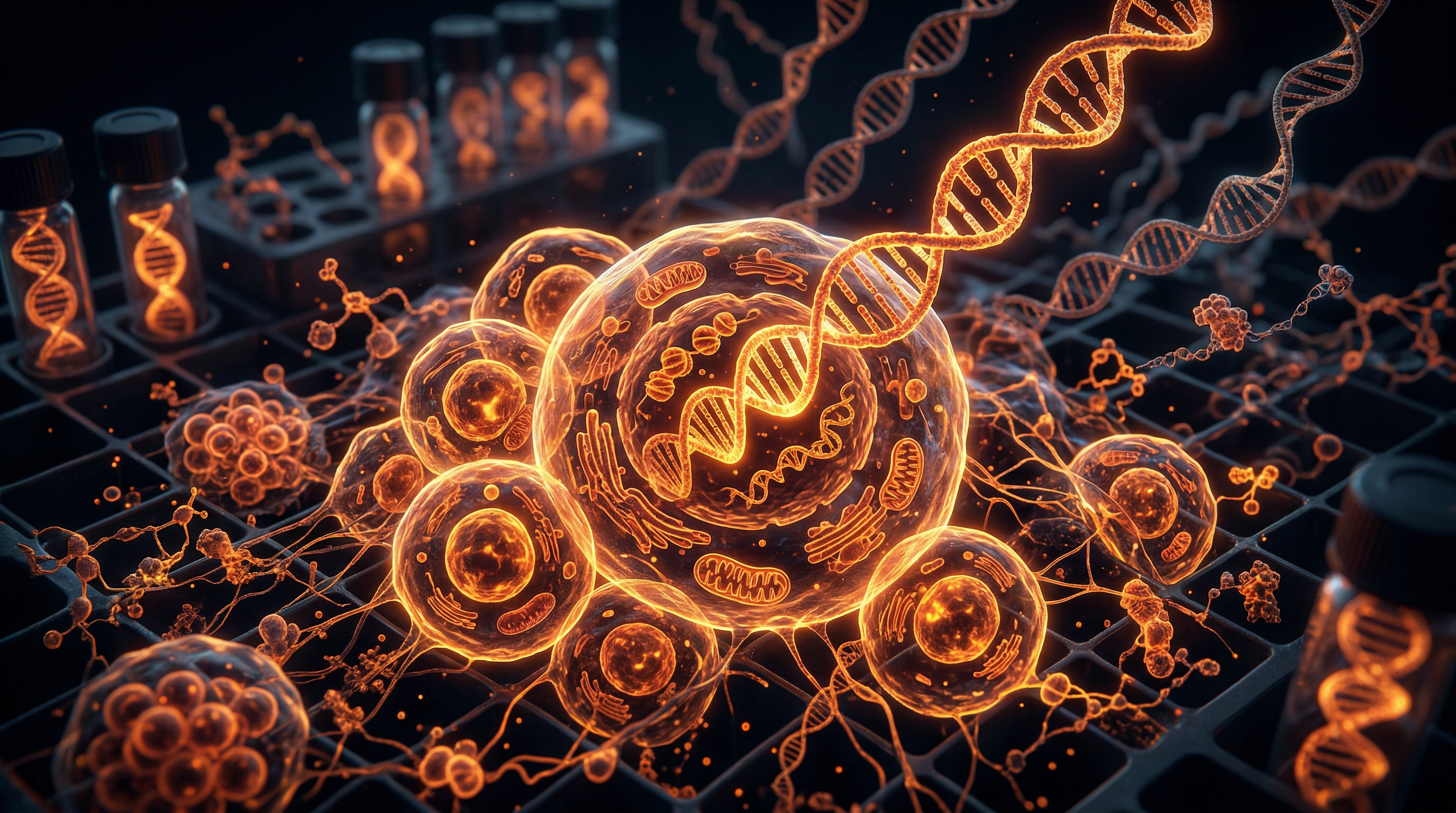
In an era defined by the rapid acceleration of biotechnological capability, the United Kingdom has quietly established itself as the global custodian of human biological potential. At the heart of this endeavour lies the UK Stem Cell Bank (UKSCB). Established in 2002 and based at the National Institute for Biological Standards and Control (NIBSC) in South Mimms, Hertfordshire, the UKSCB is far more than a sophisticated refrigeration facility. it is a "Fort Knox" of genetic fidelity, designed to safeguard the high-quality human embryonic stem cell (hESC) lines that underpin the future of regenerative medicine.
The bank’s existence is a response to a critical scientific necessity: the need for standardised, ethically sourced, and biologically stable starting materials for research and clinical application. In the early 2000s, as stem cell science transitioned from speculative biology to a tangible medical frontier, the global community faced a crisis of reproducibility. Researchers were using cell lines of varying quality, often contaminated with animal pathogens or riddled with genetic aberrations. The UKSCB was conceived as the solution—a centralized repository that provides a "gold standard" for the world.
However, as a senior biological researcher for INNERSTANDING, I must look beyond the polished brochures of the National Health Service (NHS) and the Medical Research Council (MRC). While the bank is a triumph of regulation and bioprocessing, it also represents a profound shift in how we perceive the human body: as a modular, bankable, and potentially immortalized series of data points. This article will dissect the molecular mechanics of the UKSCB, the environmental pressures that threaten our genetic blueprints, and the ethical lacunae that mainstream narratives often fail to address.
The UK Stem Cell Bank holds over 150 human embryonic stem cell lines, many of which are designated as "clinical grade," meaning they are manufactured under conditions strict enough for direct transplantation into human patients.
The Biology — How It Works
To understand the UKSCB, one must first master the hierarchy of cellular potency. Not all stem cells are created equal. The bank primarily focuses on pluripotent stem cells, which possess the unique ability to differentiate into any of the 200+ cell types found in the adult human body—from the cardiomyocytes that beat in the heart to the neurons that fire in the cerebral cortex.
The Pluripotency Paradigm
The "blueprint" stored within the UKSCB exists in two primary forms:
- Human Embryonic Stem Cells (hESCs): Derived from the inner cell mass of a blastocyst (a 5-day-old embryo). These are considered the "pristine" baseline of human biology.
- Induced Pluripotent Stem Cells (iPSCs): Adult somatic cells (like skin or blood) that have been genetically "reprogrammed" back into an embryonic-like state using specific transcription factors, known as Yamanaka Factors (Oct4, Sox2, Klf4, and c-Myc).
The bank’s role is to ensure that these cells maintain their "stemness"—their ability to self-renew indefinitely without losing their developmental potential. This is achieved through a process called cryopreservation.
The Cryopreservation Process
Cryopreservation is the suspension of biological time. By cooling cells to -196°C using liquid nitrogen, the UKSCB effectively halts all metabolic activity. At these temperatures, the entropy of the cell reaches a near-standstill. However, the transition from body temperature to cryogenic storage is fraught with biological peril.
- Cryoprotectants: To prevent the formation of lethal ice crystals within the cell membrane, researchers use agents like Dimethyl Sulfoxide (DMSO).
- Vitrification: A rapid cooling technique that turns the liquid around the cell into a glass-like solid, bypassing the crystalline phase that would otherwise puncture the delicate cellular architecture.
Characterisation and Validation
Before a cell line is accepted into the bank, it undergoes rigorous "characterisation." This includes:
- Karyotyping: Checking for gross chromosomal abnormalities.
- Marker Expression: Confirming the presence of proteins like NANOG and OCT4, which act as the molecular switches for pluripotency.
- Sterility Testing: Ensuring the absence of mycoplasma, bacteria, and viruses (including HIV, Hepatitis, and CJD).
Mechanisms at the Cellular Level
The "blueprint" held by the UKSCB is not just a sequence of DNA; it is a complex interplay of epigenetics and signaling pathways. When we speak of safeguarding a genetic blueprint, we are referring to the maintenance of the epigenome—the chemical tags that tell the DNA which genes to turn on or off.
The Epigenetic Memory
Every time a cell divides in a lab dish (a process called "passaging"), it risks losing its epigenetic integrity. The UKSCB monitors DNA methylation patterns and histone modifications. If these tags are altered, the cell may "drift," losing its ability to become a nerve cell or, worse, becoming predisposed to oncogenesis (cancer).
Signaling Architecture
The maintenance of a stem cell requires a precise "niche" or microenvironment. In the bank's laboratories, this is replicated using a cocktail of growth factors:
- FGF2 (Fibroblast Growth Factor): Vital for keeping hESCs in a pluripotent state.
- TGF-β/Activin/Nodal Pathways: These pathways manage the cell's decision to either remain a stem cell or begin the journey toward differentiation.
The Telomere Sentinel
One of the most critical mechanisms at the cellular level is the regulation of telomeres—the protective caps at the ends of chromosomes. Unlike somatic cells, which age and die as telomeres shorten (the Hayflick limit), the pluripotent cells in the UKSCB express high levels of telomerase, an enzyme that rebuilds telomeres. This gives the bank's "blueprint" its theoretical immortality.
Research indicates that even under "perfect" conditions, stem cells in culture undergo approximately 1 spontaneous mutation for every 10 million base pairs per cell division. Over time, these "micro-errors" can accumulate, creating a silent divergence from the original donor's genome.
Environmental Threats and Biological Disruptors
The sanctity of Britain’s genetic blueprint is under constant assault from environmental and procedural stressors. While the UKSCB employs the highest levels of biocontainment, the transition from the laboratory to the clinical "real world" exposes these cells to significant disruptors.
Thermal Flux and Cryogenic Stress
Even a brief deviation in temperature during the transport of cells can trigger Apoptosis (programmed cell death). The mechanism involves the release of Cytochrome C from the mitochondria, activating the caspase cascade. More insidiously, "sub-lethal" thermal stress can induce proteotoxic stress, where proteins within the stem cell misfold, potentially leading to long-term functional impairment.
Oxidative Stress and Reactive Oxygen Species (ROS)
In the natural womb, embryonic cells exist in a low-oxygen environment (hypoxia). In the laboratory, they are often exposed to atmospheric oxygen levels (normoxia), which are significantly higher. This leads to the production of Reactive Oxygen Species (ROS). ROS can cause:
- Single-strand and double-strand DNA breaks.
- Lipid peroxidation, which damages the cell membrane's fluidity.
- Mitochondrial DNA damage, which is more susceptible to mutation than nuclear DNA because it lacks the same repair mechanisms.
Chemical Leaching and Microplastics
A growing concern in biobanking is the use of plastic consumables. Even medical-grade polystyrene and polypropylene can leach endocrine-disrupting chemicals (EDCs) or phthalates into the growth media. These chemicals can mimic hormones and interfere with the delicate signaling pathways that maintain the "blueprint’s" purity, leading to "premature differentiation" or epigenetic reprogramming that was never intended.
The Cascade: From Exposure to Disease
What happens when the "safeguarded" blueprint fails? If the UKSCB releases a cell line that has undergone subtle genetic or epigenetic drift, the consequences in a clinical setting—where these cells are injected into patients—could be catastrophic.
The Path to Tumorigenicity
The very quality that makes stem cells valuable—their ability to divide indefinitely—is also the hallmark of cancer. If the genetic blueprint is disrupted, specifically in genes like P53 (the guardian of the genome), the stem cells can form Teratomas (tumours containing multiple tissue types) or even malignant carcinomas.
The Immunological Mismatch
The mainstream narrative often focuses on "universal" cell lines. However, if the genetic blueprint is altered during storage or expansion, the recipient’s immune system may recognize the cells as "non-self." This triggers a cascade:
- T-cell Activation: The immune system identifies foreign antigens on the cell surface.
- Cytokine Storm: A massive release of pro-inflammatory signals (IL-6, TNF-alpha).
- Graft Rejection: The therapeutic cells are destroyed, and the patient's underlying condition may worsen due to systemic inflammation.
The Genomic "Drift" Disease
We are now beginning to understand that "silent" mutations in banked cells may not cause immediate tumours but could lead to "functional failure" years later. For example, a stem-cell-derived dopamine neuron used to treat Parkinson's might appear healthy but, due to a banked genetic error, may lack the metabolic capacity to handle alpha-synuclein, leading to a recurrence of the disease in the transplanted tissue.
What the Mainstream Narrative Omits
As an INNERSTANDING researcher, it is my duty to highlight the aspects of the UKSCB and stem cell banking that are rarely discussed in the press releases of the Department of Health.
The CRISPR Contamination
The integration of gene-editing technologies like CRISPR/Cas9 with biobanking is a double-edged sword. While it allows us to "correct" genetic diseases in the blueprint, it introduces the risk of off-target effects. Mainstream science often downplays the frequency of these off-target mutations—unintended edits in other parts of the genome—which can remain hidden until they trigger a late-onset pathology.
The Commercialisation of the "Common Good"
The UKSCB is publicly funded, yet the cell lines it safeguards are frequently licensed to private pharmaceutical giants for the development of "proprietary" therapies. There is an ethical tension here: the genetic blueprints of donors (often provided altruistically) are being transformed into high-value Intellectual Property (IP). The question remains: who truly owns Britain's genetic blueprint?
The Myth of Anonymity
In the age of "Big Data" and ubiquitous genomic sequencing, the concept of an "anonymous" cell line in the bank is increasingly fragile. Research has shown that a "de-identified" genetic sequence can be re-linked to an individual using public genealogical databases. The UKSCB holds the most intimate data imaginable, and the risk of a "genetic data breach" is a reality the mainstream narrative rarely explores.
The "Gold Standard" Fallacy
The bank is lauded for its "Gold Standard" cell lines, but this standard is based on our current understanding of biology. We are finding that many of the earliest hESC lines were cultured on mouse "feeder cells," introducing the risk of Xenotransplantation (the transfer of animal viruses to humans). While the bank has moved toward "Xeno-free" conditions, the legacy of these early "standard" lines continues to influence global research.
The UK Context
The UK occupies a unique position in the global landscape of regenerative medicine. Unlike the United States, where stem cell research has historically been a political football—subject to the whims of successive administrations—the UK has maintained a remarkably consistent and permissive regulatory framework.
The Regulatory Trifecta
The UKSCB operates within a complex but efficient "regulatory trifecta":
- The Human Tissue Authority (HTA): Ensures that the sourcing of embryos and tissue is done with "informed consent" and follows the 2004 Human Tissue Act.
- The Medicines and Healthcare products Regulatory Agency (MHRA): Oversees the "clinical grade" standards, ensuring that cells used for therapy are manufactured to the same rigour as pharmaceutical drugs.
- The Steering Committee: An independent body that decides who gets access to the cells. This acts as the ethical "gatekeeper," preventing the misuse of the bank’s resources.
The Post-Brexit Landscape
Following Brexit, the UK's relationship with the European Union's tissue and cell directives has changed. The UKSCB is now a cornerstone of "Life Sciences Vision," a government strategy to make Britain a global "Science Superpower." This has led to increased funding but also increased pressure to "deliver" commercial successes, potentially putting speed ahead of the slow, methodical science required for genetic safeguarding.
The NHS Integration
The ultimate goal of the UKSCB is the full integration of stem cell therapies into the NHS. The bank is currently working on "High-HLA" (Human Leukocyte Antigen) banked lines. By selecting donors with common immune profiles, the UKSCB aims to create a "library" of cells that could provide an immunological match for the majority of the UK population, effectively creating an "off-the-shelf" regenerative medicine service.
Protective Measures and Recovery Protocols
How do we protect the blueprint from the threats mentioned? The UKSCB and the wider scientific community have developed sophisticated protocols to mitigate "biological drift" and environmental damage.
Master and Working Cell Banks
The bank employs a "two-tier" system to preserve the original blueprint:
- The Master Cell Bank (MCB): The original, purest derivation of a cell line. These vials are almost never touched.
- The Working Cell Bank (WCB): Expanded from a single vial of the MCB. Researchers and clinicians use the WCB, ensuring that if a batch is contaminated or mutated, the "original" blueprint in the MCB remains unsullied.
Genomic Surveillance
Continuous monitoring is now the standard. Using Next-Generation Sequencing (NGS) and Digital Droplet PCR, the bank can detect "mosaicism"—where a small sub-population of cells starts to develop a mutation—long before it becomes visible under a microscope.
Advanced Cryobiology
New research into isochoric (constant volume) cryopreservation and the use of "ice-binding proteins" (inspired by Arctic fish) are being explored to replace toxic DMSO. This would further reduce the "procedural stress" on the genetic blueprint during the banking process.
The Ethics of "Withdrawal of Consent"
Unique to the UK context is the robust mechanism for donors to withdraw their consent. If a donor decides they no longer want their genetic material in the bank, the UKSCB has protocols to "de-bank" and destroy the cell lines, ensuring that the "genetic blueprint" is not held against the individual’s will—a vital protection in an increasingly bio-digital age.
Summary: Key Takeaways
The UK Stem Cell Bank is the silent engine of Britain's medical future. It represents a monumental effort to freeze-frame the "ideal" human state, protecting it from the ravages of time and environmental decay. However, as we have explored, this process is not without its "hidden" costs and biological risks.
- The UKSCB is a Guardian: It provides the standardised "clinical grade" material necessary to move regenerative medicine from the lab to the NHS.
- Biological Drift is Real: Even at -196°C, the genetic blueprint is not entirely immune to change. Procedural stressors like ROS and chemical leaching pose silent threats to the epigenome.
- Epigenetic Integrity is Paramount: The bank’s true value lies not just in the DNA sequence, but in the "epigenetic tags" that manage how that DNA is expressed.
- The Ethical Frontier: Issues of commercial IP, CRISPR off-target effects, and the potential loss of anonymity remain the "suppressed truths" of the mainstream narrative.
- UK Regulation is a Global Model: The synergy between the HTA, MHRA, and NIBSC provides a level of oversight that is arguably the most robust in the world, yet it must remain vigilant against the pressures of commercialisation.
In the final analysis, the UK Stem Cell Bank is more than a repository; it is a testament to our desire to transcend our biological limitations. By safeguarding Britain’s genetic blueprint, we are essentially banking on the hope that we can eventually repair any damage the human body sustains. As researchers, our duty is to ensure that this "bank" remains not just a vault of biological data, but a sanctuary of biological truth.
"References & Further Reading (Internal Note):"
Interested readers should consult the UKSCB Code of Practice and the NIBSC’s annual reports on "Genomic Stability in Pluripotent Stem Cells" for a deeper dive into the technical specifications of the bank’s protocols.
This article is provided for informational and educational purposes only. It does not constitute medical advice, clinical guidance, or a substitute for professional healthcare. Information reflects cited research at time of publication. Always consult a qualified healthcare professional before acting on any health information.
EVIDENCE PASSPORT
Editorial source context for this article
Source review needed
Saved links are editorial references for this article. They may support specific claims rather than every sentence. Open and assess each source in context. This passport does not independently verify them.
Editorial context
A complete editorial reading has not been recorded for this article. Source links remain available for you to open and assess directly.
Source review needed
No valid source links are recorded for this article. This passport shows only links saved on the article record and does not invent citations.
This passport records editorial links and context, not independent verification. Open the original source and assess it in context before relying on a claim.
Medical Disclaimer
The information in this article is for educational purposes only and does not constitute medical advice, diagnosis, or treatment. Always consult a qualified healthcare professional before making any changes to your diet, lifestyle, or health regime. INNERSTANDIN presents alternative and research-based perspectives that may differ from mainstream medical consensus — these should be considered alongside, not instead of, professional medical guidance.
Read Full DisclaimerContinue the thread
Keep this question moving.
Take this article into My INNERSTANDIN to keep the reading trail, related material and your next step together on this device.