
The Water Cycle: Analysing the Bioavailability of Synthetic Oestrogens in the UK Domestic Water Supply
Updated April 2026
Evidence orientation
Editorial context not yet recorded
Follow this category
This stays in this browser. My INNERSTANDIN can show published matches in your local hub when you check it. It does not send email, push, or alert notifications.
Local learning review
A private browser aid for revisiting ideas. It is not an alert or a health recommendation.
Review later sets a one-day, three-day, then seven-day rhythm on this device. Choose it only when you want to revisit this article.
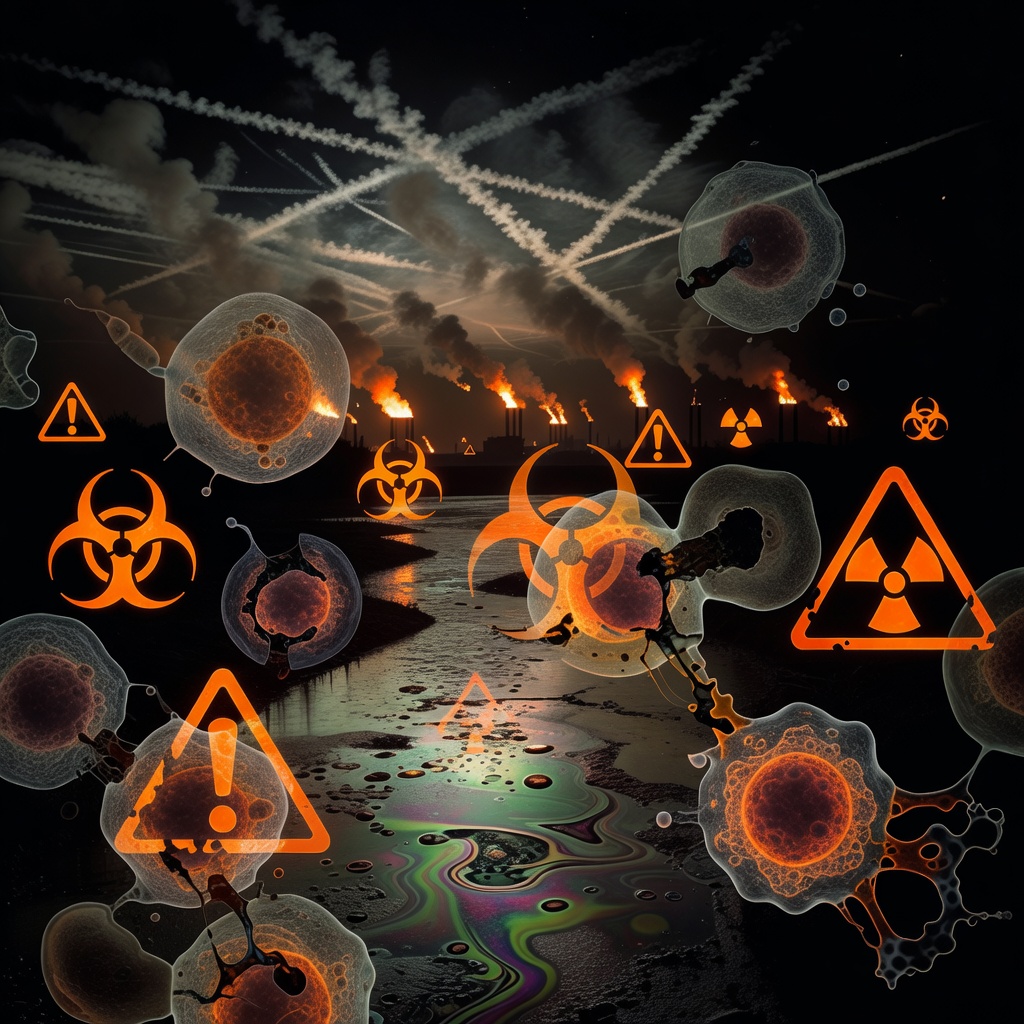
Overview: The Invisible Hormonal Tide
For decades, we have been conditioned to believe that the water flowing from our taps is a hallmark of modern civilisation—purified, regulated, and safe. However, beneath the surface of this convenience lies a complex and disturbing pharmacological reality. As we navigate an era defined by a surge in hormonal imbalances, the role of our domestic water supply in the epidemic of Oestrogen Dominance can no longer be ignored.
In the United Kingdom, we operate within a largely "closed-loop" water system. This means that the water drained from our sinks and toilets is treated and eventually returned to the rivers, from which it is extracted again for human consumption. While this system is effective at removing pathogens and solid waste, it was never designed to filter out microscopic chemical compounds—specifically Endocrine Disrupting Chemicals (EDCs) and synthetic oestrogens.
This article explores the bioavailability of these compounds, the systemic failure of current filtration infrastructures, and how the "recycled" nature of UK water is contributing to a national crisis of hormonal health. To achieve true Innerstanding, we must look beyond the label of "potable water" and examine the molecular reality of what we are consuming.
Biological Mechanisms: The Potency of Synthetic Oestrogens
When we discuss oestrogen in the water supply, we are primarily concerned with 17α-ethinylestradiol (EE2). This is the synthetic form of oestrogen used in the combined oral contraceptive pill and Hormone Replacement Therapy (HRT). Unlike the natural oestrogen produced by the human body (oestradiol), EE2 is designed to resist breakdown.
The "Designed to Persist" Problem
Pharmaceutical engineers specifically designed EE2 to survive the first pass through the liver, ensuring it remains active in the bloodstream for longer periods to prevent pregnancy. However, this same resilience makes it a nightmare for environmental health.
- Metabolic Stability: Because the body cannot easily break it down, a significant portion of the synthetic hormone is excreted via urine in an active or "conjugated" form.
- Reactivation: Once in the sewage system, bacteria can "de-conjugate" these hormones, effectively switching them back into their active, bioavailable state before they reach the water treatment plant.
- High Affinity: Synthetic oestrogens possess a much higher affinity for oestrogen receptors than natural hormones. This means even parts per trillion (ppt) can trigger biological responses in humans and wildlife.
"The potency of synthetic oestrogens like EE2 is so profound that a single gram can contaminate billions of litres of water to a level that is biologically active in fish and amphibians."
The Mechanism of Bioavailability
Bioavailability refers to the proportion of a substance that enters the circulation when introduced into the body and is able to have an active effect. When we drink tap water containing trace EE2, these molecules bypass the usual endocrine feedback loops. They bind to Oestrogen Receptor Alpha (ERα) and Beta (ERβ) sites, sending "false" signals to the body that oestrogen levels are high. This suppresses the body’s natural production of progesterone and testosterone, leading to the clinical state of Oestrogen Dominance.
UK Context & Relevance: From Toilet to Tap
The UK presents a unique geographical and infrastructural challenge. Unlike countries with vast landmasses and massive river systems that provide significant dilution, the UK is a densely populated island with relatively short, slow-moving rivers.
The Recycling Reality
In major metropolitan areas, particularly London and the Southeast, the water in the River Thames may have passed through several human systems before it reaches your glass. During periods of low rainfall, the flow of some British rivers can consist of up to 80% treated sewage effluent.
Current UK wastewater treatment plants (WWTPs) utilise primary and secondary treatment processes (sedimentation and biological oxidation). While these are excellent at removing organic matter, they are largely ineffective at capturing micro-pollutants.
Regulatory Gaps
The UK government and water regulators operate under "Environmental Quality Standards" (EQS). However, these standards often focus on acute toxicity rather than chronic, low-dose endocrine disruption.
- The Threshold Fallacy: Regulatory bodies often argue that the levels of EE2 are "below the threshold of concern."
- The Reality: Endocrine disruption does not follow a linear dose-response curve. Very low doses can sometimes have more significant impacts on the hormonal system than high doses, a phenomenon known as non-monotonic response.
Environmental Factors: The "Cocktail Effect"
The issue of synthetic oestrogen does not exist in a vacuum. It is exacerbated by a synergistic relationship with other environmental toxins, creating what toxicologists call the "Cocktail Effect."
Agricultural Runoff and Xenoestrogens
The UK’s agricultural landscape contributes heavily to water contamination.
- Pesticides and Herbicides: Many common chemicals used in British farming, such as Atrazine (though restricted, its metabolites persist), act as xenoestrogens. They mimic oestrogen in the body and add to the cumulative "oestrogenic load."
- Livestock Hormones: While growth hormones are banned in UK cattle, the natural hormones excreted by high-density livestock farming still enter the groundwater.
Industrial Leaching and Microplastics
The degradation of plastic pipes and the presence of microplastics in the water supply introduce Phthalates and Bisphenol A (BPA). These compounds are structurally similar to oestrogen. When combined with the EE2 from pharmaceuticals, the cumulative effect on the human endocrine system is devastating.
Key Fact: Research by the University of Exeter found that one in five male fish in British rivers are now "intersex," displaying female characteristics due to the high levels of oestrogenic compounds in the water. This serves as a "canary in the coal mine" for human hormonal health.
The Health Impact: Oestrogen Dominance and Beyond
When the "bioavailable load" of oestrogens exceeds the body's ability to detoxify them, Oestrogen Dominance occurs. This is not merely a "women’s issue"; it is a systemic biological threat affecting all genders and ages.
Impact on Women
- Reproductive Disorders: Increased rates of Endometriosis, PCOS (Polycystic Ovary Syndrome), and uterine fibroids.
- Cycle Irregularity: Heavy bleeding and severe PMS caused by the progesterone-oestrogen imbalance.
- Early Puberty: The age of menarche in girls in the UK has been steadily declining, linked to environmental oestrogen exposure.
Impact on Men
- Declining Sperm Counts: A documented 50-60% drop in sperm counts globally over the last 40 years, with waterborne EDCs cited as a primary driver.
- Gynaecomastia: The development of breast tissue in males.
- Lowered Testosterone: Leading to reduced muscle mass, increased body fat, and mental health struggles.
The Risk of Oncogenesis
Chronic exposure to synthetic oestrogens is a known risk factor for hormone-sensitive cancers, including breast, ovarian, and prostate cancer. These compounds promote rapid cell proliferation in tissues sensitive to oestrogen, potentially "switching on" oncogenic pathways.
Protective Strategies: Reclaiming Your Internal Environment
While the systemic issue of water contamination requires legislative change, individuals must take immediate steps to protect their biological integrity. To combat oestrogen dominance, we must focus on filtration and metabolic clearance.
1. Advanced Water Filtration
Standard carbon "jug" filters are insufficient for removing pharmaceutical residues.
- Reverse Osmosis (RO): This is the gold standard. RO systems use a semi-permeable membrane to remove up to 99% of dissolved solids, including hormones, heavy metals, and fluoride.
- Activated Carbon Block: High-quality, solid carbon blocks can reduce certain EDCs, but they must be rated specifically for "pharmaceutical removal."
- Distillation: Effective at removing almost all contaminants, though the water must be "re-mineralised" afterwards to ensure it is hydrating at a cellular level.
2. Supporting Phase II Liver Detoxification
The liver is responsible for breaking down oestrogen and preparing it for excretion. If the liver is sluggish, oestrogen is recirculated into the bloodstream.
- Cruciferous Vegetables: Broccoli, kale, and Brussels sprouts contain Indole-3-Carbinol (I3C) and DIM (Diindolylmethane), which help the liver metabolise oestrogen into "safe" metabolites rather than "toxic" ones.
- Calcium D-Glucarate: This supplement prevents the "reactivation" of oestrogen in the gut, ensuring it is actually excreted.
- Hydration with Structured Water: Ensure your filtered water is mineral-rich to support cellular detoxification.
3. Lifestyle Shifts
- Eliminate Plastic: Never heat food in plastic containers and move toward glass or stainless steel for water storage.
- Organic Produce: Reduce the "Cocktail Effect" by choosing organic to avoid xenoestrogenic pesticides.
- Conscious Consumerism: Support brands and movements advocating for the upgrade of UK wastewater treatment to include "Ozonation" or "Advanced Oxidation Processes" (AOPs), which can effectively neutralise synthetic hormones.
Key Takeaways
- The Closed Loop: The UK water system effectively recycles wastewater, but traditional treatment methods fail to remove synthetic oestrogens like EE2.
- Bioavailability: Synthetic hormones are designed to be resilient, making them highly bioavailable even in trace amounts (parts per trillion).
- Oestrogen Dominance: Chronic exposure leads to a systemic hormonal imbalance, contributing to infertility, reproductive disorders, and increased cancer risks in both men and women.
- The Cocktail Effect: Synthetic oestrogens act synergistically with pesticides, microplastics, and industrial chemicals to overwhelm the endocrine system.
- Filtration is Vital: To protect your health, move beyond basic filters to Reverse Osmosis or distillation systems.
- Liver Support: Dietary and supplemental support for the liver is essential to clear the inevitable "oestrogenic load" from the environment.
The path to Innerstanding requires us to acknowledge that our environment is no longer "neutral." Every sip of water is a biological transaction. By becoming conscious of the water cycle and taking rigorous steps to filter our intake, we can begin to reverse the tide of oestrogen dominance and restore our natural hormonal sovereignty.
This article is provided for informational and educational purposes only. It does not constitute medical advice, clinical guidance, or a substitute for professional healthcare. Information reflects cited research at time of publication. Always consult a qualified healthcare professional before acting on any health information.
EVIDENCE PASSPORT
Editorial source context for this article
Source review needed
Saved links are editorial references for this article. They may support specific claims rather than every sentence. Open and assess each source in context. This passport does not independently verify them.
Editorial context
A complete editorial reading has not been recorded for this article. Source links remain available for you to open and assess directly.
Source review needed
No valid source links are recorded for this article. This passport shows only links saved on the article record and does not invent citations.
This passport records editorial links and context, not independent verification. Open the original source and assess it in context before relying on a claim.
Medical Disclaimer
The information in this article is for educational purposes only and does not constitute medical advice, diagnosis, or treatment. Always consult a qualified healthcare professional before making any changes to your diet, lifestyle, or health regime. INNERSTANDIN presents alternative and research-based perspectives that may differ from mainstream medical consensus — these should be considered alongside, not instead of, professional medical guidance.
Read Full DisclaimerContinue the thread
Keep this question moving.
Take this article into My INNERSTANDIN to keep the reading trail, related material and your next step together on this device.
Explore this in the Body Map
See where this hits your biology. Interactive anatomy, threats, and protective protocols.
Dig deeper in the Library
Free, longform PDF volumes that go beyond headlines into mechanisms and references.