
Thermogenic Timing: How Meal Frequency Influences Brown Adipose Tissue Activity in Cold Climates
Updated April 2026
Evidence orientation
Editorial context not yet recorded
Follow this category
This stays in this browser. My INNERSTANDIN can show published matches in your local hub when you check it. It does not send email, push, or alert notifications.
Local learning review
A private browser aid for revisiting ideas. It is not an alert or a health recommendation.
Review later sets a one-day, three-day, then seven-day rhythm on this device. Choose it only when you want to revisit this article.
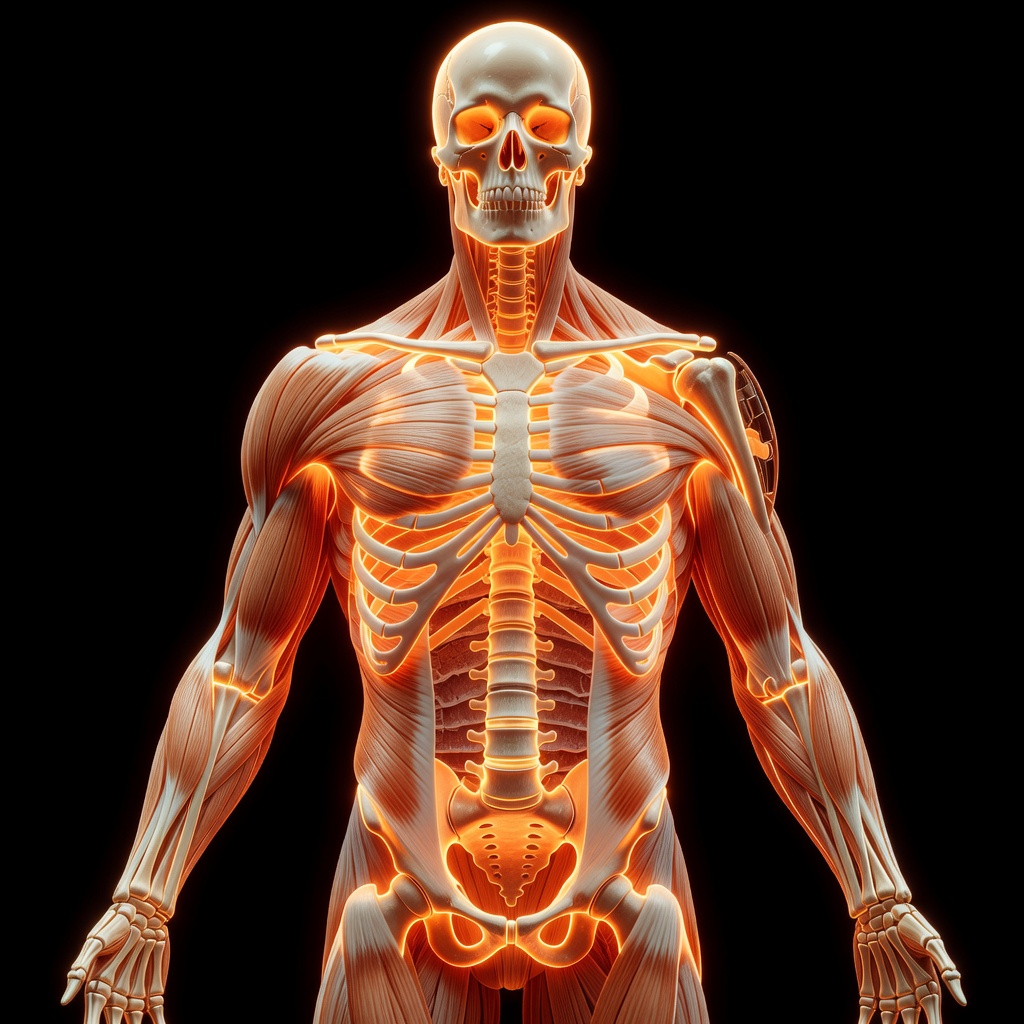
In the modern era of climate-controlled environments and perpetual food availability, we have become biologically "lazy." We have outsourced our internal temperature regulation to thermostats and our metabolic flexibility to the supermarket aisles. However, as we navigate the damp, biting winters of the British Isles, a profound biological mechanism lies dormant within us: Brown Adipose Tissue (BAT).
For the seeker of Innerstanding, health is not merely the absence of disease but the optimisation of ancient evolutionary pathways. To truly thrive in cold climates, one must look beyond the calorie and towards the clock. The intersection of Time-Restricted Eating (TRE) and thermogenesis reveals a startling truth: when you eat dictates whether your body burns fat for fuel or remains trapped in a state of metabolic inertia.
The Hidden Furnace: Understanding Brown Adipose Tissue
Unlike its more infamous cousin, white adipose tissue (WAT)—which stores energy and expands our waistlines—Brown Adipose Tissue (BAT) is a metabolic powerhouse. Its primary function is thermogenesis: the production of heat.
Packed with iron-rich mitochondria, BAT contains a unique protein called Uncoupling Protein 1 (UCP1). This protein allows the mitochondria to bypass the traditional production of ATP (cellular energy) and instead dissipate energy as heat. In the evolutionary context of the UK’s northern latitudes, BAT was the difference between survival and hypothermia.
"Brown fat is not a storage facility; it is a biological furnace. Its activation represents the most potent natural mechanism for increasing resting metabolic rate, yet modern meal frequency is effectively dousing the flames."
The Conflict of Post-Prandial Thermogenesis
When we eat, our body experiences Diet-Induced Thermogenesis (DIT). However, DIT is a double-edged sword. While it generates heat through digestion, the accompanying rise in insulin—the body's primary storage hormone—can actually inhibit the activation of BAT. This creates a physiological conflict, particularly in cold climates where we rely on Cold-Induced Thermogenesis (CIT) to maintain core temperature.
Biological Mechanisms: The Insulin-Cold Paradox
To understand Thermogenic Timing, we must expose the relationship between insulin and the sympathetic nervous system. When the body is exposed to cold, the brain sends signals via norepinephrine to "switch on" the brown fat. This process requires the mobilisation of free fatty acids to act as fuel for the UCP1 protein.
The Insulin Blockade
Insulin is the enemy of fat mobilisation. When we eat frequently—the standard "three meals a day plus snacks" model—insulin levels remain chronically elevated.
- Inhibition of Lipolysis: High insulin prevents the breakdown of stored fat into the free fatty acids required by BAT.
- Mitochondrial Blunting: Frequent glucose spikes may diminish the sensitivity of UCP1, making the brown fat "sluggish."
- Circadian Misalignment: Eating late at night, when melatonin is rising and body temperature naturally drops, confuses the BAT’s internal clock, leading to poor heat production and increased fat storage.
The Power of the Fasted State
Research suggests that BAT activity is significantly higher during periods of fasting. In a fasted state, the body is primed for lipolysis. When a fasted individual is exposed to cold, the brown fat has immediate, unhindered access to fuel. By adopting Time-Restricted Eating, we create a "thermogenic window" where the body can efficiently clear glucose and transition into a fat-burning, heat-producing state.
The UK Context: Cold, Damp, and Chronically Fed
The British climate presents a unique metabolic challenge. We do not experience the dry, crisp cold of the Alps, but rather a humid, "bone-deep" chill. Historically, our ancestors would have experienced significant seasonal shifts in food availability. In winter, the "hunger gap" coincided with the coldest temperatures, naturally triggering peak BAT activity.
The Modern British Malady
Today, we suffer from Thermal Monotony. We move from a heated house to a heated car to a heated office, all while consuming calorie-dense foods every 3 to 4 hours.
- The Loss of Metabolic Flexibility: Because we are never truly cold and never truly hungry, our BAT stores "whiten"—a process where brown fat cells lose their mitochondria and begin to behave like storage-based white fat.
- Seasonal Affective Disorder (SAD) and Cravings: The lack of sunlight in the UK winter often drives "hedonic eating." We crave carbohydrates to boost serotonin, but the resulting insulin spikes suppress our internal furnace, making us feel even colder and more lethargic.
"In the UK, we are ‘overfed and under-heated.’ We have traded our internal thermogenic resilience for the fleeting comfort of a radiator and a biscuit."
Environmental Factors: The Light-Dark-Cold Connection
Thermogenesis is not an isolated event; it is governed by Circadian Nutrition. Our internal clocks, located in the Suprachiasmatic Nucleus (SCN), synchronise our metabolism with the external environment.
Blue Light and Thermal Suppression
Modern environments are flooded with artificial blue light, especially during the long UK winter nights. This light suppresses melatonin, which is not only a sleep hormone but a key regulator of BAT. Studies have shown that melatonin actually helps "recruit" new brown fat cells. By eating under bright lights late at night, we destroy the hormonal environment necessary for winter thermogenesis.
The "Comfort Trap"
Central heating is perhaps the greatest disruptor of BAT. By maintaining a constant 21°C, we never trigger the sympathetic nervous system. The "Innerstanding" perspective suggests that we should lean into the thermal stress of the UK climate. Short durations of cold exposure, combined with strategic meal timing, can "re-brown" our adipose tissue.
Protective Strategies: Implementing Thermogenic Timing
To reclaim your metabolic fire, you must align your meal frequency with the thermal demands of the environment. Here are the authoritative strategies for Thermogenic Timing:
1. The 16:8 "Winter Window"
Limit your food intake to an 8-hour window, ideally during the daylight hours (e.g., 10:00 am to 6:00 pm). This ensures that during the coldest parts of the night and early morning, your insulin levels are low, allowing BAT to activate fully to maintain your core temperature.
2. Fasted Cold Exposure
The most potent way to "awaken" brown fat is to combine fasting with cold.
- The Routine: Perform a 2-minute cold shower or a walk in the crisp morning air before your first meal.
- The Benefit: In the absence of insulin, the norepinephrine surge from the cold will directly trigger the UCP1 protein, using stored body fat as the primary heat source.
3. Protein-Prioritised Breaking of the Fast
When you do eat, prioritise protein. Protein has the highest Thermic Effect of Food (TEF). This provides a gentle internal heat rise without the massive insulin spike associated with refined carbohydrates, which would otherwise shut down BAT activity for hours.
4. Respect the "Melatonin Gate"
Stop eating at least 3 to 4 hours before bed. As the temperature drops at night, your body needs to transition into a state of cellular repair. Digestion is an energy-intensive process that redirects blood flow away from the periphery, making your hands and feet feel colder and disrupting deep sleep.
5. Lower the Thermostat
Incorporate "passive thermogenesis" by keeping your living space at 17-18°C. This mild cold stress, coupled with TRE, keeps the brown fat cells in a state of "ready-alert," preventing the "whitening" of your metabolic tissue.
The Truth Exposed: Beyond the Calorie
The health industry focuses almost exclusively on "how much" we eat, ignoring the biological imperative of "when" and "in what environment." The truth is that frequent eating is a signal of summer abundance. When we eat frequently in the winter, we send a confused signal to our genes. We are telling our bodies it is a time of growth and storage, while the environment is demanding heat and resilience.
By embracing Thermogenic Timing, we stop fighting the cold and start using it as a tool for transformation. We transition from being victims of the winter chill to masters of our own internal flame.
"Metabolic sovereignty is found in the space between meals. It is the heat you feel when the furnace of your brown fat finally roars to life, fueled not by the last snack, but by the stored energy of your own resilience."
Key Takeaways for Innerstanding
- BAT is an Active Tissue: Brown fat burns energy to create heat through the UCP1 protein; it is not merely "fat" but a metabolic organ.
- Insulin is the Switch: High meal frequency keeps insulin elevated, which acts as a chemical "off-switch" for brown fat activation.
- Timing is Vital: Aligning food intake with daylight hours (Circadian Nutrition) allows for a fasted state during the coldest periods, maximising thermogenic potential.
- UK Resilience: Residents of cold, damp climates are uniquely positioned to benefit from BAT activation, provided they escape the "comfort trap" of constant heating and snacking.
- Strategic Stress: Combining Time-Restricted Eating with deliberate cold exposure is the most effective way to "re-brown" white fat and boost the basal metabolic rate.
In the silence of the fast and the bite of the cold, we find the truth of our biology. We are not designed for the constant hum of the heater and the crinkle of the crisp packet. We are designed for the fire within. Understand your timing, and you will master your metabolism.
This article is provided for informational and educational purposes only. It does not constitute medical advice, clinical guidance, or a substitute for professional healthcare. Information reflects cited research at time of publication. Always consult a qualified healthcare professional before acting on any health information.
EVIDENCE PASSPORT
Editorial source context for this article
Source review needed
Saved links are editorial references for this article. They may support specific claims rather than every sentence. Open and assess each source in context. This passport does not independently verify them.
Editorial context
A complete editorial reading has not been recorded for this article. Source links remain available for you to open and assess directly.
Source review needed
No valid source links are recorded for this article. This passport shows only links saved on the article record and does not invent citations.
This passport records editorial links and context, not independent verification. Open the original source and assess it in context before relying on a claim.
Medical Disclaimer
The information in this article is for educational purposes only and does not constitute medical advice, diagnosis, or treatment. Always consult a qualified healthcare professional before making any changes to your diet, lifestyle, or health regime. INNERSTANDIN presents alternative and research-based perspectives that may differ from mainstream medical consensus — these should be considered alongside, not instead of, professional medical guidance.
Read Full DisclaimerContinue the thread
Keep this question moving.
Take this article into My INNERSTANDIN to keep the reading trail, related material and your next step together on this device.
Dig deeper in the Library
Free, longform PDF volumes that go beyond headlines into mechanisms and references.