
Toll-Like Receptor Expression in Palatine Tonsils: A Critical Node for Pathogen Recognition
Discuss this resourceUpdated August 2026
An in-depth exploration of how Toll-Like Receptors (TLRs) within the palatine tonsils function as the first line of defense in the mucosal immune system, and why their dysregulation leads to chronic inflammation.
Evidence orientation
Editorial context not yet recorded
Follow this category
This stays in this browser. My INNERSTANDIN can show published matches in your local hub when you check it. It does not send email, push, or alert notifications.
Local learning review
A private browser aid for revisiting ideas. It is not an alert or a health recommendation.
Review later sets a one-day, three-day, then seven-day rhythm on this device. Choose it only when you want to revisit this article.
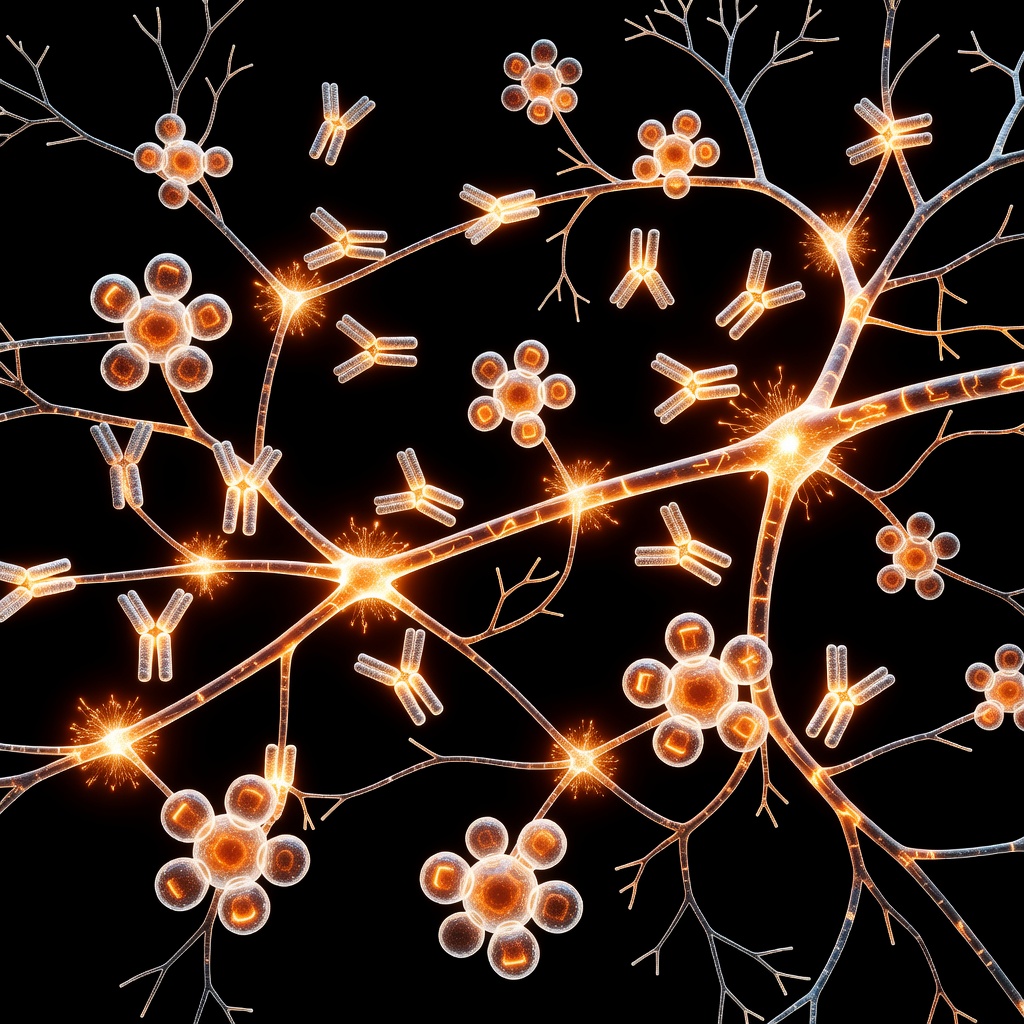
# Toll-Like Receptor Expression in Palatine Tonsils: A Critical Node for Pathogen Recognition## The Tonsils as Immunological GatekeepersThe palatine tonsils, located strategically at the oropharyngeal entrance, serve as the primary site for the induction of immune responses against inhaled and ingested pathogens. At the heart of this complex defensive architecture lies the Toll-Like Receptor (TLR) family, a group of pattern recognition receptors (PRRs) that act as the immune system's sentinels.## Understanding TLRs: The Molecular Alarm SystemTLRs are evolutionarily conserved proteins expressed by innate immune cells, including dendritic cells, macrophages, and epithelial cells within the tonsillar crypts. Their primary function is to recognize pathogen-associated molecular patterns (PAMPs)—molecular structures specific to bacteria, viruses, and fungi. When a pathogen enters the oropharynx, TLRs immediately identify these "danger signals," triggering a signaling cascade that releases pro-inflammatory cytokines and chemokines.
This activation is the root cause of the initial inflammatory response, which is vital for neutralizing infections before they disseminate.## TLR Expression Profiles in Palatine TissueResearch indicates that tonsillar tissue exhibits a high density of TLR1 through TLR9. For instance, TLR4 is specialized in detecting lipopolysaccharides from Gram-negative bacteria, while TLR9 is crucial for identifying viral DNA. In a healthy state, this robust expression allows the tonsils to maintain immunological memory and tolerance. However, chronic exposure to pathogens or dysbiosis within the oral microbiome can lead to the over-activation of these receptors.## Root-Cause Dynamics: When Defense Becomes PathologyWhen TLRs remain chronically stimulated, the resulting state of persistent inflammation can transform the tonsillar environment.
Instead of clearing infections, the constant signaling can lead to hypertrophy (enlargement) of the tissue and a shift toward an environment conducive to biofilm formation. This cycle is frequently the root cause of recurrent tonsillitis, where the very mechanisms meant to protect the host become the source of systemic inflammation.## Therapeutic Implications and Future DirectionsFor those suffering from chronic tonsillar issues, modern research is moving away from reflexive surgical intervention toward targeting the TLR signaling pathways directly. By modulating the sensitivity of these receptors—perhaps through nutritional support, microbiome balancing, or targeted anti-inflammatory therapeutics—we can aim to restore the equilibrium of the palatine tonsils. Understanding that these organs are not merely redundant tissues, but highly sensitive, alert-driven hubs of the innate immune system, is the first step in reclaiming long-term health.
This article is provided for informational and educational purposes only. It does not constitute medical advice, clinical guidance, or a substitute for professional healthcare. Information reflects cited research at time of publication. Always consult a qualified healthcare professional before acting on any health information.
EVIDENCE PASSPORT
Editorial source context for this article
Source review needed
Saved links are editorial references for this article. They may support specific claims rather than every sentence. Open and assess each source in context. This passport does not independently verify them.
Editorial context
A complete editorial reading has not been recorded for this article, and no source links are saved on its record.
Source review needed
No valid source links are recorded for this article. Supplementary research, where available, is listed separately below.
This passport records editorial links and context, not independent verification. Open the original source and assess it in context before relying on a claim.
Medical Disclaimer
The information in this article is for educational purposes only and does not constitute medical advice, diagnosis, or treatment. Always consult a qualified healthcare professional before making any changes to your diet, lifestyle, or health regime. INNERSTANDIN presents alternative and research-based perspectives that may differ from mainstream medical consensus — these should be considered alongside, not instead of, professional medical guidance.
Read Full DisclaimerContinue the thread
Keep this question moving.
Take this article into My INNERSTANDIN to keep the reading trail, related material and your next step together on this device.
Explore this in the Body Map
Explore related body structures and their educational pages in the interactive Body Map.
Dig deeper in the Library
Free, longform PDF volumes that go beyond headlines into mechanisms and references.