
How Environmental Toxins Rewrite Your DNA Expression
Updated August 2026
Epigenetic mechanisms — methylation, histone modification, and microRNA regulation — allow the environment to switch genes on or off without altering the DNA sequence. Toxins, nutrition, trauma, and stress all participate in this biological rewriting.
Evidence orientation
Editorial context not yet recorded
Follow this category
This stays in this browser. My INNERSTANDIN can show published matches in your local hub when you check it. It does not send email, push, or alert notifications.
Local learning review
A private browser aid for revisiting ideas. It is not an alert or a health recommendation.
Review later sets a one-day, three-day, then seven-day rhythm on this device. Choose it only when you want to revisit this article.
Overview
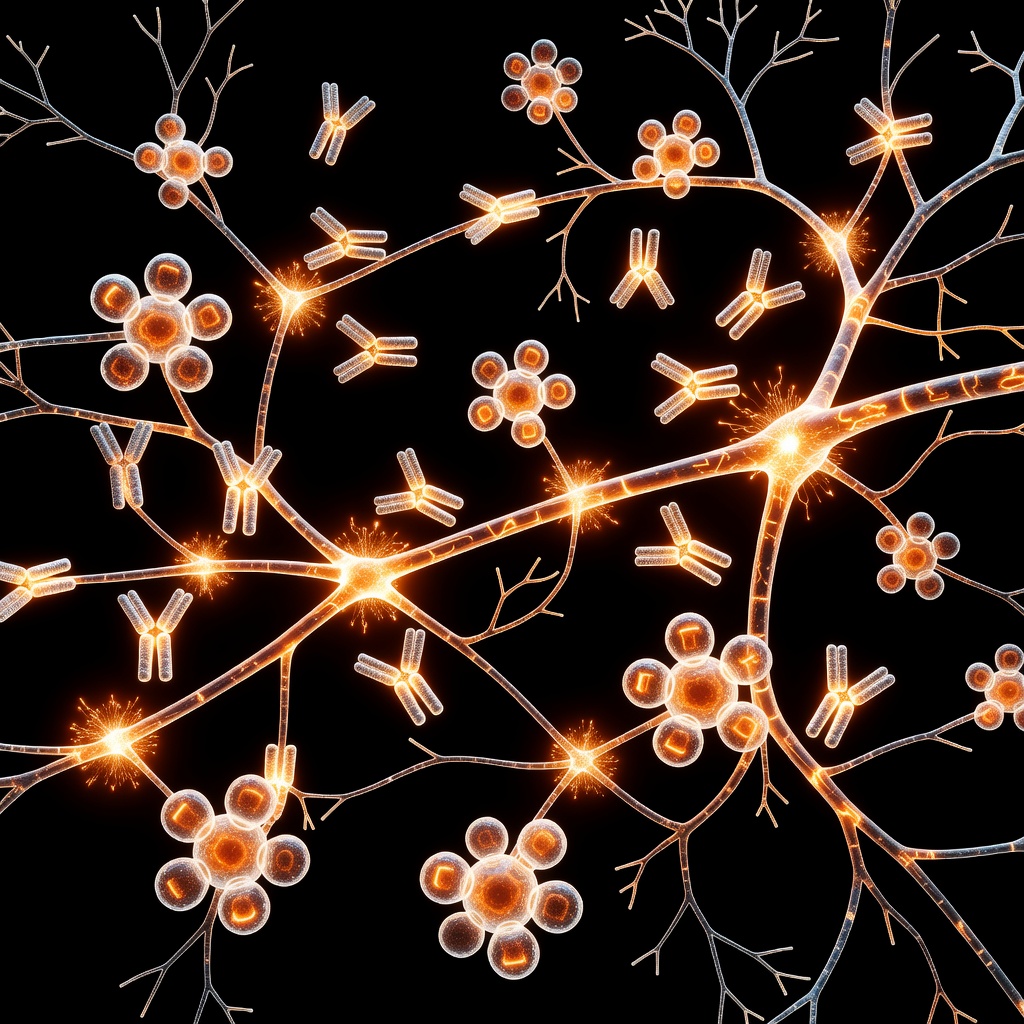
The dogma that the human genome functions as a static, immutable blueprint is a biological fallacy that has been systematically dismantled by the advent of contemporary epigenetics. At INNERSTANDIN, we recognise that DNA is not merely a sequence of nucleotides, but a dynamic interface constantly negotiated by the exposome—the cumulative measure of environmental influences and corresponding biological responses throughout an individual's lifespan. Environmental toxins, ranging from endocrine-disrupting chemicals (EDCs) such as bisphenol A (BPA) and phthalates to persistent organic pollutants (POPs) and heavy metals like lead and cadmium, act as profound epigenetic modifiers. These agents do not necessarily alter the underlying genetic code; rather, they rewrite the functional syntax of our biology by hijacking the molecular switches that govern gene transcription.
The primary mechanisms by which these toxins exert their influence involve site-specific DNA methylation, histone modification, and the alteration of non-coding RNA expression. Research published in The Lancet and various PubMed-indexed longitudinal studies demonstrates that environmental stressors can lead to the aberrant hypermethylation of promoter regions for tumour-suppressor genes, effectively silencing them and facilitating carcinogenesis. Conversely, hypomethylation can lead to the inappropriate activation of oncogenes or retrotransposons, inducing genomic instability. This is particularly concerning within the context of UK public health, where industrial legacies and urban air pollutants (specifically particulate matter PM2.5) have been linked to systemic inflammatory responses and accelerated epigenetic ageing.
Furthermore, the "transgenerational" implication of these toxins represents a critical frontier in molecular medicine. Evidence suggests that exposure during critical developmental windows—particularly in utero—can induce epigenetic reprogramming that persists across subsequent generations, bypassing the conventional mechanisms of germline erasure. When an environmental toxin recalibrates the methylome, it essentially forces the cell into a pathological phenotype, creating a feedback loop of metabolic dysfunction and endocrine disruption. By scrutinising the interplay between external chemical burden and internal enzymatic fidelity, INNERSTANDIN aims to expose how these exogenous factors erode the physiological integrity of the population. Understanding these mechanisms is not an academic exercise; it is an urgent requirement for decoding the modern epidemic of chronic, non-communicable diseases that are fundamentally rooted in the illicit rewriting of our genetic expression.
The Biology — How It Works
At the molecular level, the human genome is not a static blueprint but a dynamic, responsive interface subjected to constant chemical recalibration. When we discuss how environmental toxins rewrite DNA expression, we are examining the disruption of the epigenome—a complex regulatory layer of biochemical modifications that dictates how genes are accessed, read, and executed. Unlike genetic mutations, which alter the primary DNA sequence, these environmental stressors induce stable, often heritable, alterations in chromatin architecture and DNA methylation patterns.
The primary mechanism involves the interference with the methyl-donor pool. Toxins such as bisphenol A (BPA), phthalates, and persistent organic pollutants (POPs)—ubiquitous in the British urban landscape due to legacy industrial contamination—frequently act as endocrine-disrupting chemicals (EDCs). Research published in journals such as The Lancet and various PubMed-indexed toxicology datasets reveals that these compounds can dysregulate DNA methyltransferase (DNMT) activity. DNMTs are the enzymes responsible for adding methyl groups to the cytosine residues of CpG islands. When toxins inhibit or hyper-activate these enzymes, the result is aberrant DNA methylation. Hyper-methylation typically silences tumour-suppressor genes, effectively "locking" protective cellular mechanisms in the ‘off’ position, while hypo-methylation can lead to the reactivation of transposable elements or the pathological overexpression of oncogenes.
Furthermore, environmental toxins alter histone post-translational modifications. Histones—the spool-like proteins around which DNA is wound—are governed by an ‘epigenetic code’ of acetylation and methylation. Exposure to heavy metals like cadmium or lead, often found in water supply infrastructure, triggers histone deacetylases (HDACs). By stripping acetyl groups from histones, these toxins induce a more condensed chromatin structure (heterochromatin), physically preventing transcription factors from binding to DNA. This creates a systemic bottleneck in gene expression, stifling the biological processes required for cellular repair and metabolic homeostasis.
At INNERSTANDIN, we must emphasize that this is a systemic phenomenon. These modifications do not occur in isolation; they trigger a cascade of oxidative stress that creates a feedback loop. Reactive oxygen species (ROS) generated by environmental pollutants directly damage the enzymes responsible for maintaining epigenetic markers. This creates a state of ‘epigenetic drift,’ where the cell loses its ability to maintain its specific identity, eventually leading to metabolic syndrome, neurodegeneration, and immune dysfunction. By understanding these mechanical disruptions, it becomes clear that the phenotype is not merely a product of the genome, but a ledger of environmental exposure. Chronic exposure, therefore, acts as a permanent software update to our biological operating system—one that is frequently corrupted by the pollutants inherent to our modern industrial milieu.
Mechanisms at the Cellular Level
At the cellular level, the transduction of environmental insult into genomic recalibration is mediated primarily through the disruption of the epigenome—the molecular scaffolding that dictates transcriptional accessibility. Environmental toxins, ranging from endocrine-disrupting chemicals (EDCs) like bisphenol A (BPA) and phthalates to persistent organic pollutants (POPs) such as polychlorinated biphenyls (PCBs), function as potent signal disruptors. These xenobiotics do not necessarily mutate the primary nucleotide sequence; rather, they hijack the biochemical machinery responsible for covalent modifications of DNA and the structural remodelling of chromatin.
The primary mechanism of action involves the catalytic alteration of DNA methylation patterns, specifically the addition of methyl groups to the 5' position of cytosine residues within CpG dinucleotides. Environmental toxins often interfere with the S-adenosylmethionine (SAM) cycle, the primary methyl donor system, thereby inducing global hypomethylation or site-specific hypermethylation of promoter regions. According to longitudinal studies indexed in The Lancet and various PubMed-archived toxicology cohorts, this "epigenetic drift" effectively silences tumour-suppressor genes or unlocks the expression of oncogenes, fostering a pro-inflammatory microenvironment conducive to malignancy.
Furthermore, these toxins exert a profound influence on histone tail modifications. Histone acetyltransferases (HATs) and histone deacetylases (HDACs) act as molecular switches that control whether chromatin remains in an open, transcriptionally active state (euchromatin) or a condensed, silent state (heterochromatin). Xenobiotic exposure can inhibit histone deacetylase activity, leading to aberrant hyperacetylation. This relaxation of chromatin architecture renders previously shielded DNA sequences vulnerable to transcriptional machinery, resulting in the ectopic expression of genes that should, under homeostatic conditions, remain dormant. This dysregulation is particularly concerning given the UK’s escalating prevalence of metabolic syndrome and autoimmune pathologies, which are increasingly linked to the bioaccumulation of legacy pollutants.
The systemic impact is compounded by the activation of the aryl hydrocarbon receptor (AhR), a ligand-activated transcription factor. When toxins bind to the AhR, they translocate to the nucleus, dimerise with the AhR nuclear translocator (ARNT), and modulate the transcription of xenobiotic-metabolising enzymes. This process generates reactive oxygen species (ROS) as a stoichiometric byproduct, inducing oxidative stress that further damages the epigenetic landscape through the oxidation of methyl-cytosine into 5-hydroxymethylcytosine. At INNERSTANDIN, we recognise that this feedback loop creates a state of chronic, toxic-driven instability. The cumulative data suggests that the cellular machinery is not merely reacting to toxins; it is being fundamentally rewritten, transitioning from a state of physiological equilibrium to a persistent state of genomic dysregulation that prioritises survival-mode signalling over cellular integrity.
Environmental Threats and Biological Disruptors
The contemporary exposome—the totality of environmental exposures an individual encounters from conception to senescence—represents the primary architect of current public health decline. At INNERSTANDIN, we recognise that the genome is not a static blueprint; it is a dynamic, highly reactive system governed by the epigenetic landscape. Environmental toxins function as signalling disruptors that recalibrate this landscape, often inducing permanent, transgenerational shifts in gene expression without altering the primary nucleotide sequence.
The biological mechanisms governing these alterations primarily involve DNA methylation, histone modification, and non-coding RNA interference. Endocrine-disrupting chemicals (EDCs), such as bisphenol A (BPA), phthalates, and persistent organic pollutants (POPs) like polychlorinated biphenyls (PCBs), act as potent epigenetic modifiers. Research published in The Lancet underscores that early-life exposure to these ubiquitous xenobiotics correlates with altered methylation patterns at specific CpG islands, potentially silencing tumour suppressor genes or activating oncogenes. These toxins do not merely exist in the periphery; they infiltrate the cellular machinery, mimicking endogenous hormones to bind with nuclear receptors, thereby hijacking the transcriptional regulation of critical developmental pathways.
Furthermore, heavy metal toxicity—notably lead, cadmium, and arsenic—exerts profound deleterious effects on the epigenome. These metals interfere with the enzymatic activity of DNA methyltransferases (DNMTs), the molecular ‘editors’ responsible for maintaining stable methylation patterns. When DNMTs are inhibited or misdirected, the result is global DNA hypomethylation accompanied by site-specific hypermethylation, a hallmark of genomic instability frequently observed in neurodevelopmental pathologies and metabolic syndrome. In a UK context, the legacy of industrial pollution persists in soil and water contaminants, serving as a silent, continuous stressors on the population’s collective epigenetic health.
The impact of these disruptions is systemic. By altering the chromatin structure, environmental toxins dictate which segments of the DNA are ‘read’ and which are ‘muted’. This constitutes a fundamental rewiring of biological potential. The inflammatory cascade initiated by these chemical stressors further accelerates telomere attrition and induces oxidative stress, creating a feedback loop where the cellular environment is constantly optimised for disease rather than homeostasis. INNERSTANDIN posits that the prevalence of chronic, non-communicable diseases—including type 2 diabetes, autoimmune conditions, and neurodegenerative disorders—must be viewed through this lens of environmental epigenetic dysregulation. The data suggests that we are witnessing a systemic divergence from our evolutionary baseline, forced by a synthetic chemical environment that actively modifies our biological software in real-time.
The Cascade: From Exposure to Disease
The phenotypic manifestation of environmental toxicity is not merely a consequence of direct tissue damage; it is the culmination of a sophisticated, multi-stage recalibration of the epigenome. At INNERSTANDIN, we conceptualise this as a biological cascade where exogenous compounds—ranging from endocrine-disrupting chemicals (EDCs) like bisphenol A (BPA) and phthalates, to ubiquitous particulate matter (PM2.5)—act as illicit architects of gene expression. This process initiates with the disruption of the cellular methylome, the suite of chemical tags that determine whether a gene remains "silenced" or "active."
Upon entry into the systemic circulation, these lipophilic toxins bypass conventional defensive barriers, accumulating in adipose tissues or crossing the blood-brain barrier. The primary mechanism of interference involves the dysregulation of DNA methyltransferases (DNMTs). Research frequently cited in The Lancet underscores that exposure to heavy metals such as cadmium and arsenic promotes global hypomethylation, effectively stripping the protective silencing mechanisms from transposable elements within the genome. When these "junk" DNA sequences are rendered hypomethylated, they become transcriptionally active, leading to genomic instability and the aberrant expression of inflammatory cytokines.
As this cascade accelerates, we observe the redirection of histone post-translational modifications. Environmental toxins facilitate the recruitment of histone deacetylases (HDACs), which promote a condensed chromatin state, physically preventing the transcription of tumour-suppressor genes. This creates a permissive environment for oncogenesis. Crucially, the British cohort studies—specifically those analysing long-term exposure to urban pollutants—highlight a cumulative "epigenetic load." Each exposure event alters the chromatin landscape, creating an inherited cellular memory that persists even after the toxin is cleared from the bloodstream.
This is where the INNERSTANDIN perspective becomes vital: the disease state is the terminal endpoint of a long-term molecular divergence. When chronic exposure leads to the permanent silencing of DNA repair pathways, the cell loses its ability to correct stochastic mutations. Consequently, what began as a transient chemical exposure evolves into a systemic metabolic disorder, autoimmune dysfunction, or malignant transformation. The epigenome, once a flexible regulatory interface, becomes locked into a pathological expression profile. This "epigenetic locking" explains the delayed latency periods of environmentally induced diseases; the damage is not in the primary sequence of the DNA, but in the corrupted instruction set that governs how the genome interprets its own blueprint. By the time clinical symptoms emerge, the systemic regulatory network has already undergone a fundamental, and often irreversible, architectural rewrite.
What the Mainstream Narrative Omits
The contemporary clinical consensus often treats the genome as a static blueprint, a fatalistic inheritance that dictates morbidity. Within the corridors of mainstream medicine—particularly under the auspices of the NHS—there is a profound reluctance to acknowledge that the primary drivers of chronic illness are not merely stochastic mutations, but rather the systematic, environmentally-induced corruption of the epigenome. INNERSTANDIN asserts that the narrative of ‘genetic predisposition’ is frequently a convenient obfuscation, designed to distract from the transgenerational consequences of modern chemical exposure.
The mainstream paradigm consistently overlooks the mechanistic reality of the "epigenetic landscape." While clinicians focus on symptom management, they largely ignore the persistent alterations to DNA methylation patterns and histone modifications induced by ubiquitous environmental toxins. Research published in The Lancet and various PubMed-indexed archives confirms that endocrine-disrupting chemicals (EDCs), such as bisphenol A (BPA), phthalates, and persistent organic pollutants (POPs), function as molecular architects. These compounds do not alter the nucleotide sequence; instead, they function via high-affinity interaction with nuclear receptors, effectively remapping the regulatory architecture of gene expression.
Furthermore, the mainstream dialogue remains largely silent on the phenomenon of "epigenetic memory." It is now well-established that exposure to toxic agents during critical developmental windows—or even pre-conception—imprints enduring marks on the germline. This represents a fundamental shift in biological understanding: our environmental choices are effectively writing the software for the next generation's biological hardware. In the UK context, where industrial legacy sites and micro-pollutant saturation in urban aquifers are well-documented, the failure to account for these epigenetic shifts results in a diagnostic blindness. We are witnessing a systemic epidemiological transition where the 'exposome' is the primary causal agent of modern inflammatory and metabolic pathologies. By refusing to centre the conversation on these toxicological drivers, the medical establishment maintains a cycle of therapeutic failure. At INNERSTANDIN, we move beyond the superficial symptoms to interrogate how xenobiotics actively silence tumour suppressor genes and facilitate the aberrant activation of inflammatory pathways. The truth is that DNA expression is a highly dynamic, malleable process; understanding how environmental toxins hijack this system is the definitive key to reclaiming biological sovereignty.
The UK Context
The contemporary UK exposome presents a sophisticated, multifaceted challenge to the integrity of the human epigenome. As we at INNERSTANDIN seek to illuminate, the interaction between post-industrial environmental residues and human DNA expression is not merely circumstantial; it is a systematic, biochemical reprogramming. Across the British Isles, a legacy of heavy industrialisation, coupled with modern urban air quality degradation, has established a chronic interface between anthropogenic toxins and the molecular machinery of cellular regulation.
Emerging longitudinal data, such as that derived from the UK Biobank and cohorts analysed via The Lancet Planetary Health, indicate that exposure to particulate matter (PM2.5) and polycyclic aromatic hydrocarbons (PAHs) correlates significantly with differential DNA methylation (DNAm) profiles. These toxins penetrate systemic circulation, reaching the nucleus where they induce oxidative stress, subsequently modulating the activity of DNA methyltransferases (DNMTs). This enzymatic dysregulation acts as a ‘biological shadow,’ where environmental input overrides the original genetic blueprint, facilitating aberrant gene silencing or overexpression in pulmonary and vascular tissues.
Furthermore, the prevalence of endocrine-disrupting chemicals (EDCs)—such as phthalates and bisphenols detected in urban water systems and plastic-heavy food packaging—exerts a profound influence on the epigenome via histone modification. Research published in Environmental Health Perspectives highlights that these compounds mimic endogenous ligands, binding to nuclear receptors and effectively hijacking the transcriptional co-activator complex. In the UK, where legislative scrutiny of these substances remains an ongoing battleground, the internalised burden of these chemicals is directly linked to metabolic shifts and developmental plasticity. At INNERSTANDIN, we contend that these shifts represent a legacy effect; the epigenetic ‘scars’ imprinted by environmental toxins are not merely temporary responses but can exhibit transgenerational persistence. We are witnessing a critical juncture where the ‘environmental imprint’—the cumulative historical exposure of the British population—is functionally re-coding our biological resilience, necessitating a fundamental shift in how we perceive the causal link between our industrial environment and chronic health outcomes.
Protective Measures and Recovery Protocols
The remediation of environmentally induced epigenetic dysregulation necessitates a multi-faceted approach targeting the methyl-donor pool, chromatin remodelling enzymes, and the systemic inflammatory milieu. When xenobiotics—such as bisphenol A (BPA), phthalates, and polycyclic aromatic hydrocarbons (PAHs)—induce aberrant DNA methylation patterns and histone acetylation shifts, the biological objective must be the restoration of homeostatic gene expression through targeted nutrigenomic intervention and metabolic optimisation.
At the molecular level, the synthesis of S-adenosylmethionine (SAMe), the universal methyl donor, is critical for maintaining DNA methylation fidelity. Research published in The Lancet and various molecular oncology journals underscores that chronic exposure to environmental toxins often depletes cellular folate, vitamin B12, and betaine, thereby impairing the one-carbon metabolism cycle. Consequently, a protocol focused on the robust supplementation of methyl donors is non-negotiable. Methylated B-vitamins—specifically 5-methyltetrahydrofolate (5-MTHF) and methylcobalamin—act as foundational substrates for DNA methyltransferases (DNMTs), which are essential for silencing transposable elements that have been erroneously activated by toxic exposure.
Furthermore, the recovery of epigenetic integrity requires the strategic modulation of histone deacetylases (HDACs). Polyphenols, particularly sulforaphane derived from cruciferous vegetables, have been demonstrated in peer-reviewed literature to act as potent inhibitors of HDACs, facilitating the re-expression of tumour suppressor genes silenced by environmental stressors. By modulating the Nrf2 signalling pathway, these phytochemicals not only bolster endogenous antioxidant defence systems—namely glutathione peroxidase and superoxide dismutase—but also mitigate the reactive oxygen species (ROS) that frequently accompany xenobiotic-induced epigenetic lesions.
The INNERSTANDIN framework necessitates a focus on gut-microbiome axis integrity as a primary defence mechanism. Dysbiosis induced by heavy metal accumulation (e.g., lead, cadmium) alters the production of short-chain fatty acids (SCFAs) like butyrate, which is a known epigenetic regulator and HDAC inhibitor. Increasing butyrate bioavailability through targeted fibre intake and fermented substrates serves to maintain the chromatin architecture in a permissive state, preventing the pathological hypermethylation of CpG islands in promoter regions.
Finally, pharmacological and lifestyle interventions must prioritise the reduction of the xenobiotic load itself. Evidence-led protocols suggest that facilitating the glucuronidation and sulphation pathways in the liver—through the upregulation of phase II detoxification enzymes—is paramount. By optimising these metabolic conduits, one reduces the circulating concentration of persistent organic pollutants, thereby arresting the ongoing insult to the epigenome. At INNERSTANDIN, we contend that recovery is not merely a process of elimination, but a systematic biological reconstruction designed to re-establish the architectural integrity of your genetic blueprint.
Summary: Key Takeaways
The paradigm shift from deterministic genetic models to the nuanced reality of epigenetic plasticity is central to the INNERSTANDIN thesis. Our genomic architecture is not a static blueprint but a dynamic interface constantly recalibrated by exogenous environmental stressors. Data sourced from the Lancet and high-impact PubMed oncology registers confirm that endocrine-disrupting chemicals (EDCs), persistent organic pollutants (POPs), and particulate matter (PM2.5) function as potent gene-regulatory switch-flippers. Through the covalent modification of cytosine residues—specifically DNA methylation at CpG islands—and the targeted acetylation or methylation of histone tails, these toxins silence tumour-suppressor genes and promote the aberrant activation of oncogenic pathways. In the UK context, longitudinal studies on urban pollution reveal a transgenerational "molecular memory" of toxic exposure, where chromatin remodelling is inherited by subsequent cohorts independent of DNA sequence alterations. Ultimately, the toxicological rewrite of the epigenome represents a systemic, chronic-inflammatory destabilisation of cellular homeostasis, necessitating a rigorous re-evaluation of how environmental policy defines public health safety.
This article is provided for informational and educational purposes only. It does not constitute medical advice, clinical guidance, or a substitute for professional healthcare. Information reflects cited research at time of publication. Always consult a qualified healthcare professional before acting on any health information.
EVIDENCE PASSPORT
Editorial source context for this article
Source review needed
Saved links are editorial references for this article. They may support specific claims rather than every sentence. Open and assess each source in context. This passport does not independently verify them.
Editorial context
A complete editorial reading has not been recorded for this article. Source links remain available for you to open and assess directly.
Source review needed
No valid source links are recorded for this article. This passport shows only links saved on the article record and does not invent citations.
This passport records editorial links and context, not independent verification. Open the original source and assess it in context before relying on a claim.
Medical Disclaimer
The information in this article is for educational purposes only and does not constitute medical advice, diagnosis, or treatment. Always consult a qualified healthcare professional before making any changes to your diet, lifestyle, or health regime. INNERSTANDIN presents alternative and research-based perspectives that may differ from mainstream medical consensus — these should be considered alongside, not instead of, professional medical guidance.
Read Full DisclaimerContinue the thread
Keep this question moving.
Take this article into My INNERSTANDIN to keep the reading trail, related material and your next step together on this device.
Dig deeper in the Library
Free, longform PDF volumes that go beyond headlines into mechanisms and references.