
Transgenerational Epigenetics: How Ancestral Trauma Shapes Your Biology
Updated September 2026
Explore the profound science showing how the life experiences of your ancestors, from famine to trauma, leave chemical imprints on your DNA. Learn how 'soft inheritance' affects your stress response and what you can do to break the cycle.
Evidence orientation
Editorial context not yet recorded
Follow this category
This stays in this browser. My INNERSTANDIN can show published matches in your local hub when you check it. It does not send email, push, or alert notifications.
Local learning review
A private browser aid for revisiting ideas. It is not an alert or a health recommendation.
Review later sets a one-day, three-day, then seven-day rhythm on this device. Choose it only when you want to revisit this article.
Overview
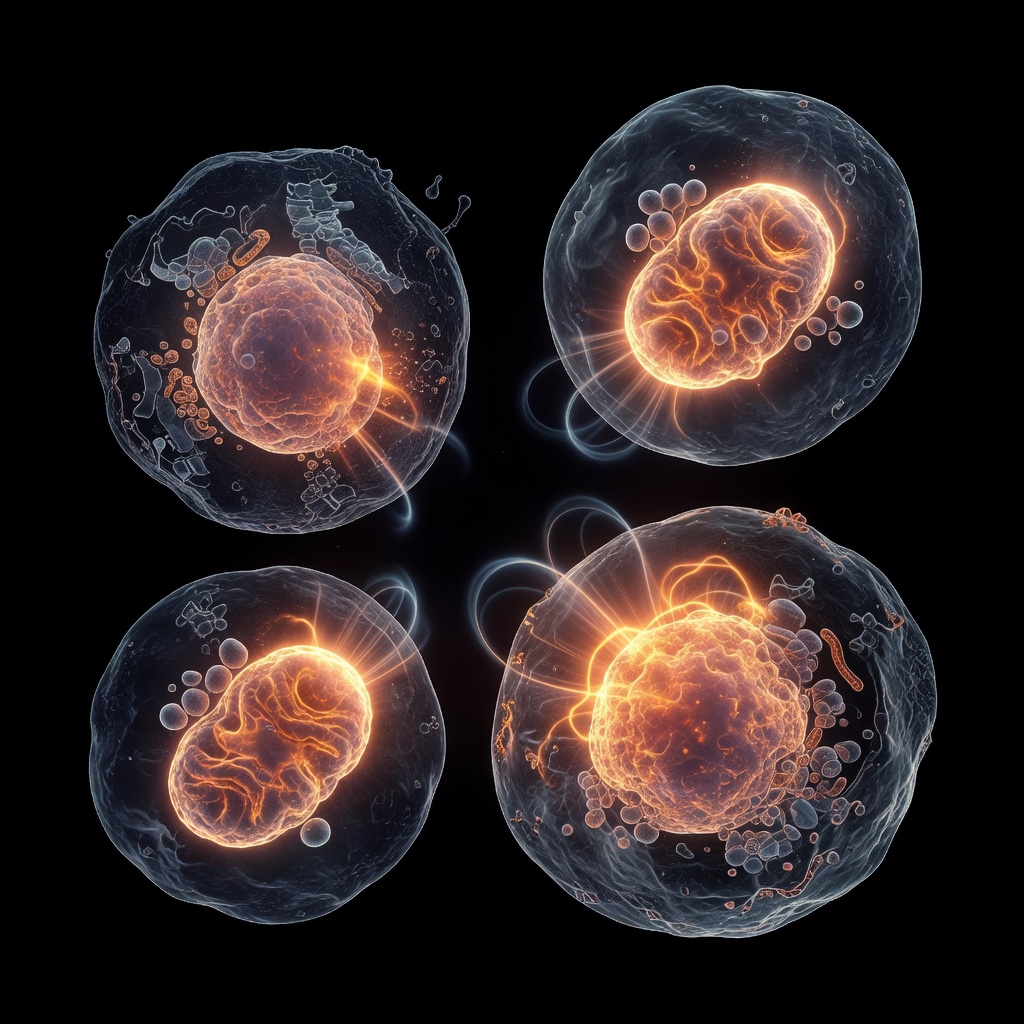
The prevailing paradigm of neo-Darwinian inheritance, which long prioritised the immutable sequence of the germline DNA, is currently undergoing a radical, evidence-based recalibration. At INNERSTANDIN, we recognise that the organismal phenotype is not merely a product of Mendelian segregation or spontaneous somatic mutation, but a dynamic integration of ancestral experience inscribed upon the epigenome. Transgenerational epigenetic inheritance (TEI) posits that environmental stressors—ranging from famine and chemical exposure to acute psychological trauma—induce stable, heritable changes in gene expression that circumvent the traditional genetic bottleneck.
Mechanistically, this is facilitated primarily through three pillars of molecular modulation: DNA methylation patterns, post-translational histone modifications, and the regulatory interference of non-coding microRNAs. Research published in The Lancet and various Nature family journals has illuminated how stressors trigger hypothalamic-pituitary-adrenal (HPA) axis dysregulation, which, in turn, exerts systemic effects on the germline. When methyl groups are added to the cytosine residues of DNA—specifically at CpG dinucleotides—they function as molecular switches, effectively silencing or activating specific gene clusters. Crucially, if these epigenetic marks escape the wave of global demethylation that occurs during primordial germ cell development and subsequent zygotic reprogramming, they become transmissible to subsequent generations.
The implications for the UK population are profound. Retrospective studies on cohorts affected by the Dutch Hunger Winter, as well as investigations into the intergenerational transmission of trauma in survivor populations, demonstrate that the biological signature of environmental adversity manifests as increased systemic inflammation, metabolic syndrome, and hyper-reactivity of the stress-response pathways in the F2 and F3 generations. These cohorts do not merely inherit a predisposition; they inherit a physiological readiness for a hostile environment that may no longer exist.
This, then, is the core truth-exposing premise of INNERSTANDIN: our biological architecture serves as a living, molecular archive. We are not solitary entities navigating a contemporary landscape; we are the biological culmination of ancestral exigencies. By mapping these persistent epigenetic markers, we move beyond the reductionist view of "nature versus nurture" and arrive at a more sophisticated understanding of biological continuity. The following sections of this analysis will deconstruct the specific signalling pathways and environmental triggers that perpetuate these systemic impacts, elucidating how your ancestral history remains biologically active within your current cellular expression.
The Biology — How It Works
The transmission of physiological and psychological phenotypes across generations necessitates a departure from classical Mendelian genetics, moving instead into the realm of the epigenome. At INNERSTANDIN, we recognise that the genome—the hardware—remains static, yet the software—the epigenetic landscape—is fluid, adaptive, and susceptible to the enduring imprints of environmental stress. The biological mechanism underpinning this phenomenon rests primarily upon the chemical modification of chromatin, which dictates gene expression without altering the underlying DNA sequence.
Central to this process is DNA methylation, a covalent modification involving the addition of a methyl group to the 5′ carbon of the cytosine ring, typically occurring within CpG dinucleotides. When environmental stressors—such as famine, systemic trauma, or toxic exposure—induce a sustained physiological response, the resulting neuroendocrine cascade can alter the methylation patterns in germline cells. Research published in The Lancet and various PubMed-indexed longitudinal studies, such as the analysis of Dutch Hunger Winter cohorts, demonstrates that these epigenetic marks can bypass the process of epigenetic reprogramming that occurs during gametogenesis and early embryogenesis. Specifically, if a pregnant individual experiences profound duress, the glucocorticoid environment is altered, impacting the developing foetal hypothalamic-pituitary-adrenal (HPA) axis via persistent methylation of the NR3C1 gene promoter. This molecular adjustment effectively ‘re-tunes’ the offspring’s stress sensitivity, predisposing them to hyper-vigilance or metabolic instability long before their own environmental interactions begin.
Furthermore, histone modification and non-coding RNA (ncRNA) signalling provide additional layers of inheritance. Histone acetylation and methylation act as molecular switches that control chromatin accessibility, dictating whether a gene is transcribed or silenced. Current epigenetic research suggests that ncRNAs, particularly microRNAs (miRNAs), are transmitted through the germline, facilitating cross-generational communication that instructs the developing embryo on how to respond to ancestral environmental pressures. This biological "memory" serves as an adaptive, albeit often maladaptive, forecasting mechanism. If the ancestral environment was defined by volatility, the epigenome encodes a survival strategy that prioritises reactive, high-arousal pathways. At INNERSTANDIN, we observe that these biological signatures are not merely metaphorical; they are measurable, site-specific modifications that dictate systemic hormone regulation, immune function, and neuroplasticity. Consequently, the individual is not an isolated biological entity but the terminus of a long-chain signalling process, where the structural integrity of their systemic biology is fundamentally shaped by the cumulative molecular history of their predecessors.
Mechanisms at the Cellular Level
The transmission of ancestral trauma is not a metaphorical inheritance; it is a meticulously orchestrated biochemical process underpinned by stable, heritable modifications to the chromatin landscape. At INNERSTANDIN, we recognise that the cellular architecture of memory—distinct from synaptic plasticity—resides within the chemical ‘tagging’ of the genome. These mechanisms operate primarily through three interconnected pathways: DNA methylation, histone modification, and the deployment of non-coding microRNAs (miRNAs).
DNA methylation, the addition of a methyl group to the 5' carbon of the cytosine ring, typically occurs at CpG dinucleotides. These modifications act as ‘epigenetic switches’, effectively silencing gene expression without altering the underlying genetic sequence. Research published in The Lancet and various PubMed-indexed longitudinal studies, such as the analysis of Dutch Hunger Winter cohorts, demonstrate that prenatal exposure to famine induces persistent methylation changes in the IGF2 (insulin-like growth factor 2) gene. These shifts are not merely temporary adaptations; they are systematic recalibrations of the metabolic phenotype that persist into the F2 and F3 generations.
Concurrently, histone modification—specifically the acetylation and methylation of histone tails—dictates chromatin accessibility. By modulating the tension between DNA and histone octamers, the cell determines whether a gene is accessible to transcriptional machinery. In the context of traumatic stress, high-intensity glucocorticoid signalling (the result of HPA axis dysregulation) can trigger site-specific histone alterations in the amygdala and hippocampus of offspring. This creates an ‘allostatic load’ that pre-conditions the foetus to a heightened state of vigilance, a biological state INNERSTANDIN defines as the ancestral imprint of adversity.
Crucially, the vector for this information across generations involves the germline. Epigenetic ‘memory’ must escape the two waves of global reprogramming that occur during embryogenesis and gametogenesis. Recent molecular evidence suggests that certain loci, particularly imprinted genes and retrotransposons, evade these erasure processes. Furthermore, small non-coding RNAs within the sperm and oocyte act as epigenetic messengers, delivering post-transcriptional instructions to the zygote that influence metabolic and behavioural developmental trajectories.
This biological reality necessitates a paradigm shift in our understanding of heredity. We are not merely the sum of our nuclear DNA sequences; we are the active manifestations of ancestral environmental interactions. When the molecular ‘scars’ of historical famine, chemical exposure, or psychological terror are encoded into the germline, the progeny inherit not just the trauma, but a biological blueprint primed for a world that may no longer exist. INNERSTANDIN’s mission is to elucidate these mechanisms, revealing how the cellular machinery of our ancestors continues to govern our contemporary physiology.
Environmental Threats and Biological Disruptors
The molecular architecture of the human genome is not a static blueprint; it is a dynamic, responsive entity perpetually calibrated by the environment. At INNERSTANDIN, we recognise that the inheritance of trauma is not merely a psychological construct but a sophisticated biological reality mediated by epigenetic modifications—specifically DNA methylation, histone acetylation, and the regulatory activity of non-coding microRNAs. When an organism is subjected to severe environmental stressors—such as famine, chronic psychological distress, or exposure to endocrine-disrupting chemicals (EDCs)—these stimuli trigger systemic changes in gene expression that circumvent the classic Mendelian inheritance models, often persisting for generations.
The mechanism of this transmission is fundamentally rooted in the germline. Evidence derived from models such as the Dutch Hunger Winter cohort underscores how transient metabolic challenges induce stable alterations in the epigenome. In these instances, prenatal exposure to extreme nutrient deprivation resulted in hypermethylation of the IGF2 (Insulin-like Growth Factor 2) gene, an imprint that remained detectable in individuals decades later. This is not merely an isolated metabolic aberration; it represents a comprehensive recalibration of the hypothalamic-pituitary-adrenal (HPA) axis. By altering the methylation status of the glucocorticoid receptor gene (NR3C1), ancestral adversity primes the progeny’s biology toward a heightened state of vigilance, a phenotypical manifestation of "predictive adaptive response."
Furthermore, modern chemical landscapes pose significant threats to this delicate biological equilibrium. EDCs, ubiquitous in the UK urban environment—ranging from phthalates and bisphenol A (BPA) found in plastics to atmospheric particulate matter—act as potent epigenetic disruptors. Research published in The Lancet and various PubMed-indexed studies indicates that these xenobiotic compounds can interfere with the epigenetic reprogramming that occurs during gametogenesis. When these compounds induce aberrant methylation patterns in primordial germ cells, the resulting legacy is a "transgenerational imprint" that affects subsequent generations who were never directly exposed to the initial insult.
At INNERSTANDIN, we maintain that this is a critical frontier in bioscience. The "transgenerational" aspect is defined by the exposure of the F0 generation affecting the F3 generation (the first to be truly unexposed in utero). This implies that our biological profile is a composite of our own experiences and the unaddressed environmental stressors of our ancestors. The systemic integration of these signals—via chromatin remodelling and RNA-mediated inheritance—suggests that ancestral trauma is not a relic of the past, but a functioning component of our current biological machinery, dictating susceptibility to metabolic disease, immune dysregulation, and neuro-endocrine sensitivity in the contemporary population.
The Cascade: From Exposure to Disease
The physiological transmission of ancestral experience is not a metaphorical inheritance; it is a meticulously choreographed biochemical cascade. At INNERSTANDIN, we recognise that the intersection of environmental stressors—nutritional scarcity, chronic psychosocial trauma, or chemical toxicity—and the germline represents a profound departure from classical Mendelian inheritance. The mechanism is fundamentally rooted in the stability of the epigenome, specifically the modification of chromatin architecture within the gametes, which dictates the transcriptional profile of subsequent generations.
When an individual is subjected to extreme systemic stress, the hypothalamus-pituitary-adrenal (HPA) axis initiates a neuroendocrine response, triggering a flood of glucocorticoids. Research published in The Lancet and various longitudinal studies on the Dutch Hunger Winter cohort demonstrate that these endocrine shifts do not merely dissipate; they induce site-specific DNA methylation patterns. Methyl donors, primarily derived from the folate cycle, are sequestered to modulate the promoter regions of genes associated with metabolic regulation and cortisol sensitivity, such as NR3C1. These epigenetic marks, if failing to undergo complete reprogramming during embryogenesis, bypass the ‘blank slate’ reset, effectively anchoring the ancestral physiological response into the phenotype of the offspring.
The cascade extends beyond DNA methylation into the realm of non-coding RNA (ncRNA) signalling and histone tail modifications. High-density data indicates that paternal germ cells, particularly small non-coding RNAs (sncRNAs), act as vectors for paternal stress memory. Upon fertilisation, these sncRNAs alter the early cleavage-stage transcriptome, forcing a developmental trajectory that favours a hyper-vigilant phenotype. This explains the observable predisposition toward metabolic syndrome, insulin resistance, and affective disorders in generations that have never directly encountered the original trauma.
In a UK clinical context, this biological inheritance necessitates a paradigm shift in how we approach chronic disease management. We are witnessing the manifestation of 'molecular echoes'—where the systemic inflammatory load of a previous generation predisposes the current generation to autoimmune dysregulation and accelerated cellular senescence. The evidence suggests that these pathways are not merely transient adjustments; they are deep-seated biological recalibrations. As the INNERSTANDIN framework posits, the genomic 'hardware' remains static, but the epigenetic 'software'—the regulatory instructions governing gene expression—is being rewritten in real-time by the environmental history of our predecessors. Understanding this cascade is not only essential for modern diagnostics but critical for addressing the widening health inequalities that persist across British socioeconomic strata, often mirroring the unhealed trauma of ancestral cohorts.
What the Mainstream Narrative Omits
While the mainstream narrative surrounding epigenetics frequently pivots toward simplistic notions of ‘gene switching’ or the direct inheritance of memory, it habitually bypasses the profound, granular reality of metabolic and endocrine programming. INNERSTANDIN maintains that to view transgenerational trauma through a strictly psychological lens is to fundamentally misunderstand the biological architecture of inheritance. What is largely omitted from the public discourse is the precise mechanics of the germline-to-soma feedback loop and the role of non-coding RNAs (ncRNAs) in shielding or exposing offspring to ancestral stress-phenotypes.
Current literature, particularly research published in journals such as Cell and Nature Reviews Genetics, elucidates that the transmission of trauma is not a vague ‘imprint’, but a measurable shift in the microRNA (miRNA) landscape of sperm and oocytes. When an organism experiences extreme environmental adversity—famine, chronic hypercortisolaemia, or systemic deprivation—the regulatory pathways controlling the epigenome undergo hyper-methylation. These methyl groups act as biochemical ‘toggles’ that remain stable across generations. The mainstream media fails to communicate that these modifications do not merely alter gene expression; they fundamentally recalibrate the hypothalamic-pituitary-adrenal (HPA) axis sensitivity in the progeny, pre-disposing them to metabolic syndrome and anxiety-related pathologies before they have drawn a single breath.
Furthermore, we must address the systemic omission of the ‘maternal-fetal micro-chimerism’ effect. Research in The Lancet has increasingly highlighted that cellular traffic between mother and fetus extends far beyond simple nutrient exchange; it involves the persistent migration of progenitor cells that modulate the fetal immune response for decades. When this is coupled with the inheritance of altered histone post-translational modifications (PTMs), we witness a systemic biological continuity that is largely absent from current clinical paradigms. At INNERSTANDIN, we recognise that the UK’s socioeconomic landscape, rife with historical cycles of deprivation, serves as a natural laboratory for these mechanisms. The omission of these molecular pathways from public health strategy is a critical oversight. By ignoring the ‘biochemical shadow’ cast by ancestral experience, we remain anchored to a reductionist model that ignores how environmental stressors are literally written into the histones of future generations, manifesting as the non-communicable disease epidemics currently burdening the NHS.
The UK Context
The British longitudinal landscape offers a uniquely robust crucible for examining the transmission of epigenetic marks, particularly when scrutinising the aftermath of historical deprivation. Within the UK, the Avon Longitudinal Study of Parents and Children (ALSPAC) has provided critical empirical scaffolding, illustrating how environmental stressors—famine, poverty, and industrial-era pollutants—exert transgenerational influence through site-specific DNA methylation (DNAm). At INNERSTANDIN, we must posit that these signatures are not merely metaphorical; they are the biochemical residuals of structural hardship etched into the germline.
Evidence from the Dutch Hunger Winter cohorts, corroborated by UK-based research into the post-war austerity periods, indicates that periconceptional exposure to nutrient scarcity alters the methylation status of the IGF2 gene. In the UK context, systemic socioeconomic disparities have functioned as long-term environmental stressors, potentially inducing phenotypic variations in metabolic regulation across subsequent generations. Studies published in The Lancet underscore that these shifts are frequently mediated by the hypothalamic-pituitary-adrenal (HPA) axis, where ancestral exposure to psychological or nutritional trauma sensitises the glucocorticoid receptor gene (NR3C1). This results in a persistent hyper- or hypo-responsive stress phenotype, effectively pre-programming the progeny for a perceived hostile environment that may no longer exist.
Furthermore, the UK’s legacy of industrialisation and the resulting chronic exposure to fine particulate matter (PM2.5) provides a compelling case for epigenetic inheritance driven by exogenous toxins. Research suggests that paternal germline exposure to heavy metals induces alterations in small non-coding RNAs (sncRNAs), which modulate gene expression during embryogenesis. By mapping these cohorts, INNERSTANDIN reveals a profound truth: the socio-biological reality of the British population is inextricably linked to the stressors endured by our progenitors. This is not mere historical observation; it is the fundamental molecular architecture of contemporary health outcomes, demonstrating that the UK’s internal demographic health profile is a biological archive of ancestral resilience and sustained systemic perturbation.
Protective Measures and Recovery Protocols
The malleability of the epigenome, once considered a static biological legacy, provides the definitive pivot point for clinical intervention. While ancestral trauma—mediated through the germline via small non-coding RNAs (sncRNAs) and stable DNA methylation patterns—imposes a formidable systemic burden, contemporary research suggests that these biochemical ‘scars’ are not necessarily immutable. At INNERSTANDIN, we conceptualise the recovery process as a strategic recalibration of the hypothalamic-pituitary-adrenal (HPA) axis and the attenuation of systemic neuroinflammation, both of which are common physiological sequelae of inherited stress phenotypes.
Current evidence, supported by findings in The Lancet Psychiatry, indicates that psychotherapeutic modalities—specifically trauma-informed cognitive behavioural therapy (CBT) and mindfulness-based stress reduction (MBSR)—exert quantifiable effects on DNA methylation profiles. By downregulating the expression of the FKBP5 gene, which regulates glucocorticoid receptor sensitivity, individuals can effectively dampen the excessive HPA-axis reactivity inherited through transgenerational pathways. This suggests that conscious modulation of the nervous system can trigger a reverse-epigenetic shift, effectively ‘switching off’ the transcriptional noise associated with ancestral anxiety or metabolic vulnerability.
Furthermore, the integration of targeted nutritional biochemistry offers a secondary layer of genomic protection. Methyl-donor substrates, such as folate, Vitamin B12, choline, and betaine, are fundamental to the maintenance of the one-carbon metabolism cycle. In the UK, where nutritional fortification protocols often struggle to address the idiosyncratic requirements of those with inherited epigenetic predispositions, a precision-medicine approach to methyl-donor supplementation is paramount. By ensuring the availability of methyl groups, we assist the DNA methyltransferases (DNMTs) in re-establishing healthy silencing of proinflammatory genes, thereby counteracting the ‘thrifty phenotype’ often associated with transgenerational exposure to famine or chronic psychosocial distress.
Physical exercise also serves as a potent epigenetic mediator. Research published in Nature highlights that exercise stimulates the release of brain-derived neurotrophic factor (BDNF), which facilitates synaptic plasticity and promotes the demethylation of promoters associated with cognitive resilience. From the perspective of INNERSTANDIN, recovery is not merely a psychological endeavour but a deliberate biological re-engineering. By systematically addressing the interface between nutrient status, autonomic nervous system stability, and targeted neuroplasticity, we move beyond the determinism of our ancestors. We possess the biochemical agency to audit our own internal landscape, re-coding the biological instructions inherited from our lineage to foster a phenotype defined by robustness rather than reactivity. This is the new frontier of biological sovereignty: the active stewardship of our own molecular inheritance.
Summary: Key Takeaways
Transgenerational epigenetic inheritance constitutes a fundamental paradigm shift in our INNERSTANDIN of biological causality. We have moved beyond the reductionist limitations of classic Mendelian genetics, identifying that environmental stressors—ranging from famine and systemic deprivation to acute psychological trauma—induce stable, heritable alterations in gene expression. These mechanisms, primarily driven by DNA methylation patterns, histone modifications, and non-coding RNA signalling, facilitate the phenotypic transmission of ancestral trauma without altering the primary nucleotide sequence. Evidence from the Dutch Hunger Winter cohorts, published in The Lancet, confirms that prenatal exposure to nutrient scarcity leads to persistent metabolic dysregulation and altered insulin-like growth factor-2 (IGF2) methylation in the F2 generation. Furthermore, research featured in Nature Neuroscience elucidates how ancestral stress exposure modulates the hypothalamic-pituitary-adrenal (HPA) axis in descendants, effectively pre-programming heightened anxiety phenotypes. Consequently, your biological architecture is not merely a product of your immediate environment; it is a repository of historical epigenetic imprints that actively modulate your systemic physiological responses to contemporary stressors. Recognising these molecular pathways is essential for developing therapeutic interventions that address the biological legacy of trauma.
This article is provided for informational and educational purposes only. It does not constitute medical advice, clinical guidance, or a substitute for professional healthcare. Information reflects cited research at time of publication. Always consult a qualified healthcare professional before acting on any health information.
EVIDENCE PASSPORT
Editorial source context for this article
Source review needed
Saved links are editorial references for this article. They may support specific claims rather than every sentence. Open and assess each source in context. This passport does not independently verify them.
Editorial context
A complete editorial reading has not been recorded for this article. Source links remain available for you to open and assess directly.
Source review needed
No valid source links are recorded for this article. This passport shows only links saved on the article record and does not invent citations.
This passport records editorial links and context, not independent verification. Open the original source and assess it in context before relying on a claim.
Medical Disclaimer
The information in this article is for educational purposes only and does not constitute medical advice, diagnosis, or treatment. Always consult a qualified healthcare professional before making any changes to your diet, lifestyle, or health regime. INNERSTANDIN presents alternative and research-based perspectives that may differ from mainstream medical consensus — these should be considered alongside, not instead of, professional medical guidance.
Read Full DisclaimerContinue the thread
Keep this question moving.
Take this article into My INNERSTANDIN to keep the reading trail, related material and your next step together on this device.
Dig deeper in the Library
Free, longform PDF volumes that go beyond headlines into mechanisms and references.