
Tryptophan Steal and the De Novo Synthesis Paradox
Conventional medicine views Tryptophan solely as a precursor to Serotonin, yet the Kynurenine pathway consumes the majority of this amino acid to produce NAD+. In states of systemic inflammation, the 'Tryptophan Steal' diverts resources away from neurotransmission to support cellular energy demands. This article explores the ACMSD enzyme's role as a gatekeeper in the de novo synthesis pathway and why mood disorders often mask metabolic failure.
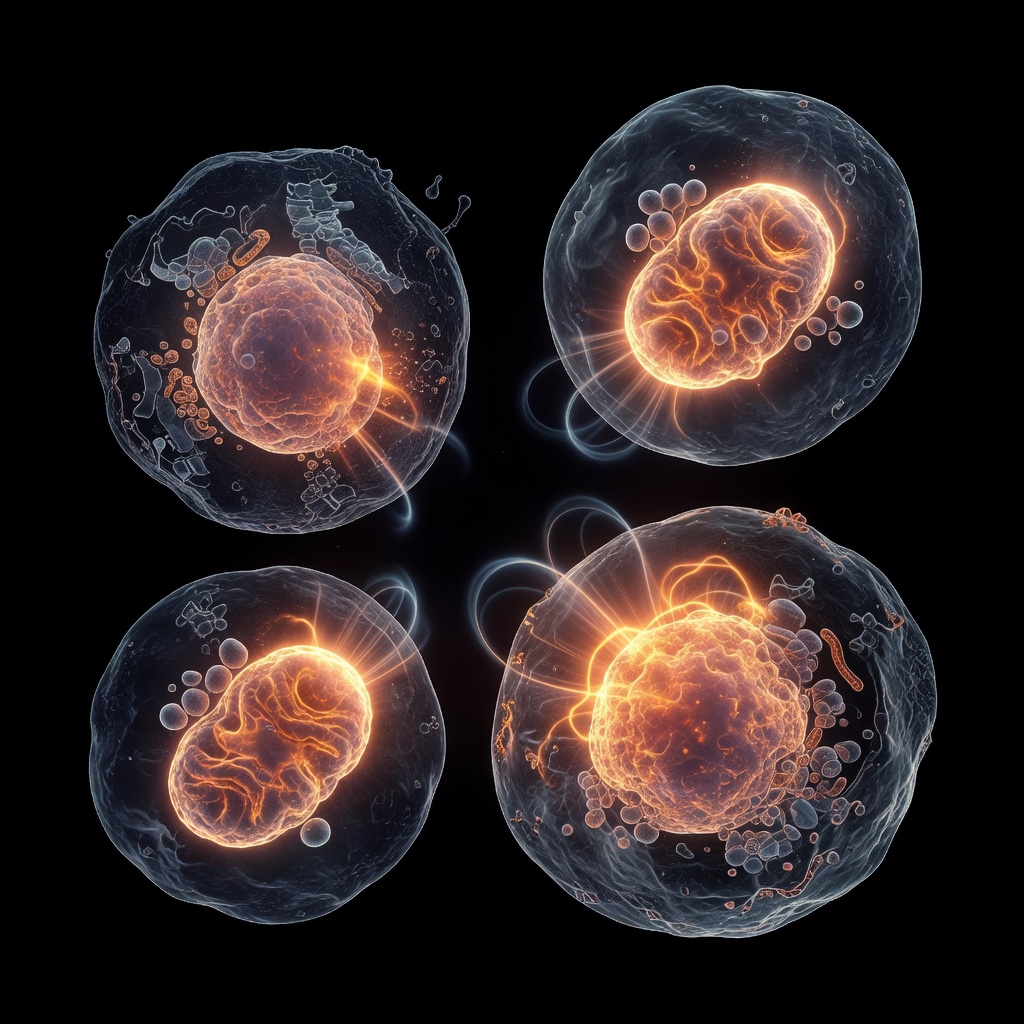
The de novo synthesis of NAD+ begins with the essential amino acid L-Tryptophan. Under homeostatic conditions, a small fraction of tryptophan is converted into serotonin and melatonin. However, over 95 percent is processed via the Kynurenine pathway. In the presence of chronic stress or infection, the enzymes IDO1 and TDO are upregulated, initiating the 'Tryptophan Steal.' This biological prioritization shifts tryptophan away from the brain—leading to anxiety and depression—towards the production of Quinolinic Acid and eventually NAD+. The paradox lies in the efficiency of this pathway.
While it serves as a backup, the accumulation of Quinolinic Acid is neurotoxic. Furthermore, the final step in this pathway is governed by ACMSD (aminocarboxymuconate-semialdehyde decarboxylase). When ACMSD is overactive, it diverts intermediates away from NAD+ production, causing a 'leaky' synthesis route that fails to provide the cell with sufficient energy despite the depletion of tryptophan. Mainstream psychiatry treats the serotonin deficiency with SSRIs but ignores the underlying metabolic drive for NAD+ that caused the depletion. Evidence from the University of Lausanne suggests that inhibiting ACMSD can significantly boost NAD+ levels in the liver and kidneys, providing a therapeutic target that doesn't rely on external precursors.
For the health-educated individual, this means that 'brain fog' and mood shifts are often early indicators of a metabolic crisis. Supporting the de novo pathway requires more than just B3; it requires the management of cortisol and systemic inflammation to ensure that the Kynurenine pathway does not become a source of neurotoxicity. Utilizing cofactors like P5P (active Vitamin B6) is essential for the enzymes that navigate the Kynurenine branch points, ensuring that the 'steal' results in energy production rather than metabolic waste.
This article is provided for informational and educational purposes only. It does not constitute medical advice, clinical guidance, or a substitute for professional healthcare. Information reflects cited research at time of publication. Always consult a qualified healthcare professional before acting on any health information.
RESEARCH FOUNDATIONS
Biological Credibility Archive
Citations provided for educational reference. Verify via PubMed or institutional databases.
Medical Disclaimer
The information in this article is for educational purposes only and does not constitute medical advice, diagnosis, or treatment. Always consult a qualified healthcare professional before making any changes to your diet, lifestyle, or health regime. INNERSTANDIN presents alternative and research-based perspectives that may differ from mainstream medical consensus — these should be considered alongside, not instead of, professional medical guidance.
Read Full DisclaimerReady to learn more?
Continue your journey through our classified biological research.
DISCUSSION ROOM
Members of THE COLLECTIVE discussing "Tryptophan Steal and the De Novo Synthesis Paradox"
SILENT CHANNEL
Be the first to discuss this article. Your insight could help others understand these biological concepts deeper.
THE ARSENAL
Based on NAD+ & Nicotinamide Biology — products curated by our research team for educational relevance and biological support.
Magnesium L-Threonate
Magnesium Blend – The Most Important Mineral
Energy Blend Supports
INNERSTANDING may earn a commission on purchases made through these links. All products are selected based on rigorous educational relevance to our biological research.
RABBIT HOLE
Follow the biological thread deeper
