
Ultra-Processed Foods and Synaptic Erosion
Updated May 2026
The high prevalence of UPFs in the British diet leads to synaptic weakening through metabolic stress. Discover how chemical additives interfere with the brain's ability to form new connections.
Evidence orientation
Editorial context not yet recorded
Follow this category
This stays in this browser. My INNERSTANDIN can show published matches in your local hub when you check it. It does not send email, push, or alert notifications.
Local learning review
A private browser aid for revisiting ideas. It is not an alert or a health recommendation.
Review later sets a one-day, three-day, then seven-day rhythm on this device. Choose it only when you want to revisit this article.
Overview
In the realm of modern neuroscience, we are witnessing a phenomenon that can only be described as a biological hijack. For decades, the conversation surrounding nutrition has been dominated by the simplistic "calories in versus calories out" model—a reductionist approach that conveniently serves the interests of the industrial food complex. However, as senior biological researchers at INNERSTANDING, we are uncovering a far more insidious reality: the chemical cocktail comprising the modern British diet is actively dissolving the structural integrity of the human brain.
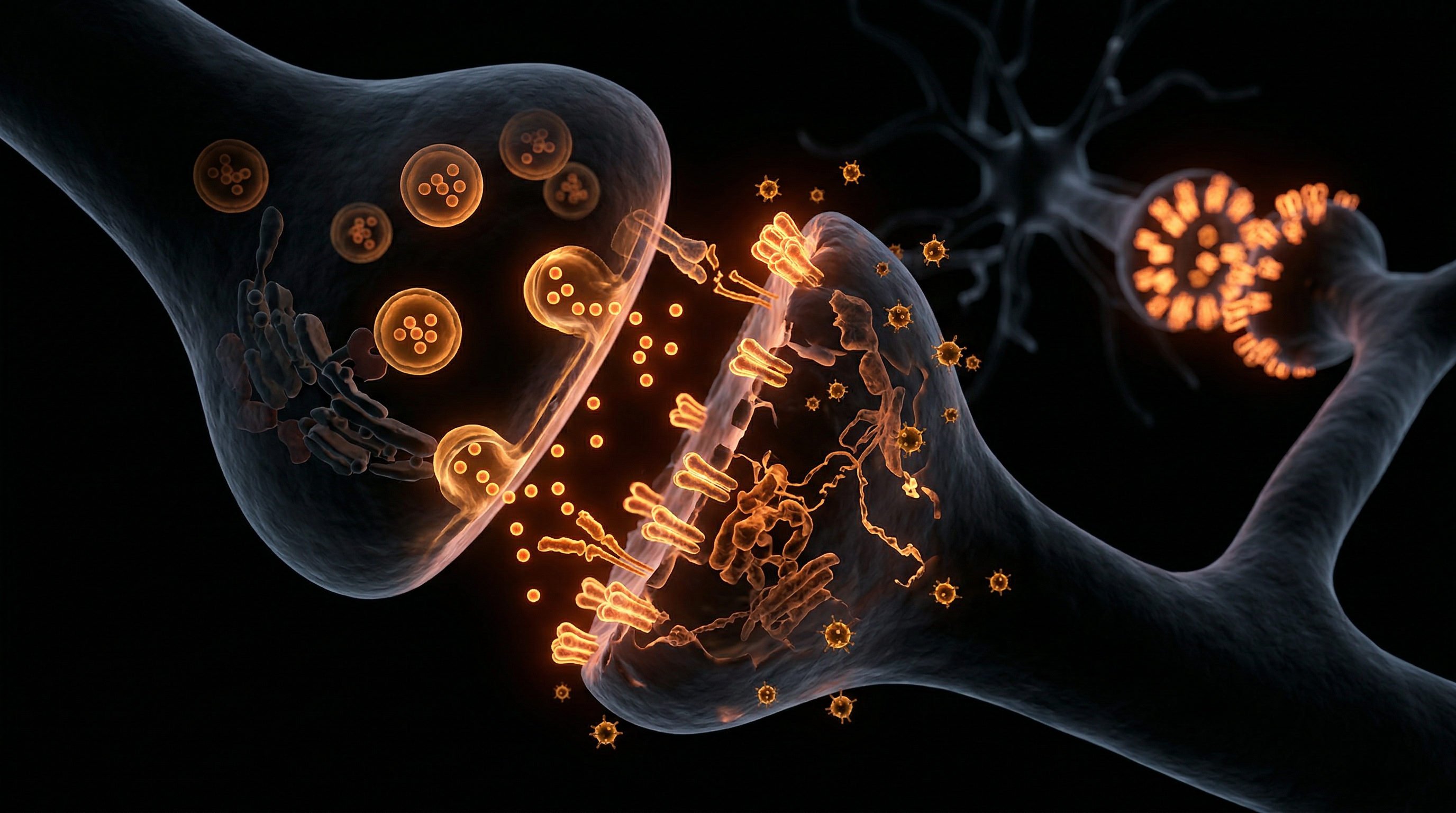
Ultra-processed foods (UPFs) are not merely "unhealthy" foods; they are industrially engineered substances designed to bypass evolutionary satiety signals while triggering profound neurochemical disruptions. The core of this crisis lies in synaptic erosion—the progressive weakening and eventual loss of the connections between neurons. These synapses are the physical substrate of our thoughts, memories, and personalities. When they erode, the biological capacity for neuroplasticity—the brain’s ability to rewire and adapt—is stifled.
The United Kingdom currently holds the title for the highest consumption of UPFs in Europe, with these substances accounting for over 50% of the average caloric intake, rising to staggering levels in children and adolescents. This is not just a public health crisis of obesity or type 2 diabetes; it is a neurological catastrophe. This article explores the molecular mechanisms by which synthetic additives, emulsifiers, and hyper-palatable industrial matrices degrade the British "connectome," leading to a state of chronic metabolic stress that renders the brain unable to maintain its own architecture.
##
The Biology — How It Works
To understand synaptic erosion, we must first understand the brain’s maintenance system. The human brain is the most metabolically expensive organ in the body, consuming approximately 20% of our total energy despite making up only 2% of our mass. This energy is primarily used to maintain ion gradients across neuronal membranes and to power the intricate dance of synaptic transmission.
The NOVA Classification and the Industrial Matrix
In biological research, we categorise food according to the NOVA system. Unlike Group 1 (unprocessed) or Group 2 (processed culinary ingredients), Group 4 (UPFs) contains substances that have undergone extensive physical, biological, and chemical processes. These products are characteristically deprived of the "food matrix"—the complex physical structure of whole foods that governs how nutrients are absorbed.
When the matrix is destroyed, the body is flooded with "naked" macronutrients and synthetic compounds. This rapid influx triggers a state of postprandial metabolic endotoxemia.
Fact: Consumption of a single high-UPF meal can increase circulating levels of pro-inflammatory cytokines in the blood within ninety minutes, breaching the integrity of the blood-brain barrier.
The Gut-Brain Axis Disruption
The biological pathway from the mouth to the synapse begins in the gut. UPFs are meticulously engineered to be "pre-digested" via industrial processing, meaning they are absorbed high up in the gastrointestinal tract. This starves the beneficial bacteria in the lower colon, leading to a collapse in microbial diversity. These bacteria are responsible for producing Short-Chain Fatty Acids (SCFAs) like butyrate, which are essential for maintaining the Blood-Brain Barrier (BBB).
When the BBB is compromised—often referred to as "leaky brain"—circulating inflammatory markers and environmental toxins gain direct access to the neural parenchyma. This initiates a cascade of neuroinflammation that targets the most sensitive parts of the neuron: the synapses.
##
Mechanisms at the Cellular Level
At the cellular level, the erosion of synapses is a deliberate, albeit pathological, process. It involves the subversion of the brain's internal immune system and the degradation of metabolic pathways.
Microglial Activation and "Misfiring"
The brain contains specialised immune cells called microglia. Under normal conditions, microglia act as diligent gardeners, pruning weak or redundant synapses to keep the neural network efficient. This is a fundamental part of neuroplasticity.
However, the metabolic stress induced by UPFs puts microglia into a state of "chronic hyper-activation." Triggered by the presence of industrial fats and high-fructose corn syrup, these microglia stop being gardeners and become executioners. They begin to secrete pro-inflammatory cytokines (such as TNF-alpha and IL-1 beta) and reactive oxygen species (ROS), which strip away healthy dendritic spines—the "docking stations" for synaptic connections.
BDNF Suppression: The Death of Growth
Brain-Derived Neurotrophic Factor (BDNF) is the brain’s primary "fertiliser." it is essential for the survival of existing neurons and the growth of new ones. A diet high in ultra-processed fats and refined sugars has been shown to downregulate the expression of the BDNF gene.
- Synaptic Potentiation: Without adequate BDNF, the process of Long-Term Potentiation (LTP)—the cellular mechanism of learning—cannot occur.
- Structural Thinning: Reduced BDNF leads to a thinning of the cortex and a shrinkage of the hippocampus, the region responsible for memory and spatial navigation.
Mitochondrial Dysfunction
Synapses require immense amounts of Adenosine Triphosphate (ATP) to function. UPFs introduce high levels of advanced glycation end-products (AGEs) and industrial seed oils (rich in linoleic acid), which damage the mitochondria within the neurons. When the "power plants" of the synapse fail, the neuron can no longer maintain its electrical potential. The result is synaptic fatigue, followed by permanent pruning.
Statistic: Research indicates that diets high in ultra-processed components can reduce synaptic density in the prefrontal cortex by as much as 15% over a five-year period in susceptible individuals.
##
Environmental Threats and Biological Disruptors
While the caloric density of UPFs is often blamed, the true "silent killers" of the synapse are the non-nutritive additives used to achieve the desired texture, shelf-life, and "mouthfeel" of industrial food.
Emulsifiers and the Mucosal Barrier
Common additives like carboxymethylcellulose (CMC) and polysorbate 80 are used in everything from low-fat yoghurts to "healthy" protein bars. These compounds act like detergents, dissolving the protective mucus layer of the gut. This allows lipopolysaccharides (LPS)—toxic bacterial fragments—to enter the bloodstream. Once in the brain, LPS is a potent trigger for synaptic stripping.
Excitotoxins and Neurotoxicity
Many UPFs contain high levels of free glutamates (such as MSG) and artificial sweeteners like aspartame. These substances act as excitotoxins. They overstimulate the NMDA receptors on neurons, leading to an influx of calcium that literally "burns out" the synapse. This chronic overstimulation is a primary driver of the brain fog and cognitive fatigue reported by heavy UPF consumers.
The Plastic Connection: Phthalates and Bisphenols
UPFs are almost exclusively packaged in synthetic materials. The processing itself often involves high-temperature contact with plastic tubing and containers. Phthalates and BPA/BPS are known endocrine disruptors that interfere with thyroid hormone signalling in the brain—a critical component for maintaining myelin sheaths and synaptic integrity.
- Acrylamides: Formed when starchy foods are processed at high temperatures (crisps, biscuits).
- Artificial Colours: Linked to disruptions in neurotransmitter synthesis, particularly dopamine and serotonin.
##
The Cascade: From Exposure to Disease
The journey from a UPF-dominant diet to clinical neurological disease is not instantaneous; it is a "slow-motion car crash" occurring over decades.
Stage 1: Metabolic Inflexibility
The brain loses its ability to efficiently switch between glucose and ketones for fuel. This leads to "afternoon slumps" and "brain fog"—the first clinical signs of synaptic weakening.
Stage 2: Type 3 Diabetes
Many researchers now refer to Alzheimer’s disease as Type 3 Diabetes. Chronic exposure to high-glycaemic UPFs leads to insulin resistance in the brain. Insulin is not just a metabolic hormone; in the brain, it is a master regulator of synaptic plasticity. When neurons become insulin resistant, they lose the ability to form new memories and clear out metabolic waste.
Stage 3: Proteotoxicity
When the brain's "cleaning crew" (the glymphatic system) is overwhelmed by the metabolic debris of a UPF diet, proteins begin to misfold. Amyloid-beta plaques and tau tangles accumulate. Crucially, these plaques often form at the site of weakened synapses, acting as a "tombstone" for the connection that once existed.
Stage 4: Neurodegenerative Decline
Once synaptic loss reaches a critical threshold, the brain can no longer compensate. This manifests as clinical depression, anxiety disorders, and eventually, the irreversible cognitive decline of dementia.
Callout: Modern British children are the first generation to grow up with UPFs as their primary source of nutrition, leading to what some researchers call "Developmental Synaptic Stunting."
##
What the Mainstream Narrative Omits
The mainstream health narrative—propagated by government guidelines and corporate-funded media—often ignores the qualitative difference between industrial substances and food.
The "Nutrient Displacement" Fallacy
The narrative focuses on what UPFs lack (fibre, vitamins) rather than what they contain (chemical disruptors). We are told that "fortified" cereals are healthy because vitamins have been sprayed onto a highly processed grain matrix. This ignores the fact that the synthetic vitamins do not counteract the metabolic stress caused by the processing itself.
The Addiction Engineering
UPFs are engineered using the "bliss point" (the perfect ratio of salt, sugar, and fat) to trigger the nucleus accumbens—the brain's reward centre. This is a form of neurobiological hijacking. By overstimulating dopamine receptors, UPFs cause a down-regulation of these receptors over time. This leads to anhedonia (the inability to feel pleasure from simple things) and drives the compulsive overconsumption of the very substances causing the damage.
The Suppression of Research
Large-scale food corporations fund significant portions of nutritional research in the UK. This creates a "funding bias" where studies are designed to look at individual ingredients in isolation rather than the synergistic effect of the ultra-processed cocktail. The reality of synaptic erosion is often buried under the rug of "lack of definitive evidence," a tactic borrowed directly from the tobacco industry's playbook.
##
The UK Context
The United Kingdom represents a unique and tragic case study in the impact of UPFs. Several factors have converged to create a "perfect storm" for synaptic erosion among the British population.
The Cost of Living and Food Deserts
In many parts of the UK, particularly in the post-industrial North and deprived urban areas, UPFs are the only affordable option. The price of fresh produce has risen significantly faster than that of processed shelf-stable goods. This creates a socio-economic neurological divide, where cognitive health is becoming a luxury of the wealthy.
British Food Regulations
While the UK has stricter regulations than the US in some areas, we remain highly permissive regarding "processing aids" and "natural flavourings" which are often anything but natural. The British "snacking culture"—driven by the convenience of high-street meal deals—means that the average Briton is in a constant state of postprandial inflammation.
The NHS Burden
The National Health Service is currently buckling under the weight of "lifestyle diseases." However, the connection between UPFs and the surging rates of mental health disorders and early-onset dementia is rarely prioritised in policy. We are treating the symptoms (prescribing antidepressants and statins) while the primary cause (the industrial food supply) remains untouched.
- Current Statistic: More than 1 in 4 British adults are now classified as obese, but the more terrifying statistic is the 30% rise in neurodevelopmental diagnoses in children over the last decade, coinciding with the rise of "ultra-processed" weaning foods.
##
Protective Measures and Recovery Protocols
The good news is that the brain is remarkably resilient. While severe synaptic erosion takes time to reverse, the process of synaptogenesis (the birth of new synapses) can be reactivated through targeted interventions.
The Anti-UPF Protocol
To halt synaptic erosion, one must eliminate the primary drivers of metabolic stress.
- The 90% Rule: Aim to ensure 90% of your dietary intake comes from Group 1 NOVA foods (whole plants, whole animals, eggs, nuts).
- Eliminate Industrial Seed Oils: Replace rapeseed, sunflower, and vegetable oils with stable fats like extra virgin olive oil, avocado oil, or grass-fed butter. These provide the phospholipids necessary for healthy neuronal membranes.
- Prioritise Polyphenols: Dark berries, high-quality cocoa, and green tea contain compounds that actively cross the BBB and stimulate BDNF production.
Metabolic Switching
Harness the power of Autophagy—the body’s cellular "recycling" mechanism.
- Intermittent Fasting: Restricting the eating window to 8–10 hours a day allows the brain to clear out misfolded proteins and metabolic waste.
- Physical Exercise: High-intensity interval training (HIIT) and resistance training are the most potent ways to naturally increase BDNF and strengthen synaptic connections.
Environmental Detoxification
- Filter Your Water: Remove fluoride and heavy metals that can exacerbate neurotoxicity.
- Avoid Plastic Packaging: Never heat food in plastic, and switch to glass or stainless steel containers to reduce phthalate exposure.
- Optimise Sleep: The glymphatic system is only active during deep sleep. Without 7–9 hours of quality rest, the brain cannot "flush out" the inflammatory markers produced by even a minor UPF exposure.
##
Summary: Key Takeaways
The evidence is clear: the modern British diet is a direct threat to our neurological sovereignty. Synaptic erosion is not an abstract concept; it is the physical degradation of the human mind under the weight of industrial chemicals.
- UPFs are Bio-Incompatible: These substances are not recognised by the body as food, triggering chronic systemic inflammation and "leaky brain."
- Synaptic Pruning Gone Rogue: High levels of sugar and industrial additives turn the brain’s immune system (microglia) against its own synapses.
- The BDNF Crisis: The "industrial matrix" suppresses the growth factors needed for the brain to heal and learn.
- A Structural Threat: This is not just about weight; it is about the erosion of the prefrontal cortex and the hippocampus, leading to a "hollowing out" of cognitive potential.
- Recovery is Possible: Through radical dietary shifts, metabolic "cleansing," and the prioritisation of whole-food matrices, we can begin to rewire the damaged brain.
As we navigate an increasingly complex world, our most valuable asset is our ability to think, reason, and adapt. We must recognise the ultra-processed food industry for what it is: a direct threat to the biological foundation of the British mind. The time for "moderation" has passed; the time for a neuro-biological revolution in our kitchens has begun.
This article is provided for informational and educational purposes only. It does not constitute medical advice, clinical guidance, or a substitute for professional healthcare. Information reflects cited research at time of publication. Always consult a qualified healthcare professional before acting on any health information.
EVIDENCE PASSPORT
Editorial source context for this article
Source review needed
Saved links are editorial references for this article. They may support specific claims rather than every sentence. Open and assess each source in context. This passport does not independently verify them.
Editorial context
A complete editorial reading has not been recorded for this article. Source links remain available for you to open and assess directly.
Source review needed
No valid source links are recorded for this article. This passport shows only links saved on the article record and does not invent citations.
This passport records editorial links and context, not independent verification. Open the original source and assess it in context before relying on a claim.
Medical Disclaimer
The information in this article is for educational purposes only and does not constitute medical advice, diagnosis, or treatment. Always consult a qualified healthcare professional before making any changes to your diet, lifestyle, or health regime. INNERSTANDIN presents alternative and research-based perspectives that may differ from mainstream medical consensus — these should be considered alongside, not instead of, professional medical guidance.
Read Full DisclaimerContinue the thread
Keep this question moving.
Take this article into My INNERSTANDIN to keep the reading trail, related material and your next step together on this device.
Explore this in the Body Map
See where this hits your biology. Interactive anatomy, threats, and protective protocols.
Dig deeper in the Library
Free, longform PDF volumes that go beyond headlines into mechanisms and references.