
Vagal Neuroplasticity: Strategies for Enhancing Neural Adaptability and Emotional Regulation
Updated April 2026
Evidence orientation
Editorial context not yet recorded
Follow this category
This stays in this browser. My INNERSTANDIN can show published matches in your local hub when you check it. It does not send email, push, or alert notifications.
Local learning review
A private browser aid for revisiting ideas. It is not an alert or a health recommendation.
Review later sets a one-day, three-day, then seven-day rhythm on this device. Choose it only when you want to revisit this article.
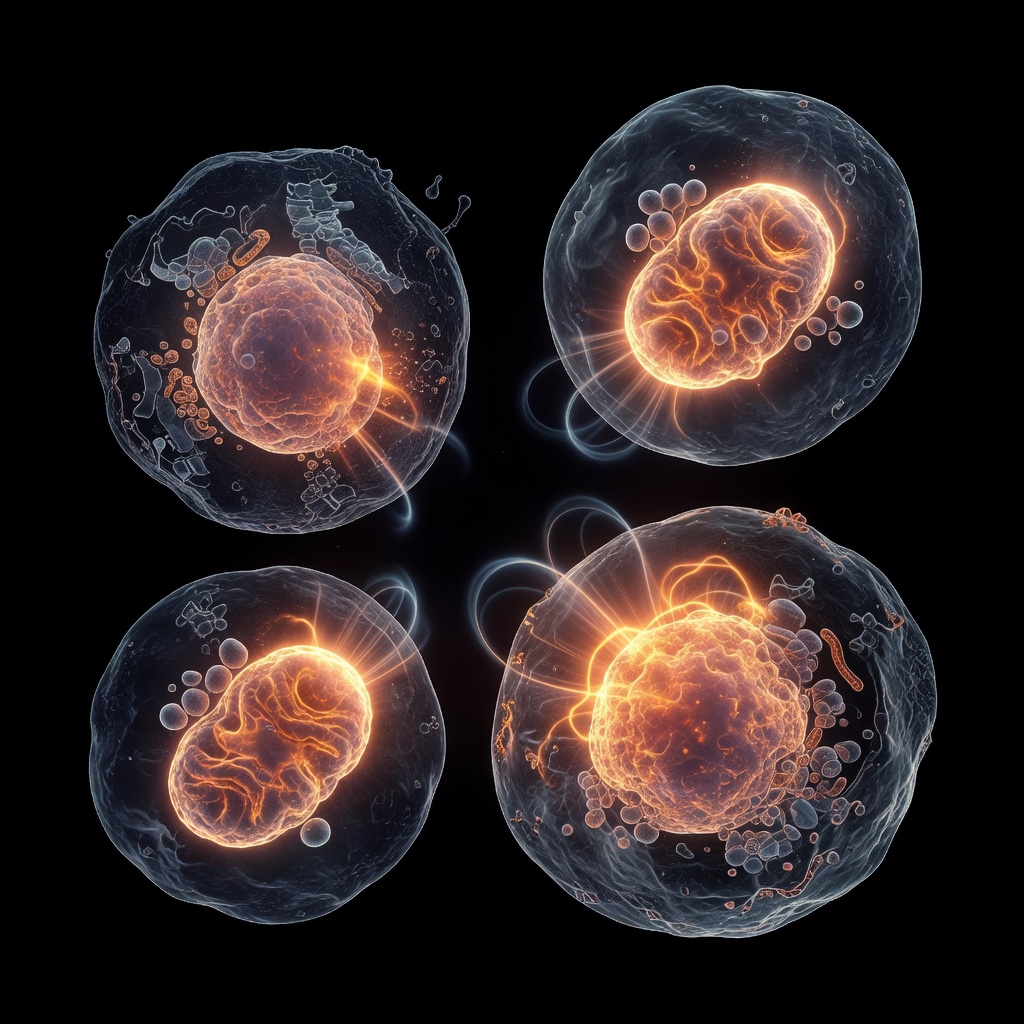
In the contemporary landscape of health and wellness, we are frequently told that our biology is our destiny. We are led to believe that the anxiety, chronic fatigue, and emotional volatility we experience are merely "glitches" in a fixed system, treatable only by external chemical intervention. However, the truth that is often obscured by mainstream medical paradigms is far more empowering: your nervous system is not a static circuit board, but a dynamic, living landscape capable of profound architectural change.
At the heart of this transformative potential lies Vagal Neuroplasticity. This is the capacity of the Vagus Nerve—the longest and most complex of the cranial nerves—to reorganise its neural pathways and improve its functional efficiency in response to deliberate stimuli. By understanding and harnessing vagal neuroplasticity, we move beyond mere "stress management" and enter the realm of biological sovereignty.
The Great Disconnect: An Overview of Vagal Neuroplasticity
The Vagus Nerve (Cranial Nerve X) is often described as the "Information Superhighway" of the body. It originates in the brainstem and wanders (hence the name vagus, meaning "wandering" in Latin) through the neck, chest, and abdomen, innervating the heart, lungs, and digestive tract. It is the primary component of the Parasympathetic Nervous System (PNS), responsible for the "rest and digest" or "social engagement" states.
However, the modern understanding of the Vagus Nerve has evolved. We now know that it is not merely a passive cable. Neuroplasticity—the brain’s ability to form and reorganise synaptic connections—extends to the autonomic nervous system. Vagal Neuroplasticity refers specifically to the strengthening of the vagal pathways, increasing the "myelination" (the insulating sheath) of the nerve fibres to allow for faster, more efficient signalling between the body and the brain.
When we talk about "Innerstanding" our biology, we must recognise that a weak vagal tone is not a permanent condition. It is a state of disuse. Just as a muscle atrophies without exercise, the Vagus Nerve can become "de-tuned" by chronic stress, trauma, and environmental toxins. Enhancing its plasticity is the key to emotional regulation, immune resilience, and cognitive clarity.
Biological Mechanisms: How the Nerve Rewires Itself
To truly appreciate the power of vagal neuroplasticity, we must look beneath the surface at the cellular and chemical mechanisms that facilitate change.
The Afferent and Efferent Loops
Approximately 80% of vagal fibres are afferent, meaning they carry sensory information from the organs to the brain. Only 20% are efferent, carrying commands from the brain to the organs. This is a critical revelation: your brain is constantly being "told" how to feel by your body. Vagal neuroplasticity involves refining these loops so the brain receives clearer signals of safety rather than distorted signals of threat.
Acetylcholine and the Anti-Inflammatory Pathway
The Vagus Nerve communicates with the body using a neurotransmitter called Acetylcholine. This chemical acts as a natural tranquiliser for the heart and, crucially, as a potent inhibitor of inflammation. Through the Cholinergic Anti-Inflammatory Pathway, a healthy Vagus Nerve can signal the immune system to cease the production of pro-inflammatory cytokines. Plasticity in this system means the body becomes more adept at switching off "fire" (inflammation) before it becomes chronic.
Synaptic Strengthening and Myelination
Through consistent stimulation, the neurons within the Nucleus Ambiguus and the Dorsal Motor Nucleus (the Vagus Nerve's headquarters in the brainstem) undergo Long-Term Potentiation (LTP). This process strengthens the synapses, making the "calm" response easier to trigger. Furthermore, repeated activation encourages the growth of the myelin sheath, which increases the conduction velocity of the nerve.
Key Fact: Vagal neuroplasticity proves that emotional resilience is a physiological skill. By repeatedly engaging the Vagus Nerve, you are physically thickening the "insulation" on your neural wiring, making you less reactive to external stressors.
The UK Context: A Silent Crisis of Autonomic Dysregulation
In the United Kingdom, we are currently facing a silent epidemic of "Autonomic Dysfunction." The modern British lifestyle is, in many ways, an architectural assault on the Vagus Nerve.
The "Stiff Upper Lip" and Emotional Suppression
The cultural legacy of the "stiff upper lip" has profound physiological consequences. For generations, British society has prioritised the suppression of emotion and the avoidance of "making a scene." From a polyvagal perspective, suppressing emotional expression inhibits the Social Engagement System—the branch of the Vagus Nerve that controls facial muscles and vocal tone. When we stop expressing, we stop stimulating the Vagus Nerve, leading to a state of chronic "Functional Freeze."
The NHS and the Symptom-Management Trap
The UK healthcare system is currently overwhelmed, often resulting in a "pill for every ill" approach. While medication has its place, it frequently addresses the symptoms of vagal withdrawal (such as hypertension or irritable bowel syndrome) without addressing the underlying lack of neural adaptability. There is a desperate need for a UK-wide shift toward Physiological Literacy, where individuals are taught to regulate their own nervous systems.
Urbanisation and the Loss of "Blue and Green" Space
The UK’s high population density and urban sprawl contribute to "sensory pollution." Chronic noise from traffic, artificial light in cities like London and Manchester, and the lack of access to nature keep the Sympathetic Nervous System in a state of high alert. This constant background "hum" of threat prevents the Vagus Nerve from entering the "safety" state required for plastic remodelling.
Environmental Factors: The Invisible Architects of Vagal Health
Our environment acts as a constant programmer of our nervous system. If we wish to enhance vagal neuroplasticity, we must audit the signals we are sending to our bodies.
- Circadian Mismatch: The Vagus Nerve is deeply tied to our internal body clock. Exposure to blue light from screens late at night inhibits melatonin and elevates cortisol, sending a signal of "emergency" to the brainstem. This prevents the deep, restorative sleep necessary for neural repair.
- The Microbiome-Vagus Axis: The Vagus Nerve is the primary link between the gut and the brain. Environmental factors like the overuse of antibiotics, pesticides (such as glyphosate), and a diet high in processed "beige" foods (common in many UK households) decimate gut flora. These bacteria produce neurochemicals that the Vagus Nerve "reads." If your microbiome is in turmoil, your Vagus Nerve will remain in a state of alarm.
- Vibrational and Auditory Load: High-frequency, mechanical noises are interpreted by the primitive brain as predatory threats. Conversely, low-frequency, rhythmic sounds—such as waves or deep humming—activate vagal pathways.
Protective Strategies: Enhancing Your Neural Adaptability
Enhancing vagal neuroplasticity requires a "bottom-up" approach—using the body to change the brain. The following strategies are designed to "work" the nerve, forcing it to adapt and strengthen.
1. Resonance Frequency Breathing
The most direct way to access the Vagus Nerve is through the breath. Resonance Frequency Breathing involves inhaling for 5 seconds and exhaling for 5 seconds (roughly 6 breaths per minute). This specific rhythm creates a "coherence" between the heart rate and the breath, known as Heart Rate Variability (HRV).
- Action: Practise this for 10 minutes twice daily. Over time, this "stretches" the vagal response, making it more robust.
2. Cold Water Immersion (The "Dive Reflex")
The British tradition of wild swimming or "plunging" in the North Sea is more than just a trial of will. Sudden cold exposure to the face or body triggers the Mammalian Dive Reflex, which is mediated by the Vagus Nerve. It forces an immediate drop in heart rate and an increase in parasympathetic activity.
- Action: End your daily shower with 30–60 seconds of cold water. This acts as a "strength training" session for your autonomic nervous system.
3. Humming, Chanting, and Gargling
Because the Vagus Nerve passes through the larynx and pharynx, it is physically connected to the muscles of the throat. High-intensity gargling or loud, resonant humming (such as the "Om" chant or even simple singing) stimulates the nerve mechanically.
- Action: Gargle vigorously with water each morning until your eyes water, or spend 5 minutes humming a deep tone to stimulate the laryngeal vagal branch.
4. Intermittent Fasting and Gut Care
The Vagus Nerve "senses" the state of the digestive tract. Periodic fasting allows the gut to enter a state of "motility" (the Migrating Motor Complex), which is governed by the Vagus. Furthermore, consuming fermented foods (kefir, sauerkraut, kimchi) introduces beneficial bacteria that communicate "safety" to the brain via the vagal afferent fibres.
5. Social Engagement and "Safe" Connection
The Polyvagal Theory suggests that our Vagus Nerve evolved to facilitate social bonding. Making eye contact, engaging in prosodic (melodic) speech, and laughing with trusted friends are powerful vagal stimulants.
- Truth: Isolation is a biological toxin. Genuine human connection is a physiological necessity for a healthy Vagus Nerve.
Key Fact: The "tone" of your Vagus Nerve is best measured by Heart Rate Variability (HRV). A high HRV indicates a nervous system that is flexible and capable of rapid recovery, while a low HRV indicates a "stuck" or brittle nervous system.
The Path Forward: A New Paradigm of Innerstanding
We must move away from the idea that emotional regulation is merely a "mental" task. You cannot "think" your way out of a physiological state of panic or depression if your Vagus Nerve is functionally weak. True Innerstanding involves recognising that the mind and body are a single, continuous loop.
By adopting these strategies, you are not just "calming down"; you are participating in a profound act of Biological Self-Engineering. You are thickening the neural pathways that allow for compassion, logic, and health. You are reclaiming your sovereignty from a world that profits from your dysregulation.
Key Takeaways for Vagal Optimisation
- Neuroplasticity is Autonomic: Your Vagus Nerve can be trained, strengthened, and rewired throughout your entire life.
- The Gut-Brain Link: Your Vagus Nerve is the primary listener to your gut; feed it high-quality information through nutrition and probiotics.
- Consistency is Vital: Neural pathways strengthen through repetition. Short, daily vagal exercises are more effective than occasional long sessions.
- Safety is the Signal: To heal the Vagus Nerve, you must provide the body with signals of safety—through breath, cold, sound, and community.
- HRV as a Compass: Use Heart Rate Variability (via wearable tech or pulse checks) to monitor your progress and "Innerstand" your body’s unique language.
In the quest for higher consciousness and optimal health, the Vagus Nerve is the bridge. Walk it with intention, and your biology will follow.
This article is provided for informational and educational purposes only. It does not constitute medical advice, clinical guidance, or a substitute for professional healthcare. Information reflects cited research at time of publication. Always consult a qualified healthcare professional before acting on any health information.
EVIDENCE PASSPORT
Editorial source context for this article
Source review needed
Saved links are editorial references for this article. They may support specific claims rather than every sentence. Open and assess each source in context. This passport does not independently verify them.
Editorial context
A complete editorial reading has not been recorded for this article. Source links remain available for you to open and assess directly.
Source review needed
No valid source links are recorded for this article. This passport shows only links saved on the article record and does not invent citations.
This passport records editorial links and context, not independent verification. Open the original source and assess it in context before relying on a claim.
Medical Disclaimer
The information in this article is for educational purposes only and does not constitute medical advice, diagnosis, or treatment. Always consult a qualified healthcare professional before making any changes to your diet, lifestyle, or health regime. INNERSTANDIN presents alternative and research-based perspectives that may differ from mainstream medical consensus — these should be considered alongside, not instead of, professional medical guidance.
Read Full DisclaimerContinue the thread
Keep this question moving.
Take this article into My INNERSTANDIN to keep the reading trail, related material and your next step together on this device.