
The Vagus Nerve: Your Internal Information Superhighway
Updated May 2026
The vagus nerve serves as the primary bidirectional communication link between your gut and your brain, influencing everything from mood to digestion. Mastering this 'gut-brain axis' is key to managing stress and enteric nervous system disorders.
Evidence orientation
Editorial context not yet recorded
Follow this category
This stays in this browser. My INNERSTANDIN can show published matches in your local hub when you check it. It does not send email, push, or alert notifications.
Local learning review
A private browser aid for revisiting ideas. It is not an alert or a health recommendation.
Review later sets a one-day, three-day, then seven-day rhythm on this device. Choose it only when you want to revisit this article.
Overview
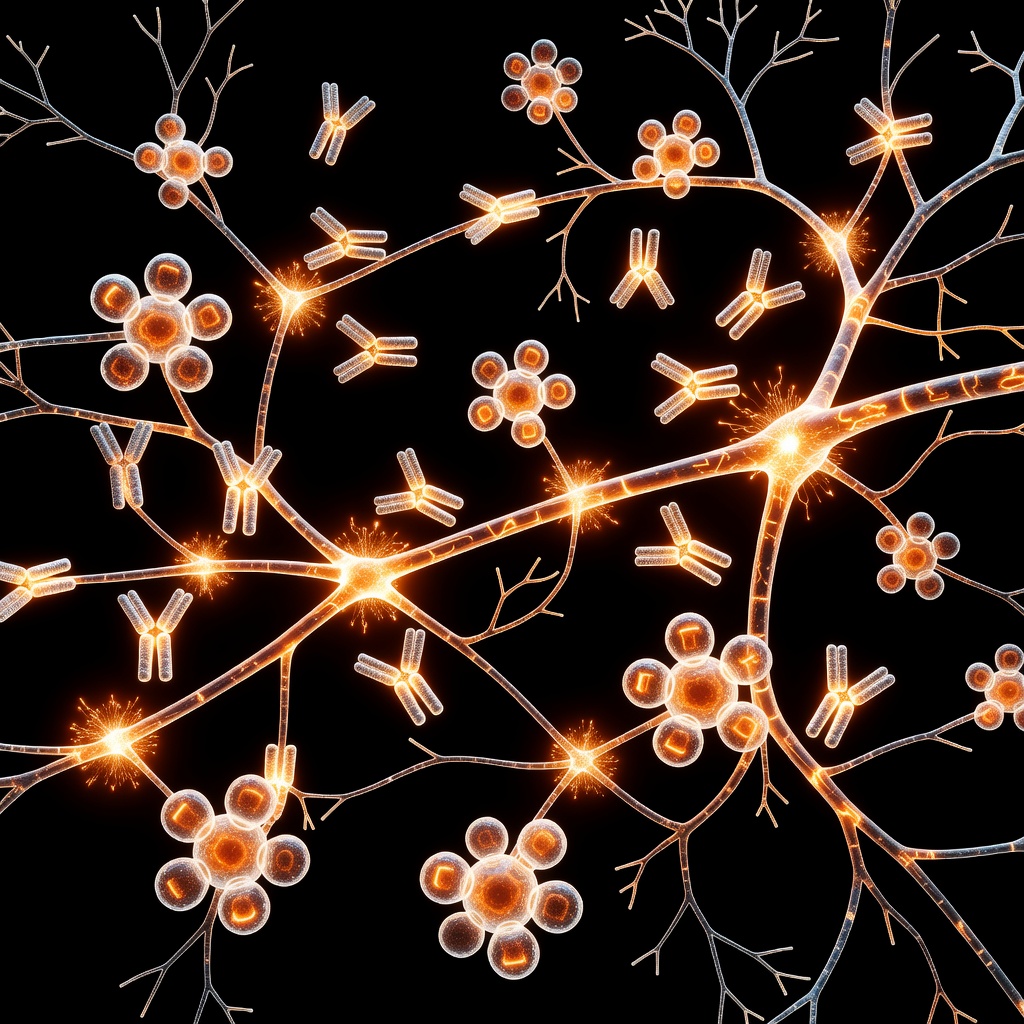
Within the complex architecture of the human body lies a structural and functional masterpiece that modern medicine has, until recently, largely relegated to the periphery of clinical focus. This is the Vagus Nerve, the tenth cranial nerve (CN X), a sprawling, bidirectional superhighway that serves as the physical manifestation of the mind-body connection. Its name, derived from the Latin vagus, meaning "wandering," is an understatement. It does not merely wander; it governs. It originates in the medulla oblongata of the brainstem and descends through the jugular foramen, traversing the neck, thorax, and abdomen, branching into an intricate web of fibres that innervate every major organ system, including the heart, lungs, liver, and, most crucially for our discussion, the gastrointestinal tract.
For decades, the "brain-gut" connection was viewed through a purely psychological lens—the idea that "nerves" caused indigestion. However, at INNERSTANDING, we expose the biological reality: the gut and the brain are locked in a continuous, high-speed dialogue where the Vagus nerve acts as the primary transmission line. Approximately 80% to 90% of vagal fibres are afferent, meaning they carry sensory information from the peripheral organs up to the brain. This turns the traditional hierarchy on its head; your gut is effectively "telling" your brain how to feel, think, and react. When this superhighway is compromised by environmental toxins, chronic stress, or nutritional deficiencies, the result is a systemic collapse of homeostasis, manifesting as irritable bowel syndrome (IBS), chronic inflammation, anxiety, and neurodegenerative decline.
Crucial Fact: The Vagus nerve is the longest nerve of the autonomic nervous system and is the primary driver of the parasympathetic nervous system—the "rest and digest" branch that counteracts the "fight or flight" response.
The Vagus nerve is not just a passive wire; it is an active sensing organ. It monitors the chemical composition of your gut, the presence of pathogens, the concentration of nutrients, and the inflammatory markers circulating in your blood. It is the gatekeeper of the microbiota-gut-brain axis, and its health—measured by what we call vagal tone—is perhaps the single most important predictor of human resilience and longevity.
The Biology — How It Works
To understand the Vagus nerve, one must first appreciate its anatomy as a dual-lane motorway with multiple junctions. It emerges as a series of rootlets from the medulla, which then form the superior and inferior ganglia. From there, it travels alongside the carotid artery, passing through the neck, where it sends branches to the larynx and pharynx, governing speech and swallowing.
As it descends into the thorax, it forms the oesophageal plexus, eventually splitting into the anterior and posterior vagal trunks as it passes through the diaphragm into the abdominal cavity. Here, it interfaces directly with the Enteric Nervous System (ENS), often referred to as the "second brain." The ENS contains upwards of 500 million neurons—more than the spinal cord—and can operate independently of the central nervous system, yet it remains in constant communication with the brain via the Vagus.
The Afferent and Efferent Pathways
The Vagus operates via two distinct pathways:
- Afferent (Sensory) Pathways: These fibres transmit signals from the viscera to the Nucleus Tractus Solitarius (NTS) in the brainstem. These signals include information about gut distension (fullness), the presence of specific fatty acids, and the concentration of hormones like cholecystokinin (CCK) and ghrelin.
- Efferent (Motor) Pathways: These fibres originate in the Dorsal Motor Nucleus (DMV) and the Nucleus Ambiguus. They carry "commands" from the brain back to the organs, regulating heart rate, stimulating gastric acid secretion, and modulating the movement of food through the intestines (peristalsis).
The Polyvagal Theory
A critical advancement in our understanding of vagal biology is the Polyvagal Theory, pioneered by Dr Stephen Porges. This theory identifies two distinct branches of the Vagus:
- The Ventral Vagal Complex (VVC): The phylogenetically newer, myelinated branch found only in mammals. It facilitates social engagement, calmness, and the "social nervous system."
- The Dorsal Vagal Complex (DVC): The older, unmyelinated branch shared with reptiles. When overstimulated by extreme threat, it triggers a "shutdown" or "freeze" response, leading to dissociation and, in extreme cases, the collapse of digestive function.
Mechanisms at the Cellular Level
At the microscopic scale, the Vagus nerve communicates through a sophisticated cocktail of neurotransmitters and chemical messengers. The primary neurotransmitter of the parasympathetic nervous system is Acetylcholine (ACh).
The Cholinergic Anti-Inflammatory Pathway
Perhaps the most groundbreaking discovery in vagal science is the Cholinergic Anti-inflammatory Pathway. When the Vagus nerve detects inflammatory cytokines (such as TNF-alpha and IL-1 beta) in the periphery, it sends signals to the brain. The brain then sends an efferent signal back down the Vagus, which terminates in the celiac ganglion. Here, it stimulates the splenic nerve, which eventually triggers T-cells in the spleen to release Acetylcholine.
This Acetylcholine binds to the alpha-7 nicotinic acetylcholine receptors (α7nAChR) on macrophages. This binding inhibits the production of further pro-inflammatory cytokines. Effectively, the Vagus nerve is your body’s built-in "off switch" for systemic inflammation. If vagal tone is low, this switch is broken, leading to chronic inflammatory states and "cytokine storms."
Neurotransmitter Synthesis in the Gut
The Vagus nerve is heavily influenced by the metabolic byproducts of the gut microbiome. Over 95% of the body's serotonin (5-HT) is produced in the gut by enterochromaffin cells. While this serotonin cannot cross the blood-brain barrier directly, it acts upon the vagal afferent endings in the gut lining, sending signals to the brain that modulate mood and satiety.
Furthermore, certain bacteria (like Lactobacillus and Bifidobacterium) produce GABA, the brain’s primary inhibitory neurotransmitter. This GABA interacts with the Vagus nerve to lower anxiety levels. Without a healthy Vagus, these microbial "messages" never reach their destination, which is why gut dysbiosis is so frequently correlated with depressive disorders and brain fog.
Short-Chain Fatty Acids (SCFAs)
The fermentation of dietary fibre by gut microbes produces Short-Chain Fatty Acids, primarily butyrate, propionate, and acetate. These SCFAs act as signalling molecules that can activate vagal afferents. Butyrate, in particular, is a potent histone deacetylase (HDAC) inhibitor, providing neuroprotective effects by maintaining the integrity of the intestinal barrier and the Vagus nerve itself.
Environmental Threats and Biological Disruptors
In our modern industrialised society, the Vagus nerve is under constant assault. We are currently living through an era of "vagal blunting," where environmental toxins and lifestyle factors are physically degrading this communication line.
Glyphosate and the Shikimate Pathway
The herbicide glyphosate (widely used in the UK and marketed as Roundup) is a primary disruptor. While the industry claims glyphosate is safe because humans lack the shikimate pathway found in plants, our gut bacteria do have this pathway. Glyphosate destroys beneficial bacteria, leading to an overgrowth of pathogenic species like Clostridium. These pathogens produce neurotoxins that can travel via the Vagus nerve to the brain. Furthermore, glyphosate is an analogue of the amino acid glycine. It can be mistakenly incorporated into proteins, potentially leading to the misfolding of proteins like alpha-synuclein, a hallmark of Parkinson's disease.
Heavy Metals and Bioaccumulation
Heavy metals such as mercury (from dental amalgams and certain fish) and lead (from old UK infrastructure) have a high affinity for nervous tissue. They can disrupt the mitochondrial function within the Vagus nerve's long axons, leading to axonal degeneration. Once the nerve's ability to conduct electrical impulses is slowed, the entire digestive and immune response becomes sluggish.
Fluoride and Calcification
In the UK, certain regions have fluoridated water supplies. Fluoride is a known neurotoxin that can cross the blood-brain barrier and has been shown to contribute to the calcification of the pineal gland. It also interferes with the synthesis of Acetylcholine, the very fuel the Vagus nerve needs to function.
Alarming Statistic: Studies have shown that individuals with low vagal tone have a 30% higher risk of developing chronic autoimmune conditions compared to those with high vagal tone.
Blue Light and Circadian Disruption
The Vagus nerve is deeply integrated with the body’s circadian rhythms. Exposure to artificial blue light from screens late at night suppresses melatonin production and places the body in a state of sympathetic dominance. This inhibits the Vagus nerve's nightly "repair and restore" functions, leading to gastroparesis (slowed stomach emptying) and poor sleep quality.
The Cascade: From Exposure to Disease
When the Vagus nerve is compromised, a predictable cascade of biological failure ensues. This is not a series of isolated symptoms; it is a single process of systemic degradation.
Step 1: Vagal Blunting and Dysbiosis
The process often begins in the gut. Toxins or poor diet lead to dysbiosis—an imbalance of gut flora. The Vagus nerve, sensing this "danger," triggers a low-grade inflammatory response. However, if the insult is chronic, the Vagus nerve becomes "desensitised."
Step 2: Gastric Stasis and SIBO
As vagal efferent signals weaken, the migrating motor complex (MMC)—the "housekeeping wave" that clears the small intestine of debris and bacteria—fails to fire correctly. This leads to Small Intestinal Bacterial Overgrowth (SIBO). Bacteria that should be in the large intestine migrate upwards, fermenting food prematurely and causing the characteristic bloating of IBS.
Step 3: Increased Intestinal Permeability
The lack of Vagus-mediated anti-inflammatory control leads to the breakdown of tight junction proteins (like zonulin and occludin) in the gut lining. This is "Leaky Gut." Undigested food particles and bacterial endotoxins (Lipopolysaccharides or LPS) enter the bloodstream.
Step 4: Neuroinflammation and Braak’s Hypothesis
According to Braak’s Hypothesis, the Vagus nerve may actually be the "conduit" for disease. In Parkinson's disease, it is proposed that misfolded alpha-synuclein proteins originate in the gut (triggered by toxins or pathogens) and "climb" up the Vagus nerve to the brain like a ladder, eventually reaching the substantia nigra.
Step 5: Systemic Autonomic Dysfunction
Finally, the body loses its ability to return to a state of calm. This results in Postural Orthostatic Tachycardia Syndrome (POTS), chronic fatigue, and "executive dysfunction," as the brain is constantly receiving "threat" signals from the gut, even when no immediate danger exists.
What the Mainstream Narrative Omits
The mainstream medical establishment, particularly the NHS and large pharmaceutical bodies like the MHRA, remains focused on a "one drug for one symptom" model. This approach is fundamentally incompatible with the systemic nature of the Vagus nerve.
The SSRI Myth
For decades, patients with depression and anxiety (often co-occurring with IBS) have been told they have a "chemical imbalance" in the brain and are prescribed Selective Serotonin Reuptake Inhibitors (SSRIs). The narrative omits the fact that the vast majority of serotonin is gut-derived and that the Vagus nerve is the conduit for its effects. By ignoring the gut-brain axis, mainstream psychiatry treats the smoke while the fire continues to rage in the digestive tract.
The Suppression of Bioelectronic Medicine
There is a burgeoning field called Bioelectronic Medicine, which involves using electrical stimulation to "hack" the Vagus nerve to treat Crohn’s disease and rheumatoid arthritis. While clinical trials have shown staggering success, this technology is not widely publicised or funded in the UK, likely because it represents a threat to the multi-billion pound biologics and anti-inflammatory drug market.
Ignoring the "Toxic Burden"
The Food Standards Agency (FSA) and the Environment Agency often set "safe limits" for individual toxins (like glyphosate or microplastics). However, the mainstream narrative completely ignores the synergistic toxicity of these substances. A person isn't just exposed to one chemical; they are exposed to a "toxic soup" that cumulatively degrades the Vagus nerve's myelin sheath.
The UK Context
The state of Vagus nerve health in the United Kingdom is currently in a state of emergency, exacerbated by specific regional factors.
The Sewage Scandal and Microbiome Health
The UK's Environment Agency has recently come under fire for the record levels of untreated sewage being pumped into British rivers and coastal waters. This is not just an ecological disaster; it is a public health crisis. These waters contain antibiotic-resistant bacteria and pharmaceutical residues (including antidepressants and birth control pills) that find their way into the food chain and local environments, further disrupting the gut microbiomes of the British public.
The "Ultra-Processed" Nation
The UK consumes more ultra-processed foods (UPFs) than almost any other country in Europe. These foods are designed to be "hyper-palatable," bypassing the Vagus nerve's satiety signals and directly stimulating the brain's reward centres. The lack of fermentable fibre in the British diet means our Vagus nerves are starved of the SCFAs they need to maintain the anti-inflammatory pathway.
The NHS Backlog and Functional Blindness
The current crisis within the NHS means that patients with complex "vagal" symptoms (fatigue, IBS, brain fog) are often dismissed or put on years-long waiting lists for specialists who only look at one organ at a time. A patient might see a gastroenterologist for their gut and a psychiatrist for their mood, but rarely will they see a practitioner who understands that the Vagus nerve is the link between the two.
Protective Measures and Recovery Protocols
Restoring the Vagus nerve is not achieved through a pill; it requires a systematic re-tuning of the body's biological superhighway.
1. Vagal Tone Stimulation (VNS)
Physical interventions can immediately shift the body from sympathetic to parasympathetic dominance:
- Cold Water Immersion: Splashing the face with ice-cold water or taking 30-second cold showers triggers the mammalian dive reflex, which immediately slows the heart rate via the Vagus nerve.
- Diaphragmatic Breathing: Slow, deep breathing (6 breaths per minute) with an emphasis on a long exhalation stimulates the Vagus as it passes through the diaphragm.
- Gargling and Singing: The Vagus nerve innervates the vocal cords and the muscles at the back of the throat. Loud gargling with water or vigorous singing/chanting can mechanically stimulate the nerve.
2. Nutritional Fortification
- High-Dose B1 (Thiamine): Thiamine is critical for the production of Acetylcholine. Deficiency (often caused by high sugar intake or alcohol) leads to "vagal failure."
- Choline-Rich Foods: Consumption of organic eggs and liver provides the raw materials for Acetylcholine synthesis.
- Targeted Probiotics: Strains such as Lactobacillus rhamnosus (JB-1) have been shown in animal studies to directly alter brain chemistry via the Vagus nerve.
3. Environmental Detoxification
- Water Filtration: Using a high-quality filter (Reverse Osmosis or Berkey) is essential to remove fluoride, chlorine, and pharmaceutical residues from UK tap water.
- Organic Sourcing: To avoid glyphosate and its devastating effects on the shikimate pathway, prioritising organic produce is a non-negotiable for vagal recovery.
- EMF Mitigation: Turning off Wi-Fi routers at night and reducing exposure to 5G infrastructure can help protect the voltage-gated calcium channels in nervous tissue from oxidative stress.
4. Heart Rate Variability (HRV) Monitoring
HRV is the gold standard for measuring vagal tone. It measures the variation in time between heartbeats. A high HRV indicates a robust, responsive Vagus nerve. Using wearable technology to track HRV can provide real-time feedback on how lifestyle changes (or stressors) are affecting your nervous system.
Important Callout: A low HRV is now recognised as a stronger predictor of all-cause mortality than many traditional risk factors like cholesterol or blood pressure.
Summary: Key Takeaways
The Vagus nerve is the biological bridge between the ephemeral "mind" and the physical "body." It is the primary regulator of our internal state, the master of our immune system, and the guardian of our digestive health.
- The Great Communicator: 80% of vagal information travels from the gut to the brain, meaning your "gut feeling" is a biological reality.
- The Inflammation Switch: Through the Cholinergic Anti-inflammatory Pathway, the Vagus nerve is the body’s most potent tool for suppressing systemic inflammation.
- Environmental Vulnerability: Toxins like glyphosate, heavy metals, and fluoride are "vagal disruptors" that contribute to the rise of modern chronic diseases.
- The UK Crisis: Regulatory failures and a diet high in ultra-processed foods have left the British population with chronically low vagal tone.
- Empowerment Through Action: Vagal tone can be improved through cold exposure, breathwork, specific nutrition, and the avoidance of industrial toxins.
To master the Vagus nerve is to take back control of your biology. In an age of systemic disconnection, re-establishing this internal superhighway is the ultimate act of rebellion and the only path to true health. The truth is no longer hidden; the Vagus nerve is the key to the castle. It is time we start treating it with the reverence it deserves.
This article is provided for informational and educational purposes only. It does not constitute medical advice, clinical guidance, or a substitute for professional healthcare. Information reflects cited research at time of publication. Always consult a qualified healthcare professional before acting on any health information.
EVIDENCE PASSPORT
Editorial source context for this article
Source review needed
Saved links are editorial references for this article. They may support specific claims rather than every sentence. Open and assess each source in context. This passport does not independently verify them.
Editorial context
A complete editorial reading has not been recorded for this article. Source links remain available for you to open and assess directly.
Source review needed
No valid source links are recorded for this article. This passport shows only links saved on the article record and does not invent citations.
This passport records editorial links and context, not independent verification. Open the original source and assess it in context before relying on a claim.
Medical Disclaimer
The information in this article is for educational purposes only and does not constitute medical advice, diagnosis, or treatment. Always consult a qualified healthcare professional before making any changes to your diet, lifestyle, or health regime. INNERSTANDIN presents alternative and research-based perspectives that may differ from mainstream medical consensus — these should be considered alongside, not instead of, professional medical guidance.
Read Full DisclaimerContinue the thread
Keep this question moving.
Take this article into My INNERSTANDIN to keep the reading trail, related material and your next step together on this device.
Explore this in the Body Map
See where this hits your biology. Interactive anatomy, threats, and protective protocols.
Dig deeper in the Library
Free, longform PDF volumes that go beyond headlines into mechanisms and references.