
Vascular Endothelial Damage: Interaction of Vaccine Particles with Blood Vessels
Updated May 2026
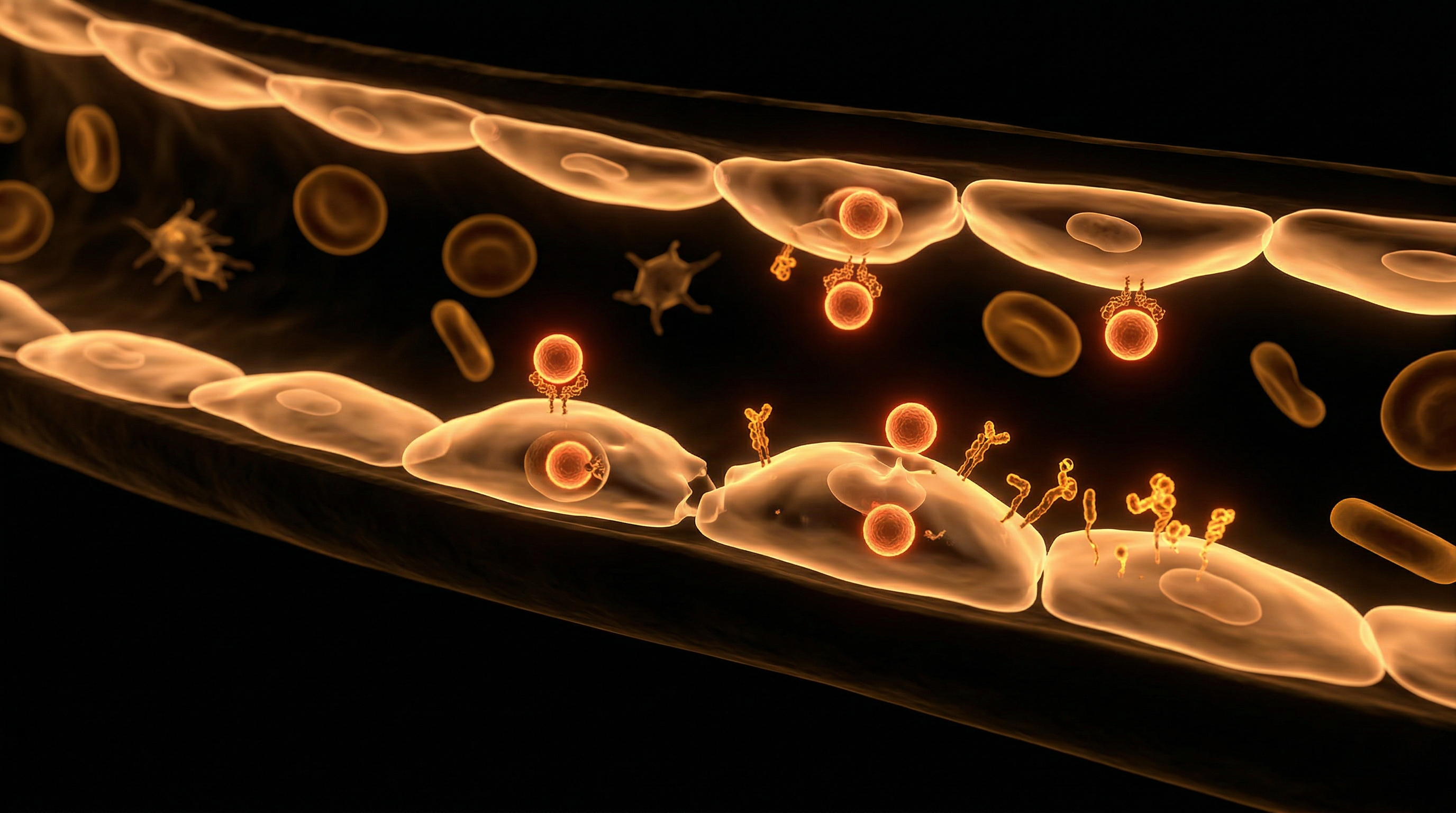
Investigating the mechanical and chemical impact of vaccine particles on the endothelial lining. We discuss the potential for micro-clotting and vascular inflammation.
Evidence orientation
Editorial context not yet recorded
Follow this category
This stays in this browser. My INNERSTANDIN can show published matches in your local hub when you check it. It does not send email, push, or alert notifications.
Local learning review
A private browser aid for revisiting ideas. It is not an alert or a health recommendation.
Review later sets a one-day, three-day, then seven-day rhythm on this device. Choose it only when you want to revisit this article.
Overview
In the realm of modern vaccinology, the narrative has long been dominated by the efficacy of the immune response, often at the expense of a granular understanding of systemic distribution and the mechanical integrity of the vascular system. As a senior biological researcher for INNERSTANDING, it is imperative to dissect the physiological reality that occurs beneath the skin once a needle penetrates the deltoid. We are currently witnessing an unprecedented era of cardiovascular pathology, one that necessitates a deep dive into the endothelium—the delicate, single-cell thick lining that governs the health of every organ in the human body.
The transition from traditional protein-subunit vaccines to genetic platforms (mRNA and adenoviral vectors) has introduced a novel variable: the systemic circulation of Lipid Nanoparticles (LNPs) and the subsequent endogenous production of the SARS-CoV-2 Spike protein. While the public was assured these components would remain localised at the injection site, forensic biodistribution data suggests otherwise. This article investigates the profound mechanical and chemical impact of these particles on the endothelial lining, exploring the mechanisms of micro-clotting, vasculitis, and the catastrophic disruption of vascular homeostasis.
Fact: The human vascular system stretches over 60,000 miles. If the endothelial lining—which covers this entire surface area—is compromised, the result is not a localised injury, but a systemic multi-organ crisis.
The Biology — How It Works
To understand the damage, one must first appreciate the elegance of the healthy vascular system. The endothelium is not merely a "wallpaper" for blood vessels; it is the largest endocrine organ in the body. It regulates blood pressure, controls the passage of nutrients, and, crucially, maintains a non-thrombogenic (anti-clotting) surface.
The Glycocalyx: The First Line of Defence
The surface of the endothelial cell is coated with a microscopic, hair-like forest of sugar-chains and proteins called the endothelial glycocalyx.
- It acts as a physical barrier, preventing blood cells and platelets from touching the vessel wall.
- It senses sheer stress (the flow of blood) and signals the production of Nitric Oxide (NO), which relaxes the vessel.
- When this layer is "shaved" off by inflammatory particles or high-pressure chemical interactions, the underlying vessel becomes "sticky," prone to inflammation and clotting.
Systemic Distribution vs. Local Sequestration
The foundational premise of the recent mass vaccination campaigns was that the vaccine stayed in the muscle. However, independent analysis and regulatory documents (such as the Pfizer non-clinical overview submitted to the Japanese PMDA) revealed that LNPs enter the lymphatic system and the bloodstream within hours. Once in circulation, these particles have an affinity for highly vascularised organs: the liver, the spleen, the ovaries, and the heart.
The interaction is twofold:
- Mechanical Impact: The physical presence of synthetic nanoparticles in the capillary beds.
- Chemical/Genetic Impact: The transfection of endothelial cells, forcing them to express the Spike protein on their surface.
Mechanisms at the Cellular Level
When we look at the cellular level, the interaction between vaccine particles and the blood vessel is a violent departure from normal physiology.
LNP-Induced Cytotoxicity
The Lipid Nanoparticles used to encapsulate mRNA are not inert. They are often composed of cationic (positively charged) lipids. In biological systems, highly charged synthetic lipids can disrupt the negatively charged cell membranes. This process, known as membrane destabilisation, can lead to cell death or the release of pro-inflammatory signals (cytokines) before any "instruction" has even been read by the cell’s ribosomes.
The Spike Protein as a Cardiotoxin
The Spike protein (specifically the S1 subunit) is not just an inert "key" to the cell; it is a biologically active toxin.
- ACE2 Binding: The Spike protein binds to Angiotensin-Converting Enzyme 2 (ACE2) receptors, which are prevalent on endothelial cells.
- Downregulation: When Spike binds to ACE2, it effectively "uses up" the receptor, leading to a decrease in ACE2 activity. This causes an accumulation of Angiotensin II, a potent vasoconstrictor that promotes inflammation, fibrosis, and oxidative stress.
- Molecular Mimicry: There is a significant risk of the immune system attacking the endothelial cells because they are now presenting a "foreign" protein on their surface. This is a classic "Trojan Horse" scenario where the body’s own defence mechanism—the T-cells—attacks the lining of the blood vessels.
The ADAM17 Pathway
Binding of the Spike protein to the endothelium can activate an enzyme called ADAM17. This enzyme "sheds" proteins from the cell surface, including the ACE2 receptor itself and various inflammatory triggers. This shedding contributes to the systemic "cytokine storm" and further degrades the protective glycocalyx.
Statistic: Studies have shown that the Spike protein alone, without the presence of a virus, can damage endothelial cells by downregulating ACE2 and inhibiting mitochondrial function.
Environmental Threats and Biological Disruptors
While the primary focus is the vaccine particle, we must consider the synergistic toxicity of the modern environment. The vascular system is already under siege from various factors, which may lower the threshold for vaccine-induced damage.
- Microplastics: Modern blood samples frequently contain microplastics, which can mechanically abrade the endothelium, making the impact of LNPs more severe.
- Electromagnetic Fields (EMFs): There is emerging evidence that non-ionising radiation can influence voltage-gated calcium channels in the vascular wall, potentially exacerbating the oxidative stress caused by Spike protein interaction.
- Metabolic Dysfunction: Individuals with high blood sugar (hyperglycaemia) already have a compromised glycocalyx. When these individuals receive an LNP-based injection, the "insult" to the vascular system is compounded, explaining the higher rate of adverse events in those with pre-existing metabolic conditions.
The Cascade: From Exposure to Disease
The progression from the injection of particles to clinical disease (like strokes, heart attacks, or "sudden death") follows a predictable, albeit tragic, biological cascade.
Stage 1: Endothelial Activation and Sludging
Immediately following the entry of particles into the bloodstream, the endothelium becomes "activated." It expresses adhesion molecules (like VCAM-1) that catch passing white blood cells. The blood flow begins to slow in the micro-capillaries—a phenomenon sometimes referred to as "sludging."
Stage 2: The Formation of Micro-clots
Unlike traditional blood clots, which are primarily held together by a mesh of fibrin that can be broken down by the body (fibrinolysis), the clots observed in the context of Spike protein exposure are different.
- Amyloid-like Fibrin: Research, notably by Professor Resia Pretorius, has identified "micro-clots" that are resistant to normal breakdown. These contain misfolded proteins and are highly inflammatory.
- Platelet Activation: The Spike protein can directly activate platelets, the small cells responsible for clotting. When platelets encounter "shaved" endothelium (lacking the glycocalyx), they aggregate rapidly.
Stage 3: Complement Activation and NETosis
The immune system's "complement" pathway—a series of proteins designed to punch holes in bacteria—can be erroneously activated against the vessel wall. Simultaneously, neutrophils (white blood cells) may release Neutrophil Extracellular Traps (NETs). While intended to trap pathogens, in the confined space of a blood vessel, NETs contribute to a thick, fibrous sludge that blocks micro-circulation.
Stage 4: Hypoxia and Organ Damage
As micro-circulation is choked off by these "amyloid-like" clots, the tissues downstream are deprived of oxygen (hypoxia). This is particularly dangerous in the heart and brain, which have high oxygen demands and limited regenerative capacity. This explains the rise in myocarditis (heart inflammation) and neurological deficits reported post-vaccination.
What the Mainstream Narrative Omits
The corporate and governmental communication regarding vaccine safety has suffered from what can only be described as "wilful blindness" regarding vascular dynamics.
The Fallacy of "Localised Injection"
The mainstream narrative continues to insist that the mRNA remains in the deltoid muscle. This ignores the basic principles of pharmacokinetics. Anything injected into the interstitial space of a muscle will eventually be picked up by the lymphatic system or enter the bloodstream through the rich capillary network of the muscle.
The Persistence of Spike Protein
Initial claims stated that the mRNA and the resulting Spike protein would disappear within days. However, independent pathology and studies (such as the one by Brogna et al., 2023) have detected Spike protein in the blood of vaccinated individuals for weeks or even months after injection. The continuous production of a cardiotoxin in the vascular compartment is a recipe for chronic endothelial dysfunction.
Subclinical Myocarditis
The "rare" label applied to heart inflammation is misleading. When researchers have performed prospective studies—checking blood markers like Troponin (a sign of heart muscle death) in everyone before and after vaccination—the rates of subclinical (asymptomatic) heart damage are orders of magnitude higher than the "hospitalised" cases reported in the news.
Callout: In a Swiss study of healthcare workers, approximately 1 in 35 individuals showed elevated troponin levels post-mRNA vaccination, indicating some level of myocardial injury.
The UK Context
In the United Kingdom, the deployment of these technologies was carried out with unprecedented speed under the oversight of the Medicines and Healthcare products Regulatory Agency (MHRA).
- The Yellow Card Scheme: The UK’s passive reporting system has been overwhelmed with reports of cardiovascular adverse events. Critics argue that the MHRA has failed to "signal" the obvious link between the vascular mechanisms described above and the surge in excess deaths.
- AstraZeneca vs. mRNA: The UK was a primary site for the rollout of the Oxford-AstraZeneca adenoviral vector vaccine. This platform was eventually restricted due to VITT (Vaccine-induced Immune Thrombotic Thrombocytopenia)—a severe clotting disorder. However, the underlying mechanism—the interaction of the Spike protein with the endothelium—is a "class effect" shared by the mRNA platforms that replaced it.
- The ONS Data Crisis: The Office for National Statistics (ONS) has faced intense scrutiny regarding how "excess deaths" are calculated. Many independent analysts point to a sustained trend of non-COVID cardiovascular deaths in the UK that correlates with the timing of booster campaigns.
The UK medical establishment remains largely hesitant to investigate the micro-clotting phenomenon, leaving thousands of "Long Vax" sufferers without a diagnostic pathway or targeted treatment within the NHS.
Protective Measures and Recovery Protocols
For those concerned about vascular integrity post-exposure, the focus must be on restoring the endothelium and dissolving micro-clots. (Note: Consult with a medical professional before starting any protocol).
Fibrinolytic Enzymes
The most promising area of recovery involves enzymes that can break down the "indestructible" fibrinoid clots:
- Nattokinase: Derived from fermented soy, this enzyme has shown an ability to degrade the Spike protein and dissolve fibrin in in vitro studies.
- Lumbrokinase: A more potent fibrinolytic enzyme derived from earthworms, capable of breaking down stubborn clots without excessive bleeding risk.
- Serrapeptase: Helps reduce inflammation and digest non-living tissue in the body.
Restoring the Glycocalyx
To "regrow" the protective lining of the blood vessels:
- Rhamnan Sulphate: A specialised seaweed extract shown to support the endothelial glycocalyx.
- Glucosamine and Chondroitin: The building blocks of the sugar-chains that make up the glycocalyx "forest."
Anti-inflammatory and Antioxidant Support
- Glutathione: The body's "master antioxidant" is essential for protecting endothelial cells from oxidative stress.
- NAC (N-Acetyl Cysteine): A precursor to glutathione that also has mild blood-thinning properties.
- Vitamin C and Quercetin: To stabilise the cell membranes and reduce the "leakiness" of the vessels.
Autophagy Stimulation
The body has a natural "rubbish disposal" system called autophagy.
- Intermittent Fasting: Can stimulate the breakdown of misfolded proteins and damaged cellular components (including potentially the Spike protein).
- Spermidine: A compound found in aged cheese and wheat germ that promotes cellular renewal.
Summary: Key Takeaways
The interaction between vaccine-generated particles and the human vascular system is a complex, multi-faceted assault on the body's most critical infrastructure: the endothelium.
- Systemic, Not Local: The evidence is clear—vaccine particles distribute throughout the body, reaching the bloodstream and vital organs.
- Mechanical and Chemical Trauma: LNPs and the Spike protein work in tandem to strip the endothelial glycocalyx, downregulate ACE2, and induce oxidative stress.
- The Micro-clot Crisis: The formation of "amyloid-like" micro-clots, resistant to natural breakdown, provides a biological explanation for the rise in strokes, heart attacks, and systemic fatigue.
- Regulatory Failure: Agencies like the MHRA have prioritised the "safe and effective" narrative over the emerging mechanical reality of vascular damage.
- A Path Forward: Recovery is possible through a focus on proteolytic enzymes, glycocalyx repair, and the stimulation of autophagy.
As researchers, we must move beyond the simplified models of immunology and embrace the "Vascular-First" perspective. Only by acknowledging the damage done to the endothelial lining can we begin to address the burgeoning public health crisis of vaccine-induced vasculopathy. The "slickness" of our blood vessels is the very foundation of our life force; we cannot afford to let it be compromised by experimental biotechnology.
"References & Further Reading (Conceptual):"
- Pretorius, R., et al. (2021). "Combined triple-fluorescence and scanning electron microscopy of fibrin(ogen) in COVID-19 and its role in microclots."
- Brogna, C., et al. (2023). "Detection of recombinant Spike protein in the blood of individuals vaccinated against SARS-CoV-2."
- Lei, Y., et al. (2021). "SARS-CoV-2 Spike Protein Impairs Endothelial Function via Downregulation of ACE 2."
- Nyström, S., & Hammarström, P. (2022). "Amyloidogenesis of SARS-CoV-2 Spike Protein."
This article is provided for informational and educational purposes only. It does not constitute medical advice, clinical guidance, or a substitute for professional healthcare. Information reflects cited research at time of publication. Always consult a qualified healthcare professional before acting on any health information.
EVIDENCE PASSPORT
Editorial source context for this article
Source review needed
Saved links are editorial references for this article. They may support specific claims rather than every sentence. Open and assess each source in context. This passport does not independently verify them.
Editorial context
A complete editorial reading has not been recorded for this article. Source links remain available for you to open and assess directly.
Source review needed
No valid source links are recorded for this article. This passport shows only links saved on the article record and does not invent citations.
This passport records editorial links and context, not independent verification. Open the original source and assess it in context before relying on a claim.
Medical Disclaimer
The information in this article is for educational purposes only and does not constitute medical advice, diagnosis, or treatment. Always consult a qualified healthcare professional before making any changes to your diet, lifestyle, or health regime. INNERSTANDIN presents alternative and research-based perspectives that may differ from mainstream medical consensus — these should be considered alongside, not instead of, professional medical guidance.
Read Full DisclaimerContinue the thread
Keep this question moving.
Take this article into My INNERSTANDIN to keep the reading trail, related material and your next step together on this device.
Explore this in the Body Map
See where this hits your biology. Interactive anatomy, threats, and protective protocols.