Xenobiotic Burden and MTHFR: How Environmental Toxins Compromise the Methylation Cycle
Discuss this resourceUpdated August 2026
An in-depth exploration of how environmental pollutants and chemical exposures tax the MTHFR-dependent methylation cycle, leading to systemic health issues and reduced detoxification capacity.
Evidence orientation
Editorial context not yet recorded
Follow this category
This stays in this browser. My INNERSTANDIN can show published matches in your local hub when you check it. It does not send email, push, or alert notifications.
Local learning review
A private browser aid for revisiting ideas. It is not an alert or a health recommendation.
Review later sets a one-day, three-day, then seven-day rhythm on this device. Choose it only when you want to revisit this article.
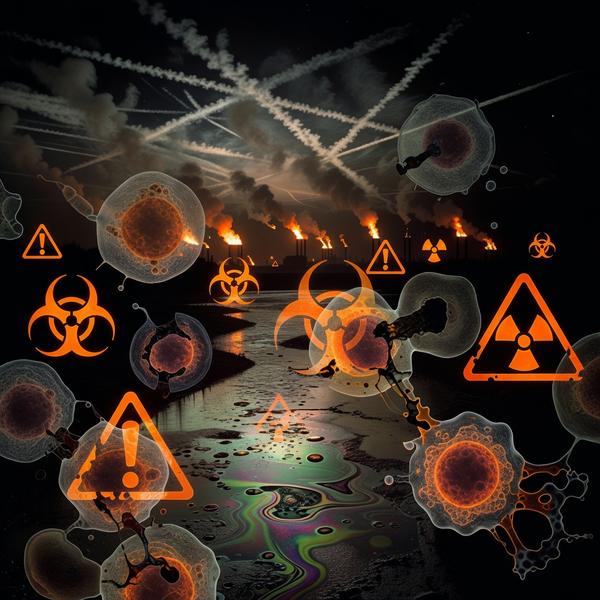
The Invisible Load: Xenobiotics and Your Biology. In the modern era, our bodies are subjected to an unprecedented array of synthetic chemicals, known as xenobiotics. From plasticizers like BPA and phthalates to heavy metals like mercury and lead, and common pesticides, these compounds are not biologically neutral. For individuals with MTHFR (Methylenetetrahydrofolate reductase) genetic variations, these environmental stressors represent more than just a nuisance—they are a direct inhibitor of critical physiological pathways, most notably the methylation cycle. ### What is the Methylation Cycle? Methylation is a biochemical process occurring billions of times per second in every cell of your body.
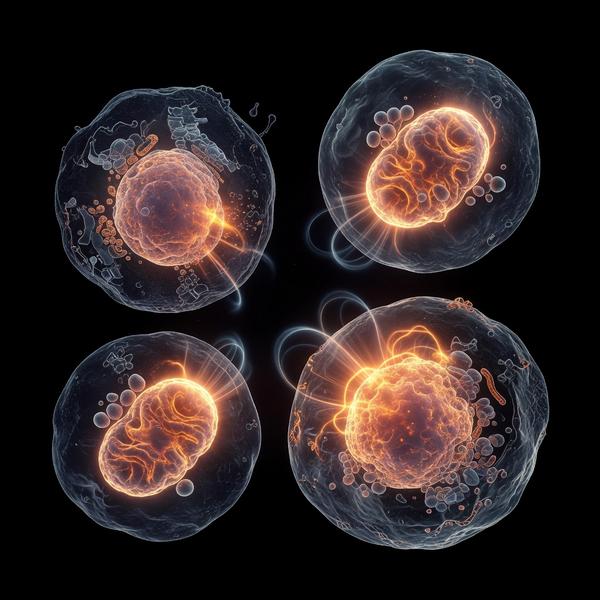
It involves the transfer of a methyl group (a carbon atom attached to three hydrogen atoms) to various substrates. It is the engine behind DNA repair, neurotransmitter production, detoxification, and the regulation of gene expression. MTHFR acts as a gatekeeper, converting folate into its active form, 5-MTHF, which is required to recycle homocysteine back into methionine. ### The Collision Course: MTHFR and Toxins. When an individual carries an MTHFR variant, the enzyme's efficiency is reduced. This inherently limits the body's 'methylation currency.' When you add a heavy xenobiotic burden into the mix, the system reaches a breaking point.
Detoxification pathways, specifically Phase II liver detoxification, rely heavily on methylation. For instance, the detoxification of heavy metals and estrogen requires adequate methylation. If MTHFR is compromised, the body cannot generate enough S-adenosylmethionine (SAMe), the primary methyl donor. Without SAMe, the liver struggles to conjugate toxins, leading to their bioaccumulation in fatty tissues and neurological structures. ### The Feedback Loop of Oxidative Stress. Xenobiotics trigger the production of reactive oxygen species (ROS).
To combat ROS, the body utilizes glutathione, the body's 'master antioxidant.' Glutathione synthesis is a downstream product of the transsulfuration pathway, which branches off from the methylation cycle. If the methylation cycle is already struggling to convert homocysteine to methionine, the transsulfuration pathway slows down. This leaves the body deficient in glutathione, rendering it even more vulnerable to the oxidative damage caused by the initial xenobiotic exposure. It is a vicious cycle where toxin exposure exhausts methyl donors, and reduced methylation prevents the production of the very antioxidants needed to neutralize toxins. ### Recognizing the Symptoms. The impact of a burdened methylation cycle is systemic.
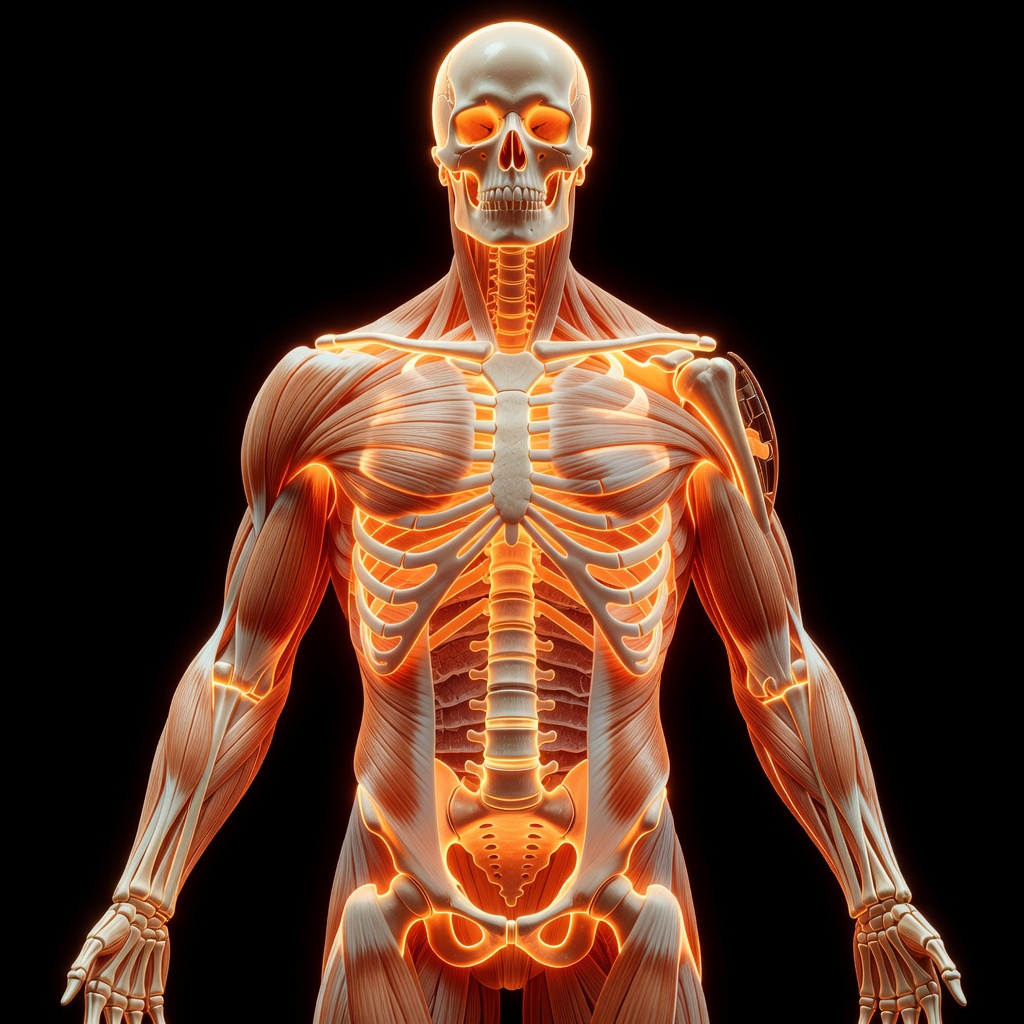
Common indicators include chronic fatigue, unexplained brain fog, mood fluctuations (due to impaired neurotransmitter synthesis), heightened chemical sensitivities, and elevated homocysteine levels. Over time, this burden is linked to chronic inflammatory conditions, autoimmune challenges, and cardiovascular strain. ### Strategies for Mitigating the Burden. 1. Source Control: Minimize exposure by filtering water, choosing organic produce, and swapping plastics for glass or stainless steel. 2. Nutritional Support: Focus on folate-rich whole foods, though individuals with specific MTHFR variants should consult a practitioner regarding methylated B-vitamins. 3. Gut Health: A healthy microbiome assists in the excretion of toxins and the synthesis of B vitamins. 4.
Targeted Detoxification: Support liver pathways with cruciferous vegetables (sulforaphane) and gentle binders like activated charcoal or chlorella, but only under expert guidance to ensure pathways are open for elimination. By addressing both the genetic predisposition of MTHFR and the environmental load of xenobiotics, we can restore the body's innate ability to repair, balance, and thrive.
This article is provided for informational and educational purposes only. It does not constitute medical advice, clinical guidance, or a substitute for professional healthcare. Information reflects cited research at time of publication. Always consult a qualified healthcare professional before acting on any health information.
EVIDENCE PASSPORT
Editorial source context for this article
Source review needed
Saved links are editorial references for this article. They may support specific claims rather than every sentence. Open and assess each source in context. This passport does not independently verify them.
Editorial context
A complete editorial reading has not been recorded for this article, and no source links are saved on its record.
Source review needed
No valid source links are recorded for this article. Supplementary research, where available, is listed separately below.
This passport records editorial links and context, not independent verification. Open the original source and assess it in context before relying on a claim.
Medical Disclaimer
The information in this article is for educational purposes only and does not constitute medical advice, diagnosis, or treatment. Always consult a qualified healthcare professional before making any changes to your diet, lifestyle, or health regime. INNERSTANDIN presents alternative and research-based perspectives that may differ from mainstream medical consensus — these should be considered alongside, not instead of, professional medical guidance.
Read Full DisclaimerContinue the thread
Keep this question moving.
Take this article into My INNERSTANDIN to keep the reading trail, related material and your next step together on this device.
Explore this in the Body Map
Explore related body structures and their educational pages in the interactive Body Map.
Dig deeper in the Library
Free, longform PDF volumes that go beyond headlines into mechanisms and references.
RABBIT HOLE
Follow the biological thread deeper