
Xenobiotic Metabolism: How the Liver Filters Environmental Pollutants
Updated April 2026
Evidence orientation
Editorial context not yet recorded
Follow this category
This stays in this browser. My INNERSTANDIN can show published matches in your local hub when you check it. It does not send email, push, or alert notifications.
Local learning review
A private browser aid for revisiting ideas. It is not an alert or a health recommendation.
Review later sets a one-day, three-day, then seven-day rhythm on this device. Choose it only when you want to revisit this article.
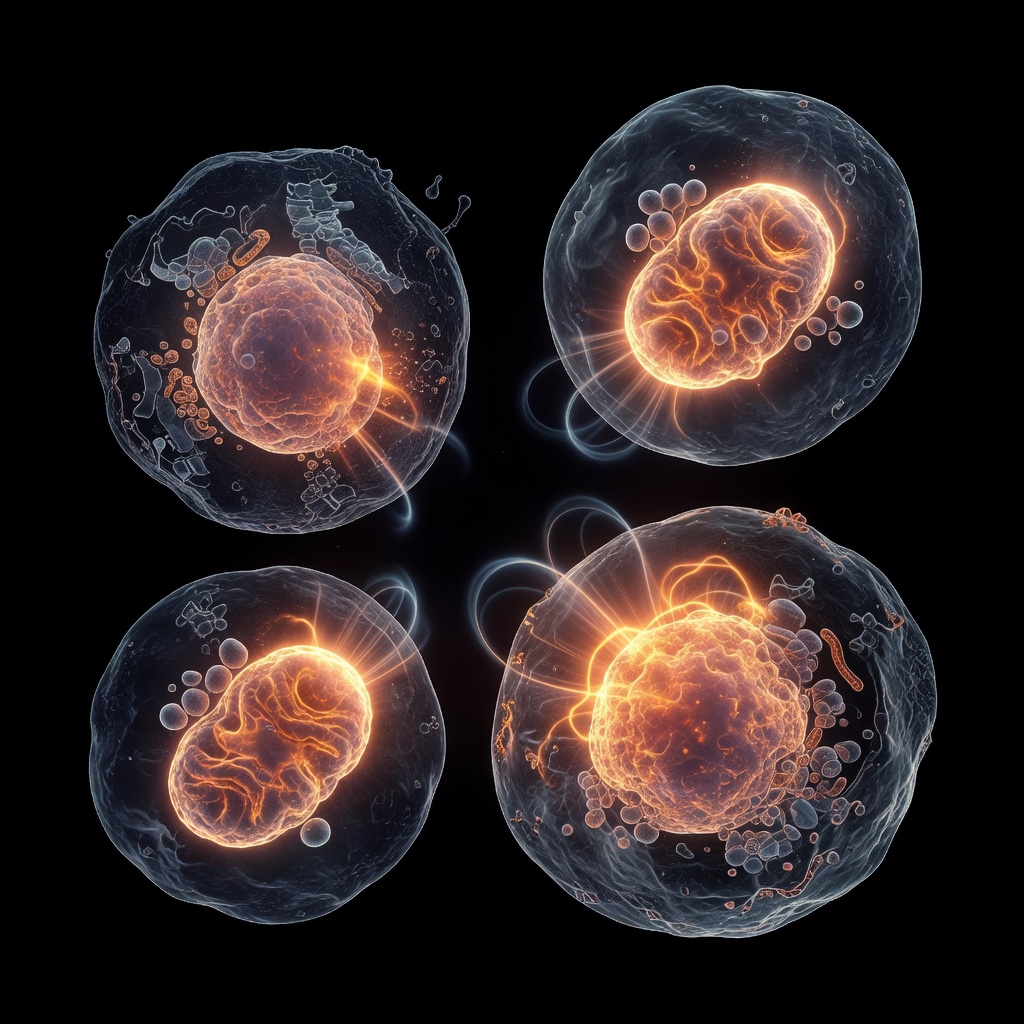
In the modern age, we exist within a complex, invisible chemical landscape. From the moment we wake up—inhaling microparticles in urban air, absorbing synthetic compounds from personal care products, and ingesting pesticide residues on our food—our bodies are under constant chemical siege. At the centre of this biological defence system stands the liver: a masterful "silent alchemist" that performs thousands of biochemical transmutations every second.
This process is known as xenobiotic metabolism. To truly "innerstand" our health, we must move beyond surface-level "detox" trends and examine the rigorous biological mechanisms that allow the liver to identify, neutralise, and expel environmental pollutants.
Understanding Xenobiotics: Foreign Substances in a Synthetic World
The term xenobiotic (from the Greek xenos, meaning "stranger" or "foreign") refers to any chemical substance found within an organism that is not naturally produced by or expected to be present within that organism. While this includes pharmaceutical drugs, it increasingly refers to the "chemical soup" of the 21st century: industrial solvents, heavy metals, plasticisers, and synthetic fertilisers.
The liver does not merely act as a passive filter, like a sieve in a sink. Instead, it is a sophisticated chemical processing plant. Its primary objective is to convert lipophilic (fat-soluble) toxins—which the body cannot easily excrete—into hydrophilic (water-soluble) compounds that can be safely eliminated through urine or bile.
Key Fact: Over 80,000 synthetic chemicals have been introduced into the global market since the Industrial Revolution, many of which have never been fully tested for their long-term impact on human hepatic (liver) function.
The Biological Mechanisms: The Three Phases of Hepatic Defence
The liver’s approach to neutralising pollutants is a highly coordinated, three-phase operation. Understanding these phases is crucial because a bottleneck in any single stage can lead to the accumulation of toxic intermediates, causing systemic inflammation and cellular damage.
Phase I: Modification and the Cytochrome P450 System
The first line of biochemical defence involves the Cytochrome P450 (CYP450) enzyme superfamily. These enzymes reside primarily in the endoplasmic reticulum of liver cells (hepatocytes). In Phase I, the liver uses oxygen and various enzymes to "unmask" or add a functional group (such as a hydroxyl group) to the xenobiotic.
This process, often involving oxidation, reduction, or hydrolysis, makes the molecule more chemically reactive. Ironically, the metabolites produced in Phase I are often more toxic and volatile than the original pollutant. These are known as reactive oxygen species (ROS) or free radicals.
Phase II: Conjugation – The Safety Net
To neutralise the volatile intermediates created in Phase I, the liver initiates Phase II: Conjugation. During this stage, the liver attaches a specific molecule (a "conjugate") to the toxic intermediate, rendering it water-soluble and inert. Key pathways include:
- Glucuronidation: The most common pathway, using glucuronic acid to neutralise plastics (BPA) and many drugs.
- Glutathione Conjugation: Utilising glutathione—the body's master antioxidant—to neutralise heavy metals and organic pollutants.
- Sulfation: Essential for processing steroid hormones and neurotransmitters, as well as environmental phenols.
Phase III: Excretion and the Role of Bile
Once the toxin is conjugated and water-soluble, it must be exported from the cell. This is Phase III. The liver pumps these neutralised compounds into one of two exits: the bloodstream (for the kidneys to filter into urine) or the bile canaliculi.
Bile metabolism is the unsung hero of xenobiotic clearance. If bile flow is sluggish or "sludgy" (cholestasis), toxins cannot be moved into the intestines for excretion. Instead, they can be reabsorbed into the blood via the "enterohepatic circulation," leading to a toxic loop that burdens the liver repeatedly.
The UK Context: A Landscape of Invisible Hazards
In the United Kingdom, the relevance of xenobiotic metabolism has never been higher. Despite stringent regulations compared to some regions, the British public faces unique environmental challenges that tax the liver’s metabolic capacity daily.
Urban Air Quality
Major UK cities, particularly London, Birmingham, and Manchester, frequently grapple with high levels of nitrogen dioxide (NO2) and particulate matter (PM2.5). These microscopic pollutants enter the bloodstream through the lungs and are eventually routed to the liver. Chronic exposure to urban air pollution has been linked to an increased risk of Non-Alcoholic Fatty Liver Disease (NAFLD), as the liver struggles to process the oxidative stress caused by inhaled xenobiotics.
The "Forever Chemical" Crisis
The UK’s waterways have recently come under scrutiny for high levels of PFAS (per- and polyfluoroalkyl substances). Often called "forever chemicals" because they do not break down in the environment, PFAS are highly lipophilic. They settle in the fatty tissues of the liver, interfering with lipid metabolism and demanding constant Phase I and II activity, which can deplete the liver's nutrient reserves over time.
Post-Brexit Food Standards
As the UK navigates its own independent food safety regulations, there is ongoing debate regarding the use of pesticides such as glyphosate. These agricultural xenobiotics are known to inhibit the Cytochrome P450 enzymes, effectively "handcuffing" the liver and making it less efficient at processing other environmental toxins.
Environmental Factors: The Primary Culprits
To protect the liver, we must identify the specific xenobiotics that pose the greatest metabolic burden.
- Endocrine Disruptors (EDCs): Found in plastic linings (BPA), receipts, and phthalates in fragrances. These mimic hormones, confusing the liver’s regulatory pathways.
- Heavy Metals: Lead from old piping, cadmium from cigarette smoke, and mercury from certain large fish. These require immense amounts of glutathione for conjugation.
- Volatile Organic Compounds (VOCs): Emitted by new furniture, carpets, and conventional cleaning products. These "off-gassing" chemicals are inhaled and processed by the liver 24/7.
- Microplastics: Recent studies have detected microplastics in human blood and liver tissue. The liver attempts to break these down, but their physical structure and chemical additives create a dual-layered metabolic challenge.
Truth-Exposing Insight: Many "liver cleanses" sold in health shops focus on laxatives. However, true detoxification is a molecular process. If you do not provide the liver with the specific amino acids and minerals required for Phase II Conjugation, you are merely irritating the bowel while the toxins remain lodged in your hepatic tissue.
Protective Strategies: Supporting the Liver’s Alchemical Work
Innerstanding liver health requires a move away from "quick fixes" towards a lifestyle that reduces xenobiotic load and provides the raw materials for metabolic efficiency.
1. Nutritional Substrates for Phase II
Since Phase II conjugation involves attaching a molecule to a toxin, you must have an adequate supply of those "attachable" molecules:
- Sulfur-Rich Foods: Garlic, onions, and cruciferous vegetables (broccoli, Brussels sprouts, kale) provide the sulfur needed for sulfation.
- Glutathione Precursors: Foods high in cysteine, such as eggs and whey protein, or supplements like N-Acetyl Cysteine (NAC), help maintain the body's most important detoxifying antioxidant.
- Amino Acids: Glycine and taurine are essential for the conjugation of bile acids and many environmental pollutants.
2. Enhancing Bile Flow
Without healthy bile metabolism, the entire xenobiotic clearance system stalls.
- Bitter Herbs: Dandelion root, milk thistle, and artichoke extract stimulate the production and flow of bile.
- Hydration: Bile is 95% water. Chronic dehydration leads to thick, toxic bile that inhibits Phase III excretion.
- Fibre Consumption: Soluble fibre (found in oats, beans, and apples) binds to conjugated toxins in the gut, ensuring they are carried out of the body rather than reabsorbed.
3. Reducing the "Body Burden"
The most effective way to help the liver is to reduce the volume of "strangers" it has to process:
- Water Filtration: Use high-quality filters to remove PFAS and heavy metals from tap water.
- Plastic-Free Living: Switch to glass or stainless steel for food storage to reduce BPA and phthalate intake.
- Organic Choice: Where possible, choose organic for the "Dirty Dozen" (fruits and vegetables most contaminated with pesticides) to reduce the CYP450 enzyme burden.
Key Takeaways for Innerstanding
- The Liver is a Transmuter: It doesn't just "filter" blood; it chemically alters fat-soluble pollutants into water-soluble waste through a complex three-phase process.
- Phase I can be Dangerous: The modification of toxins often creates highly reactive intermediates. Antioxidants are essential to protect the liver during this transition.
- Bile is the Exit Route: Phase III relies on bile flow. If your bile metabolism is compromised, your body will recirculate environmental pollutants.
- Modern Context Matters: Residents of the UK face specific challenges from urban air pollution and "forever chemicals" in the water table, making liver support a necessity, not an option.
- Support, Don't "Cleanse": Forget the juices. Focus on providing the liver with sulfur, amino acids, and hydration to fuel its natural, sophisticated alchemical processes.
The liver’s ability to manage xenobiotics is one of the most remarkable feats of biological engineering. By understanding and respecting this process, we move from being passive victims of an industrialised environment to active stewards of our own internal chemistry. True health begins with the innerstanding of how our body meets the modern world at the molecular level.
This article is provided for informational and educational purposes only. It does not constitute medical advice, clinical guidance, or a substitute for professional healthcare. Information reflects cited research at time of publication. Always consult a qualified healthcare professional before acting on any health information.
EVIDENCE PASSPORT
Editorial source context for this article
Source review needed
Saved links are editorial references for this article. They may support specific claims rather than every sentence. Open and assess each source in context. This passport does not independently verify them.
Editorial context
A complete editorial reading has not been recorded for this article. Source links remain available for you to open and assess directly.
Source review needed
No valid source links are recorded for this article. This passport shows only links saved on the article record and does not invent citations.
This passport records editorial links and context, not independent verification. Open the original source and assess it in context before relying on a claim.
Medical Disclaimer
The information in this article is for educational purposes only and does not constitute medical advice, diagnosis, or treatment. Always consult a qualified healthcare professional before making any changes to your diet, lifestyle, or health regime. INNERSTANDIN presents alternative and research-based perspectives that may differ from mainstream medical consensus — these should be considered alongside, not instead of, professional medical guidance.
Read Full DisclaimerContinue the thread
Keep this question moving.
Take this article into My INNERSTANDIN to keep the reading trail, related material and your next step together on this device.
Explore this in the Body Map
See where this hits your biology. Interactive anatomy, threats, and protective protocols.