
Xenobiotic Metabolism in Melanocytes: Understanding the Protective Role of Eumelanin
Updated April 2026
Evidence orientation
Editorial context not yet recorded
Follow this category
This stays in this browser. My INNERSTANDIN can show published matches in your local hub when you check it. It does not send email, push, or alert notifications.
Local learning review
A private browser aid for revisiting ideas. It is not an alert or a health recommendation.
Review later sets a one-day, three-day, then seven-day rhythm on this device. Choose it only when you want to revisit this article.
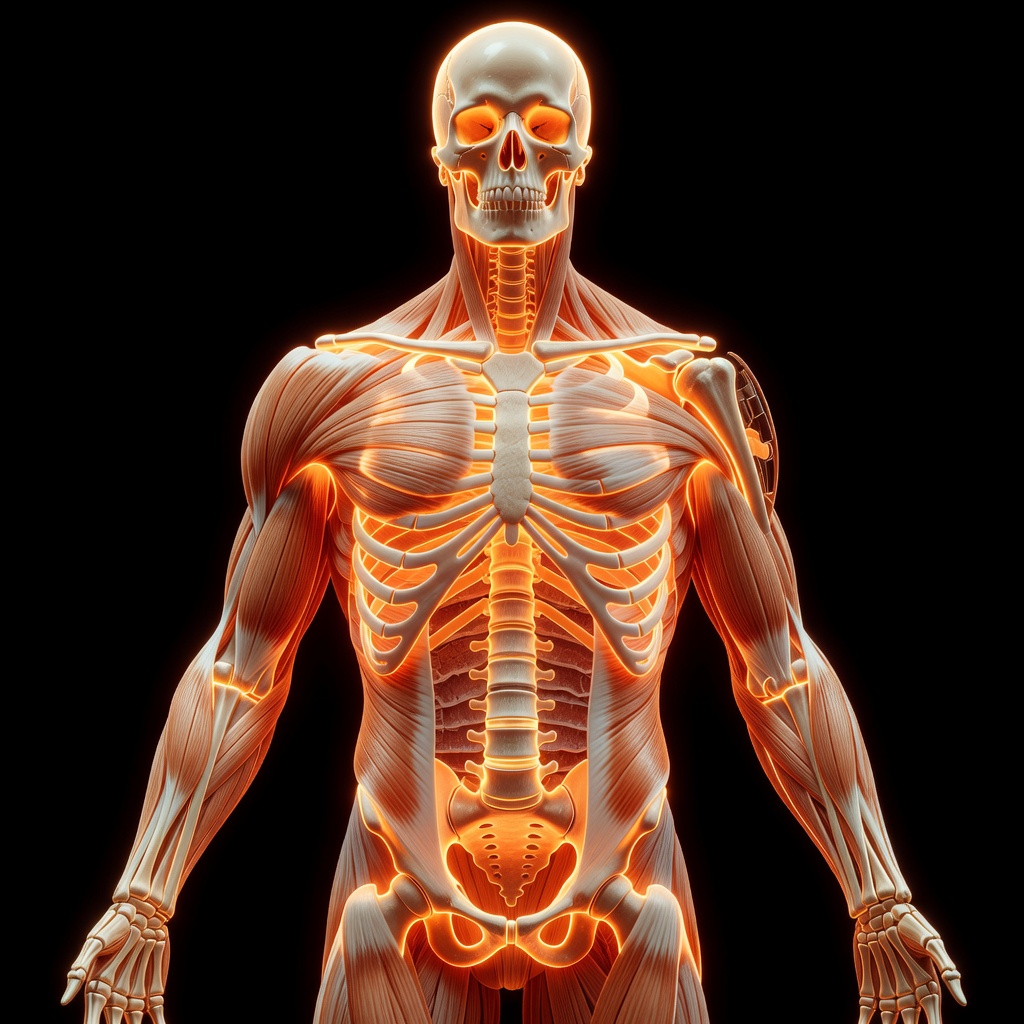
In the contemporary landscape of health and wellness, we often discuss the "skin barrier" as a physical wall—a simple mechanical defence against the outside world. However, a deeper innerstanding reveals that our skin is not merely a wrapping, but a sophisticated, metabolically active interface. At the heart of this interface lies the melanocyte, and within it, the biological polymer known as Eumelanin.
While traditional dermatology has long categorised melanin primarily as a "pigment" responsible for skin colour and UV protection, cutting-edge toxicology reveals a much more profound function. Melanocytes are, in fact, "peripheral outposts" of the body’s detoxification system, capable of Xenobiotic Metabolism. This article explores the hidden truth of how Eumelanin serves as a sacrificial shield and a metabolic filter against the onslaught of modern environmental toxins.
The Overview: What is Xenobiotic Metabolism?
The term Xenobiotic originates from the Greek xenos (stranger) and bios (life). It refers to chemical substances found within an organism that are not naturally produced or expected to be present within it. This includes synthetic drugs, environmental pollutants, industrial chemicals, heavy metals, and food additives.
Xenobiotic Metabolism is the biochemical process by which the body transforms these foreign, often lipophilic (fat-soluble) compounds into hydrophilic (water-soluble) derivatives that can be easily excreted. While the liver is the primary seat of this process, the skin—specifically the melanocyte—plays a vital, yet overlooked, role.
Key Fact: Melanocytes possess their own suite of Phase I and Phase II detoxification enzymes, similar to those found in the liver, allowing the skin to neutralise toxins before they reach the systemic circulation.
In this context, Eumelanin (the brown-to-black pigment) is not just a shade of skin; it is a high-capacity, multifunctional biopolymer that acts as a scavenger of free radicals and a "molecular sponge" for toxic cations.
Biological Mechanisms: The Melanocyte as a Detoxification Hub
To truly grasp how the skin protects the internal environment, we must look at the intracellular machinery of the melanocyte.
1. The Cytochrome P450 System (Phase I)
Melanocytes express various Cytochrome P450 (CYP) enzymes. These enzymes initiate the oxidation, reduction, or hydrolysis of xenobiotics. By altering the molecular structure of a toxin, the melanocyte prepares it for further neutralisation. However, this process can sometimes create "reactive intermediates"—highly unstable molecules that can damage DNA. This is where the unique properties of Eumelanin become essential.
2. Eumelanin as a Cation Exchanger
Eumelanin is a unique heteropolymer containing numerous carboxyl, phenolic, and amine groups. These chemical groups provide a high density of negatively charged sites. This allows Eumelanin to engage in Ion Exchange, effectively binding to positively charged heavy metals such as Lead (Pb), Mercury (Hg), Cadmium (Cd), and Aluminium (Al).
By sequestering these metals within the melanosome (the "package" containing melanin), the melanocyte prevents them from interfering with cellular enzymes or inducing oxidative stress in deeper tissues.
3. Radical Scavenging and Redox Buffering
Xenobiotic exposure almost always triggers the production of Reactive Oxygen Species (ROS). Eumelanin is an exceptional antioxidant because it contains a stable population of persistent free radicals. It can act as both an electron donor and an electron acceptor, effectively "mopping up" the oxidative fire caused by pollutants like cigarette smoke or diesel exhaust.
4. Sequestration and Transport
Once a xenobiotic is bound to Eumelanin, it is often "locked away." As melanocytes transfer melanosomes to surrounding keratinocytes (skin cells), the toxins are physically moved toward the surface of the skin. Ultimately, as the skin desquamates (peels off), the bound toxins are literally shed from the body. This is a primary, yet rarely discussed, pathway of dermal detoxification.
The UK Context: Modern Environmental Relevance
For those living in the United Kingdom, the relevance of xenobiotic metabolism in the skin has never been higher. Despite the "Clean Air" acts of the 20th century, British urban dwellers face a cocktail of "invisible" pollutants.
The "London Smog" of the 21st Century
While the coal smoke of the past is gone, it has been replaced by Particulate Matter (PM2.5) and Nitrogen Dioxide (NO2) from vehicular traffic in cities like London, Manchester, and Birmingham. These microscopic particles can penetrate the skin barrier and enter the melanocytes. Research suggests that PM2.5 significantly increases the "metabolic load" on melanocytes, demanding higher rates of melanin production to compensate for the toxic influx.
Hard Water and Heavy Metals
Many regions of the UK, particularly the South East, are served by "hard water" high in mineral content. More concerningly, aging plumbing infrastructure in many British towns can introduce trace amounts of heavy metals into the domestic water supply. When we bathe, our skin acts as a sponge. Eumelanin is the internal "filter" that prevents these minerals from becoming systemic burdens.
The "Post-Industrial" Skin Burden
The UK’s history as an industrial powerhouse left a legacy of persistent organic pollutants (POPs) in the soil and water. From pesticide runoff in the shires to industrial residues in the North, our melanocytes are constantly working to process these persistent xenobiotics.
Environmental Factors Affecting Melanocyte Health
Several external factors can compromise the ability of melanocytes to perform their protective duties:
- Polycyclic Aromatic Hydrocarbons (PAHs): Found in wood smoke, charred food, and industrial emissions, PAHs are potent triggers for Phase I enzymes. If the body lacks the nutrients to complete Phase II detoxification, these can become carcinogenic.
- Endocrine Disruptors: Chemicals like Phthalates and Parabens, common in many high-street cosmetic brands in the UK, can mimic hormones and disrupt the signalling pathways that regulate melanin production.
- Persistent Microplastics: Recent studies indicate that microplastics can adhere to skin lipids, potentially carrying concentrated xenobiotics into the deeper layers of the epidermis.
- Glyphosate and Agricultural Runoff: For those in rural UK areas, exposure to agricultural chemicals can strain the skin’s metabolic capacity, leading to "toxic overload" manifested as premature ageing or hyperpigmentation.
The Contrast: Eumelanin vs. Pheomelanin
It is critical to distinguish between the two types of melanin.
- Eumelanin (Brown/Black) is highly stable, antioxidant, and protective against xenobiotics.
- Pheomelanin (Red/Yellow) is chemically distinct and can actually be pro-oxidant when exposed to UV light.
Individuals with higher ratios of Pheomelanin (often those with fair skin and red hair) have a reduced capacity for xenobiotic sequestration and are more susceptible to the DNA-damaging effects of environmental toxins. This makes external protective strategies even more vital for these populations.
Protective Strategies: Supporting Your Skin’s Internal Filter
True detoxification is not a "juice cleanse"; it is the biological support of existing cellular pathways. To assist your melanocytes in their role as xenobiotic metabolisers, consider the following:
1. Nutritional Precursors and Co-factors
The enzymes in the skin require specific nutrients to function:
- Sulforaphane: Found in broccoli and kale (staples of the British garden), this compound is a potent inducer of Phase II detoxification enzymes in the skin.
- Glutathione Support: The "master antioxidant" is essential for neutralising the reactive intermediates created during Phase I metabolism. Supplementing with N-Acetyl Cysteine (NAC) or consuming sulphur-rich foods (onions, garlic, eggs) is beneficial.
- Zinc and Selenium: These minerals are crucial co-factors for the antioxidant enzymes (like Superoxide Dismutase) that work alongside melanin.
2. Reducing the "Toxic Load"
Stop the influx to reduce the metabolic demand:
- Filter Your Water: Using a high-quality shower filter in the UK can significantly reduce the intake of chlorine and heavy metals through the skin.
- Clean Skincare: Avoid products containing synthetic fragrances, parabens, and mineral oils, which act as xenobiotics that the melanocytes must then "clean up."
- Topical Antioxidants: Applying Vitamin C and E can act as a "first line" of defence, neutralising ROS before they reach the melanocyte.
3. Infrared and Heat Therapy
Saunas (traditional or infrared) promote circulation to the skin. This assists in the "flushing" of the skin's metabolic byproducts and encourages the healthy turnover of keratinocytes, speeding up the shedding of melanin-bound toxins.
Key Takeaways: The Innerstanding of Eumelanin
"Melanin is not a cosmetic choice of nature; it is a sophisticated metabolic strategy for survival in a chemically complex world."
- Melanocytes are Detox Centres: They are more than pigment-producers; they are metabolic outposts that neutralise foreign chemicals through enzymatic action.
- Eumelanin is a Molecular Shield: Its unique structure allows it to bind and sequester heavy metals and organic pollutants, preventing systemic damage.
- Metabolic Exhaustion: Chronic exposure to UK urban pollution can overwhelm the melanocyte’s capacity, leading to skin conditions and systemic toxic accumulation.
- Holistic Support is Essential: By providing the body with the correct nutritional "building blocks" and reducing environmental exposure, we can preserve the integrity of this vital protective system.
In conclusion, innerstanding the role of Eumelanin in xenobiotic metabolism shifts our perspective from "skincare" to "skin-health-as-detoxification." By respecting and supporting the melanocyte's role as a metabolic filter, we empower our bodies to navigate the challenges of the modern environmental landscape with resilience and grace. Your skin is not just what the world sees; it is the silent guardian of your internal purity.
This article is provided for informational and educational purposes only. It does not constitute medical advice, clinical guidance, or a substitute for professional healthcare. Information reflects cited research at time of publication. Always consult a qualified healthcare professional before acting on any health information.
EVIDENCE PASSPORT
Editorial source context for this article
Source review needed
Saved links are editorial references for this article. They may support specific claims rather than every sentence. Open and assess each source in context. This passport does not independently verify them.
Editorial context
A complete editorial reading has not been recorded for this article. Source links remain available for you to open and assess directly.
Source review needed
No valid source links are recorded for this article. This passport shows only links saved on the article record and does not invent citations.
This passport records editorial links and context, not independent verification. Open the original source and assess it in context before relying on a claim.
Medical Disclaimer
The information in this article is for educational purposes only and does not constitute medical advice, diagnosis, or treatment. Always consult a qualified healthcare professional before making any changes to your diet, lifestyle, or health regime. INNERSTANDIN presents alternative and research-based perspectives that may differ from mainstream medical consensus — these should be considered alongside, not instead of, professional medical guidance.
Read Full DisclaimerContinue the thread
Keep this question moving.
Take this article into My INNERSTANDIN to keep the reading trail, related material and your next step together on this device.
Explore this in the Body Map
See where this hits your biology. Interactive anatomy, threats, and protective protocols.
Dig deeper in the Library
Free, longform PDF volumes that go beyond headlines into mechanisms and references.