
Zinc: The Immune System's Most Critical Mineral
Updated May 2026
Zinc is required for the function of over 300 enzymes, 2,000 transcription factors, and is the central mineral in immune defence, wound healing, testosterone production, and DNA synthesis. It is the most common mineral deficiency in the world after iron.
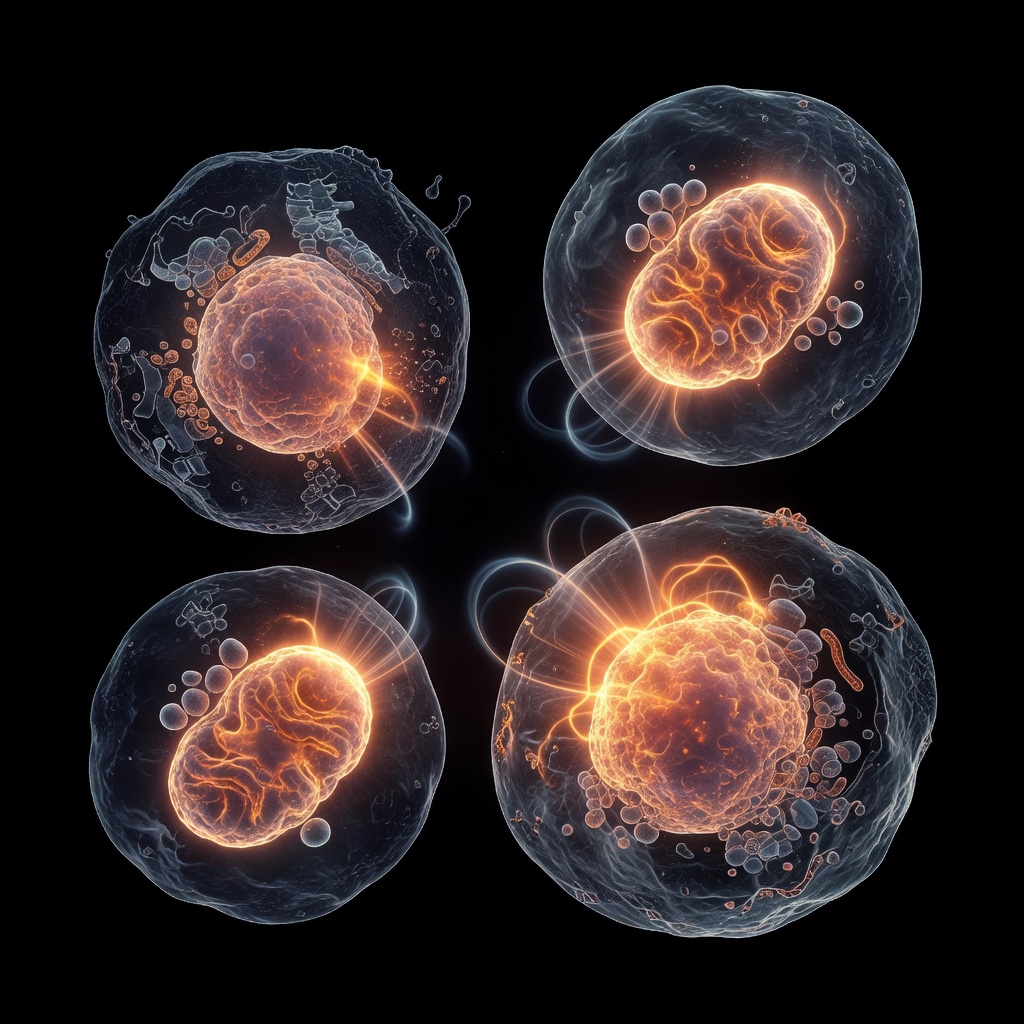
# Zinc: The Immune System's Most Critical Mineral
Overview
In the hierarchy of human biology, few elements possess the structural and functional gravity of zinc. While the mainstream medical establishment often relegates this trace mineral to the status of a "seasonal supplement" for the common cold, the biological reality is far more profound. Zinc is not merely a co-factor; it is the master architect of the human immune system and the primary gatekeeper of genomic integrity.
Despite its necessity, we are currently facing a global biological catastrophe. It is estimated that over two billion people worldwide—and a significant percentage of the British population—are clinically or sub-clinically deficient in zinc. This is not an accident of nature; it is the direct result of industrialised agricultural practices, the chemical saturation of our food chain, and a chronic misunderstanding of mineral synergy by regulatory bodies.
Zinc is required for the function of over 300 enzymes and more than 2,000 transcription factors, making it indispensable for the transcription of roughly 10% of the human proteome. From the synthesis of DNA to the regulation of apoptosis (programmed cell death), and from the production of testosterone to the maintenance of the blood-brain barrier, zinc is the lynchpin of metabolic sovereignty. Without it, the body’s internal defence systems collapse into a state of "immunosenescence"—a premature ageing of the immune system that leaves the individual vulnerable to pathogens, chronic inflammation, and malignant cellular mutations.
ALARMING STATISTIC: Zinc deficiency is the most common mineral deficiency in the world after iron, yet it remains significantly under-diagnosed due to the inherent unreliability of standard serum blood tests, which fail to measure the 99% of zinc stored within cells.
In this investigation, INNERSTANDING exposes the mechanisms by which zinc governs your health, the environmental forces stripping this mineral from your tissues, and the protocols required to reclaim your biological resilience.
##
##
The Biology — How It Works
To understand zinc is to understand the very "software" of life. Zinc is unique among minerals because it does not simply exist within the body as an inert building block; it acts as a dynamic signaling molecule, a structural stabilizer, and a catalytic engine.
The Catalytic Engine: Over 300 Enzymes
Every second, billions of chemical reactions occur within your body that would be physically impossible without the presence of zinc-dependent enzymes. One of the most critical is Carbonic Anhydrase, which facilitates the transport of carbon dioxide from the tissues to the lungs. Without this enzyme, the body would succumb to rapid systemic acidosis.
Another vital enzyme is Alcohol Dehydrogenase, which allows the liver to break down alcohols and certain aldehydes. Perhaps most important for long-term health is Superoxide Dismutase (CuZn-SOD). This is one of the body’s most powerful endogenous antioxidants, specifically designed to neutralise the superoxide radical, a highly reactive form of oxygen that damages DNA and promotes the ageing process.
The Structural Architect: Zinc Fingers
One of the most remarkable discoveries in molecular biology is the "Zinc Finger" motif. These are small protein structural motifs that are stabilised by one or more zinc ions. They are essential for the binding of proteins to DNA, RNA, and other proteins.
Zinc fingers allow the body to "read" its genetic code. They are central to the function of roughly 2,000 transcription factors, which are the proteins that turn genes "on" or "off." This means that even if you have the "good genes" for longevity and immunity, your body cannot express them if it lacks the zinc required to facilitate the binding process. Zinc is effectively the "key" that unlocks the library of your genome.
The Guardian of Reproduction
In the male body, zinc concentrations are higher in the prostate and semen than in any other tissue. It is fundamental to the production of testosterone and the maturation of sperm. Zinc inhibits the enzyme aromatase, which converts testosterone into oestrogen. A deficiency in zinc, therefore, creates a hormonal environment characterized by low libido, poor sperm quality, and "oestrogen dominance," a condition increasingly prevalent in the modern British male.
##
##
Mechanisms at the Cellular Level
At the cellular level, zinc operates with surgical precision. It does not just float within the cytoplasm; it is tightly regulated by a family of transporter proteins known as ZIP (which move zinc into the cytoplasm) and ZnT (which move zinc out of the cytoplasm or into organelles).
Thymulin and the Training of T-Cells
The thymus gland, located behind the breastbone, is the "training academy" for the immune system. It is here that T-lymphocytes (T-cells) are matured and programmed to recognise foreign invaders. This process is entirely dependent on a hormone called Thymulin, which requires zinc as a cofactor. When zinc levels drop, the thymus gland begins to atrophy (shrink). This leads to a decline in T-cell production and a loss of "immune memory," meaning the body forgets how to fight off viruses it has encountered before.
The Antiviral Shield: RNA Polymerase Inhibition
One of the most suppressed truths in modern medicine is zinc’s direct antiviral capacity. Zinc ions (Zn2+) have been shown in molecular studies to inhibit RNA-dependent RNA polymerase (RdRp). This is the enzyme that viruses like coronaviruses, rhinoviruses, and influenza use to replicate their genetic material inside human cells.
CRITICAL FACT: Zinc does not just support the immune system's response to a virus; it can physically block the machinery the virus uses to multiply, provided the zinc can actually get inside the infected cell.
The Role of Ionophores
The challenge with zinc is that it is a "charged" ion (Zn2+), which means it cannot easily cross the fatty, hydrophobic membrane of a cell on its own. It requires a "gatekeeper" or a transport vehicle. These vehicles are called Zinc Ionophores.
Natural compounds such as Quercetin (found in onions and apples) and EGCG (found in green tea) act as ionophores. They wrap around the zinc ion and shuttle it through the cell membrane, allowing it to reach the site of viral replication. Without these ionophores, or high enough systemic concentrations, zinc remains "locked out" of the very cells that need it most.
##
##
Environmental Threats and Biological Disruptors
If zinc is so vital, why are we so deficient? The answer lies in a multi-pronged assault on our nutritional landscape, orchestrated by industrial agriculture and chemical giants.
Soil Depletion and the NPK Fallacy
For decades, the UK agricultural sector has relied on NPK fertilisers (Nitrogen, Phosphorus, and Potassium). While these three minerals make plants grow tall and look green, they do nothing to replenish the trace minerals in the soil. As we harvest crop after crop from the same land, we are effectively mining the soil of zinc, selenium, and magnesium.
A study comparing the mineral content of vegetables today versus the 1940s shows a catastrophic decline—in some cases, a 40-60% reduction in zinc content. You would have to eat five apples today to get the same mineral nutrition your grandparents got from one.
The Glyphosate Threat
The herbicide Glyphosate, the active ingredient in products like Roundup, is a powerful chelating agent. A chelator is a chemical that binds to minerals and renders them unavailable. Glyphosate was originally patented as a pipe cleaner because it was so effective at stripping minerals from metal surfaces.
When glyphosate is sprayed on crops, it binds to the zinc in the soil and the plant. When we consume food tainted with glyphosate residues—which is nearly all non-organic wheat, soy, and corn in the UK—the chemical continues to act as a chelator in our gut, binding to the zinc from our food and carrying it out of the body before it can be absorbed.
Phytic Acid: The Anti-Nutrient
The "healthy" high-fibre diet promoted by mainstream nutritionists is often a hidden source of zinc depletion. Grains, legumes, and seeds contain phytic acid (phytates). These molecules bind to zinc in the digestive tract, forming insoluble complexes that the body cannot break down. This is why cultures that rely heavily on unfermented grains—such as the high-cereal diets common in many UK households—suffer from chronic zinc deficiency despite "adequate" caloric intake.
Heavy Metal Competition
In the periodic table, zinc sits in the same group as Cadmium and Mercury. Because they share similar chemical properties, these toxic heavy metals can "mimic" zinc and displace it from its binding sites in the body. If your body is deficient in zinc, it will grab onto cadmium as a desperate substitute. This "molecular mimicry" causes enzymes to malfunction, leading to DNA damage and increased cancer risk.
ENVIRONMENTAL FACT: Cadmium is a major component of cigarette smoke and industrial air pollution. In the absence of sufficient zinc, the body absorbs cadmium more readily, leading to kidney damage and bone mineral density loss.
##
##
The Cascade: From Exposure to Disease
The loss of zinc is not a localized problem; it triggers a systemic cascade that affects every major organ system.
Immunosenescence and Chronic Inflammation
Zinc deficiency leads to a state of permanent low-grade inflammation known as "inflammaging." Without zinc to regulate the production of pro-inflammatory cytokines (like IL-6 and TNF-alpha), the immune system remains in a state of hyper-arousal, attacking the body’s own tissues rather than focusing on external threats. This is a primary driver of autoimmune conditions and the "cytokine storms" seen in severe viral infections.
The Gut-Skin Axis
The lining of the gut and the surface of the skin are the body’s primary barriers. Zinc is essential for the function of Tight Junctions—the "velcro" that holds gut cells together. Deficiency leads to "Leaky Gut Syndrome" (intestinal permeability), where undigested food particles and endotoxins enter the bloodstream.
This internal chaos manifests externally as skin disorders. Acne, eczema, psoriasis, and dermatitis are frequently nothing more than the outward expression of a zinc-depleted internal environment. Zinc is required for the production of keratin and the migration of keratinocytes, the processes by which the skin heals itself.
Neurological Decline
The brain contains the highest concentration of zinc in the body, particularly in the hippocampus, the seat of memory and learning. Zinc modulates the NMDA receptors, which control the flow of information between neurons. Zinc deficiency has been linked to:
- —Major Depressive Disorder: Zinc acts similarly to an antidepressant by increasing levels of Brain-Derived Neurotrophic Factor (BDNF).
- —Alzheimer’s Disease: Zinc is involved in preventing the accumulation of amyloid-beta plaques.
- —ADHD: Many children diagnosed with ADHD show significantly lower serum zinc levels than their peers.
Metabolic Syndrome and Diabetes
Zinc is required for the synthesis, storage, and secretion of insulin in the beta cells of the pancreas. Furthermore, zinc acts as an insulin-mimetic, helping to signal cells to take up glucose from the blood. Without it, insulin resistance develops, leading directly to Type 2 Diabetes—a condition currently reaching epidemic proportions in the UK.
##
##
What the Mainstream Narrative Omits
The mainstream medical narrative regarding zinc is characterized by a "minimum viable" approach rather than an "optimal health" approach.
The RDA Deception
The Recommended Daily Allowance (RDA) for zinc in the UK is roughly 9.5mg for men and 7mg for women. This figure is calculated to prevent overt, acute disease (like gross growth retardation), not to facilitate peak immune function or longevity. It does not account for the "theft" of zinc by glyphosate, the poor absorption from phytate-rich diets, or the increased need for zinc during periods of stress, illness, or physical exertion.
The Serum Test Fallacy
When a GP orders a zinc test, they almost always test Serum Zinc. However, only about 0.1% to 1% of the body’s zinc is in the blood. The rest is inside the cells and bones. The body will strip zinc from the tissues to maintain a steady level in the blood. Therefore, your serum levels can appear "normal" while your cells are starving. The mainstream narrative ignores Red Blood Cell (RBC) Zinc or Intracellular Zinc testing, which are far more accurate but more expensive.
The Suppression of Zinc Ionophore Therapy
During the events of 2020-2022, the role of zinc and its ionophores was systematically downplayed or outright censored in public health discussions. By focusing almost exclusively on pharmaceutical interventions, the fundamental biological necessity of zinc—the very thing that would have rendered the viral replication machinery inert—was omitted from the public discourse. This omission represents one of the greatest failures of modern public health education.
##
##
The UK Context
The United Kingdom presents a unique set of challenges for zinc status.
The State of British Soil
According to reports from the Environment Agency and DEFRA, soil health in the UK is at a critical "tipping point." Intensive farming has led to a loss of organic matter and a subsequent collapse in mineral availability. British soils are notably poor in selenium and zinc compared to many other regions of the world.
The NHS Burden
The NHS is currently overwhelmed by "lifestyle diseases"—Type 2 Diabetes, autoimmune conditions, and mental health crises. Yet, mineral status is rarely part of the standard diagnostic protocol. The cost of a zinc supplement is pennies; the cost of treating a diabetic patient over a lifetime is hundreds of thousands of pounds. The refusal to implement widespread mineral fortification or education is a fiscal and ethical failure of the Department of Health and Social Care.
Regulatory Constraints
The MHRA (Medicines and Healthcare products Regulatory Agency) and the FSA (Food Standards Agency) maintain strict limits on the "Upper Limit" (UL) of zinc in supplements. While safety is important, these limits often prevent the sale of therapeutic doses required to correct a deep-seated deficiency, forcing individuals to rely on low-dose, low-bioavailability products found on high-street chemist shelves.
UK REGULATORY NOTE: Many high-street zinc supplements in the UK use Zinc Oxide or Zinc Sulfate. These are inorganic forms with incredibly poor absorption rates (as low as 10-15%) and frequently cause stomach upset, leading many to abandon supplementation before benefits are felt.
##
##
Protective Measures and Recovery Protocols
Reclaiming your zinc status requires a strategic approach that goes beyond simply swallowing a pill.
Prioritising Bioavailability
Not all zinc is created equal. To bypass the body’s absorption hurdles, one must choose the right chemical form:
- —Zinc Picolinate: Often cited as the most absorbable form, as it mimics the way the body naturally complexes zinc for transport.
- —Zinc Bisglycinate: A chelated form where zinc is bound to the amino acid glycine, allowing it to be absorbed via protein channels, bypassing the competition with other minerals.
- —Zinc Carnosine: Specifically effective for healing the gut lining and treating gastric ulcers.
The Zinc-Copper Ratio
Biology is a delicate balance. Zinc and Copper are antagonists; they compete for the same transport protein, metallothionein. If you take high doses of zinc (above 50mg) for extended periods without any copper, you will induce a copper deficiency, leading to anaemia and neurological issues. The optimal ratio is roughly 15:1 (Zinc to Copper).
Dietary Sources: The "Power" Foods
While supplementation is often necessary for recovery, the diet must be the foundation.
- —Oysters: The undisputed king of zinc, containing more zinc per gram than any other food on the planet.
- —Red Meat (Beef, Lamb): Specifically grass-fed, as the mineral content is significantly higher than grain-finished livestock.
- —Organ Meats: Liver and heart are dense with mineral co-factors.
- —Pumpkin Seeds: A decent plant-based source, though the phytates must be considered.
Neutralising Anti-Nutrients
To maximise zinc absorption from plant sources, traditional food preparation methods must be revived. Soaking, sprouting, and fermenting grains and legumes activates the enzyme phytase, which breaks down phytic acid, "unlocking" the minerals for absorption.
The Zinc Tally Test
A simple, at-home method to check your status is the Zinc Tally Test (Zinc Sulfate Turbidity test). This involves swirling a specific liquid zinc preparation in your mouth.
- —If it tastes like water: You are severely deficient.
- —If it tastes slightly metallic: You are moderately deficient.
- —If it tastes repulsive and metallic immediately: Your zinc levels are likely optimal.
##
##
Summary: Key Takeaways
The evidence is undeniable: zinc is the central pillar of human biological integrity. Its depletion is a silent driver of the modern epidemic of chronic disease, immune dysfunction, and hormonal collapse.
- —Zinc is a Genomic Key: It is required for over 2,000 transcription factors that allow your body to express its genetic potential.
- —Antiviral Sovereignty: Zinc inhibits the replication of RNA viruses by blocking the RdRp enzyme, but it requires ionophores (like Quercetin) to enter the cell.
- —Environmental Depletion: Glyphosate and NPK fertilisers have stripped zinc from the food chain, making "dietary intake" alone insufficient for many.
- —The UK Crisis: UK soil depletion and a diet high in unfermented grains have created a widespread sub-clinical deficiency.
- —Comprehensive Testing: Move beyond serum tests; look at RBC zinc or the Zinc Tally test for a true reflection of cellular health.
- —Smart Supplementation: Choose Zinc Picolinate or Bisglycinate and maintain a proper ratio with copper to avoid secondary deficiencies.
In an era of increasing environmental toxicity and emerging pathogens, zinc is not an "optional" nutrient. It is your primary defence. By understanding the biochemistry and taking proactive steps to restore your levels, you are not just taking a supplement—you are fortifying the very foundation of your life.
"Reclaim your zinc. Reclaim your resilience. Reclaim your health."
This article is provided for informational and educational purposes only. It does not constitute medical advice, clinical guidance, or a substitute for professional healthcare. Information reflects cited research at time of publication. Always consult a qualified healthcare professional before acting on any health information.
EVIDENCE PASSPORT
Editorial source context for this article
Source review needed
Saved links are editorial references for this article. They may support specific claims rather than every sentence. Open and assess each source in context. This passport does not independently verify them.
Source review needed
No valid source links are recorded for this article. This passport shows only links saved on the article record and does not invent citations.
This passport records editorial links, not independent verification. Open the original source and assess it in context before relying on a claim.
Medical Disclaimer
The information in this article is for educational purposes only and does not constitute medical advice, diagnosis, or treatment. Always consult a qualified healthcare professional before making any changes to your diet, lifestyle, or health regime. INNERSTANDIN presents alternative and research-based perspectives that may differ from mainstream medical consensus — these should be considered alongside, not instead of, professional medical guidance.
Read Full DisclaimerReady to learn more?
Continue your journey through our classified biological research.
THE ARSENAL
Based on Nutritional Deficiencies — products curated by our research team for educational relevance and biological support.
Magnesium L-Threonate
Panaceum – Prebiotic Oligosaccharide Complex
Clean Slate – Detoxes thousands of chemicals,heavy metals, pesticides, allergens, mold spores and fungus
INNERSTANDING may earn a commission on purchases made through these links. All products are selected based on rigorous educational relevance to our biological research.
Explore this in the Body Map
See where this hits your biology. Interactive anatomy, threats, and protective protocols.
Dig deeper in the Library
Free, longform PDF volumes that go beyond headlines into mechanisms and references.