All INNERSTANDIN content is for educational purposes only — not medical advice, diagnosis or treatment. Full Disclaimer →

    BACK TO DATABASE
    TAGGED RESEARCH

    #immunity

    30TRANSMISSIONS FOUND
    P
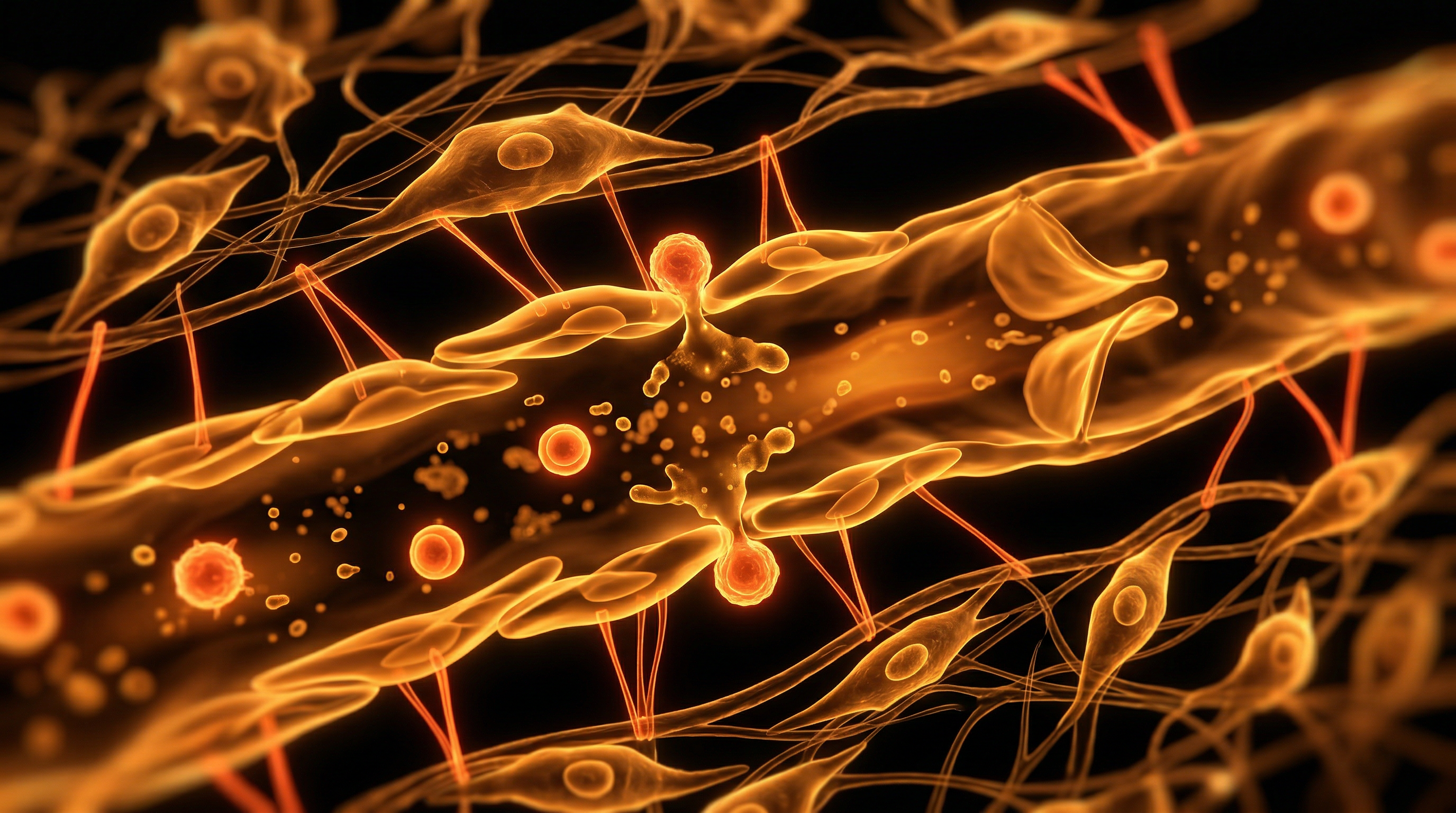
    Scientific illustration for Parasites: The Hidden Epidemic Nobody Talks About
    Environmental Threats
    18 MIN READ

    Parasites: The Hidden Epidemic Nobody Talks About

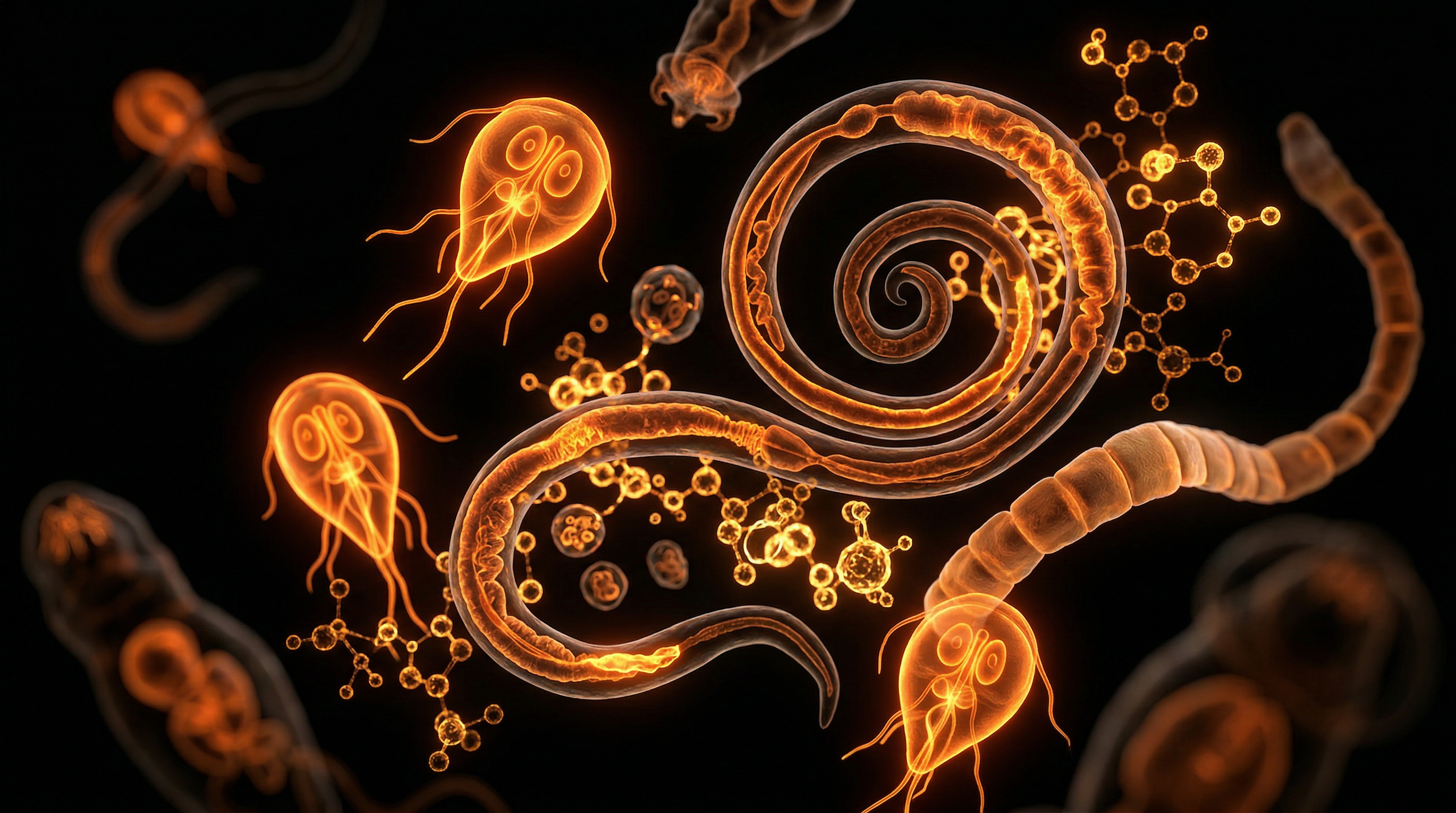
    Intestinal and systemic parasites — including protozoa such as Giardia and Toxoplasma, helminths including roundworm, tapeworm, and Blastocystis hominis, and ectoparasites — are far more prevalent in the UK population than official public health messaging acknowledges, with estimates suggesting that up to one third of the global population carries a helminth infection at any given time. Parasites are not merely a developing-world concern: Toxoplasma gondii — the parasite transmitted by undercooked meat and cat faeces — is estimated to infect up to one third of the UK population, with documented effects on behaviour, dopamine levels, and risk tolerance. Beyond direct tissue damage, parasites consume nutrients including B12, iron, and zinc; suppress immune surveillance; produce toxic metabolites that drive systemic inflammation; and create the gut permeability that enables secondary toxin absorption — making parasite burden a frequently overlooked root cause of chronic fatigue, anaemia, mental health disorders, and autoimmune conditions.

    #parasites#Toxoplasma
    N
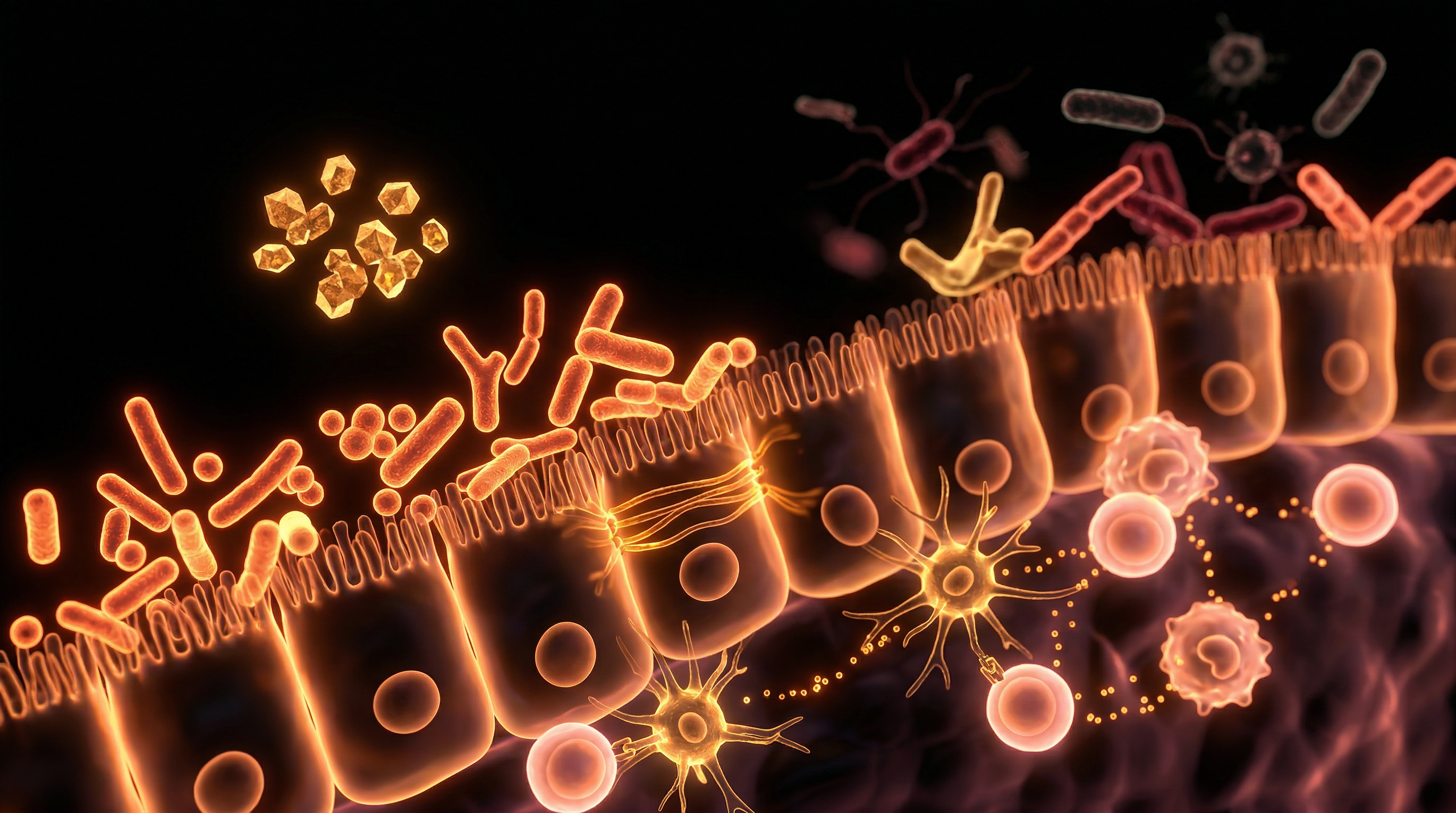
    Scientific illustration for Natural Killer Cells: The First Line of Cancer Defence
    Immune System
    16 MIN READ

    Natural Killer Cells: The First Line of Cancer Defence

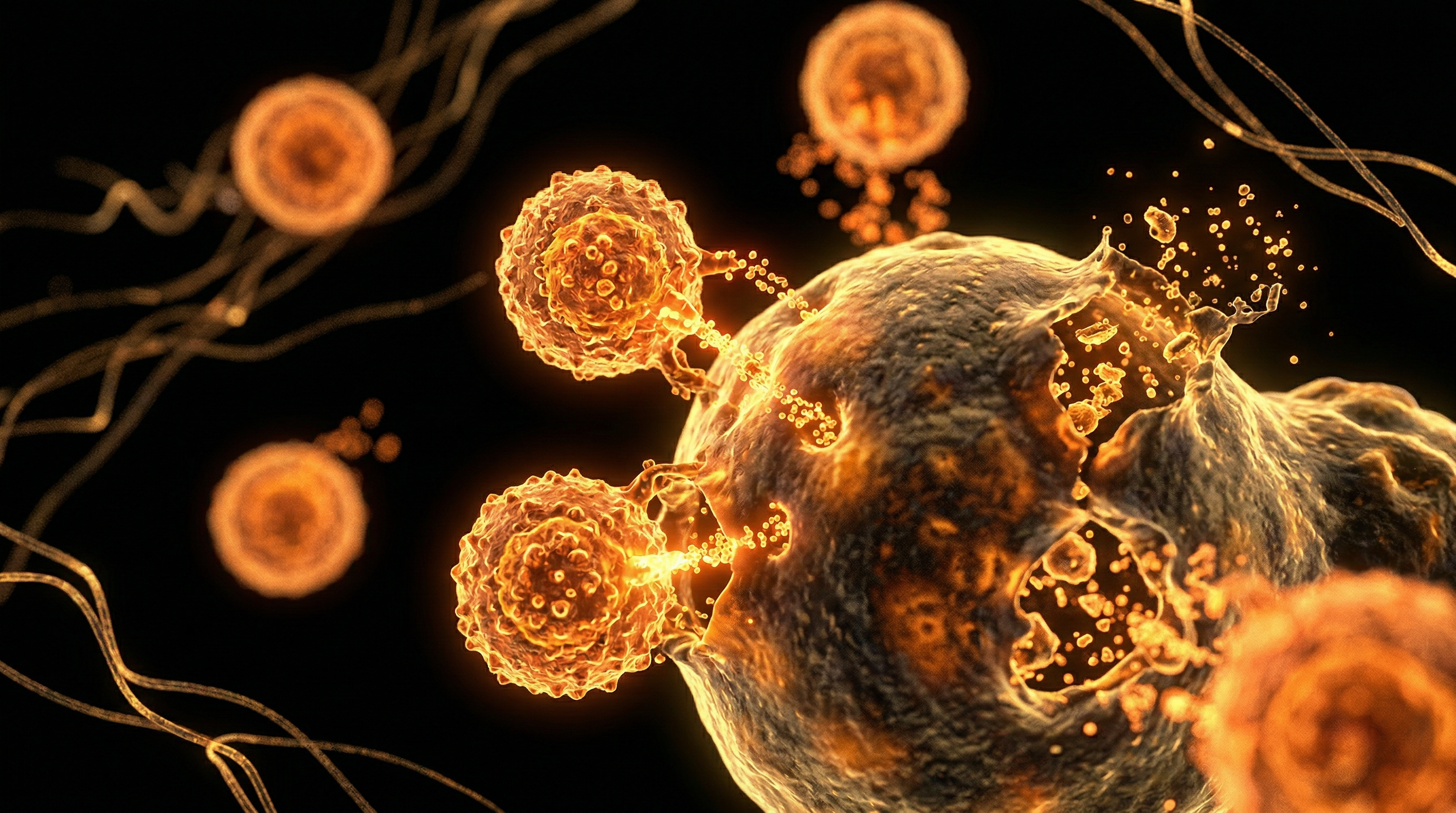
    Natural Killer (NK) cells are innate immune lymphocytes that patrol the body in constant surveillance, identifying and eliminating cells that display markers of viral infection, cellular stress, or oncogenic transformation — serving as the immune system's first and most immediate line of defence against cancer and viral disease without requiring prior sensitisation or antigen-specific activation. NK cell cytotoxicity is regulated by a sophisticated balance of activating and inhibitory receptor signals: healthy cells express HLA class I molecules that engage inhibitory receptors and prevent NK attack, whilst virus-infected and tumour cells frequently downregulate HLA expression, losing the 'don't kill me' signal and becoming vulnerable to NK-mediated destruction via perforin-granzyme and Fas-ligand pathways. Environmental toxins — particularly organic pollutants, heavy metals, and ionising radiation — are well-documented NK cell suppressors, and chronic NK cell dysfunction is now correlated with cancer susceptibility, herpesvirus reactivation, and the chronic fatigue phenotype of post-viral illness.

    #NK cells#cancer surveillance
    Z
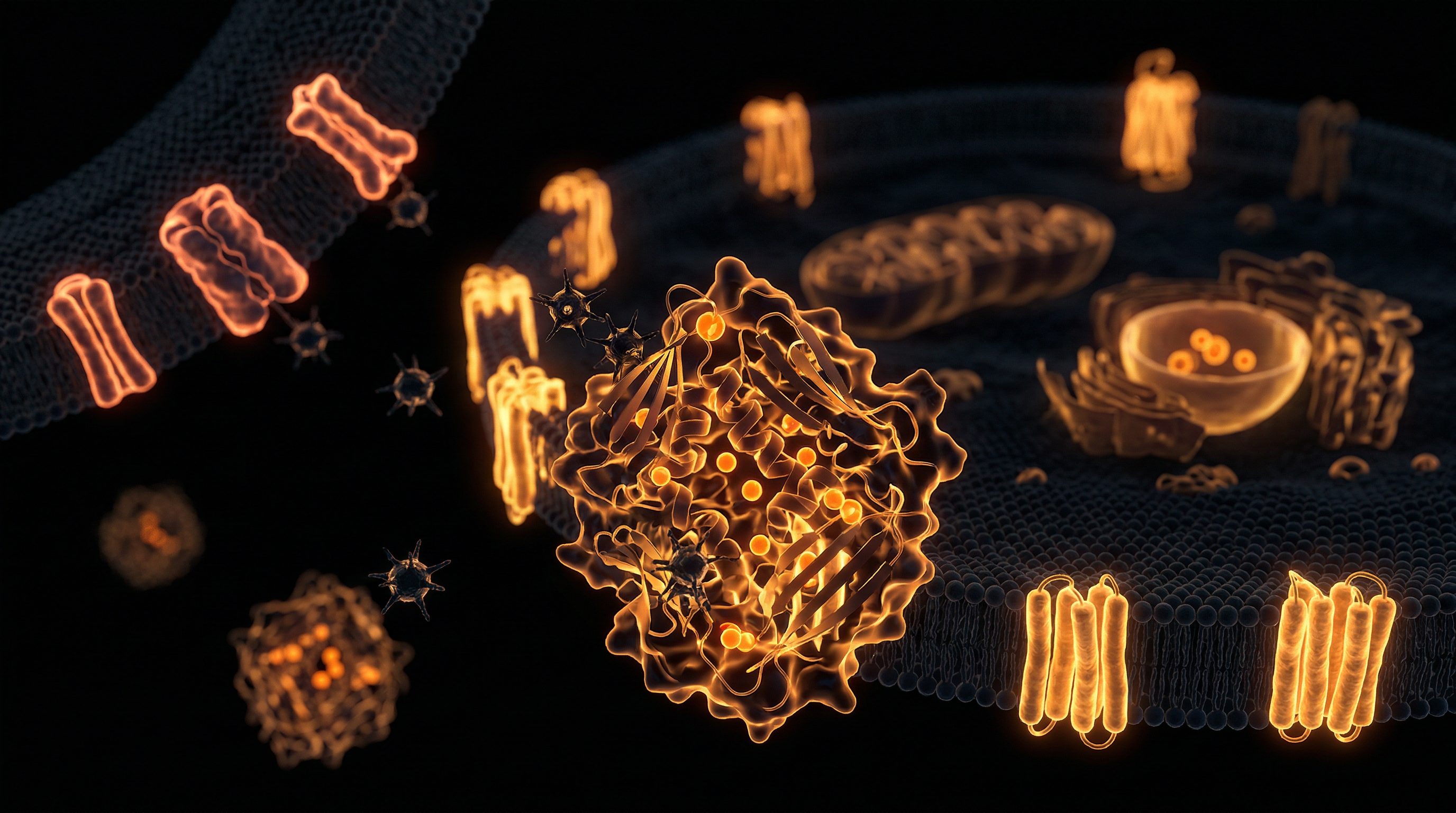
    Scientific illustration for Zinc: The Mineral Most Critical for Immunity, Repair, and Hormones
    Immune System
    14 MIN READ

    Zinc: The Mineral Most Critical for Immunity, Repair, and Hormones

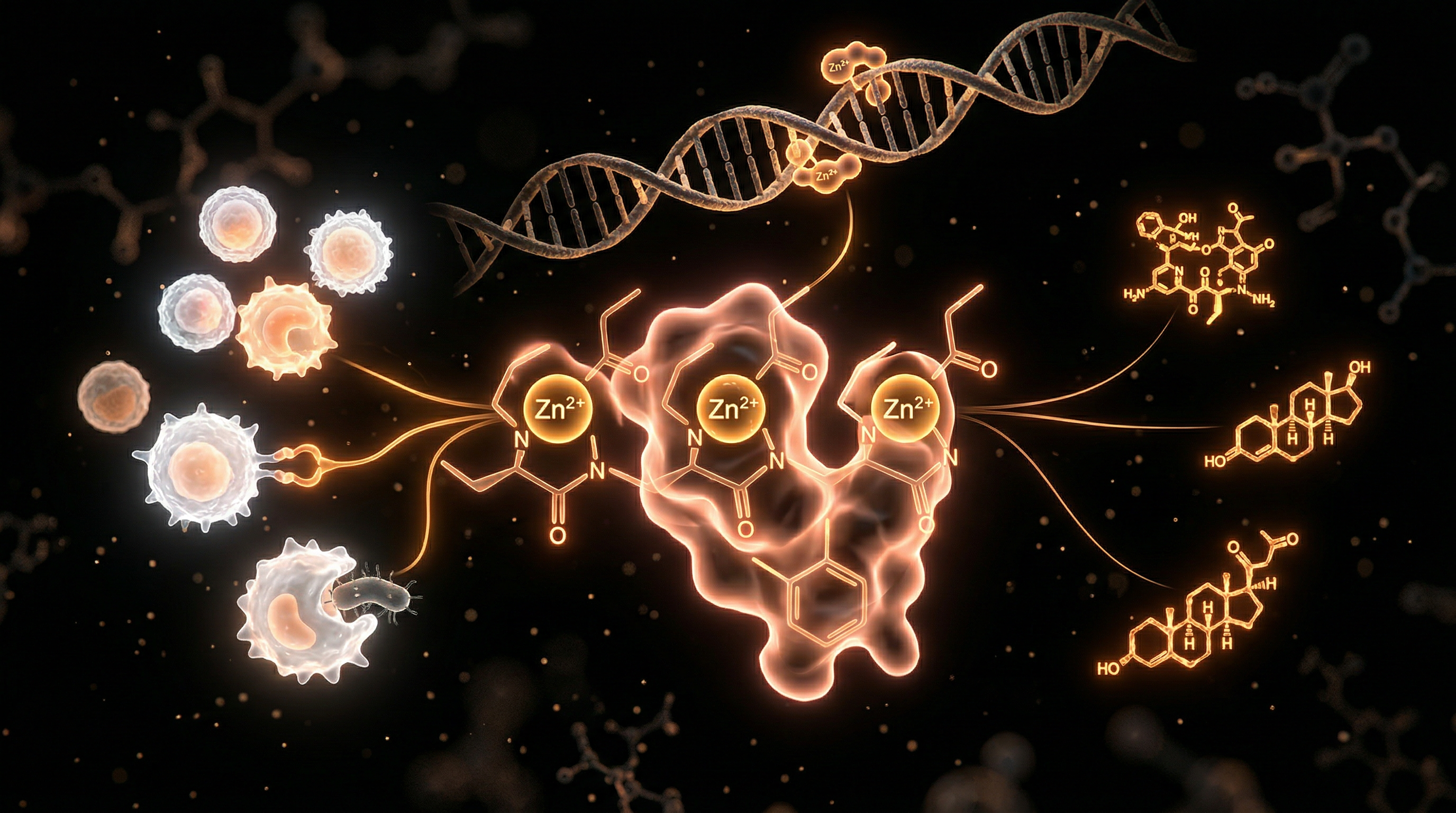
    Zinc is a cofactor for over 300 enzymatic reactions and is required for the structural integrity of over 2,500 transcription factors — including p53, the most important tumour suppressor protein in the human genome — making it arguably the most functionally critical mineral in human biology. It is essential for T-cell maturation and NK cell function (immune surveillance), thymulin production (thymic hormone driving immune education), testosterone biosynthesis, insulin signalling, wound healing, DNA repair, and the function of taste and smell receptors whose loss is now recognised as a clinical sign of zinc deficiency. Soil zinc depletion in UK agricultural land, combined with the phytate content of cereal-heavy diets that blocks zinc absorption, has created widespread subclinical zinc deficiency that manifests as impaired immunity, reduced reproductive function, poor wound healing, and cognitive dysfunction that conventional medicine routinely fails to identify or treat.

    #zinc#immunity
    G
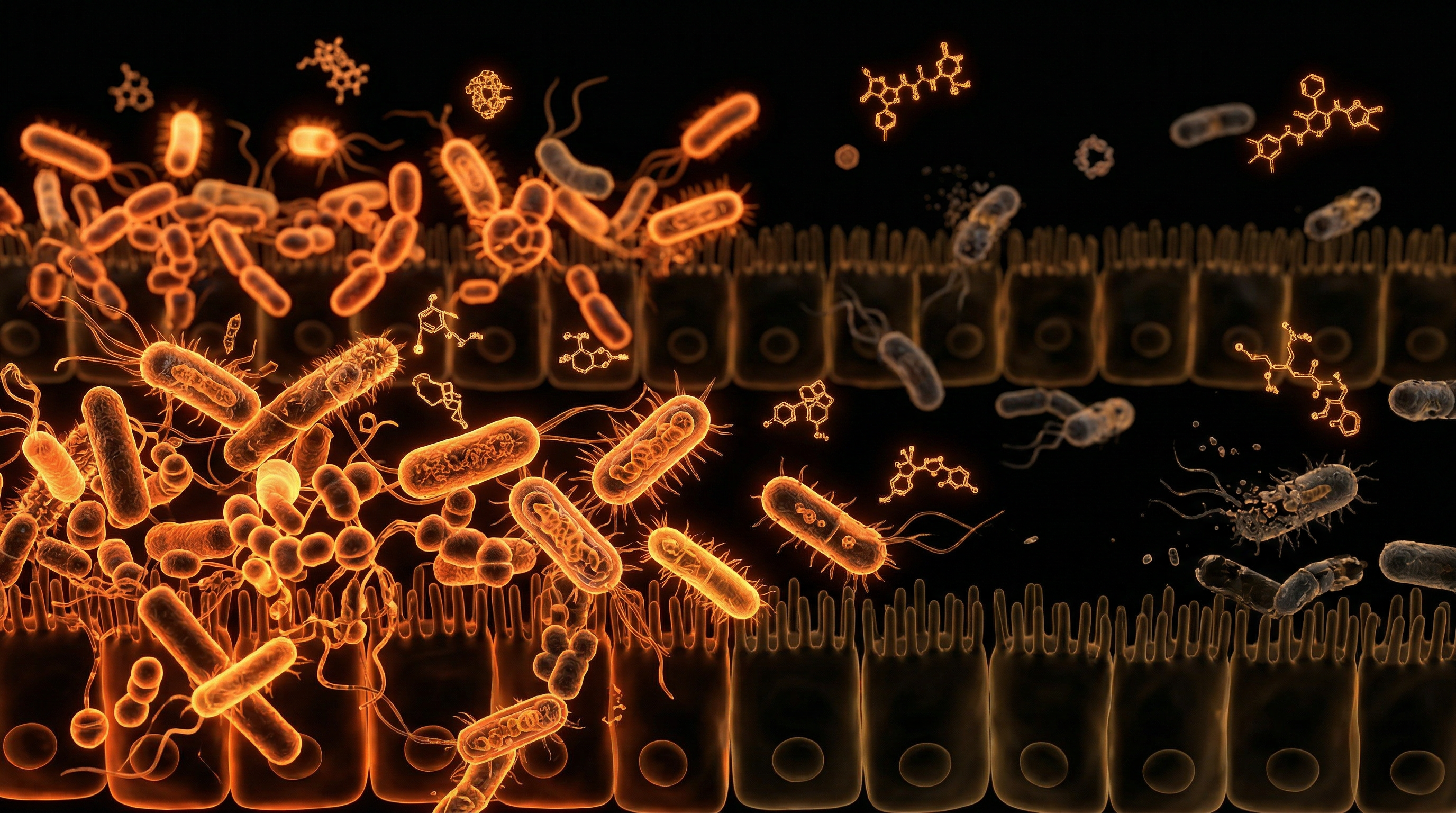
    Scientific illustration for The Gut Microbiome: 39 Trillion Allies Under Assault
    Nervous System
    15 MIN READ

    The Gut Microbiome: 39 Trillion Allies Under Assault

    The human gut microbiome — the collective genome of approximately 39 trillion bacterial, archaeal, viral, and fungal organisms inhabiting the gastrointestinal tract — encodes 150 times more genes than the human genome and performs metabolic functions indispensable to human health including the synthesis of essential vitamins, the production of short-chain fatty acids that fuel colonocytes and modulate systemic immunity, the metabolism of pharmaceutical drugs and dietary phytochemicals, and the education of the mucosal immune system in distinguishing self from pathogen. Broad-spectrum antibiotics, glyphosate (a patented antibiotic), ultra-processed food emulsifiers, fluoridated water, chronic stress, and pharmaceutical acid suppressants collectively devastate microbiome diversity and allow pathobiont overgrowth — creating the dysbiotic terrain that underlies the IBS, Crohn's disease, systemic autoimmunity, mental illness, obesity, and neurodegenerative disease epidemic of the 21st century.


    #microbiome#gut bacteria