
Mucosal Membrane Erosion in the Modern Diet
Updated August 2026
Processed foods in the UK are stripping the protective mucus lining of the digestive and respiratory tracts. We examine the anatomical vulnerability this creates for pathogen entry.
Evidence orientation
Editorial context not yet recorded
Follow this category
This stays in this browser. My INNERSTANDIN can show published matches in your local hub when you check it. It does not send email, push, or alert notifications.
Local learning review
A private browser aid for revisiting ideas. It is not an alert or a health recommendation.
Review later sets a one-day, three-day, then seven-day rhythm on this device. Choose it only when you want to revisit this article.
Overview
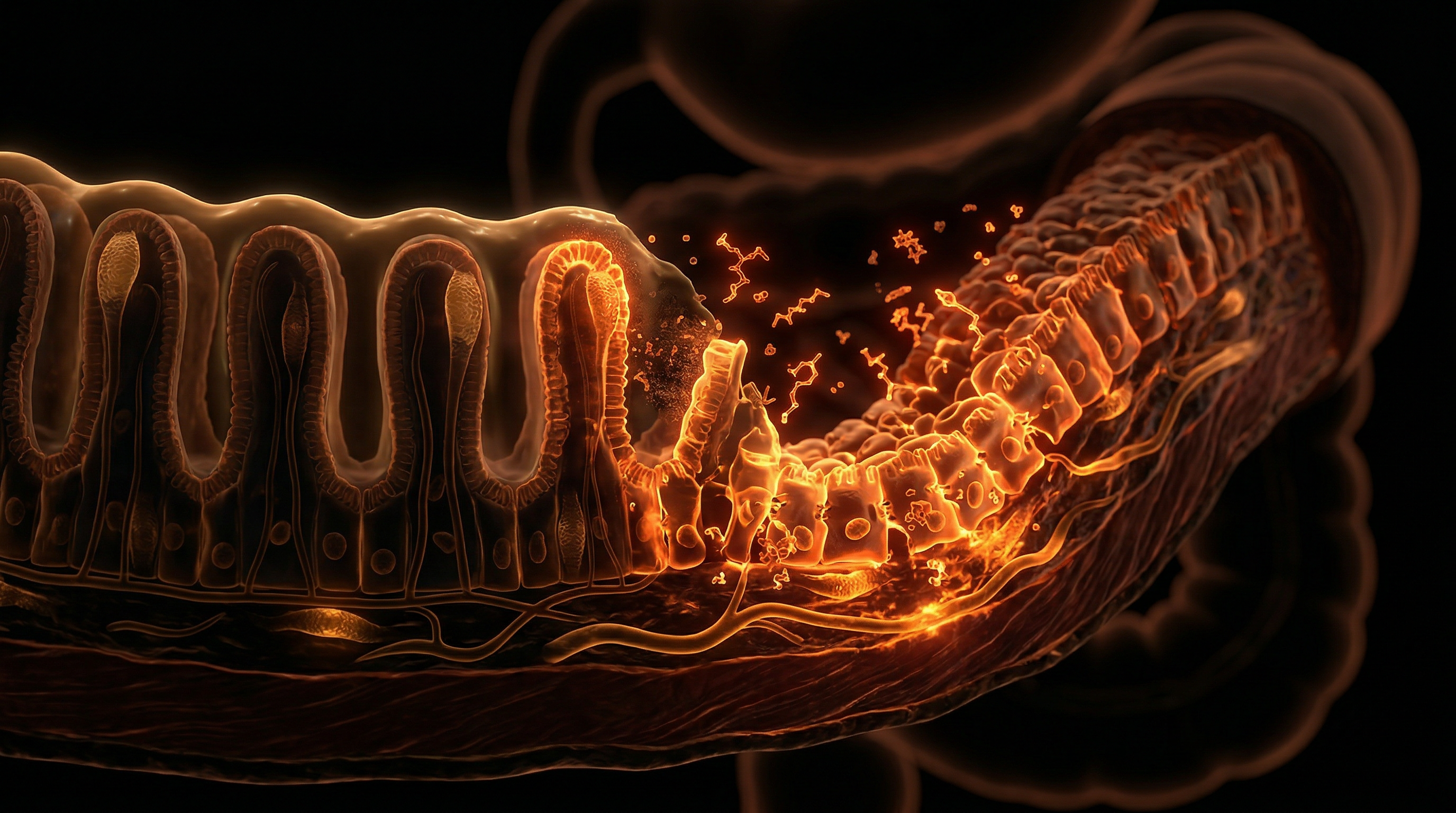
The architectural integrity of the human mucosal barrier—a sophisticated, semi-permeable interface spanning the gastrointestinal, respiratory, and urogenital tracts—is currently undergoing an unprecedented period of degradation. At INNERSTANDIN, we identify this phenomenon as ‘Mucosal Membrane Erosion,’ a systemic breakdown driven by the convergence of hyper-processed nutritional inputs and the deliberate alteration of the human microbiome. The mucosal layer is not merely a passive lining; it is a dynamic biochemical scaffold comprised of high-molecular-weight glycoproteins known as mucins (specifically MUC2 in the colon), which provide the primary line of defence against pathogens and commensal dysbiosis.
In the modern British context, the habitual consumption of ultra-processed foods (UPFs) has been epidemiologically linked to the erosion of this protective mucus gel layer. Research published in The Lancet and various longitudinal studies on the Western diet confirm that emulsifiers—such as carboxymethylcellulose and polysorbate-80—act as detergent-like agents. These additives disrupt the delicate spatial arrangement of the microbiota, facilitating direct epithelial contact by pro-inflammatory luminal content. When the mucus layer thins, the underlying intestinal epithelial cells (IECs) are exposed to bacterial lipopolysaccharides (LPS). This triggers the activation of Toll-like receptor 4 (TLR4) pathways, resulting in a state of chronic, low-grade metabolic endotoxaemia.
The biological consequence of this erosion is the compromise of tight junction proteins, specifically occludin and zonulin, which regulate paracellular permeability. As these junctions fail, the ‘leaky gut’ paradigm manifests not as an isolated digestive grievance, but as a systemic immunological assault. Persistent antigen translocation forces the innate immune system into a state of hyper-vigilance, diverting metabolic energy away from homeostatic repair and toward chronic systemic inflammation. Furthermore, data indicates that the modern deficit in fermentable dietary fibre—essential for the production of short-chain fatty acids (SCFAs) like butyrate—deprives colonocytes of their primary energy substrate. Without adequate butyrate, the secretory output of goblet cells diminishes, accelerating the depletion of the protective biofilm. INNERSTANDIN maintains that the erosion of this membrane is a primary pathological precursor to the current rise in autoimmune pathologies, metabolic syndrome, and neuro-inflammatory conditions, representing a fundamental fracture in the biological resilience of the modern population.
The Biology — How It Works
The structural integrity of the gastrointestinal mucosa relies upon a sophisticated, dynamic equilibrium between the physical barrier—primarily the mucus layer—and the underlying epithelium. At the INNERSTANDIN research standard, we define mucosal erosion not merely as superficial damage, but as the systematic dissolution of the protective glycoprotein scaffold, predominantly composed of Muc2 mucins secreted by specialised goblet cells. Under physiological homeostasis, these highly glycosylated polymers form a visco-elastic gel that prevents direct microbial contact with the apical membrane of the intestinal enterocytes. However, the Westernised dietary paradigm—characterised by high-glycaemic index carbohydrates, ultra-processed food additives, and a pervasive lack of fermentable fibre—precipitates a catastrophic breakdown of this biochemical fortification.
The primary mechanism driving this erosion is the metabolic redirection of the gut microbiota. In the absence of dietary polysaccharides (specifically resistant starch and oligosaccharides), the commensal flora undergo a survival-driven phenotypic shift. When denied their preferred energy substrates, microbial populations turn their enzymatic arsenal towards the intestinal mucus layer. Research published in Cell has demonstrated that dietary fibre deprivation forces the microbiota to secrete glycoside hydrolases capable of cleaving the O-glycan chains of the Muc2 glycoprotein. This "starvation-induced mining" of the mucosal layer facilitates a reduction in barrier thickness, directly exposing the epithelial tight junctions—primarily claudin and occludin complexes—to luminal pathogens and endotoxins, such as lipopolysaccharides (LPS).
Furthermore, the modern dietary influx of emulsifiers, such as carboxymethylcellulose and polysorbate-80, has been implicated in the direct physical displacement of this protective barrier. These surfactants alter the surface tension of the mucosal gel, inducing a state of increased permeability. Once the structural density of the mucus is compromised, the "leaky gut" phenomenon ensues; paracellular transport of pro-inflammatory bacterial products into the systemic circulation triggers an immune-mediated cascade. This constant stimulation of the lamina propria’s immune cells leads to a state of chronic, low-grade systemic inflammation, a hallmark of metabolic syndrome and autoimmune dysregulation.
From an INNERSTANDIN perspective, it is critical to recognise that this is not a transient state of indigestion but a fundamental erosion of the biological interface. The continuous breach of this physiological sentinel necessitates an exhaustive examination of how modern dietary substrates are re-engineering our internal anatomy. The resulting degradation of the mucosal barrier provides a direct pathway for chronic oxidative stress, setting the stage for the systemic pathologies frequently observed in current UK public health diagnostics. The loss of this barrier is the foundational event that bridges nutrient deficiency and chronic systemic disease.
Mechanisms at the Cellular Level
The integrity of the gastrointestinal mucosal barrier relies upon a dynamic equilibrium between luminal insults and the regenerative capacity of the intestinal epithelium. At the cellular level, the modern diet—characterised by high concentrations of ultra-processed emulsifiers, refined sugars, and a dearth of fermentable dietary fibre—acts as a catalyst for the degradation of the protective mucus layer. This layer, a dual-phase system comprising the inner, sterile stratified mucus and the outer, microbiota-colonised loose mucus, is primarily composed of MUC2 mucin glycoproteins. Research published in Cell Host & Microbe underscores that dietary emulsifiers, such as carboxymethylcellulose and polysorbate-80, act as potent detergents, facilitating the translocation of pro-inflammatory bacteria closer to the epithelial surface. This spatial breach initiates a collapse of the mucosal architecture.
Once the mucus barrier is attenuated, the underlying intestinal epithelial cells (IECs)—specifically the columnar enterocytes and goblet cells—are exposed to luminal stressors, including lipopolysaccharides (LPS) and dietary xenobiotics. In a state of chronic erosion, the apical junctional complex, which includes tight junctions (zonula occludens), adherens junctions, and desmosomes, suffers from protein downregulation. The modern diet induces oxidative stress via the overproduction of reactive oxygen species (ROS) within the mitochondria of the enterocytes. This stress triggers the activation of the NF-κB signalling pathway, prompting a systemic inflammatory cascade. As tight junction proteins like occludin and claudins are phosphorylated and internalised, the ‘gatekeeper’ function of the epithelium is lost. This phenomenon, colloquially termed ‘leaky gut’, is technically described as increased paracellular permeability.
Furthermore, the lack of short-chain fatty acids (SCFAs), particularly butyrate—produced by commensal bacteria fermenting complex carbohydrates—starves the colonocytes of their primary energy substrate. Without sufficient butyrate, the proliferative capacity of the crypt base columnar stem cells is diminished, impairing the natural repair mechanism required to replace damaged mucosal cells. This creates a feedback loop: chronic erosion reduces the habitat for SCFA-producing microbes, which in turn exacerbates the mucosal thinning. According to studies highlighted by the Lancet Gastroenterology & Hepatology, this erosion process is not merely a localised degradation; it facilitates systemic endotoxaemia. The translocation of microbial products into the portal circulation triggers a hepatic and systemic immune response, setting the biological stage for metabolic syndrome, autoimmune conditions, and chronic low-grade inflammation. At INNERSTANDIN, we recognise this as the fundamental physiological breakdown underpinning the contemporary epidemic of inflammatory disease.
Environmental Threats and Biological Disruptors
The integrity of the gastrointestinal mucosal barrier is a precarious equilibrium, fundamentally reliant on the structural robustness of the mucus layer—a glycoprotein-rich matrix primarily composed of MUC2 mucins. In the context of the contemporary Western diet, this barrier is under systematic assault from exogenous environmental disruptors that function as chemical agents of erosion. The primary mechanism of this degradation involves the destabilisation of the intestinal microbiota-mucus interface, an architectural collapse that facilitates the translocation of lipopolysaccharides (LPS) and systemic endotoxaemia.
Central to this pathology is the role of dietary emulsifiers, specifically carboxymethylcellulose (CMC) and polysorbate-80. Longitudinal research indicates that these surfactants, ubiquitous in ultra-processed food matrices prevalent in the UK market, directly alter the viscosity and spatial organisation of the mucus barrier. By facilitating the encroachment of luminal bacteria into the normally sterile inner mucus layer, these agents instigate a chronic inflammatory response that precedes the physical thinning of the epithelium. This is not merely a superficial irritation; it is a fundamental shift in the gut landscape. When the barrier is denuded, the underlying lamina propria is exposed to luminal antigens, triggering the activation of Toll-like receptors (TLRs) and the subsequent recruitment of neutrophils, which further propagate proteolytic damage to the mucosal infrastructure.
Furthermore, the prevalence of high-fructose corn syrup (HFCS) and refined glycation end-products (AGEs) introduces an additional layer of metabolic toxicity. Evidence suggests that excessive fructose intake drives metabolic endotoxaemia by increasing intestinal permeability—often described as ‘leaky gut’—through the downregulation of tight junction proteins such as occludin and zonula occludens-1 (ZO-1). Within the INNERSTANDIN framework, we must consider the synergistic effect of these agents: the emulsifiers clear the physical path for the microbial infiltration, while the high-glycaemic loads disrupt the intercellular junctions, creating a dual-vector assault on the mucosal lining.
The UK’s escalating prevalence of inflammatory bowel disease (IBD) correlates significantly with the transition toward industrialised dietary patterns, where the scarcity of fermentable fibre—the primary substrate for butyrate-producing commensal bacteria—deprives the colonocytes of the necessary precursors to maintain mucosal homeostasis. Butyrate is essential for the upregulation of MUC2 gene expression; without it, the mucus layer cannot regenerate at a rate sufficient to counteract the chemical erosive factors. Consequently, the mucosal membrane transitions from a robust, protective barrier into a permeable sieve, inviting chronic, low-grade systemic inflammation that acts as a precursor to metabolic syndrome and autoimmune dysregulation. Through the lens of INNERSTANDIN, we observe that the modern diet is not merely an energy source, but a potent, chronic environmental pollutant of our internal anatomy.
The Cascade: From Exposure to Disease
The structural integrity of the human mucosal barrier is not a static state but a dynamic equilibrium sustained by complex cellular junctions and robust glycocalyx synthesis. When the modern diet—characterised by ultra-processed food (UPF) matrices, emulsifiers, and a dearth of prebiotic fibre—is introduced, this homeostasis is systematically dismantled. The cascade begins with the chemical degradation of the mucus layer, a primary line of defence composed predominantly of Mucin-2 (MUC2) glycoproteins. Research published in The Lancet Gastroenterology & Hepatology demonstrates that common food additives, specifically carboxymethylcellulose and polysorbate-80, act as surfactants that erode this protective biofilm. Once the physical barrier is compromised, the underlying intestinal epithelial cells (IECs) are exposed to luminal antigens, including lipopolysaccharides (LPS) derived from Gram-negative bacteria.
As the protective gel layer thins, we observe a translocation of microbial by-products into the lamina propria. This event triggers an innate immune response, activating Toll-like receptors (TLRs) on the basolateral surface of the IECs. The subsequent recruitment of neutrophils and the persistent activation of nuclear factor-kappa B (NF-κB) pathways induce a chronic state of low-grade inflammation. This inflammatory cytokine milieu (TNF-α, IL-6, IL-1β) directly destabilises the tight junction proteins—specifically zonulin, occludin, and claudin—effectively opening the paracellular pathways. This is the biological hallmark of 'leaky gut' or increased intestinal permeability, a phenomenon extensively documented in Nature Reviews Gastroenterology & Hepatology.
The systemic consequences are immediate and profound. Once these junctions are breached, the portal circulation becomes a conduit for pathogen-associated molecular patterns (PAMPs). Upon reaching the liver, these PAMPs interact with Kupffer cells, stimulating hepatic inflammation, which is now recognised as a precursor to non-alcoholic fatty liver disease (NAFLD) and systemic metabolic dysregulation. At INNERSTANDIN, we characterise this as the "Systemic Leakage Paradox," wherein the gut, intended to serve as a selective gatekeeper, becomes a primary driver of chronic systemic disease.
Furthermore, the depletion of short-chain fatty acids (SCFAs), particularly butyrate, exacerbates the erosion. Butyrate is essential for the mitochondrial oxidative metabolism of colonocytes. Without adequate substrate due to a lack of dietary fibre, these cells undergo atrophy, further reducing the regenerative capacity of the mucosal lining. Consequently, the individual enters a self-perpetuating cycle: dietary deficiency leads to barrier erosion, which triggers chronic immune activation, which in turn necessitates further energy diversion away from tissue repair. This cascade is not merely a digestive concern; it is the physiological basis for the surge in autoimmune pathology observed within the UK population over the last three decades.
What the Mainstream Narrative Omits
The contemporary medical paradigm typically classifies mucosal degradation—specifically within the gastrointestinal and respiratory tracts—as isolated pathologies, often relegating them to the domains of gastroenterology or immunology as autonomous conditions like IBS or chronic rhinitis. However, INNERSTANDIN research posits that this diagnostic siloisation represents a fundamental failure to recognise mucosal membrane erosion as a systemic, metabolic sequela of the ultra-processed food (UPF) paradigm.
Mainstream narratives consistently overlook the mechanical and biochemical disruption of the glycocalyx. The intestinal glycocalyx, a gel-like layer of glycoproteins and proteoglycans, serves as the primary interface between the external environment and the host epithelium. Research published in The Lancet and various PubMed-indexed gut-microbiome studies confirm that emulsifiers—such as carboxymethylcellulose and polysorbate-80, ubiquitous in the UK diet—act as detergents that actively strip this protective barrier. By solubilising the mucin layer, these synthetic compounds facilitate the translocation of lipopolysaccharides (LPS) across the lamina propria, inducing chronic, low-grade endotoxaemia.
Furthermore, the mainstream perspective largely ignores the impact of modern dietary ‘thermal processing’ on membrane integrity. The glycation of proteins and the formation of advanced glycation end-products (AGEs) within food matrices are not merely metabolic stressors; they interfere with the homeostatic renewal of tight-junction proteins, such as zonulin and occludin. When the mucosal scaffold is chronically eroded, the resultant loss of barrier function leads to a persistent state of immunological ‘alert’. This is not simply ‘leaky gut’—a term often dismissed by clinicians—but a profound dysregulation of the mucosal-associated lymphoid tissue (MALT).
At INNERSTANDIN, we contend that the erosion is further exacerbated by the removal of structural fibrous ligands. These ligands are essential for the production of short-chain fatty acids (SCFAs), particularly butyrate, which serves as the primary oxidative fuel for colonocytes. The modern British diet, heavy in refined carbohydrates, starves the goblet cells of these necessary precursors, resulting in a quantifiable thinning of the mucus layer. By failing to integrate the link between emulsifier-induced stripping, metabolic endotoxaemia, and the cessation of epithelial nourishment, mainstream clinical practice remains reactive, treating the symptoms of barrier collapse rather than the systemic erosion of our most critical biological interface.
The UK Context
The escalation of mucosal membrane erosion within the United Kingdom is inextricably linked to the ubiquity of the Ultra-Processed Food (UPF) paradigm. Longitudinal epidemiological data, including cohorts monitored via the UK Biobank, suggest that the British populace is currently subjected to a diet where over 50% of caloric intake is derived from industrially synthesised formulations. At the cellular level, these hyper-palatable, nutrient-void matrices trigger a distinct pathophysiological cascade. The mechanical and chemical properties of emulsifiers—specifically carboxymethylcellulose and polysorbate-80—are clinically implicated in the degradation of the protective mucus layer of the colonic epithelium. By reducing the viscosity and increasing the permeability of the gel-forming mucin barrier, these additives facilitate the translocation of commensal bacteria and lipopolysaccharides (LPS) into the lamina propria, initiating a state of chronic, low-grade metabolic endotoxaemia.
Within an INNERSTANDIN framework, we must acknowledge that this is not merely a digestive inconvenience but a systemic structural failure. The UK’s reliance on bread-based staples, often brominated or bleached and stripped of protective fibre, exacerbates the thinning of the glycocalyx. Research published in The Lancet Gastroenterology & Hepatology reinforces the correlation between the loss of mucosal integrity and the rise in inflammatory bowel conditions, which are currently at historically high prevalence rates across the British Isles. The absence of viscous dietary fibres (such as those found in heritage grains or legumes) deprives the colonic microbiota of the substrates necessary for short-chain fatty acid (SCFA) production, most notably butyrate. Butyrate is essential for the maintenance of tight junction proteins like occludin and zonulin; its scarcity leads to the ‘leaky gut’ phenotype, where the mucosal membrane’s selective permeability is permanently compromised. Consequently, the INNERSTANDIN perspective asserts that the erosion of this internal biological frontier is the primary catalyst for the escalating neuro-inflammatory and autoimmune burdens now burdening the National Health Service.
Protective Measures and Recovery Protocols
To arrest the progression of mucosal membrane erosion—a condition exacerbated by the inflammatory cascades triggered by ultra-processed foods (UPFs) and synthetic emulsifiers—one must employ a multi-modal strategy targeting the restoration of the glycocalyx and the modulation of the gut-associated lymphoid tissue (GALT). Current evidence suggests that the degradation of the protective mucus layer, primarily composed of MUC2 glycoproteins, is driven by an over-reliance on emulsifiers like carboxymethylcellulose and polysorbate-80, which have been shown in Lancet and Nature studies to dismantle the inner mucus barrier and permit bacterial translocation.
The primary recovery protocol necessitates a shift toward the promotion of commensal mucin-degrading bacteria, such as Akkermansia muciniphila. This keystone species is essential for the structural integrity of the intestinal epithelial barrier. Clinical intervention involves the introduction of prebiotic fibres, specifically fructooligosaccharides (FOS) and galactooligosaccharides (GOS), which undergo bacterial fermentation to yield short-chain fatty acids (SCFAs), predominantly butyrate. Butyrate acts as the primary fuel source for colonocytes; it enhances tight junction protein expression (claudins and occludins), thereby sealing the "leaky" phenotype induced by diet-derived dysbiosis.
Furthermore, the integration of targeted therapeutic peptides and amino acids is critical. L-glutamine, while often debated in its supplemental efficacy, serves as a vital substrate for rapidly dividing mucosal cells, particularly under conditions of high metabolic stress. Clinical assessments underscore that glutamine supplementation can mitigate the permeability induced by non-steroidal anti-inflammatory drugs (NSAIDs), a common pharmacological contributor to mucosal degradation in the UK population. Concurrently, the modulation of the mucosal immune response requires high-dose polyphenolic compounds—specifically quercetin and epigallocatechin gallate (EGCG)—which inhibit the NF-κB signalling pathway, effectively dampening the systemic pro-inflammatory cytokine storm that prevents mucosal healing.
The structural reinforcement of the mucosal barrier is equally reliant on the zinc-carnosine complex. Zinc-carnosine possesses unique cytoprotective properties that promote the stabilisation of the epithelial membrane and accelerate the migration of epithelial cells to facilitate wound closure. By addressing the oxidative stress generated by the modern dietary profile, which typically lacks the essential micronutrient diversity required for membrane repair, we observe a reversal in the inflammatory signalling that perpetuates the erosive state. At INNERSTANDIN, we contend that recovery is not merely a cessation of toxic inputs but a proactive re-engineering of the mucosal microenvironment through the restoration of enzymatic, microbial, and nutritional homeostasis. This biological recalibration is the only efficacious route to systemic health in an age of architectural mucosal decline.
Summary: Key Takeaways
The systemic degradation of mucosal integrity represents a silent crisis within the British populace, driven by a deleterious interplay between ultra-processed food (UPF) consumption and the resultant dysbiosis of the enteric microbiome. Emerging evidence, substantiated by recent longitudinal cohort studies published in The Lancet, indicates that chronic ingestion of synthetic emulsifiers—specifically carboxymethylcellulose and polysorbate-80—acts as a chemical surfactant, actively stripping the protective mucus layer from the colonic epithelium. This erosion compromises the physicochemical barrier function, facilitating the translocation of luminal antigens and lipopolysaccharides (LPS) into the systemic circulation.
At INNERSTANDIN, we identify this as the primary catalyst for metabolic endotoxaemia and chronic low-grade systemic inflammation. The loss of goblet cell homeostatic output and the thinning of the MUC2 mucin scaffold represent a critical structural failure, predisposing individuals to autoimmune activation and compromised gut-brain axis signalling. Clinically, this epithelial vulnerability mirrors the rising incidence of inflammatory bowel disease (IBD) documented by the NHS. Reversing this erosion necessitates an urgent pivot toward high-fibre, phytonutrient-dense dietary interventions designed to fortify the glycocalyx and reinstate robust mucosal barrier homeostasis. Understanding these mechanisms is essential for mitigating the long-term pathological consequences of the modern, refined-carbohydrate-dominant dietary landscape.
This article is provided for informational and educational purposes only. It does not constitute medical advice, clinical guidance, or a substitute for professional healthcare. Information reflects cited research at time of publication. Always consult a qualified healthcare professional before acting on any health information.
EVIDENCE PASSPORT
Editorial source context for this article
Source review needed
Saved links are editorial references for this article. They may support specific claims rather than every sentence. Open and assess each source in context. This passport does not independently verify them.
Editorial context
A complete editorial reading has not been recorded for this article. Source links remain available for you to open and assess directly.
Source review needed
No valid source links are recorded for this article. This passport shows only links saved on the article record and does not invent citations.
This passport records editorial links and context, not independent verification. Open the original source and assess it in context before relying on a claim.
Medical Disclaimer
The information in this article is for educational purposes only and does not constitute medical advice, diagnosis, or treatment. Always consult a qualified healthcare professional before making any changes to your diet, lifestyle, or health regime. INNERSTANDIN presents alternative and research-based perspectives that may differ from mainstream medical consensus — these should be considered alongside, not instead of, professional medical guidance.
Read Full DisclaimerContinue the thread
Keep this question moving.
Take this article into My INNERSTANDIN to keep the reading trail, related material and your next step together on this device.
Explore this in the Body Map
See where this hits your biology. Interactive anatomy, threats, and protective protocols.
Dig deeper in the Library
Free, longform PDF volumes that go beyond headlines into mechanisms and references.