
Microbiome Depletion: The Cost of Sterility
Updated May 2026
The loss of ancestral microbial diversity due to over-sanitization is compromising the UK immune landscape. We examine the biological necessity of soil-based organisms for human health.
Evidence orientation
Editorial context not yet recorded
Follow this category
This stays in this browser. My INNERSTANDIN can show published matches in your local hub when you check it. It does not send email, push, or alert notifications.
Local learning review
A private browser aid for revisiting ideas. It is not an alert or a health recommendation.
Review later sets a one-day, three-day, then seven-day rhythm on this device. Choose it only when you want to revisit this article.
Overview
For nearly four billion years, life on Earth has been defined not by individual organisms, but by complex, overlapping microbial ecosystems. From the hydrothermal vents of the precambrian oceans to the rich, loamy soils of the Pleistocene, bacteria, archaea, and fungi have been the primary architects of biological complexity. We, as Homo sapiens, are not solitary entities; we are holobionts—biological mosaics comprised of human cells and a vast, intricate "inner garden" of microbial symbionts.
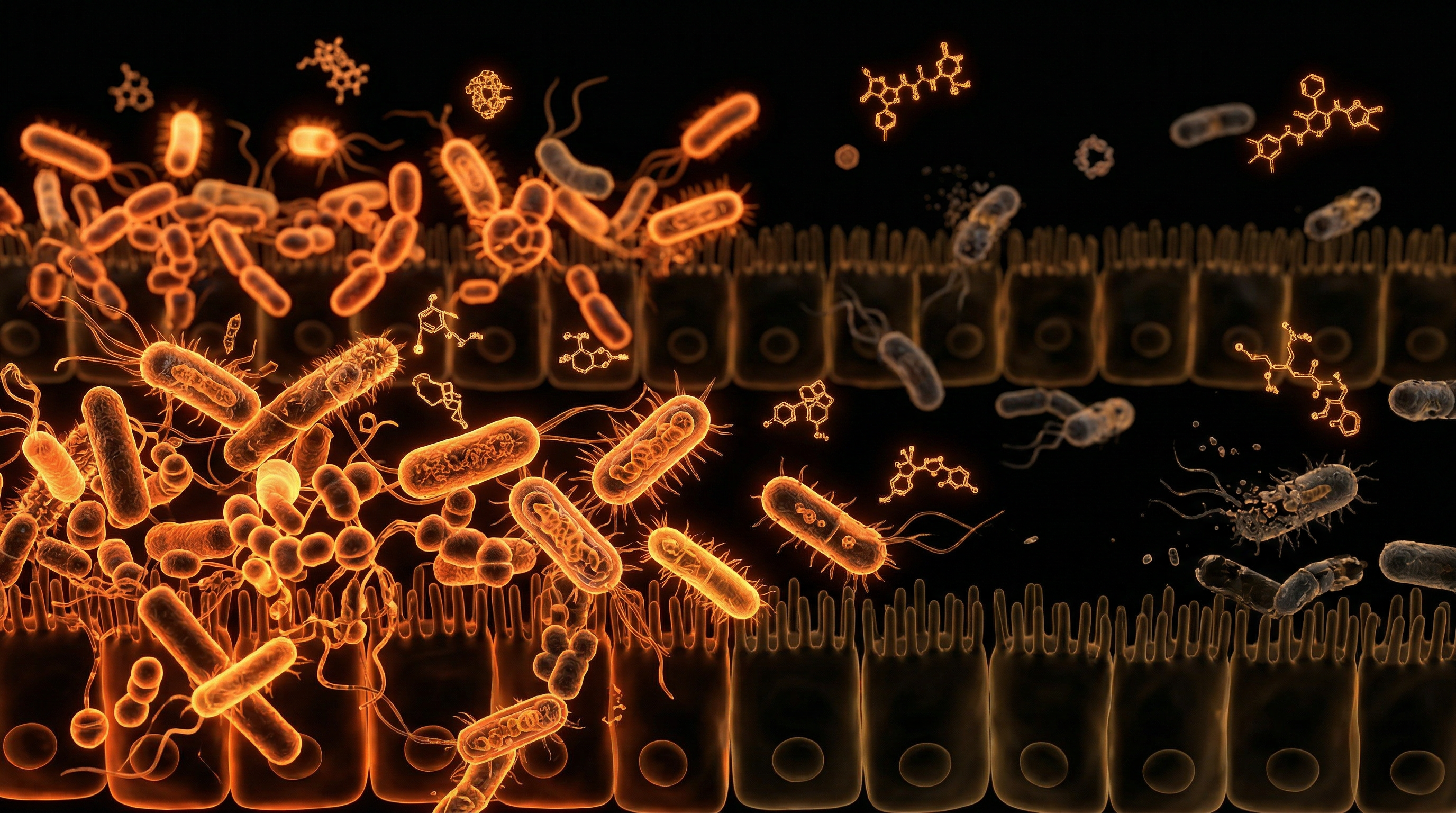
However, in the last century, a silent and catastrophic extinction event has been unfolding within the human gut. The rise of the industrialised, ultra-sanitised modern world has triggered a collapse in microbial diversity that rivals the loss of species in the macroscopic world. We have declared war on the microbial realm, viewing all bacteria through the narrow lens of germ theory, which posits that microbes are primarily agents of disease. In our quest for sterility, we have inadvertently severed our connection to the "Old Friends"—the ancestral microbes that co-evolved with our species to calibrate our immune systems, synthesise essential nutrients, and regulate our metabolic pathways.
This article explores the concept of Microbiome Depletion, specifically within the UK landscape. We are witnessing an evolutionary mismatch of unprecedented scale. As we retreat further into temperature-controlled, hermetically sealed indoor environments, drenched in antimicrobial chemicals and fed on a diet of sterile, processed "food-like substances," our biological resilience is evaporating. The cost of this sterility is not merely a rise in seasonal allergies; it is a fundamental breakdown of human physiology, manifesting as an epidemic of autoimmune disorders, metabolic syndrome, and chronic inflammatory states.
Important Fact: Research indicates that the average urbanised westerner possesses approximately 40% less microbial diversity than hunter-gatherer populations in the Amazon or Tanzania, representing a massive biological "bottleneck" that our immune systems are struggling to navigate.
The Biology — How It Works
To understand the microbiome is to understand the history of life itself. The human body contains roughly 30 trillion human cells, but it is host to over 39 trillion microbial cells. The Gut Microbiota, primarily concentrated in the large intestine, represents the most densely populated ecosystem on the planet. This is not a passive collection of "hitchhikers"; it is a dynamic, metabolically active organ.
The Holobiont Concept
The Holobiont theory suggests that the unit of natural selection is not the individual organism, but the host plus its associated microbes. Our genes (the human genome) provide the blueprint for our physical structure, but our microbial genes (the microbiome) provide the flexibility required to adapt to changing environments. While the human genome contains approximately 20,000 genes, our microbial residents contribute millions of unique genes, significantly expanding our metabolic repertoire.
Co-Evolution and the "Old Friends" Hypothesis
The "Old Friends" hypothesis, pioneered by Graham Rook, suggests that the human immune system is dependent on exposure to three types of microbes:
- Commensal Microbiota: The permanent residents of our gut, skin, and mucous membranes.
- Environmental Microbes: Organisms found in soil, untreated water, and decaying organic matter that we have inhaled or ingested throughout our evolutionary history.
- Pseudopathogens: Microbes that are generally harmless but challenge the immune system just enough to keep it "trained."
In an ancestral setting, a child would be born via the vaginal canal, instantly coated in Lactobacillus, followed by immediate skin-to-skin contact and the ingestion of Human Milk Oligosaccharides (HMOs). These HMOs are a marvel of evolution; they are indigestible by the infant, existing solely to feed Bifidobacterium infantis in the baby's gut. This is nature's first act of "inner gardening."
The Soil-Human Connection
Historically, our ancestors lived in intimate contact with the earth. They tracked game, foraged for tubers, and drank from mineral-rich springs. This resulted in a constant influx of Soil-Based Organisms (SBOs). These are typically spore-forming bacteria, such as the Bacillus species, which are exceptionally hardy and capable of surviving the acidic environment of the stomach. Once in the gut, they do not necessarily take up permanent residence, but they act as "transient biological engineers," modulating the environment to favour beneficial species while suppressing pathogens.
Mechanisms at the Cellular Level
The interplay between our microbes and our cells is governed by a complex language of molecular signals. This communication occurs primarily at the interface of the intestinal epithelium—a single layer of cells that separates our internal environment from the external world.
Pattern Recognition Receptors (PRRs)
The immune system identifies microbes through Pattern Recognition Receptors, such as Toll-Like Receptors (TLRs). These receptors "scan" for specific microbial signatures called Pathogen-Associated Molecular Patterns (PAMPs) or Microbe-Associated Molecular Patterns (MAMPs).
- The "Tuning" Process: In a healthy, diverse microbiome, a constant stream of low-level signals from beneficial bacteria keeps the TLRs in a state of "controlled alertness."
- The Failure of Sterility: In a sterile environment, these receptors lack the necessary input. Like a guard dog in a silent house, the immune system becomes hyper-reactive, jumping at shadows and attacking harmless proteins (allergens) or the body’s own tissues (autoimmunity).
Regulatory T-Cells (T-regs) and IL-10
One of the most critical functions of ancestral microbes is the induction of Regulatory T-Cells (T-regs). These cells are the "peacekeepers" of the immune system. When stimulated by specific microbial metabolites, such as Short-Chain Fatty Acids (SCFAs) like Butyrate, T-regs produce anti-inflammatory cytokines like Interleukin-10 (IL-10).
- Butyrate Production: Beneficial bacteria such as Faecalibacterium prausnitzii ferment dietary fibre into butyrate.
- Epigenetic Regulation: Butyrate acts as a histone deacetylase (HDAC) inhibitor, meaning it literally changes the way our DNA is packaged, switching off pro-inflammatory genes and strengthening the intestinal barrier.
The Mucus Barrier and Akkermansia
A healthy gut is protected by a thick layer of mucus. A specific bacterium, *Akkermansia muciniphila, lives within this layer and actually eats the mucus. This may sound counter-intuitive, but this "grazing" stimulates the goblet cells to produce more mucus, ensuring the barrier remains thick and robust. In sterile, Westernised populations, Akkermansia levels are often profoundly depleted, leading to a "thinning" of the internal armour and the subsequent development of Leaky Gut (Intestinal Permeability)*.
Stat Check: Chronic inflammatory diseases, many of which are linked to intestinal permeability and microbiome dysbiosis, now account for over 50% of all deaths worldwide.
Environmental Threats and Biological Disruptors
The modern world is an obstacle course for the microbiome. We are currently subjected to a "chemical barrage" that was non-existent just 150 years ago.
The Antibiotic Scorched-Earth Policy
While antibiotics are a miracle of modern medicine for acute infections, their overuse is a primary driver of microbiome collapse. A single course of broad-spectrum antibiotics can annihilate decades of microbial diversity. While some species recover within weeks, others—the "extinction-prone" taxa—may never return, leaving a permanent hole in the ecosystem. This creates an ecological vacuum often filled by opportunistic pathogens like Clostridioides difficile.
Glyphosate and the Shikimate Pathway
Glyphosate, the most widely used herbicide in the world (and ubiquitous in UK agriculture), is often claimed to be safe for humans because it targets the shikimate pathway, which human cells do not possess. However, our gut bacteria do. Glyphosate acts as a potent antimicrobial, selectively killing beneficial species while allowing pathogenic, glyphosate-resistant strains to flourish. This disruption of the "inner soil" mirrors the degradation of the outer soil in industrial monoculture.
The Sanitisation Obsession
The cultural obsession with "antibacterial" soaps, wipes, and sprays has turned our homes into biological deserts. By removing the "background noise" of harmless environmental microbes, we have deprived the developing immune systems of children of the essential data they need to mature. The use of triclosan and other disinfectants has been linked to shifts in the nasal and skin microbiota, increasing the prevalence of Staphylococcus aureus colonisation.
Ultra-Processed Foods (UPFs) and Emulsifiers
Modern "food" is often designed for shelf-stability, not biological compatibility. Emulsifiers (such as carboxymethylcellulose and polysorbate 80), found in everything from ice cream to bread, act like detergents in the gut. They break down the protective mucus layer, allowing bacteria to come into direct contact with the intestinal lining, triggering a massive inflammatory response.
- Chlorinated Water: The chlorine used to kill pathogens in our drinking water also has a minor, but cumulative, sanitising effect on the gut.
- Microplastics: Emerging research suggests that microplastics can act as "vectors" for harmful bacteria and may physically disrupt the delicate microbial biofilm in the gut.
The Cascade: From Exposure to Disease
When the microbiome is depleted, the consequences are not confined to the digestive tract. The "cascade" of dysfunction spreads through the entire biological system.
The Atopic March
The loss of early-life microbial exposure is the primary driver of the "atopic march"—the progression from eczema in infancy to food allergies, hay fever, and eventually asthma. Without the T-reg "peacekeepers" trained by soil and ancestral microbes, the immune system overreacts to common environmental triggers.
The Gut-Brain Axis and Mental Health
The gut is often called the "second brain" because it contains the enteric nervous system. Gut microbes produce over 90% of the body's serotonin and a significant portion of its dopamine.
- Neuro-inflammation: When the gut barrier is compromised (Leaky Gut), bacterial fragments called Lipopolysaccharides (LPS) enter the bloodstream. LPS is a potent neurotoxin. It crosses the blood-brain barrier and activates the brain's immune cells (microglia), leading to chronic low-grade neuro-inflammation.
- Clinical Links: This pathway is now being heavily researched as a primary cause of depression, anxiety, and even neurodegenerative conditions like Alzheimer’s and Parkinson’s.
Metabolic Syndrome and Obesity
The microbiome is a master regulator of energy harvest. In studies where the microbiome of an obese mouse is transplanted into a germ-free lean mouse, the lean mouse rapidly gains weight despite no change in calorie intake. Certain bacteria are "more efficient" at extracting calories from food. More importantly, a depleted microbiome leads to systemic inflammation, which induces Insulin Resistance. We are not just overeating; our internal ecosystem is malfunctioning, making it impossible to manage blood glucose effectively.
What the Mainstream Narrative Omits
The mainstream medical narrative remains focused on a "single-pill-for-a-single-ill" philosophy. This reductionist approach is fundamentally incompatible with the complex, systemic nature of the microbiome.
The "Probiotic" Myth
The market is flooded with probiotic supplements, but most are ineffective. They often contain only a handful of strains (usually Lactobacillus or Bifidobacterium) which are often dead by the time they reach the consumer's gut, or are unable to survive the transit through stomach acid. More importantly, taking a single-strain probiotic to fix a depleted microbiome is like trying to restore a burnt-down rainforest by planting a single species of grass. It lacks the ecological complexity required for true restoration.
The Suppression of SBO Research
There is a profound lack of mainstream emphasis on Soil-Based Organisms (SBOs). Because these organisms cannot be easily patented and their benefits stem from complex environmental interactions rather than a single "active ingredient," they are ignored by the pharmaceutical industrial complex. SBOs are the "keystone species" of the human gut, yet they are almost entirely absent from modern Western bodies.
The Industrial Interests
To acknowledge that our microbiome is being decimated would require a radical overhaul of our food system, our architectural standards, and our medical practices. It would mean challenging the hegemony of industrial agriculture (glyphosate), the food processing industry (UPFs), and the pharmaceutical industry (antibiotic overuse). It is far more profitable to treat the symptoms of microbiome depletion—selling allergy medications, insulin, and antidepressants—than it is to address the root cause of the biological vacuum.
The UK Context
The United Kingdom presents a unique and troubling case study in microbiome depletion. As the first nation to industrialise, the UK has had the longest exposure to the conditions that destroy microbial diversity.
The "British Garden" Paradox
While the UK is famous for its "green and pleasant land," much of this landscape is biologically impoverished. British gardens are often heavily treated with herbicides and fungicides, and the "manicured lawn" provides very little in the way of microbial diversity compared to a wild meadow.
The NHS and the Allergy Epidemic
The UK has some of the highest rates of allergic disease in the world. According to Allergy UK, the country is one of the "top three" globally for allergy prevalence.
- Statistics: One in three British children has a medically diagnosed allergy.
- The Hygiene Trap: British parenting culture has leaned heavily into the "sterile nursery" model. The widespread use of hand sanitisers in schools and the "indoor-centric" nature of modern British childhood mean that children are not getting the "dirt time" necessary for immune priming.
Post-Industrial Geography
In the post-industrial North of England and the Midlands, the legacy of heavy industry has left soils contaminated or paved over. The shift from a rural, agrarian society to a highly urbanised one occurred more rapidly and completely in the UK than in almost any other European nation, leaving a profound "microbial scar" on the population.
Callout: In the UK, prescriptions for antidepressants have doubled in the last 15 years—a trend that correlates almost perfectly with the rise in gut-related inflammatory markers in the general population.
Protective Measures and Recovery Protocols
Restoring the microbiome is not about "cleaning" the gut; it is about re-wilding it. We must move from a mindset of "eradication" to one of "stewardship."
1. Re-introducing Soil-Based Organisms (SBOs)
To recover from the cost of sterility, we must intentionally re-introduce the "Old Friends."
- Sourcing: Seek out high-quality SBO supplements that contain Bacillus coagulans, Bacillus subtilis, and Bacillus clausii. These spore-formers survive the gastric barrier and act as "environmental signals" for the immune system.
- Direct Contact: Gardening without gloves, walking barefoot on wild land, and consuming organic, "root-on" vegetables (lightly rinsed, not scrubbed sterile) are ancestral ways to inoculate the system.
2. The Fermentation Revolution
Ancestral cultures preserved food through fermentation, providing a constant source of live microbes.
- The Protocol: Incorporate unpasteurised sauerkraut, kimchi, kefir, and kombucha. These foods provide not only the bacteria but also the postbiotics—the metabolic byproducts of fermentation that heal the gut lining.
3. "Prebiotic" Diversity
Microbes need to eat. A depleted microbiome is often a starving microbiome.
- The 30-Plant Rule: Aim to consume 30 different species of plants per week. This includes herbs, spices, nuts, seeds, fruits, and vegetables. Each plant contains unique fibres and polyphenols that feed specific microbial niches.
- Focus on Resistant Starch: Cooked and cooled potatoes, green bananas, and legumes provide resistant starch, which is the preferred fuel for butyrate-producing bacteria.
4. Environmental Remediation
- Filter Your Water: Use a high-quality filter (like a Berkey or a reverse osmosis system with remineralisation) to remove chlorine and fluoride.
- Ditch the "Antibacterial" Label: Switch to natural cleaning products based on vinegar, essential oils, or probiotic-based cleaners that add beneficial bacteria to your home surfaces.
- Judicious Antibiotic Use: Only use antibiotics when absolutely necessary for life-threatening infections, and always follow up with a focused microbiome recovery protocol involving Saccharomyces boulardii (a beneficial yeast that protects against antibiotic damage).
5. Embracing "Dirt Time"
For children especially, exposure to diverse environments—forests, farms, and beaches—is non-negotiable biological data. The "Hygiene Hypothesis" does not mean we should live in filth, but it does mean we should stop fearing the natural world. A child playing in the mud is not "getting dirty"; they are "downloading" the software for their immune system.
Summary: Key Takeaways
- The Extinction Within: Human microbial diversity is collapsing due to over-sanitisation, antibiotics, and industrial food, leading to a state of "Microbiome Depletion."
- Evolutionary Mismatch: Our immune systems co-evolved with "Old Friends" found in soil and natural environments. In their absence, the immune system becomes hyper-reactive, leading to the UK’s current allergy and autoimmune epidemic.
- The Barrier Breach: Microbiome loss compromises the gut lining, allowing toxins (LPS) to enter the blood, triggering systemic inflammation and the "atopic march."
- Beyond Probiotics: Simple capsules are rarely enough. True recovery requires SBOs, fermented foods, diverse plant fibres, and a reduction in chemical exposures like glyphosate and chlorine.
- A New Paradigm: We must stop viewing ourselves as individual entities and start seeing ourselves as ecosystems. The health of the "inner garden" is the foundation of all human resilience.
The path forward for the UK—and the Western world at large—is a return to biological humility. We are not separate from the microbial world; we are a part of it. To reclaim our health, we must reclaim our dirt. Only by restoring our ancestral microbial heritage can we hope to stem the tide of chronic disease and restore the biological integrity of the human race.
This article is provided for informational and educational purposes only. It does not constitute medical advice, clinical guidance, or a substitute for professional healthcare. Information reflects cited research at time of publication. Always consult a qualified healthcare professional before acting on any health information.
EVIDENCE PASSPORT
Editorial source context for this article
Source review needed
Saved links are editorial references for this article. They may support specific claims rather than every sentence. Open and assess each source in context. This passport does not independently verify them.
Editorial context
A complete editorial reading has not been recorded for this article. Source links remain available for you to open and assess directly.
Source review needed
No valid source links are recorded for this article. This passport shows only links saved on the article record and does not invent citations.
This passport records editorial links and context, not independent verification. Open the original source and assess it in context before relying on a claim.
Medical Disclaimer
The information in this article is for educational purposes only and does not constitute medical advice, diagnosis, or treatment. Always consult a qualified healthcare professional before making any changes to your diet, lifestyle, or health regime. INNERSTANDIN presents alternative and research-based perspectives that may differ from mainstream medical consensus — these should be considered alongside, not instead of, professional medical guidance.
Read Full DisclaimerContinue the thread
Keep this question moving.
Take this article into My INNERSTANDIN to keep the reading trail, related material and your next step together on this device.
Explore this in the Body Map
See where this hits your biology. Interactive anatomy, threats, and protective protocols.
Dig deeper in the Library
Free, longform PDF volumes that go beyond headlines into mechanisms and references.