
The Gut-Brain Axis: Early Colonization and Long-Term Immunity
Updated May 2026
The establishment of the infant gut microbiome is a critical window for setting long-term immune tolerance. Disruptions during birth can lead to chronic inflammation and metabolic issues later in life.
Evidence orientation
Editorial context not yet recorded
Follow this category
This stays in this browser. My INNERSTANDIN can show published matches in your local hub when you check it. It does not send email, push, or alert notifications.
Local learning review
A private browser aid for revisiting ideas. It is not an alert or a health recommendation.
Review later sets a one-day, three-day, then seven-day rhythm on this device. Choose it only when you want to revisit this article.
Overview
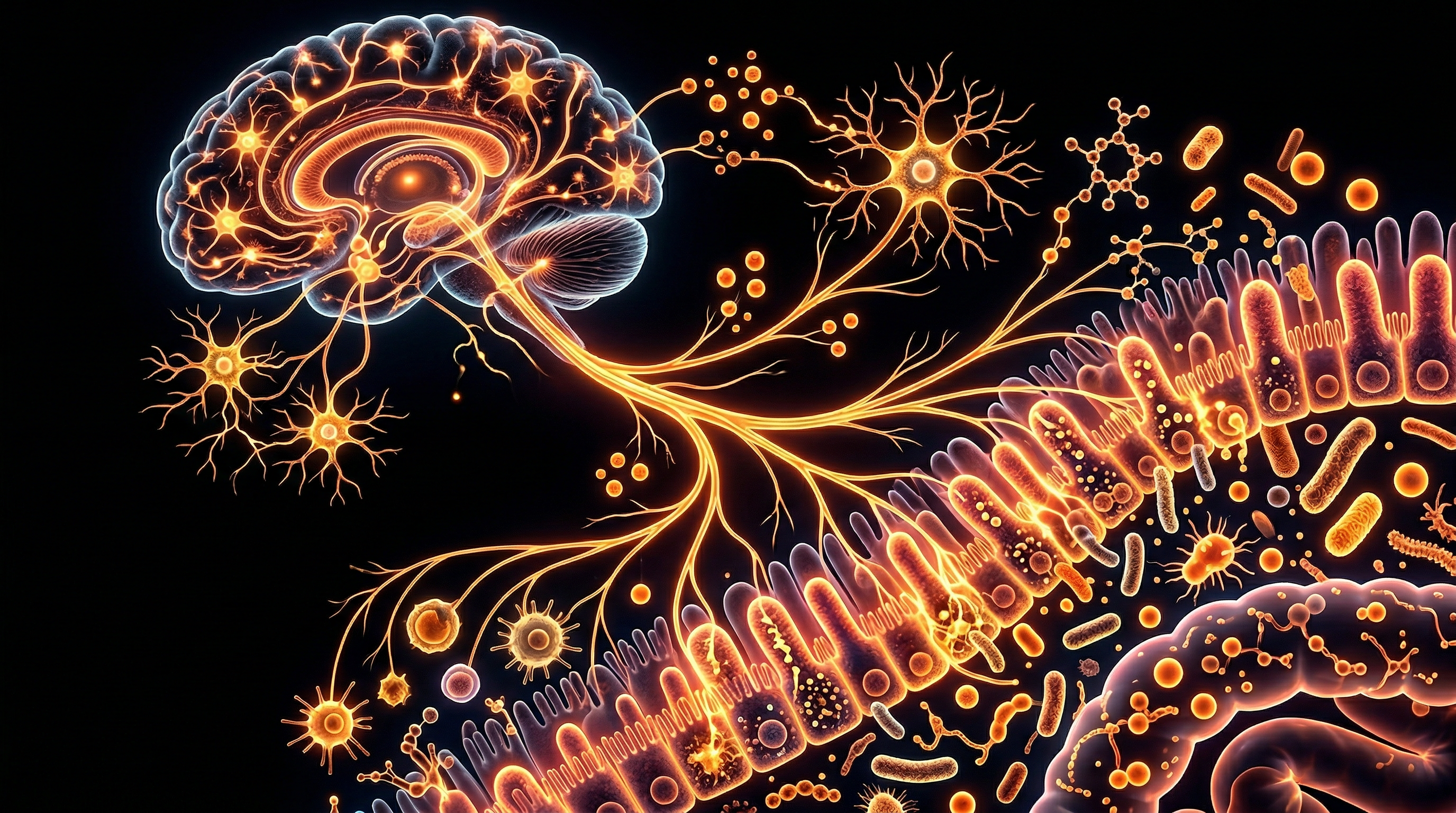
The biological destiny of a human being is not merely written in the 23 pairs of chromosomes inherited from their parents. Instead, it is increasingly understood that our physiological blueprint is a holographic synthesis of human DNA and the vast, invisible empire of the microbiome. The Gut-Brain Axis (GBA)—a bidirectional communication network linking the enteric and central nervous systems—stands as the primary governor of human health, immunity, and neurodevelopment.
For decades, the mainstream medical establishment viewed the womb as a sterile sanctuary and the birth process as a mechanical necessity. We now know this is a fundamental misunderstanding of human ontogeny. The "seeding" of the infant gut during the perinatal period represents a critical biological window of opportunity. This period of early colonization is the foundational event that calibrates the immune system, dictates metabolic rate, and influences the structural architecture of the developing brain.
When this colonization is disrupted—whether through Caesarean sections, intrapartum antibiotics, or the systemic trauma of medicalised birth—the results are catastrophic and long-lasting. We are currently witnessing a global epidemic of non-communicable diseases (NCDs), ranging from asthma and allergies to autism, ADHD, and autoimmune disorders. At INNERSTANDING, we posit that these are not isolated modern inconveniences but the direct result of an "extinction event" occurring within the human internal ecosystem at the very moment of birth. This article will dissect the intricate cellular mechanics of the GBA, expose the biological disruptors hidden in plain sight, and provide a roadmap for the restoration of our microbial heritage.
Fact: The human body contains roughly 30 trillion human cells, but over 39 trillion microbial cells. By cell count, we are more than 50% non-human, making the microbiome a "forgotten organ" of supreme importance.
The Biology — How It Works
The Gut-Brain Axis is not a metaphorical concept; it is a physical, biochemical highway. This communication occurs via several pathways: the Vagus Nerve, the endocrine system (hormones), and the immune system (cytokines).
The In-Utero Priming
Contrary to the "sterile womb" hypothesis, recent genomic sequencing has identified microbial DNA in the placenta, amniotic fluid, and even the meconium (the infant’s first stool). This suggests that the priming of the fetal immune system begins long before the first breath. The mother’s microbiome acts as a biological tutor, sending metabolites and molecular signals across the placental barrier to prepare the fetal gut for the massive influx of bacteria it will encounter during birth.
The Vaginal Seeding Event
In a physiological, vaginal birth, the infant is bathed in a "microbial cocktail" dominated by Lactobacillus species. This is the first major inoculation. As the infant passes through the birth canal, they ingest these fluids, which travel to the sterile (or semi-sterile) gastrointestinal tract. These pioneer species colonise the gut, lowering the pH and creating an environment where beneficial anaerobic bacteria can thrive.
The Role of Human Milk Oligosaccharides (HMOs)
The biological genius of breastfeeding extends far beyond simple nutrition. Breast milk contains Human Milk Oligosaccharides (HMOs)—complex sugars that are completely indigestible by the human infant. Why would nature evolve a substance the consumer cannot digest? The answer lies in the microbiome. HMOs are specifically designed to feed a single strain of bacteria: Bifidobacterium infantis.
B. infantis is the master architect of the infant gut. When it consumes HMOs, it produces Short-Chain Fatty Acids (SCFAs) like acetate and butyrate, which:
- Lower the gut pH to inhibit pathogens (like E. coli and Clostridium).
- Tighten the junctions of the intestinal lining (preventing Leaky Gut).
- Communicate directly with the brain to stimulate the production of Sialic Acid, essential for brain growth and cognitive development.
Mechanisms at the Cellular Level
To understand why early colonization is so vital, we must zoom in on the interface between the gut lumen and the Enteric Nervous System (ENS).
The Vagus Nerve: The Super-Highway
The Vagus Nerve (Cranial Nerve X) is the primary physical link between the gut and the brain. Roughly 80-90% of vagal fibres are afferent, meaning they carry signals from the gut to the brain, rather than the other way around. Microbes in the gut produce neurotransmitters that stimulate these nerve endings. For example, specific strains of Lactobacillus and Bifidobacterium produce GABA (gamma-aminobutyric acid), the brain’s primary inhibitory neurotransmitter, which regulates anxiety and stress responses.
Neurotransmitter Production
The gut is often called the "Second Brain" because it produces:
- 95% of the body's Serotonin: Regulates mood, sleep, and digestion.
- 50% of the body's Dopamine: Drives motivation and reward pathways.
- Melatonin: Crucial for circadian rhythm.
If the early microbial colony is skewed (dysbiosis), the production of these neurochemicals is altered. This creates a "neuro-inflammatory" state where the brain is constantly receiving signals of distress from the gut, leading to the permanent recalibration of the child's stress-response system (the HPA axis).
T-Regulatory Cells and Immune Tolerance
The most critical cellular interaction occurs between gut microbes and the Adaptive Immune System. In the first weeks of life, the gut must learn to distinguish between "friend" (beneficial bacteria/food) and "foe" (pathogens).
- T-Regulatory (Treg) Cells are the peacekeepers of the immune system.
- Beneficial bacteria, particularly those that produce Butyrate, induce the expansion of Treg cells.
- Without these cells, the immune system becomes hyper-vigilant, leading to Th2 dominance—the root cause of the "Allergic March" (eczema, then food allergies, then asthma).
Statistic: Children born via C-section have a 25% higher risk of developing asthma and a 20% higher risk of Type 1 diabetes compared to those born vaginally, directly linked to the absence of early microbial priming of Treg cells.
Environmental Threats and Biological Disruptors
The modern birthing environment is often antithetical to microbial health. We have prioritised sterile convenience over biological continuity.
1. The Caesarean Section (C-Section)
A C-section bypasses the vaginal canal entirely. Instead of being seeded with Lactobacillus, "C-section babies" are colonized by skin bacteria (Staphylococcus, Corynebacterium) and hospital-acquired pathogens (Acinetobacter). This "skin-seeding" profile lacks the metabolic machinery to process HMOs effectively, leaving the infant's gut vulnerable to inflammation from day one.
2. Intrapartum Antibiotic Prophylaxis (IAP)
In the UK and US, approximately 25-30% of labouring women are administered intravenous antibiotics for Group B Streptococcus (GBS). While this prevents a rare but serious infection, it acts as a "nuclear bomb" on the infant's developing microbiome. IAP significantly reduces the diversity of Bifidobacterium and promotes the growth of antibiotic-resistant strains before the infant has even taken its first breath.
3. The "Sterile" Hospital Environment
Hospitals are cleaned with harsh disinfectants that eliminate the "good" environmental microbes that humans have evolved with for millennia. This "Hygiene Hypothesis" evolution suggests that our modern lack of exposure to diverse dirt and environmental microbes prevents the immune system from "training," leading it to attack harmless substances like pollen or peanuts.
4. Synthetic Formula
While a necessary tool for survival in some cases, formula lacks the living components of breast milk: live bacteria (probiotics), HMOs (prebiotics), and maternal antibodies (IgA). Formula-fed infants show a markedly different gut profile, often lacking the dominant Bifidobacterium presence required for proper GBA development.
The Cascade: From Exposure to Disease
What begins as a microbial shift in the delivery room often manifests as a lifetime of chronic illness. This is known as the Microbiome-Mediated Disease Cascade.
Phase 1: The Initial Insult (0-6 months)
The absence of key pioneer species leads to an alkaline gut pH. This allows opportunistic pathogens to bloom. The gut lining remains "leaky," allowing undigested proteins and bacterial fragments (Lipopolysaccharides or LPS) to enter the bloodstream.
Phase 2: Systemic Inflammation (6 months - 3 years)
The immune system, in a state of constant alarm due to LPS translocation, becomes primed for inflammation. This is the window where food sensitivities emerge. In the brain, Microglia (the brain's resident immune cells) become over-activated. This "neuro-inflammation" can interfere with Synaptic Pruning—the process by which the brain eliminates unnecessary neural connections.
Phase 3: Manifestation of Chronic Disease (3 years +)
- Neurodevelopmental Issues: Disruptions in the GBA are now strongly linked to the pathophysiology of Autism Spectrum Disorder (ASD). Many children with ASD suffer from severe gastrointestinal distress and have a distinct microbial signature characterised by low diversity and high levels of Clostridia.
- Metabolic Syndrome: The microbiome dictates how we harvest energy. Dysbiosis in infancy is a precursor to childhood obesity and insulin resistance, as "obese-type" microbes are more efficient at extracting calories and promoting fat storage.
- Mental Health: The GBA influences the "Set Point" for anxiety and depression. If the vagus nerve is conditioned by inflammatory signals in early life, the individual may suffer from chronic "sickness behaviour" or low-level depression as an adult.
What the Mainstream Narrative Omits
The medical-industrial complex is slow to integrate microbiome science because it challenges the high-intervention, high-profit model of modern obstetrics.
The War on "Seeding"
There is a concerted effort in many medical circles to discourage Vaginal Seeding (the practice of wiping a C-section baby with maternal vaginal fluids). While critics cite the risk of transferring infections like GBS or Herpes, they often ignore the much higher statistical risk of lifelong chronic disease caused by not seeding. The narrative is framed around immediate, acute risk (infection) while ignoring long-term, chronic risk (autoimmunity).
The Glyphosate Connection
Mainstream science rarely discusses the impact of Glyphosate (the active ingredient in Roundup) on the maternal and infant microbiome. Glyphosate is a patented antibiotic. It disrupts the Shikimate pathway in bacteria, which is the pathway used to produce essential aromatic amino acids (tryptophan, tyrosine, phenylalanine). By consuming glyphosate-treated grains and oils, a pregnant woman may be inadvertently "pre-treating" her microbiome with a potent antimicrobial agent, ensuring her infant receives a depleted microbial inheritance.
The "Birth Machine" and Oxytocin
The use of synthetic oxytocin (Pitocin or Syntocinon) to induce labour does more than just cause contractions. It disrupts the natural hormonal feedback loop. Natural oxytocin is a "neuro-protective" hormone that crosses into the fetal brain during labour. Synthetic oxytocin does not cross the blood-brain barrier in the same way and may interfere with the infant's own oxytocin receptor development, further impacting the social and emotional "brain" side of the Gut-Brain Axis.
The UK Context
In the United Kingdom, the state of perinatal microbiome health is reaching a tipping point. The NHS is currently grappling with a "postcode lottery" regarding maternity care quality and microbial preservation.
- C-Section Rates: In some UK trusts, C-section rates have climbed above 35%, far exceeding the WHO recommended rate of 10-15%. This creates a massive cohort of infants starting life with a microbial disadvantage.
- The GBS Protocol: The UK does not currently offer universal screening for Group B Strep (unlike the US), but instead uses a "risk-based" approach. While this results in fewer antibiotics than the US model, the use of IAP is still high, and there is almost no provision for post-antibiotic microbial recovery for the infant.
- Breastfeeding Rates: The UK has some of the lowest breastfeeding rates in the world. By six months, only 1% of UK babies are exclusively breastfed. This represents a systemic failure to support the HMO-Bifidobacterium link, leaving the majority of British children without the primary biological tool for gut-brain maturation.
The NICE guidelines (National Institute for Health and Care Excellence) have begun to acknowledge the importance of the microbiome, but practical implementation at the ward level remains stagnant. Midwives are often too overstretched to facilitate the "Golden Hour" of skin-to-skin contact, which is the secondary seeding event after birth.
Protective Measures and Recovery Protocols
If the ideal biological birth is not possible, all is not lost. The microbiome is resilient, provided we intervene with intention.
1. Microbiome-Conscious Birthing
- Vaginal Seeding (The Gauze Method): Under the guidance of a functional practitioner, a sterile gauze can be placed in the vagina for one hour before a C-section and kemudian wiped over the infant’s mouth, face, and skin immediately after delivery.
- Delayed Bathing: Delaying the first bath for at least 24-48 hours allows the Vernix Caseosa (the waxy coating on a newborn) to be absorbed. The vernix contains antimicrobial peptides and beneficial bacteria.
2. Targeted Probiotic Supplementation
Not all probiotics are created equal. For an infant, the specific strain is paramount.
- Bifidobacterium infantis EVC001: This specific strain has been clinically shown to reduce gut inflammation by 80% and crowd out pathogens that lead to colic and nappy rash.
- Lactobacillus rhamnosus GG: Proven to reduce the incidence of eczema and hay fever in children with a family history of allergies.
3. The "Golden Hour" and Beyond
Skin-to-skin contact should be immediate and prolonged. This transfers maternal skin microbes and stabilises the infant’s cortisol levels. High cortisol (stress) in a newborn can alter the gut permeability almost instantly, leading to early-onset dysbiosis.
4. Maternal Nutrition
A mother’s diet during pregnancy and breastfeeding dictates the diversity of the "starter culture" she passes on.
- Fermented Foods: Sauerkraut, kefir, and kimchi provide a constant stream of beneficial transients.
- Polyphenols: Berries, dark chocolate (in moderation), and green tea (decaf) provide compounds that encourage the growth of Akkermansia muciniphila, a "keystone" strain that protects the gut lining.
- Avoidance of Ultra-Processed Foods (UPFs): Emulsifiers in modern food (like polysorbate 80) have been shown to "wear away" the protective mucus layer of the gut.
Summary: Key Takeaways
The Gut-Brain Axis is the master regulator of our biological identity. The first 1,000 days of life—from conception to age two—represent the most critical epoch in the formation of this system.
- Colonization is Not Optional: The seeding of the gut with Lactobacillus and Bifidobacterium is a biological requirement for immune tolerance and neurodevelopment.
- Birth Trauma is Microbial: Medical interventions (C-sections, antibiotics) must be viewed through the lens of microbial disruption. We must balance the necessity of intervention with the necessity of restoration.
- The GBA and Mental Health: The foundations of anxiety, depression, and neurodivergence are often laid in the gut before a child even begins to speak.
- Restoration is Possible: Through targeted prebiotics (HMOs), specific probiotic strains, and the avoidance of environmental toxins like glyphosate, we can begin to repair the "microbial gap" in the next generation.
At INNERSTANDING, we believe that reclaiming the birth process is the first step in reclaiming human health. We must move away from a model of "sterile management" toward one of "biological stewardship." The future of our species depends not on the drugs we develop, but on the microscopic allies we cultivate from the very first moment of life.
"Key Terms Defined:"
- Dysbiosis: An imbalance in the microbial communities within the body, often involving a loss of beneficial diversity.
- Enteric Nervous System (ENS): The "second brain" located in the lining of the gastrointestinal system, containing 500 million neurons.
- Lipopolysaccharides (LPS): Endotoxins found in the cell wall of certain bacteria that trigger systemic inflammation when they enter the bloodstream.
- Short-Chain Fatty Acids (SCFAs): Metabolites produced by gut bacteria (e.g., butyrate) that nourish gut cells and regulate the immune system.
This article is provided for informational and educational purposes only. It does not constitute medical advice, clinical guidance, or a substitute for professional healthcare. Information reflects cited research at time of publication. Always consult a qualified healthcare professional before acting on any health information.
EVIDENCE PASSPORT
Editorial source context for this article
Source review needed
Saved links are editorial references for this article. They may support specific claims rather than every sentence. Open and assess each source in context. This passport does not independently verify them.
Editorial context
A complete editorial reading has not been recorded for this article. Source links remain available for you to open and assess directly.
Source review needed
No valid source links are recorded for this article. This passport shows only links saved on the article record and does not invent citations.
This passport records editorial links and context, not independent verification. Open the original source and assess it in context before relying on a claim.
Medical Disclaimer
The information in this article is for educational purposes only and does not constitute medical advice, diagnosis, or treatment. Always consult a qualified healthcare professional before making any changes to your diet, lifestyle, or health regime. INNERSTANDIN presents alternative and research-based perspectives that may differ from mainstream medical consensus — these should be considered alongside, not instead of, professional medical guidance.
Read Full DisclaimerContinue the thread
Keep this question moving.
Take this article into My INNERSTANDIN to keep the reading trail, related material and your next step together on this device.
Explore this in the Body Map
See where this hits your biology. Interactive anatomy, threats, and protective protocols.
Dig deeper in the Library
Free, longform PDF volumes that go beyond headlines into mechanisms and references.