
The Mycelial Network: Ancient Fungi vs Modern Immunomodulators
Updated May 2026
Mushroom-derived beta-glucans are analyzed for their role in cytokine regulation compared to modern immunosuppressants. This article focuses on the ancient use of UK-native fungi for immune intelligence.
Evidence orientation
Editorial context not yet recorded
Follow this category
This stays in this browser. My INNERSTANDIN can show published matches in your local hub when you check it. It does not send email, push, or alert notifications.
Local learning review
A private browser aid for revisiting ideas. It is not an alert or a health recommendation.
Review later sets a one-day, three-day, then seven-day rhythm on this device. Choose it only when you want to revisit this article.
Overview
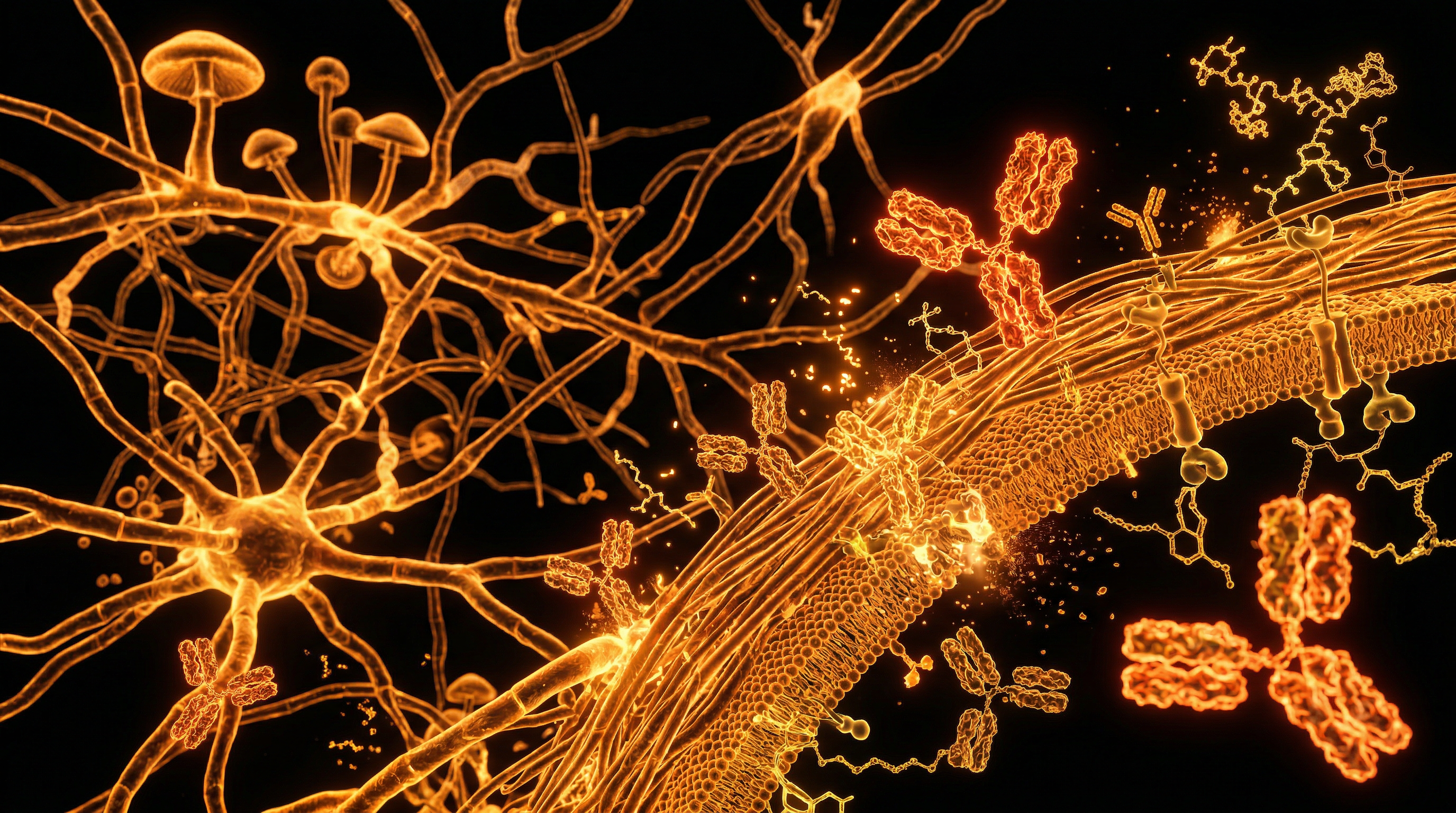
The history of life on Earth is not a chronicle of competition, but a testament to sophisticated networking. Long before the first hominids walked the plains of what is now the British Isles, a silent, subterranean intelligence had already mastered the art of biological communication. This is the Mycelial Network, a vast web of fungal hyphae that serves as the planet’s neurological system and ecological architect. In the modern era, as we grapple with an unprecedented surge in autoimmune disorders, chronic inflammation, and immune dysregulation, the scientific community is being forced to look backward—away from the reductionist pharmacology of the 20th century and toward the ancient, complex intelligence of fungi.
For decades, the "Modern Paradigm" of immunology has been predicated on the concept of suppression. When the immune system overreacts, we deploy immunosuppressants—blunt instruments designed to shut down inflammatory pathways, often leaving the host vulnerable to opportunistic infections and long-term cellular degeneration. Conversely, the "Ancient Medicine" of the mycelial network offers immunomodulation. Rather than silencing the immune system, fungal compounds—specifically beta-glucans—act as biological educators. They provide the "training data" required for our innate and adaptive immune cells to distinguish between self and non-self, between a benign environmental trigger and a genuine pathogen.
In this investigation for INNERSTANDING, we deconstruct the molecular machinery of mushroom-derived polysaccharides. We will examine how the UK’s native fungal species, such as the *Birch Polypore (Fomitopsis betulina) and Turkey Tail (Trametes versicolor)*, contain the biochemical keys to unlocking "immune intelligence." We will expose the structural limitations of modern monoclonal antibodies and synthetic steroids, and reveal why the mainstream pharmaceutical narrative has systematically ignored the unpatentable complexity of the fungal kingdom.
Fact: Mycelium can extend for kilometres through the soil, with a single cubic centimetre containing up to eight kilometres of hyphal threads. This network possesses more connections than the human brain.
The Biology — How It Works
To understand the efficacy of the mycelial network, one must first understand the architecture of the fungal cell wall. Unlike plant cells (cellulose) or bacterial cells (peptidoglycan), the fungal structure is built primarily from chitin and complex polymers known as Beta-Glucans.
The Structure of Beta-Glucans
Not all polysaccharides are created equal. The specific molecules of interest in immunomycology are (1,3)-(1,6)-beta-D-glucans. The numbers refer to the specific carbon atoms where the glucose molecules are linked. While common bakers' yeast contains beta-glucans, the highly branched, triple-helix structures found in medicinal mushrooms are significantly more bioactive.
These molecules are too large to be absorbed directly into the bloodstream in their intact form. Instead, they interact with specialised lymphoid tissues in the gut, known as Peyer's Patches. This is where the ancient dialogue begins. The immune system does not "digest" these compounds; it "reads" them.
Biological Response Modifiers (BRMs)
Fungal compounds are classified as Biological Response Modifiers. A BRM does not have a single, linear effect. If an individual’s immune system is hypo-active (under-performing, as seen in chronic fatigue or oncology cases), beta-glucans stimulate activity. If the system is hyper-active (over-performing, as seen in rheumatoid arthritis or lupus), these same molecules help to dampen the cytokine storm. This bi-directional capacity is entirely absent in modern pharmaceutical interventions, which are almost exclusively uni-directional.
- Polysaccharide-K (PSK): A protein-bound polysaccharide derived from Turkey Tail, extensively studied in Japan for its ability to restore immune function after chemotherapy.
- Polysaccharide-Peptide (PSP): Found in the same species, focusing on the activation of monocytes and macrophages.
- Triterpenes: Bitter compounds (especially in Reishi and Birch Polypore) that inhibit histamine release and provide anti-inflammatory support.
Mechanisms at the Cellular Level
The "intelligence" of the mycelial network is translated into the human body through a process of molecular recognition. Our immune cells have evolved specific receptors designed to detect fungal signatures—a remnant of our shared evolutionary history.
The Dectin-1 Receptor Pathway
The most critical interface between the fungal kingdom and human immunity is the Dectin-1 receptor. Located on the surface of macrophages, neutrophils, and dendritic cells, Dectin-1 is specifically tuned to recognize (1,3)-beta-glucans.
When a beta-glucan molecule binds to a Dectin-1 receptor, it triggers a cascade of intracellular signalling:
- Phagocytosis: The immune cell is "primed" to engulf and destroy pathogens.
- Respiratory Burst: The production of reactive oxygen species to neutralise invaders.
- Cytokine Production: The controlled release of interleukins (IL-12, IL-10) and tumour necrosis factor (TNF-alpha).
Statistic: Research indicates that the binding of beta-glucans to Dectin-1 can increase the phagocytic activity of macrophages by up to 400%, effectively turning a "dormant" immune system into an elite surveillance force.
Complement Receptor 3 (CR3) and NK Cells
A secondary mechanism involves Complement Receptor 3 (CR3). This receptor is vital for the action of Natural Killer (NK) cells. For a target cell (such as a virally infected cell or a malignant cell) to be destroyed, it must be "tagged" by antibodies. However, tagging is often insufficient for full activation. Beta-glucans bind to the CR3 receptor, providing the "second signal" required for the NK cell to release its lethal payload of perforins and granzymes.
Trained Immunity (Epigenetic Priming)
Perhaps the most groundbreaking discovery in recent years is the concept of Trained Immunity. Unlike the adaptive immune system (which remembers specific pathogens via antibodies), the innate immune system (macrophages, NK cells) was previously thought to have no memory. Fungal beta-glucans prove this wrong. Exposure to these molecules causes epigenetic reprogramming of the innate immune cells. They become more efficient at responding to any subsequent threat, not just fungi. This is "immune intelligence" in its purest form.
Environmental Threats and Biological Disruptors
The modern human is living in a state of "evolutionary mismatch." Our immune systems, designed to interact with the soil and the mycelial network, are now submerged in a sea of synthetic disruptors. These environmental threats have severed the ancient dialogue between our cells and the fungal kingdom.
Glyphosate and the Gut-Fungal Axis
The pervasive use of Glyphosate in UK industrial agriculture is a primary driver of immune collapse. Glyphosate acts as a broad-spectrum mineral chelator and an antibiotic. It devastates the mycobiome (the fungal component of the human gut) and destroys the integrity of the intestinal lining. When the gut barrier is compromised ("Leaky Gut"), undigested food particles and endotoxins enter the bloodstream, leading to chronic systemic inflammation. Fungal beta-glucans are the "patch" for this breach, but they cannot function if the internal ecosystem is constantly poisoned by agrochemicals.
EMF and Cellular Signalling
While mainstream science often dismisses the impact of non-ionising radiation, the INNERSTANDING perspective views Electromagnetic Fields (EMFs) as a disruptor of the delicate electrical signalling required for immune cell coordination. Macrophages rely on calcium signalling to move and respond to threats. High-frequency EMF interference can lead to "calcium channel leakage," creating a state of perpetual cellular stress that masks the signals provided by immunomodulators like beta-glucans.
The Depletion of Soil Mycelium
The "Modern Paradigm" has treated soil as a sterile substrate for NPK (Nitrogen, Phosphorus, Potassium) fertilisers. In doing so, we have decimated the native mycelial networks of the British Isles. The vegetables we consume are now "immune deficient" because they lack the symbiotic relationship with mycorrhizal fungi. We are no longer consuming the secondary metabolites of fungi through our food chain, leading to a state of fungal deficiency in the human population.
The Cascade: From Exposure to Disease
The loss of fungal intelligence leads to a predictable biological cascade. Without the "regulatory" input of beta-glucans, the immune system becomes both blind and hyper-reactive.
The Cytokine Storm vs. The Regulated Response
In a healthy system, the immune response is a sharp peak followed by a swift resolution. In the modern, "fungal-deficient" system, the response is a long, lingering plateau of inflammation. This is the Cytokine Storm. Pro-inflammatory cytokines like IL-6 and TNF-alpha remain elevated indefinitely, causing damage to healthy tissue. This is the root cause of "Inflammaging"—the accelerated aging of the body due to chronic inflammation.
The Path to Autoimmunity
When the Dectin-1 and CR3 receptors are not regularly engaged by fungal polysaccharides, the immune system loses its "calibration." It begins to misidentify self-proteins as foreign invaders.
- Type 1 Diabetes: Attack on pancreatic beta cells.
- Multiple Sclerosis: Attack on the myelin sheath.
- Hashimoto’s: Attack on the thyroid.
Modern medicine treats these conditions by killing or suppressing the immune cells. The ancient approach is to re-educate them using the mycelial "template."
Fact: Over 80% of the human immune system is located in the gut (GALT - Gut Associated Lymphoid Tissue), making the oral ingestion of fungal modulators the most direct way to influence systemic health.
What the Mainstream Narrative Omits
Why are mushroom-derived immunomodulators not the primary treatment for immune disorders? The answer lies in the intersection of biology, economics, and power.
The Patentability Problem
A wild mushroom, such as the Turkey Tail growing on a fallen log in the New Forest, cannot be patented. A pharmaceutical company cannot own the molecular structure of a beta-glucan. Consequently, there is no financial incentive to fund the multi-billion-pound clinical trials required for "Gold Standard" approval. Instead, the industry focuses on Monoclonal Antibodies (e.g., Adalimumab). These are synthetic, patentable, and highly profitable, but they work by blocking a single pathway, often causing a cascade of side effects.
The Suppression of PSK Research
In Japan, PSK (Krestin) is a government-approved cancer drug derived from fungi. It has been used for decades alongside conventional treatments to reduce mortality and improve immune recovery. Yet, in the UK and the US, this research is largely ignored or dismissed as "anecdotal." By labelling ancient fungal medicine as "alternative," the mainstream narrative ensures that the public remains dependent on high-cost, synthetic interventions.
The Erasure of Indigenous UK Knowledge
The British Isles have a rich history of "Folk Mycology." From the Birch Polypore carried by "Otzi the Iceman" (dated to 3300 BCE) to the traditional use of "Jew’s Ear" (Auricularia auricula-judae) for sore throats, our ancestors understood the mycelial network. This knowledge was systematically erased during the "Enlightenment," replaced by a mechanical view of the body that views nature as something to be conquered rather than a partner in health.
The UK Context
The British landscape is uniquely suited to a mycelial renaissance. Our damp, temperate climate is a haven for some of the world’s most potent medicinal fungi. Reclaiming this local intelligence is essential for biological sovereignty.
Native Species of Power
- *Turkey Tail (Trametes versicolor):* Ubiquitous in UK woodlands. It is the gold standard for beta-glucan content. It thrives on dead hardwood and is easily identified by its concentric rings of colour.
- *Birch Polypore (Fomitopsis betulina): Found exclusively on birch trees. It contains betulinic acid* (sequestered from the tree) and high concentrations of immunomodulating polysaccharides. Historically used as a bandage due to its antimicrobial properties.
- *Artist's Conk (Ganoderma applanatum):* A relative of the more famous Reishi, native to the UK. It is a perennial fungus that grows to massive sizes, acting as a long-term reservoir of triterpenes and glucans.
- *Fly Agaric (Amanita muscaria):* While toxic if unprepared, the INNERSTANDING of this species involves its historical role as a symbol of fungal power in Northern Europe, though its modern use is strictly regulated and requires extreme caution.
Foraging vs. Cultivation
While foraging is a powerful way to reconnect with the mycelial network, the UK’s history of industrial pollution means that mushrooms (which are bio-accumulators) can absorb heavy metals from the soil. For therapeutic recovery protocols, controlled cultivation on organic substrates (such as oak logs or sawdust) is often preferred to ensure purity and high concentrations of bioactive compounds.
Protective Measures and Recovery Protocols
Transitioning from the Modern Paradigm to the Mycelial Network requires more than just "eating mushrooms." It requires a sophisticated understanding of extraction and synergy.
The Dual Extraction Requirement
The most potent compounds in medicinal mushrooms are locked behind walls of chitin. The human stomach cannot digest chitin effectively. Therefore, "raw" mushroom powder is largely useless for immunomodulation.
- Hot Water Extraction: Essential for breaking down the chitin and releasing the Beta-Glucans.
- Alcohol (Ethanol) Extraction: Necessary for extracting the non-water-soluble compounds, such as Triterpenes and Sterols.
- Protocol: Always use a "Dual Extract" (Tincture or Powder) to ensure the full spectrum of fungal intelligence is captured.
The Synergy of the "C"
Beta-glucans are large molecules. Their absorption in the gut is significantly enhanced when taken alongside Vitamin C. Vitamin C helps to break down the high-molecular-weight polysaccharides into smaller, more "readable" fragments for the Peyer’s Patches.
The Innerstanding "Immune Reset" Protocol
For those seeking to recover from the "Modern Paradigm" of immune suppression:
- Phase 1: Clear the Path. Eliminate glyphosate-rich foods (non-organic wheat/corn) to repair the gut-fungal axis.
- Phase 2: Introduce Native Intelligence. Use a daily dual-extract of UK-grown Turkey Tail (2,000mg - 3,000mg).
- Phase 3: Synergise. Combine with Birch Polypore tea for its anti-viral and anti-inflammatory triterpenes.
- Phase 4: Grounding. Walk barefoot in ancient UK woodland. The aerosolised fungal spores and terpenes (phytoncides) provide a secondary, inhaled layer of immune modulation.
Important: High-dose fungal protocols should be approached with respect. They are not "supplements"; they are biological software updates.
Summary: Key Takeaways
The confrontation between "Ancient Fungi" and "Modern Immunomodulators" is not merely a scientific debate; it is a battle for the future of human biology.
- Immunomodulation over Suppression: Fungi do not shut the immune system down; they teach it how to function with precision.
- The Beta-Glucan Blueprint: (1,3)-(1,6)-beta-glucans are the primary molecular messengers that prime our NK cells and macrophages through the Dectin-1 receptor.
- The Modern Failure: Pharmaceutical interventions are often linear, patent-driven, and ignore the root cause of immune dysregulation—environmental toxins and a lack of fungal diversity.
- The UK Resource: The British Isles are home to potent native species like Turkey Tail and Birch Polypore, which offer a local solution to a global health crisis.
- Biological Sovereignty: By reconnecting with the mycelial network—through dual-extracts, organic living, and ecological awareness—we can reclaim the "immune intelligence" that is our evolutionary birthright.
The mycelial network has survived every mass extinction in Earth's history. It is resilient, adaptable, and profoundly intelligent. As the modern medical paradigm begins to fracture under the weight of chronic disease and antibiotic resistance, the silent fungi beneath our feet are waiting to reconnect the circuits of our health. It is time we listened to the ancient dialogue.
Author’s Note: This article is for educational purposes and represents the research synthesis of the INNERSTANDING collective. It is not medical advice. Always consult with a practitioner who understands the complexity of immunomycology before beginning any intensive protocol.
This article is provided for informational and educational purposes only. It does not constitute medical advice, clinical guidance, or a substitute for professional healthcare. Information reflects cited research at time of publication. Always consult a qualified healthcare professional before acting on any health information.
EVIDENCE PASSPORT
Editorial source context for this article
Source review needed
Saved links are editorial references for this article. They may support specific claims rather than every sentence. Open and assess each source in context. This passport does not independently verify them.
Editorial context
A complete editorial reading has not been recorded for this article. Source links remain available for you to open and assess directly.
Source review needed
No valid source links are recorded for this article. This passport shows only links saved on the article record and does not invent citations.
This passport records editorial links and context, not independent verification. Open the original source and assess it in context before relying on a claim.
Medical Disclaimer
The information in this article is for educational purposes only and does not constitute medical advice, diagnosis, or treatment. Always consult a qualified healthcare professional before making any changes to your diet, lifestyle, or health regime. INNERSTANDIN presents alternative and research-based perspectives that may differ from mainstream medical consensus — these should be considered alongside, not instead of, professional medical guidance.
Read Full DisclaimerContinue the thread
Keep this question moving.
Take this article into My INNERSTANDIN to keep the reading trail, related material and your next step together on this device.
Explore this in the Body Map
See where this hits your biology. Interactive anatomy, threats, and protective protocols.
Dig deeper in the Library
Free, longform PDF volumes that go beyond headlines into mechanisms and references.