
Microbiome-Mediated Immunity: The Fermented Shield
Updated May 2026
Over 70 percent of the human immune system resides in the gut, managed by microbial colonies. Fermented foods train these immune cells to distinguish between harmless proteins and genuine viral threats.
Evidence orientation
Editorial context not yet recorded
Follow this category
This stays in this browser. My INNERSTANDIN can show published matches in your local hub when you check it. It does not send email, push, or alert notifications.
Local learning review
A private browser aid for revisiting ideas. It is not an alert or a health recommendation.
Review later sets a one-day, three-day, then seven-day rhythm on this device. Choose it only when you want to revisit this article.
Overview
In the contemporary landscape of clinical immunology, we are witnessing a paradigm shift that threatens to dismantle a century of germ-theory dogma. For decades, the medical establishment viewed the human body as a sterile fortress, under constant siege by malevolent external microbes. This adversarial model justified a "scorched earth" policy—an era of indiscriminate antibiotic use, obsessive sterilisation, and the industrialisation of the food supply. However, the data emerging from the vanguard of biological research reveals a more complex and elegant reality: we are not individuals; we are holobionts.
A holobiont is an assemblage of a host and the numerous other species living in or around it, which together form a discrete ecological unit. In humans, this unit is governed by the gut microbiome, an architectural masterpiece of evolution that dictates the functionality of our internal defence systems. It is now scientifically indisputable that over 70 percent of the human immune system resides within the gastrointestinal tract. This is not a coincidental arrangement of anatomy; it is a strategic deployment.
The "Fermented Shield" refers to the symbiotic relationship between exogenous probiotic organisms—delivered through traditional fermented foods—and the indigenous microbial colonies that manage our immune responses. These fermented victuals do not merely provide nutrition; they provide biological intelligence. They act as the "drill sergeants" of the immune system, training naive T-cells to distinguish between the benign proteins of a pollen grain and the existential threat of a virulent pathogen.
As we navigate an era of unprecedented autoimmune dysfunction and emerging viral threats, returning to this ancestral microbial wisdom is no longer a culinary preference; it is a biological imperative. The modern crisis of immunity is, at its core, a crisis of microbial extinction.
The Biology — How It Works
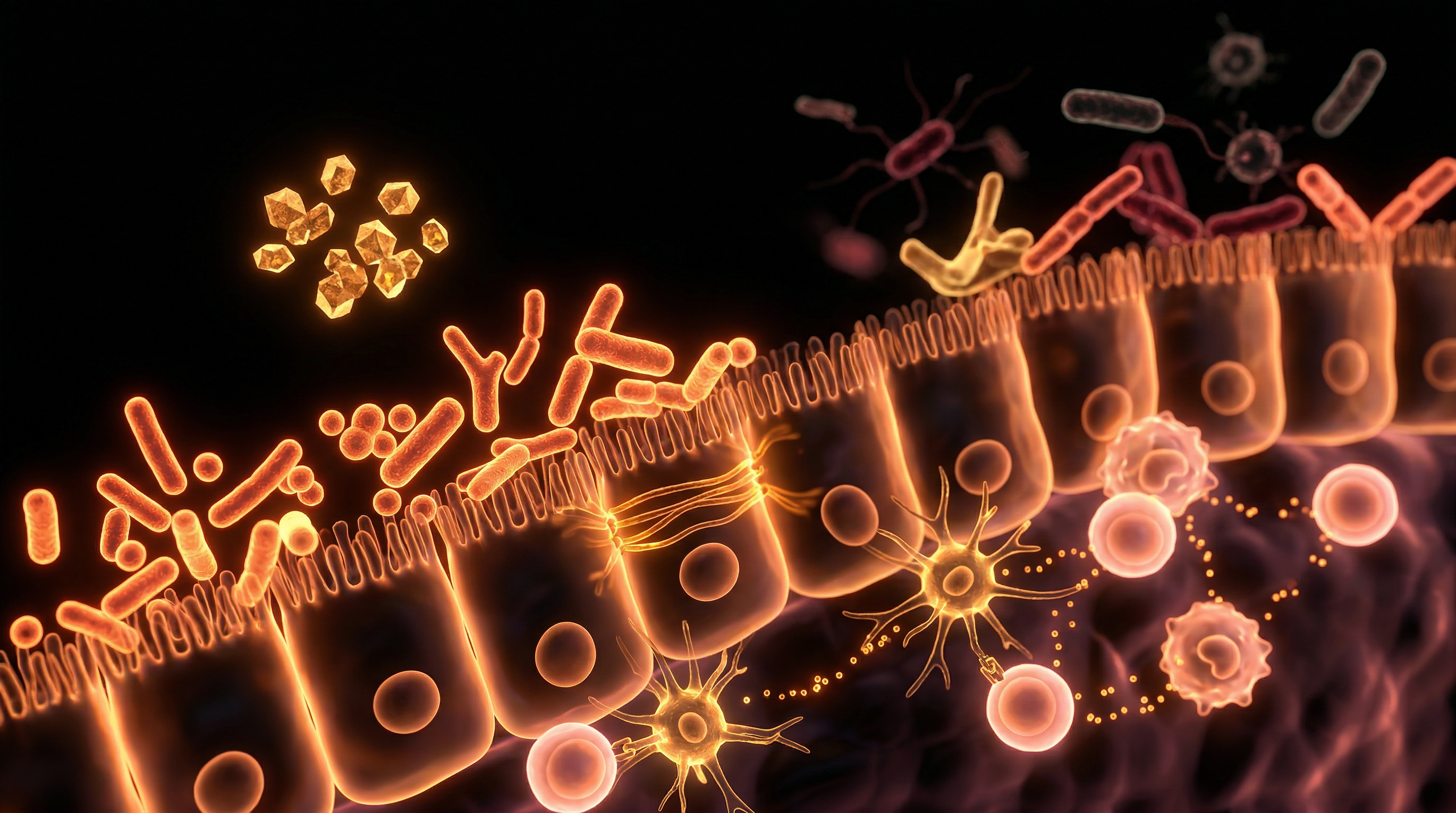
To understand the "Fermented Shield," one must first appreciate the staggering complexity of the Gut-Associated Lymphoid Tissue (GALT). The GALT is the primary theatre of operations for the human immune system. It comprises Peyer’s patches, isolated lymphoid follicles, and the mesenteric lymph nodes. Within this sprawling network, the body maintains a delicate equilibrium between tolerance and aggression.
The microbiome acts as the primary sensory interface of the GALT. It is the filter through which the external world is translated into internal biological signals. This process occurs through several distinct biological pathways:
1. Competitive Exclusion
The sheer physical presence of a robust, diverse microbiome prevents the colonisation of pathogenic species. Like a densely packed forest floor, a healthy gut leaves no room for "weeds" (pathogens) to take root. Beneficial bacteria, such as Lactobacillus and Bifidobacterium, produce antimicrobial substances known as bacteriocins and organic acids that lower the local pH, creating a hostile environment for invaders like Salmonella or C. difficile.
2. The Mucosal Barrier Integrity
The intestinal wall is a single layer of epithelial cells—only one cell thick. This is the only barrier separating the external world (the contents of the gut) from the internal sterile environment of the blood. Beneficial microbes stimulate the production of mucins, the glycosylated proteins that form a protective gel layer over the epithelium. Without constant microbial signalling, this barrier thins, leading to "leaky gut" or increased intestinal permeability.
3. The Vagus Nerve and the HPA Axis
The gut is often called the "second brain" or the enteric nervous system. It communicates directly with the central nervous system via the Vagus nerve. Microbial metabolites act as neurotransmitters (serotonin, GABA, dopamine), modulating the Hypothalamic-Pituitary-Adrenal (HPA) axis. A distressed microbiome sends signals of "systemic alarm," elevating cortisol levels and suppressing the adaptive immune response.
Key Statistic: There are roughly 39 trillion microbial cells in the human body, outnumbering "human" cells in a ratio that suggests we are, genetically speaking, more microbe than man.
Mechanisms at the Cellular Level
When we consume fermented foods—unpasteurised sauerkraut, kefir, kimchi, or kombucha—we are ingesting a living matrix of microorganisms and their metabolic by-products. Once these reach the ileum and colon, a sophisticated molecular dialogue begins at the cellular level.
The Role of Short-Chain Fatty Acids (SCFAs)
The most critical mechanism of microbiome-mediated immunity involves the fermentation of dietary fibres into Short-Chain Fatty Acids (SCFAs), primarily Butyrate, Propionate, and Acetate.
- Butyrate: This is the primary energy source for colonocytes (the cells lining the colon). Butyrate is also a potent HDAC inhibitor (Histone Deacetylase inhibitor), meaning it can epigenetically regulate immune genes. It promotes the differentiation of Regulatory T-cells (Tregs), which are the "peacekeepers" of the immune system that prevent autoimmune attacks.
- Propionate and Acetate: These enter the bloodstream and travel to the bone marrow, where they influence the production of new immune cells (haematopoiesis), ensuring a steady supply of well-trained macrophages and neutrophils.
Toll-Like Receptors (TLRs) and Pattern Recognition
Immune cells express Toll-Like Receptors (TLRs), which act as "scanners" for specific molecular patterns. Fermented foods contain Microbe-Associated Molecular Patterns (MAMPs). When these MAMPs bind to TLRs in the gut, they provide "low-level training." It is akin to a controlled fire drill. By constantly interacting with the harmless bacteria in fermented cabbage or yogurt, the immune system stays in a state of "alert readiness" without triggering full-blown inflammation.
The Secretory IgA (SIgA) Response
Secretory Immunoglobulin A (SIgA) is the primary antibody of the mucosal immune system. It acts like a "biological paint" that coats pathogens, preventing them from adhering to the gut wall and facilitating their removal. Probiotic bacteria have been shown to significantly upregulate the production of SIgA, effectively strengthening the first line of defence against respiratory and gastrointestinal viruses.
Postbiotics: The Hidden Power
We are now discovering that the live bacteria are only half the story. The postbiotics—the dead cells, cell wall fragments, and metabolites found in aged ferments—contain potent signalling molecules. Even if a probiotic bacterium does not permanently colonise the gut, its "biological ghost" provides instructions to the host’s immune cells, modulating cytokine production and reducing systemic inflammation.
Environmental Threats and Biological Disruptors
The "Fermented Shield" is under constant assault from the modern industrial environment. We are living through an era of Dysbiosis, a state of microbial imbalance that is the root cause of the "diseases of civilisation."
1. The Antibiotic Apocalypse
While life-saving in acute scenarios, the over-prescription of broad-spectrum antibiotics is a biological catastrophe. A single course of antibiotics can wipe out decades of microbial diversity. Often, the "keystone species" that regulate our immune response never return, leaving the host vulnerable to opportunistic infections and chronic inflammation.
2. Glyphosate and Agricultural Chemicals
The herbicide glyphosate (the active ingredient in Roundup) is a profound disruptor of the microbiome. It works by inhibiting the shikimate pathway, a metabolic pathway found in plants and bacteria. While humans do not have this pathway, our gut bacteria do. By consuming glyphosate-sprayed grains and legumes, we are effectively consuming a low-dose antibiotic that selectively kills beneficial species while allowing pathogens like Salmonella to flourish.
3. Chlorinated Water
The chlorine used to sanitise municipal water supplies is designed to kill bacteria. Unfortunately, it does not distinguish between the bacteria in the reservoir and the bacteria in your duodenum. Chronic exposure to chlorinated water acts as a persistent sterilising agent, thinning the "Fermented Shield."
4. Ultra-Processed Foods (UPFs)
UPFs are "sterile" foods. They lack the enzymes, fibres, and live cultures necessary for microbial health. Furthermore, the emulsifiers (such as polysorbate 80 and carboxymethylcellulose) used in processed foods act like detergents, literally dissolving the protective mucus layer of the gut and exposing the immune system to a barrage of undigested food particles.
Callout Fact: Research indicates that the average Westerner has lost approximately 30-50% of the microbial diversity found in ancestral, hunter-gatherer populations.
The Cascade: From Exposure to Disease
What happens when the Fermented Shield fails? The result is a predictable biological cascade that leads from sub-clinical irritation to chronic systemic disease.
Stage 1: Dysbiosis and Epithelial Breach
As beneficial colonies decline due to poor diet or environmental toxins, the mucosal barrier thins. The "tight junctions" between epithelial cells begin to fail. This is the onset of intestinal permeability.
Stage 2: Metabolic Endotoxaemia
Once the barrier is breached, fragments of gram-negative bacteria known as Lipopolysaccharides (LPS) or "endotoxins" leak into the bloodstream. The immune system views LPS as a sign of a massive infection. This triggers a state of chronic, low-grade systemic inflammation.
Stage 3: Molecular Mimicry and Autoimmunity
The immune system, now in a state of hyper-vigilance and confusion, begins to misidentify the body's own tissues as foreign invaders. This is known as molecular mimicry. Because the gut was never properly "trained" by diverse ferments, it loses the ability to distinguish self from non-self. This is the genesis of conditions like Hashimoto’s thyroiditis, Rheumatoid Arthritis, and Type 1 Diabetes.
Stage 4: The Cytokine Storm
In the event of a genuine viral threat (such as influenza or coronaviruses), a dysbiotic immune system is prone to overreaction. Lacking the "braking system" provided by microbial-derived Tregs, the body produces an uncontrolled surge of pro-inflammatory cytokines. It is often not the virus that kills the host, but the host's own uncoordinated immune response—an event that a robust "Fermented Shield" is specifically designed to prevent.
What the Mainstream Narrative Omits
The suppression of microbiome-centric medicine is not merely an oversight; it is a structural necessity for the pharmaceutical industrial complex.
The Profitability of Chronic Management
There is no "patent" on sauerkraut. There is no "intellectual property" in the fermentation of cabbage. The mainstream narrative focuses almost exclusively on symptom suppression—antihistamines for allergies, immunosuppressants for autoimmunity, and NSAIDs for inflammation. These interventions do nothing to address the underlying microbial imbalance. In fact, many of these drugs further damage the microbiome, creating a feedback loop of pharmaceutical dependence.
The "Hygiene Hypothesis" Misdirection
The mainstream often cites the "Hygiene Hypothesis"—the idea that we are "too clean" for our own good. While partially true, it obscures a deeper reality. It isn't just about lack of dirt; it's about the loss of the seed. We have systematically removed the "starter cultures" from our environment. Traditional societies did not just live in dirt; they lived in a symbiotic relationship with fermented foods and local soils.
The Vaccine-Microbiome Link
Clinical trials rarely account for the microbiome status of participants. Yet, emerging research shows that the efficacy of any immunisation—natural or artificial—is entirely dependent on the host’s gut health. A "sterile" gut cannot mount a sophisticated or lasting antibody response. By ignoring the microbiome, the mainstream narrative ignores the very foundation of how immunity is constructed.
The UK Context
The United Kingdom faces a unique set of challenges regarding microbiome health. The "Great British Diet" has undergone a radical transformation over the last century, moving further away from its traditional roots than almost any other European nation.
- The Industrial Revolution Legacy: The UK was the first nation to industrialise its food supply. This led to an early abandonment of local, fermented artisanal foods in favour of shelf-stable, pasteurised products.
- The UPF Crisis: Recent data suggests that the UK consumes more ultra-processed food than any other country in Europe, with over 50% of the average diet consisting of UPFs. This correlates directly with the UK’s skyrocketing rates of Crohn’s disease and Ulcerative Colitis.
- The NHS Burden: The National Health Service is currently overwhelmed by "lifestyle diseases" and autoimmune conditions. Yet, the clinical guidelines for GALT-related disorders rarely involve nutritional or probiotic intervention as a first-line therapy.
- Soil Depletion: British agricultural soils, after decades of intensive farming and chemical application, are increasingly "dead." This means the produce grown in these soils lacks the diverse microbial signatures that our ancestors would have ingested naturally.
There is a burgeoning "underground" fermentation movement in the UK—from Cornish sauerkraut producers to London-based kefir dairies—but this remains on the fringes of medical practice. To save the NHS and the health of the nation, the "Fermented Shield" must be integrated into the core of British public health policy.
Protective Measures and Recovery Protocols
Restoring the Fermented Shield is a process of biological rewilding. It requires a multi-phased approach to remove disruptors and reintroduce ancestral intelligence.
Phase 1: The Great Removal
- Filter Water: Use high-quality filters (reverse osmosis or activated carbon) to remove chlorine and fluoride from drinking and bathing water.
- Eliminate UPFs: Remove all foods containing emulsifiers, artificial sweeteners (which are toxic to the microbiome), and refined seed oils.
- Sourcing: Move toward organic or "regenerative" produce to avoid glyphosate residues.
Phase 2: The Re-Inoculation
The goal is to introduce a wide variety of microbial strains. Diversity is the hallmark of a resilient immune system.
- Wild Ferments: Consume 1-2 tablespoons of raw, unpasteurised sauerkraut or kimchi with every meal. These "wild" ferments contain hundreds of different strains, unlike commercial probiotics which may only contain five or six.
- Traditional Kefir: Real milk or water kefir contains yeasts and bacteria that can actively colonise the gut, unlike yogurt which mostly provides "transient" bacteria.
- Prebiotic Scaffolding: Microbes need food to survive. Increase intake of "microbiota-accessible carbohydrates" (MACs) found in garlic, leeks, onions, asparagus, and Jerusalem artichokes.
Phase 3: Lifestyle Synchronisation
- Circadian Rhythms: The microbiome has its own internal clock. Eating at irregular times or late at night disrupts microbial metabolism and weakens the immune shield.
- Cold Exposure: Brief exposure to cold (e.g., cold showers) has been shown to alter the microbiome in a way that increases metabolic rate and reduces systemic inflammation.
- Soil Contact: Gardening or spending time in "wild" environments exposes the host to soil-based organisms (SBOs) that act as essential immune modulators.
Important Fact: Probiotic supplements are often useful, but they are "the map," whereas fermented foods are "the territory." The complexity of a living fermented food cannot be replicated in a capsule.
Summary: Key Takeaways
The path to sovereign health lies in the recognition that our "shield" is not made of steel or pharmaceutical chemicals, but of a living, breathing microbial lattice.
- 70% of Immunity: The gut is the command centre of the immune system. If the gut is compromised, the body is defenceless or, worse, self-destructive.
- Fermentation as Education: Probiotic foods do not just "add" bacteria; they educate the host's immune cells, teaching them how to respond to threats and when to remain calm.
- The SCFA Powerhouse: Short-chain fatty acids like Butyrate are the currency of health. They fuel our cells and govern our genes.
- Resist the Sterile Narrative: Modern life—from chlorinated water to glyphosate—is an assault on our microbial heritage. Awareness of these disruptors is the first step toward recovery.
- Diversity equals Resilience: A diet rich in varied, traditionally fermented foods is the most potent insurance policy against both infectious disease and autoimmune dysfunction.
We are at a crossroads in human biology. We can continue down the path of increasing sterilisation and chronic illness, or we can reclaim our place within the biological web. The "Fermented Shield" is our ancestral birthright—it is time we took it back.
Author: Senior Biological Researcher, INNERSTANDING Date: May 2024 Subject: Microbiology / Pathology / Immunology
This article is provided for informational and educational purposes only. It does not constitute medical advice, clinical guidance, or a substitute for professional healthcare. Information reflects cited research at time of publication. Always consult a qualified healthcare professional before acting on any health information.
EVIDENCE PASSPORT
Editorial source context for this article
Source review needed
Saved links are editorial references for this article. They may support specific claims rather than every sentence. Open and assess each source in context. This passport does not independently verify them.
Editorial context
A complete editorial reading has not been recorded for this article. Source links remain available for you to open and assess directly.
Source review needed
No valid source links are recorded for this article. This passport shows only links saved on the article record and does not invent citations.
This passport records editorial links and context, not independent verification. Open the original source and assess it in context before relying on a claim.
Medical Disclaimer
The information in this article is for educational purposes only and does not constitute medical advice, diagnosis, or treatment. Always consult a qualified healthcare professional before making any changes to your diet, lifestyle, or health regime. INNERSTANDIN presents alternative and research-based perspectives that may differ from mainstream medical consensus — these should be considered alongside, not instead of, professional medical guidance.
Read Full DisclaimerContinue the thread
Keep this question moving.
Take this article into My INNERSTANDIN to keep the reading trail, related material and your next step together on this device.
Explore this in the Body Map
See where this hits your biology. Interactive anatomy, threats, and protective protocols.
Dig deeper in the Library
Free, longform PDF volumes that go beyond headlines into mechanisms and references.