
The Industrialisation of Bacteria: Protecting Ancestral Strains
Updated May 2026
As we standardise food production, we lose the unique 'terroir' of local British microbes. Protecting small-batch fermenters is a matter of biological security and genetic diversity.
Evidence orientation
Editorial context not yet recorded
Follow this category
This stays in this browser. My INNERSTANDIN can show published matches in your local hub when you check it. It does not send email, push, or alert notifications.
Local learning review
A private browser aid for revisiting ideas. It is not an alert or a health recommendation.
Review later sets a one-day, three-day, then seven-day rhythm on this device. Choose it only when you want to revisit this article.
Overview
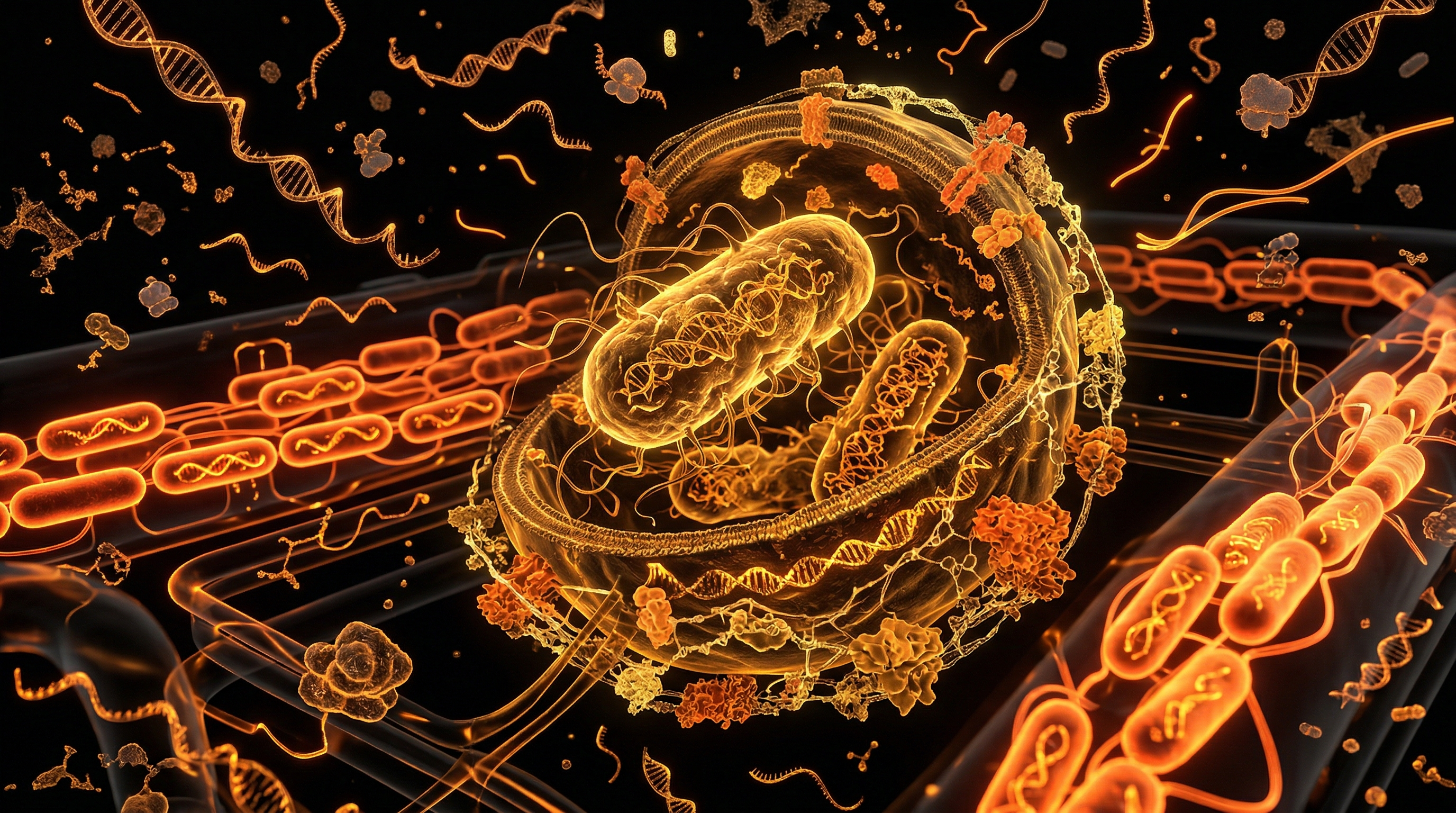
In the quiet corners of the British countryside, a biological heritage of immense value is being quietly extinguished. While the world focuses on the extinction of megafauna and the loss of rainforests, an invisible catastrophe is unfolding within our food systems: the systematic erasure of ancestral microbial strains. For millennia, the human-microbe relationship was one of co-evolution. Local environments—the specific humidity of a Somerset cellar, the airborne yeasts of a Kentish orchard, or the specific salt-mist of a Cornish coastline—governed the microbial 'terroir' of our food.
Today, this biological diversity is under siege by the forces of industrialisation. The "Great Standardisation" has replaced diverse, resilient, wild-type microbial communities with patented, laboratory-grown monocultures. This is not merely an aesthetic loss for the culinary world; it is a critical threat to biological security. By narrowing the genetic bottleneck of the bacteria that ferment our food and colonise our guts, we have made the human microbiome more fragile and susceptible to systemic failure.
The industrialisation of bacteria represents a fundamental shift from "living medicine" to "dead commodities." As a senior researcher for INNERSTANDING, I must state clearly: the protection of small-batch fermenters and the preservation of heritage microbial strains is a matter of national health and genetic sovereignty. We are witnessing the patenting of life itself, where the ancient commensal organisms that once belonged to the commons are being enclosed by corporate interests, leading to a profound "microbial amnesia" that threatens the very foundations of our immunity.
The Biology — How It Works
To understand what we are losing, we must first understand the complexity of wild fermentation. Unlike industrial fermentation, which uses a "starter culture" of one or two specific strains, wild fermentation relies on microbial succession.
In a traditional British sourdough or a raw-milk farmhouse cheese, the process is a choreographed dance of hundreds of species. It begins with "pioneer" species—often Enterobacteriaceae or wild yeasts like Saccharomyces cerevisiae—which alter the pH and oxygen levels of the medium. This environmental shift allows the Lactic Acid Bacteria (LAB), such as Lactobacillus plantarum and Leuconostoc mesenteroides, to take hold.
The Concept of Terroir
Microbial terroir is the biological signature of a place. It is composed of:
- Atmospheric Microbes: The "yeast rain" unique to specific geographic coordinates.
- Substrate Microbiota: The bacteria naturally present on the skin of the fruit or the udder of the cow.
- Vessel Communities: The "resident" microbes living in the pores of oak barrels, stone crocks, or wooden stirring paddles.
When these elements combine, they create a poly-microbial consortium. These communities are far more robust than industrial isolates because they possess functional redundancy. If one strain fluctuates due to temperature changes, another strain with a similar metabolic niche steps in to ensure the fermentation completes. This resilience is what industrial processes seek to eliminate in favour of "predictable" (but fragile) outcomes.
Fact: A single gram of traditional raw-milk cheese can contain over 10^9 microbial cells, representing dozens of distinct species and hundreds of unique genetic strains. In contrast, industrial "processed" cheese often contains zero living organisms.
Mechanisms at the Cellular Level
At the microscopic scale, the difference between an ancestral strain and an industrial isolate is staggering. Industrial bacteria are selected for a single trait: speed of acid production or CO2 release. In this selective pressure, they often lose the complex secondary metabolites that provide health benefits to the human host.
Horizontal Gene Transfer (HGT)
One of the most critical mechanisms in ancestral strains is Horizontal Gene Transfer. In a diverse wild ferment, bacteria exchange genetic material via plasmids. This allows the community to adapt to environmental stressors in real-time. Industrial monocultures are genetically "locked." They cannot adapt, and they lack the genetic "wisdom" accumulated over centuries of exposure to local British pathogens.
Quorum Sensing and Biofilms
Ancestral strains communicate through quorum sensing—a chemical signalling system that allows bacteria to coordinate their behaviour. In traditional fermenting vessels, these microbes form complex biofilms. These are not "slime," but sophisticated biological architectures that protect beneficial bacteria from being washed away or outcompeted. Industrial stainless-steel vats are designed to prevent biofilm formation, inadvertently destroying the "social structure" of the microbes.
Proteolysis and Nutrient Bioavailability
Wild-type Lactobacilli possess an arsenal of proteolytic enzymes that break down complex proteins (like gluten and casein) and neutralise anti-nutrients (like phytic acid). Industrial strains, bred for rapid fermentation, often bypass these slow metabolic processes. This results in food that looks the same but is biochemically "raw" to the human digestive system, contributing to the rise in modern food sensitivities.
Environmental Threats and Biological Disruptors
The survival of ancestral strains is currently threatened by three primary vectors of disruption: Chemical Warfare, Regulatory Overreach, and Genetic Patenting.
The Chemical Siege
The pervasive use of Glyphosate and other broad-spectrum herbicides has decimated the microbial populations on the surfaces of crops. Glyphosate acts via the shikimate pathway, a metabolic route found in plants and bacteria but not humans. While proponents argue this makes it "safe" for humans, it is lethal to the very bacteria we rely on for fermentation. When "dead" grain arrives at a bakery, it lacks the indigenous microbes required for a natural rise, forcing the baker to rely on commercial yeast.
The Sterility Complex
Modern food safety regulations are built upon the Pasteurian Paradigm—the idea that all microbes are potential pathogens. This has led to a "war on microbes" where traditional wooden tools are banned in favour of plastic and steel, and raw milk production is strangled by bureaucracy.
- Hyper-pasteurisation: The use of UHT (Ultra-High Temperature) treatment destroys not just pathogens, but the delicate enzymes and beneficial bacteria that have historically protected the British gut.
- Sanitisation Residues: The pervasive use of quaternary ammonium compounds (quats) in industrial kitchens creates a "superbug" environment where only the most resistant (and often pathogenic) strains survive.
The Intellectual Property Trap
Large biotech firms are currently scouring the globe—including rural Britain—to "discover" and patent unique microbial strains. Once a strain is sequenced and patented, it is no longer part of the biological commons. Small-batch producers can find themselves in legal jeopardy for using "unauthorised" cultures, even if those cultures have been in their family for generations.
The Cascade: From Exposure to Disease
The loss of ancestral strains in our diet triggers a biological cascade that ends in chronic inflammatory disease. This is often referred to as the "Missing Microbes" hypothesis, pioneered by Dr Martin Blaser, but the implications go far deeper than the mainstream acknowledges.
Phase 1: The Initial Depletion
When we consume standardised, sterile food, our gut diversity plummets. We lose the "keystone species" that regulate our immune system. Without these ancestral guides, the immune system becomes "bored" and hyper-reactive.
Phase 2: Intestinal Permeability
Ancestral bacteria produce high levels of Short-Chain Fatty Acids (SCFAs) like butyrate, which fuel the cells lining the colon. Industrial diets lack the microbial diversity to produce sufficient SCFAs, leading to a breakdown of the mucosal barrier—commonly known as Leaky Gut.
Phase 3: Systemic Endotoxaemia
Once the gut barrier is breached, Lipopolysaccharides (LPS)—toxins from the cell walls of "bad" bacteria—leak into the bloodstream. This triggers a state of low-grade systemic inflammation.
Phase 4: The Rise of the Modern Plague
This chronic inflammation is the "root of the root" for:
- Autoimmune disorders: Type 1 diabetes, Crohn's, and Rheumatoid Arthritis.
- Neuropsychiatric issues: The gut-brain axis is severed, leading to increased rates of anxiety, depression, and neurodegeneration.
- Metabolic Syndrome: The loss of metabolic-regulating bacteria like Akkermansia muciniphila (which thrives on a diverse, fermented diet) leads to obesity and insulin resistance.
Warning: The "Probiotic" pills sold in pharmacies are often "monocultural band-aids." They cannot replace the complex, co-evolved ecosystem of a living, wild-fermented food.
What the Mainstream Narrative Omits
The mainstream narrative, supported by the industrial food lobby, maintains that "bacteria are bacteria" and that "added probiotics" compensate for the loss of traditional ferments. This is a scientific fallacy.
The "Dead Food" Economy
The industrial food system is designed for shelf-life, not human life. A living food is, by definition, unstable. It continues to ferment, change flavour, and eventually spoil. This is anathema to the supermarket model, which requires products to remain identical for months. To achieve this, the industry kills the food (pasteurisation) and then adds a "standardised" dose of a single strain to claim "probiotic" benefits on the label. This is microbial theatre.
The Suppression of Traditional Knowledge
There is a concerted effort to frame traditional fermenters as "unhygienic" or "dangerous." Yet, historical data shows that traditional raw-milk cheeses have an extraordinary safety record. The natural acidity and complex microbial "crowding" of a healthy ferment are more effective at suppressing pathogens like Listeria and Salmonella than the sterile environment of a factory, which, once contaminated, has no "good bacteria" to fight back.
The Biological Security Threat
By standardising our microbial intake, we are creating a biological monoculture. Just as the Irish Potato Famine was caused by a lack of genetic diversity in crops, our current "Microbiome Famine" makes the population vulnerable to a single, virulent pathogen that can sweep through a compromised, uniform gut ecosystem.
The UK Context
The British Isles possess a unique microbial heritage that is currently at a tipping point. From the "Mother" vinegars of Somerset to the wild-fermented ales of the West Country, our geography has dictated our internal biology for centuries.
The Loss of the British Farmhouse Cheese
In the early 20th century, Britain had over 3,500 independent farmhouse cheese makers. Following the industrialisation of the post-war era and the dictates of the Milk Marketing Board, this number plummeted to fewer than 100. Each time a farmhouse dairy closes, a unique, multi-generational microbial lineage—a lineage of life—is lost forever.
The Regulatory "Squeeze"
Post-Brexit, the UK has an opportunity to redefine its food safety standards. However, much of the current legislation still mimics the most restrictive EU "hygiene" codes. These codes are often written by and for large-scale industrial producers, creating a regulatory barrier that small-batch fermenters cannot afford to bypass.
The Heritage Ale Crisis
British brewing was built on "house yeasts"—strains of Saccharomyces and Brettanomyces that lived in the wood of the tuns and the rafters of the breweries. Today, the vast majority of British pubs serve beer made from a handful of commercial yeast strains owned by global conglomerates. The "English Bitter" of today is biologically distinct from the "English Bitter" of 1900.
Callout: In 2023, researchers discovered that certain traditional British cider orchards contain yeast strains found nowhere else on Earth. These are the biological equivalent of the Crown Jewels, yet they have no legal protection.
Protective Measures and Recovery Protocols
Protecting our ancestral strains is not just a job for scientists; it is a daily practice for every citizen. We must move from being "consumers" to "stewards."
1. Microbial Sourcing and "Bio-Regionalism"
Seek out foods that are "Wild Fermented" or "Raw." Support local British producers who use traditional methods.
- Raw Milk Cheese: Look for Neal's Yard Dairy selections or local farmhouse producers who use "natural starters."
- Real Bread: Only buy sourdough from bakers who maintain a "living mother" starter, not those who use "sourdough powder" (a common industrial cheat).
2. The "Rewilding" Protocol
To recover your own internal ancestral diversity:
- Diverse Fibre: Eat at least 30 different plant types per week to feed the various strains.
- Microbial Inoculation: Consume small amounts of raw, unpasteurised ferments (sauerkraut, kimchi, kefir) daily.
- Dirt and Nature: Re-engage with the British soil. Gardening without chemicals exposes the skin and respiratory system to beneficial soil-based organisms (SBOs).
3. Establishing Community "Starter Banks"
We must treat microbial starters like heirloom seeds. Community sourdough libraries and "SCOBY" exchanges are vital for keeping these lineages alive outside of the corporate patent system. If you have a starter that has been in your family for years, you are the custodian of a biological treasure.
4. Policy Advocacy
Demand a "Microbial Heritage" designation for traditional food processes. This would exempt small-batch, traditional producers from the sterility requirements designed for industrial factories, recognising that their "terroir" is a safety feature, not a bug.
Summary: Key Takeaways
- Microbial Erosion: The industrialisation of food is causing a silent extinction of ancestral microbial strains that are vital for human health.
- Functional Loss: Industrial monocultures lack the genetic complexity and secondary metabolites found in wild-type consortia, leading to "nutritionally hollow" ferments.
- Biological Security: Standardising our microbiome creates a systemic vulnerability, making the population more susceptible to autoimmune diseases and pathogens.
- The Terroir Factor: British microbial diversity is a unique geographic asset that is being replaced by patented, globalised laboratory strains.
- Sterility is Not Safety: The "war on microbes" has backfired, creating a rise in chronic inflammation and destroying the natural protective barriers in our food and guts.
- Sovereignty: Protecting small-batch fermenters and maintaining living starters is an act of biological and political resistance against corporate enclosure.
The future of British health does not lie in a laboratory or a pharmaceutical "probiotic" capsule. It lies in the restoration of our relationship with the invisible world. We must protect the ancestral strains, for they are the silent architects of our immunity, our heritage, and our very survival. As we move forward, the mantra of INNERSTANDING remains: To know the microbe is to know the self.
This article is provided for informational and educational purposes only. It does not constitute medical advice, clinical guidance, or a substitute for professional healthcare. Information reflects cited research at time of publication. Always consult a qualified healthcare professional before acting on any health information.
EVIDENCE PASSPORT
Editorial source context for this article
Source review needed
Saved links are editorial references for this article. They may support specific claims rather than every sentence. Open and assess each source in context. This passport does not independently verify them.
Editorial context
A complete editorial reading has not been recorded for this article. Source links remain available for you to open and assess directly.
Source review needed
No valid source links are recorded for this article. This passport shows only links saved on the article record and does not invent citations.
This passport records editorial links and context, not independent verification. Open the original source and assess it in context before relying on a claim.
Medical Disclaimer
The information in this article is for educational purposes only and does not constitute medical advice, diagnosis, or treatment. Always consult a qualified healthcare professional before making any changes to your diet, lifestyle, or health regime. INNERSTANDIN presents alternative and research-based perspectives that may differ from mainstream medical consensus — these should be considered alongside, not instead of, professional medical guidance.
Read Full DisclaimerContinue the thread
Keep this question moving.
Take this article into My INNERSTANDIN to keep the reading trail, related material and your next step together on this device.
Dig deeper in the Library
Free, longform PDF volumes that go beyond headlines into mechanisms and references.