
Pleomorphism Uncovered: How Microbes Adapt to Their Biological Surroundings
Updated May 2026
Explore the controversial but fascinating concept of pleomorphism, which suggests that microbes can change shape and function based on their environment. Learn how this understanding shifts our approach to infection and chronic disease management.
Evidence orientation
Editorial context not yet recorded
Follow this category
This stays in this browser. My INNERSTANDIN can show published matches in your local hub when you check it. It does not send email, push, or alert notifications.
Local learning review
A private browser aid for revisiting ideas. It is not an alert or a health recommendation.
Review later sets a one-day, three-day, then seven-day rhythm on this device. Choose it only when you want to revisit this article.
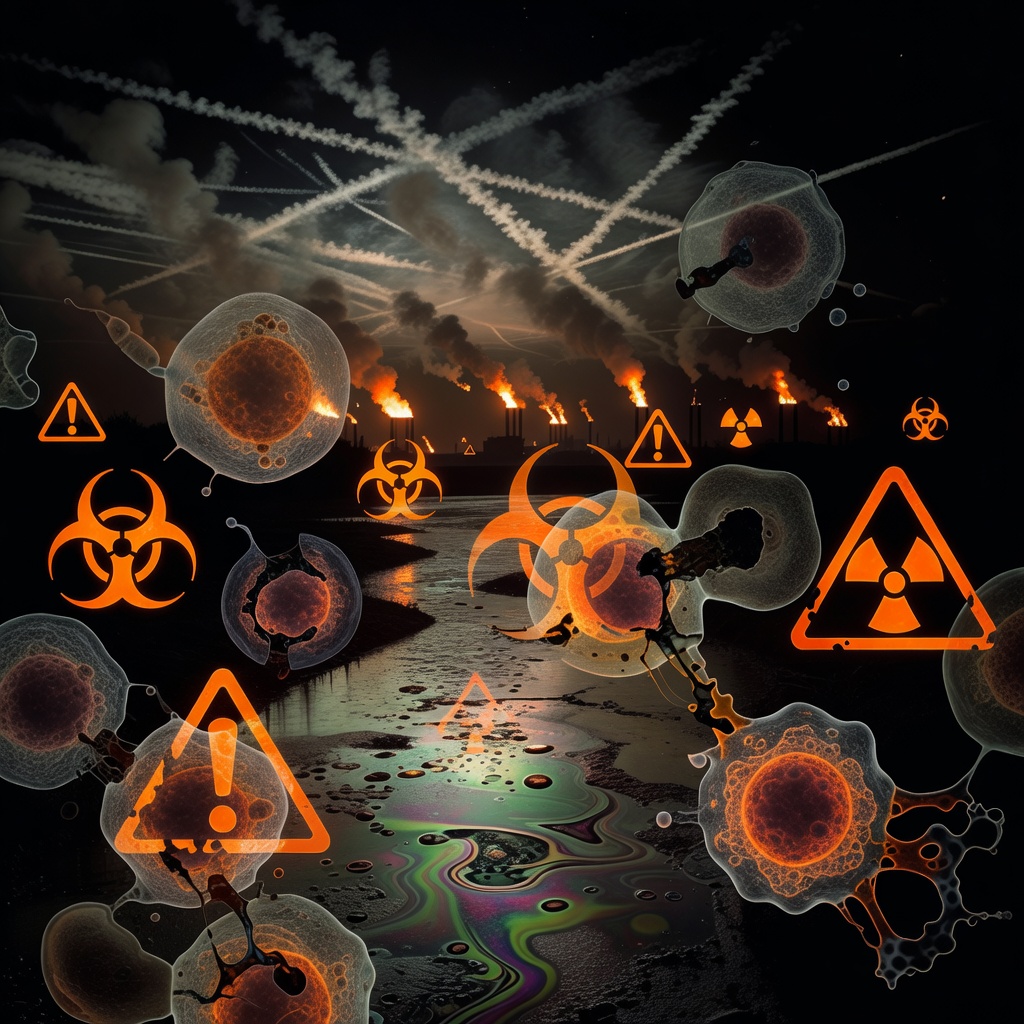
Overview
The foundation of modern Western medicine is built upon a fundamental misconception—a biological reductionism that has steered clinical practice into a dead end for over a century. We are taught that microbes are fixed entities, static "germs" that invade a passive body to cause specific diseases. This is the doctrine of Monomorphism, championed by Louis Pasteur and codified into the pharmaceutical model of "one germ, one disease, one drug." However, a deeper, more profound reality exists beneath the lens of the microscope: Pleomorphism.
Pleomorphism (from the Greek pleon, meaning "more," and morphe, meaning "form") is the biological phenomenon where micro-organisms—bacteria, fungi, and even viruses—undergo radical transformations in their shape, function, and pathogenicity based entirely on the environment in which they reside. This environment, known in biological medicine as the Biological Terrain or milieu intérieur, is the ultimate arbiter of health and disease.
While mainstream microbiology often dismisses pleomorphism as "contamination" or "laboratory error," the work of pioneering scientists like Antoine Béchamp, Günther Enderlein, and Gaston Naessens has demonstrated that the microbial world is a fluid, adaptive continuum. Microbes do not just "attack" us; they respond to us. They evolve from harmless, symbiotic forms into virulent, pathogenic forms when our internal chemistry becomes toxic, acidic, or deoxygenated.
Understanding pleomorphism is the key to unlocking the mysteries of chronic disease, antibiotic resistance, and the failure of the "magic bullet" approach to infection. It shifts the focus from the "invader" to the "host," demanding a radical reassessment of how we nourish and protect our internal ecosystem. This article uncovers the suppressed science of microbial adaptation and explores how the UK’s current environmental and medical landscape is driving a silent epidemic of pleomorphic transformation.
Fact: Louis Pasteur, the father of Germ Theory, is reported to have admitted on his deathbed: "Le microbe n'est rien, le terrain est tout"—The microbe is nothing, the terrain is everything.
##
##
The Biology — How It Works
To understand pleomorphism, one must first abandon the idea that a bacterium is a permanent species. In the pleomorphic view, micro-organisms are different stages of a single, complex life cycle. The catalyst for these stage transitions is the state of the Biological Terrain.
The Life Cycle of the Microbe (Cyclogeny)
Professor Günther Enderlein (1872–1968), a German zoologist and bacteriologist, spent decades observing live blood through dark-field microscopy. He identified that the blood is not sterile but contains tiny, sub-microscopic living particles he called Protits. According to Enderlein, these protits are the most basic unit of life, existing in a symbiotic relationship within all mammals.
Under healthy conditions—characterised by an alkaline pH and high electrical potential—these protits remain in their "primitive" stages. They act as scavengers, assisting in metabolic processes and the breakdown of cellular debris. However, when the terrain becomes compromised by toxicity, poor nutrition, or emotional stress, the protits begin to aggregate and evolve. Enderlein termed this process Cyclogeny.
The cycle typically progresses through several stages:
- Protit Stage: Sub-microscopic, ultra-filterable particles of life.
- Chondrit Stage: The particles begin to link together into threads or chains.
- Bacterial Stage: When the environment becomes sufficiently acidic and toxic, the chondrits coalesce into recognisable bacterial forms (e.g., Streptococcus, Staphylococcus).
- Fungal Stage: The final, most pathogenic stage of the cycle, where the bacteria transform into fungal or mycelial forms to decompose the "dying" or heavily toxic host tissue.
The Concept of the Somatid
Building on Béchamp and Enderlein’s work, the French biologist Gaston Naessens developed the "Somatoscope," a microscope capable of viewing live specimens at extremely high resolutions (up to 30,000x) without killing them. He identified the Somatid, an indestructible, sub-cellular living granule that contains the blueprint for all life.
Naessens observed that in a healthy body, the somatid cycle consists of only three stages. However, when the immune system is suppressed or the terrain is polluted, the somatid expands into a 16-stage cycle, leading to the development of complex, pathogenic organisms. This suggests that the "infection" is not something we catch, but something we evolve from within as a biological response to internal decay.
Symbiosis vs. Parasitism
At the heart of pleomorphism is the concept of Symbiosis. We exist in a state of mutual benefit with trillions of micro-organisms. However, pleomorphism teaches us that symbiosis is conditional. When the host's internal environment shifts—specifically the Redox potential (rH2) and the pH level—the symbiotic relationship collapses. The microbe, sensing the impending death or dysfunction of the host, shifts into a parasitic, "scavenger" mode. Its biological "job" changes from assisting life to facilitating decomposition.
##
##
Mechanisms at the Cellular Level
The transformation of a microbe from a benign form to a virulent one is not a random event; it is governed by specific biochemical mechanisms and enzymatic pathways.
The Role of pH and Redox Potential
The Biological Terrain is defined by three primary parameters:
- pH (Acidity/Alkalinity): Most pathogenic pleomorphic transitions occur when the extracellular fluid drops below a pH of 7.0 (becoming acidic).
- rH2 (Oxidation/Reduction): This measures the saturation of electrons. A high rH2 indicates an oxidising, "rusting" environment, which triggers microbial evolution.
- Resistivity (rho): This measures the mineral content and osmotic pressure of the fluids.
When a cell’s internal environment becomes overly acidic and oxidised, enzymes such as Lactic Dehydrogenase (LDH) and Phosphofructokinase are upregulated. This shifts the cell’s metabolism from aerobic respiration (using oxygen) to anaerobic fermentation. Pathogenic microbes thrive in this fermentative environment, using the lactic acid byproduct as a fuel source for their next stage of pleomorphic growth.
Horizontal Gene Transfer (HGT) and Genetic Plasticity
Microbes possess an extraordinary ability to exchange genetic material through Horizontal Gene Transfer. This occurs via three main mechanisms:
- Transformation: Taking up free DNA from the environment.
- Transduction: DNA transfer mediated by bacteriophages (viruses).
- Conjugation: Direct cell-to-cell contact.
In a pleomorphic context, this genetic plasticity allows bacteria to rapidly alter their cell wall structure. One of the most dangerous pleomorphic forms is the L-form bacteria (Cell Wall Deficient or CWD bacteria). Because most antibiotics (like penicillin) work by attacking the bacterial cell wall, L-form bacteria are invisible to the drug. They change their shape, shedding their "skin" to survive, and can revert to their original form once the antibiotic "threat" has passed.
Biofilm: The Pleomorphic Fortress
Pathogenic microbes often transition into a collective pleomorphic state known as a Biofilm. A biofilm is a complex, multi-species community encased in a self-produced matrix of Extracellular Polymeric Substances (EPS). Within a biofilm, microbes exhibit entirely different phenotypes compared to their free-swimming (planktonic) counterparts. They communicate via Quorum Sensing, sharing metabolic duties and becoming up to 1,000 times more resistant to antibiotics and the host's immune response.
Callout: Research suggests that over 80% of human bacterial infections involve biofilm formation, representing a sophisticated pleomorphic adaptation to survive hostile environments.
##
##
Environmental Threats and Biological Disruptors
The "terrain" is not just an abstract concept; it is the physical and chemical state of our blood, lymph, and interstitial fluids. In the modern world, specifically within the UK, several key disruptors are forcing our internal microbes into pathogenic pleomorphic states.
Heavy Metal Accumulation
Metals such as Mercury (from dental amalgams and certain industrial processes), Aluminium (from cookware, deodorants, and medical adjuvants), and Lead act as potent catalysts for microbial mutation. Heavy metals create intense oxidative stress, raising the rH2 of the terrain.
Fungi, particularly Candida albicans, have a high affinity for heavy metals. From a pleomorphic perspective, a fungal overgrowth is often the body’s desperate attempt to "sequester" toxic metals within the fungal cell walls to protect the brain and vital organs. Attacking the fungus with anti-fungal drugs without addressing the metal toxicity causes the fungus to release the sequestered toxins, leading to a "Herxheimer reaction" and further biological damage.
The Glyphosate Impact
In the UK, the widespread use of Glyphosate-based herbicides (like Roundup) on agricultural land has a devastating effect on the human microbiome. Glyphosate acts as a broad-spectrum antibiotic and a potent mineral chelator. It disrupts the Shikimate pathway in our beneficial gut bacteria, leading to a depletion of essential amino acids like tryptophan and phenylalanine.
By killing off beneficial symbionts, glyphosate leaves an "ecological vacuum" that is quickly filled by pleomorphic, pathogenic forms. Furthermore, glyphosate disrupts the Cytochrome P450 (CYP) enzymes, which are essential for detoxifying environmental chemicals, further poisoning the terrain.
Electromagnetic Fields (EMF) and Cellular Voltage
The rapid rollout of 5G and ubiquitous Wi-Fi in the UK has introduced a new variable into the pleomorphic equation. Cells operate on an electrical gradient. Voltage-Gated Calcium Channels (VGCCs) are highly sensitive to non-ionising radiation. EMF exposure can cause an efflux of calcium into the cell, triggering a cascade of nitric oxide and peroxynitrite production. This oxidative stress lowers the cellular voltage, creating the exact low-energy, acidic environment required for microbes to shift into their pathogenic, fermentative stages.
##
##
The Cascade: From Exposure to Disease
The progression from a healthy terrain to a state of chronic disease follows a predictable pleomorphic cascade. It is rarely a sudden "infection" but rather a gradual degradation of biological order.
Phase 1: The Disturbed Milieu
The process begins with "subclinical" stressors: poor diet (high in refined sugars and ultra-processed fats), chronic dehydration, and environmental toxins. The blood pH begins to fluctuate, and the Protits (as identified by Enderlein) begin to aggregate into Chondrits. At this stage, the individual may feel "tired all the time" or suffer from vague symptoms like brain fog or digestive discomfort.
Phase 2: Bacterial Proliferation
As the terrain becomes more stagnant and acidic, the chondrits evolve into bacterial forms. This is often where mainstream medicine first intervenes, identifying a "bacterial infection" and prescribing antibiotics. However, because the underlying terrain remains toxic, the antibiotics only serve to push the bacteria into L-forms or encourage Biofilm formation. The "symptoms" may vanish temporarily, but the biological "fire" continues to smoulder.
Phase 3: The Fungal Transition
If the toxic load is not cleared, the microbes enter their final, most aggressive stages. Bacteria transform into yeast and fungal forms. This stage is characterised by high levels of Mycotoxins—toxic secondary metabolites such as Aflatoxin, Ochratoxin A, and Gliotoxin. These mycotoxins further suppress the immune system, damage the mitochondria, and can even alter DNA expression.
Phase 4: Chronic Degeneration and Malignancy
In the most advanced stages of cyclogeny, the pleomorphic organisms become truly parasitic. They consume the host's nutrients and produce massive amounts of acidic waste. This environment is the hallmark of chronic degenerative diseases, including autoimmune conditions and cancer.
Indeed, researchers such as Dr. Virginia Livingston-Wheeler identified a pleomorphic organism she called Protoporphyria typhi (later Cryptocides tumefaciens) present in all cancer tumours. She posited that cancer is not a genetic mistake but a systemic response to a pleomorphic infection that thrives in a deoxygenated, acidic terrain.
Warning: Chronic mycotoxin exposure from pleomorphic fungal overgrowth is linked to the inhibition of Protein Synthesis and the induction of Apoptosis (programmed cell death) in healthy tissues.
##
##
What the Mainstream Narrative Omits
The refusal of mainstream medical institutions to acknowledge pleomorphism is not due to a lack of evidence, but rather the implications such an acknowledgement would have on the pharmaceutical industry.
The Myth of Sterile Blood
Mainstream hematology teaches that blood is sterile unless an individual is in a state of sepsis. However, anyone trained in Dark-field Live Blood Analysis can clearly see that the blood is a living ecosystem. The presence of L-form bacteria and various microbial stages is visible in the blood of almost every "healthy" adult eating a modern Western diet. By ignoring these early warning signs, the medical establishment misses the opportunity for true preventative care.
The Failure of the "War on Germs"
The monomorphic approach has led to the "war on germs"—an endless cycle of antibiotics, antivirals, and disinfectants. This strategy is fundamentally flawed because it ignores the fact that microbes adapt. Every time we use a broad-spectrum antibiotic, we are providing the "evolutionary pressure" that forces microbes to enter their pleomorphic, resistant forms. We are essentially "training" the microbes to become more virulent while simultaneously destroying the symbiotic terrain that keeps us healthy.
Economic Incentives
The "one germ, one disease" model is highly profitable. It allows for the standardisation of treatments and the patenting of specific chemical compounds to "kill" specific invaders. If the medical world accepted that disease is a product of the terrain, the focus would shift to nutrition, detoxification, and environmental cleanup—areas that are difficult to patent and control.
##
##
The UK Context
In the United Kingdom, several factors make the study of pleomorphism particularly urgent. The UK’s regulatory and environmental landscape is currently fostering a "perfect storm" for pleomorphic disease.
Water Quality and the Environment Agency
The UK's water infrastructure is under immense strain. Reports from the Environment Agency have highlighted the staggering levels of "forever chemicals" (PFAS) and untreated sewage being discharged into British rivers. This pollution doesn't just stay in the environment; it enters the food chain and the water supply.
Fluoride (added to water in many parts of the UK) and chlorine are potent antimicrobials that disrupt the gut microbiome and lower the redox potential of our tissues. Furthermore, the UK's high population density and industrial history mean that the soil is often depleted of essential minerals like Magnesium and Selenium, which are vital for maintaining an alkaline, resilient terrain.
The Role of the MHRA and NHS
The Medicines and Healthcare products Regulatory Agency (MHRA) maintains a strict grip on what can be claimed regarding health and disease. Treatments that focus on "balancing the terrain"—such as high-dose vitamin C, ozone therapy, or biological medicines like Enderlein’s Isopathic remedies—are often marginalised or restricted.
The NHS, while excellent at acute trauma care, is fundamentally ill-equipped to deal with the pleomorphic reality of chronic disease. By the time a patient presents with a diagnosable disease, the pleomorphic cascade is often in its final stages. The system is designed to manage symptoms through lifelong medication rather than addressing the microbial evolution occurring within the patient's terrain.
Food Standards and the FSA
The Food Standards Agency (FSA) has overseen a shift toward highly processed, "shelf-stable" foods. These products are laden with emulsifiers (which destroy the gut lining) and preservatives (which act as "terrain-disruptors"). In the UK, the consumption of "Ultra-Processed Foods" (UPFs) is among the highest in Europe. These foods provide the perfect "fermentation fuel" for pathogenic pleomorphic transitions.
##
##
Protective Measures and Recovery Protocols
If the terrain is the key, then the solution to chronic pleomorphic "infection" is the restoration of biological order. This requires a multi-faceted approach to clean, nourish, and rebalance the internal milieu.
1. Alkalisation and Oxygenation
The most immediate way to arrest pathogenic pleomorphic growth is to shift the pH of the terrain.
- Dietary Shift: Moving toward a diet rich in organic, leafy green vegetables, which provide the alkaline minerals (Potassium, Magnesium, Calcium) necessary to buffer acidity.
- Deep Breathing: Oxygen is a natural "antifungal." Pathogenic pleomorphic forms thrive in anaerobic (low oxygen) conditions.
- Hydration: Drinking structured, mineral-rich water to flush out acidic metabolic waste products like Uric Acid and Lactic Acid.
2. Isopathic and Biological Medicine
Based on Enderlein’s work, Isopathy involves the use of "low-stage" microbial preparations (such as Mucor racemosus and Aspergillus niger in homeopathic dilutions) to "re-absorb" the pathogenic forms back into their symbiotic stages. This is not about killing the microbe, but about providing the biological "signal" that encourages it to revert to a harmless form.
3. Systematic Detoxification
The terrain cannot heal if it is constantly being poisoned.
- Chelation and Binding: Using natural binders like Zeolite, Modified Citrus Pectin, or Chlorella to remove heavy metals and mycotoxins.
- Liver and Kidney Support: Supporting the primary organs of elimination with herbs like Milk Thistle (Silybum marianum) and Dandelion root (Taraxacum).
- Lymphatic Drainage: The "sewer system" of the body must be moving. Dry brushing, rebounders, and manual lymphatic drainage help prevent the stagnation that allows microbes to aggregate into biofilms.
4. Microbiome Restoration
Replacing the "ecological vacuum" with beneficial symbionts is crucial.
- Fermented Foods: Traditional UK foods like raw sauerkraut or kefir (if tolerated) provide a diverse array of symbiotic bacteria.
- Spore-Based Probiotics: These are particularly effective at surviving the stomach acid and re-seeding the gut, helping to "crowd out" pleomorphic fungal forms.
5. Managing the External Environment
- EMF Mitigation: Turning off Wi-Fi at night and using wired connections can help maintain the cellular voltage necessary for a healthy terrain.
- Filtering Water: Using high-quality filters (such as Reverse Osmosis or Berkey) to remove chlorine, fluoride, and pharmaceutical residues from UK tap water.
Key Protocol: Recovery from pleomorphic imbalances is a "marathon, not a sprint." It often takes 12 to 24 months of consistent terrain-focused work to fully reverse a chronic fungal or L-form bacterial state.
##
##
Summary: Key Takeaways
- The Terrain is Supreme: Disease is not caused by "invading" germs but by a breakdown in the internal environment (pH, Redox, Toxicity) that causes our own microbes to transform into pathogenic forms.
- Monomorphism is a Limited View: The "one germ, one disease" theory fails to account for the adaptive, fluid nature of micro-organisms (Pleomorphism).
- Cyclogeny: Microbes follow a life cycle, evolving from benign "Protits" into bacteria and finally into aggressive fungi as the host's health declines.
- The Modern UK Crisis: Pollution, glyphosate, EMFs, and ultra-processed foods are the primary drivers of pleomorphic "pathogenesis" in the UK population.
- Invisible Threats: L-form (cell-wall deficient) bacteria and biofilms allow pathogenic organisms to hide from both the immune system and conventional antibiotics.
- True Healing is Possible: By alkalising the body, detoxifying heavy metals, and using biological medicines to signal microbial reversion, we can restore the symbiotic balance of our internal ecosystem.
The science of pleomorphism invites us to stop fearing the microbial world and start taking responsibility for our internal landscape. When we stop poisoning our "terrain," our microbes stop acting as our executioners and return to their original role as our most vital allies in the maintenance of life.
This article is provided for informational and educational purposes only. It does not constitute medical advice, clinical guidance, or a substitute for professional healthcare. Information reflects cited research at time of publication. Always consult a qualified healthcare professional before acting on any health information.
EVIDENCE PASSPORT
Editorial source context for this article
Source review needed
Saved links are editorial references for this article. They may support specific claims rather than every sentence. Open and assess each source in context. This passport does not independently verify them.
Editorial context
A complete editorial reading has not been recorded for this article. Source links remain available for you to open and assess directly.
Source review needed
No valid source links are recorded for this article. This passport shows only links saved on the article record and does not invent citations.
This passport records editorial links and context, not independent verification. Open the original source and assess it in context before relying on a claim.
Medical Disclaimer
The information in this article is for educational purposes only and does not constitute medical advice, diagnosis, or treatment. Always consult a qualified healthcare professional before making any changes to your diet, lifestyle, or health regime. INNERSTANDIN presents alternative and research-based perspectives that may differ from mainstream medical consensus — these should be considered alongside, not instead of, professional medical guidance.
Read Full DisclaimerContinue the thread
Keep this question moving.
Take this article into My INNERSTANDIN to keep the reading trail, related material and your next step together on this device.
Explore this in the Body Map
See where this hits your biology. Interactive anatomy, threats, and protective protocols.
Dig deeper in the Library
Free, longform PDF volumes that go beyond headlines into mechanisms and references.