
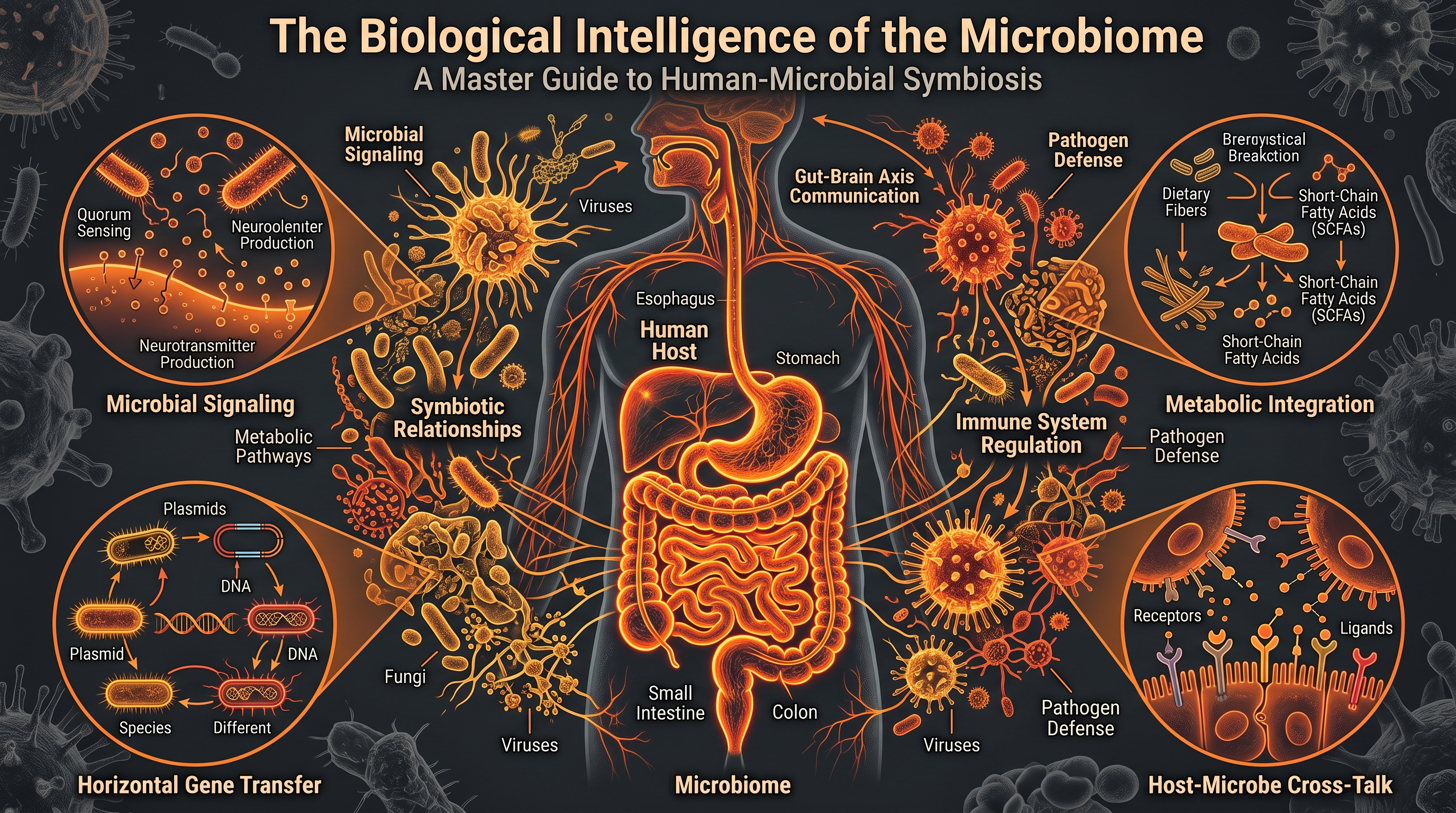
The Biological Intelligence of the Microbiome: A Master Guide to Human-Microbial Symbiosis
Overview
The human body is no longer viewed as a single, isolated organism but as a complex, multi-species collective known as a holobiont. Within this architecture, the microbiome represents an integrated biological intelligence system that functions as a second genome. This system comprises trillions of microorganisms that govern our metabolic, immunological, and neurological functions with precision. For centuries, biological science focused solely on human cells, yet we now recognise that microbial genes outnumber human genes significantly. Understanding this symbiosis is the current frontier of modern preventative medicine and human performance.
Microbial intelligence is not merely a collection of passive passengers; it is a proactive regulatory network. These organisms have co-evolved with humans for millennia, creating a deeply entrenched cooperative logic. This partnership ensures that the body can process nutrients, defend against pathogens, and signal the brain with remarkable efficiency. To ignore the microbiome is to ignore the primary driver of our biological resilience and long-term vitality.
The microbiome is not a separate entity; it is the master regulator of the human biological interface.
The Biology
The biological landscape of the microbiome is primarily concentrated within the distal gut, an environment perfectly suited for anaerobic fermentation. This ecosystem consists of bacteria, archaea, fungi, and viruses, each occupying a specific ecological niche. The diversity of these species is a direct indicator of host health and immunological robustness. A high-diversity microbiome acts as a biological buffer against environmental stressors and pathogenic invasion.
The Enteric Nervous System
The physical interface for this microbial intelligence is the Enteric Nervous System (ENS), often referred to as the second brain. The ENS contains over 500 million neurons and operates independently of the central nervous system to manage digestion and local immune responses. Microbes communicate with the ENS through the production of neurotransmitters like serotonin and gamma-aminobutyric acid (GABA). This bidirectional dialogue is the foundation of the Gut-Brain Axis, influencing mood, cognition, and behavior.
Taxonomic Diversity
- —Bacteroidetes: These bacteria are primary degraders of complex carbohydrates and are essential for energy balance.
- —Firmicutes: This phylum is involved in fat absorption and is often linked to metabolic efficiency.
- —Actinobacteria: This group includes Bifidobacterium, which are crucial for early-life immune development.
- —Verrucomicrobia: Includes Akkermansia, a key species for maintaining the integrity of the gut lining.
Mechanisms at the Cellular Level
At the cellular level, the microbiome functions through the production of metabolites known as short-chain fatty acids (SCFAs). These compounds, including butyrate, acetate, and propionate, are generated through the fermentation of non-digestible dietary fibres. SCFAs serve as the primary fuel source for the cells lining the colon, known as colonocytes. Without this constant supply of energy, the intestinal barrier would weaken, leading to systemic complications.
Immune Modulation
Microbes play a critical role in training the human immune system to distinguish between friend and foe. They stimulate the production of T-regulatory cells, which are essential for suppressing inappropriate inflammatory responses. This cellular coordination prevents the immune system from attacking the body’s own tissues or harmless environmental particles. Through the activation of G-protein coupled receptors, microbial metabolites influence immune cell migration and cytokine production throughout the body.
Cellular intelligence in the gut is a product of continuous chemical cross-talk between microbial metabolites and human receptors.
The Mucosal Barrier
The integrity of the mucosal barrier is maintained by specialized microbes that encourage the production of mucin. A thick mucus layer prevents bacteria from coming into direct contact with the intestinal epithelium. When this layer is compromised, a state of intestinal permeability or 'leaky gut' occurs. This allows lipopolysaccharides (LPS) to enter the bloodstream, triggering a systemic inflammatory cascade.
Environmental Threats
Modern living presents a variety of challenges to the stability of our microbial intelligence. One of the most significant threats is the overuse of broad-spectrum antibiotics, which can decimate beneficial populations. While antibiotics are life-saving, their collateral damage can take months or even years to repair. Frequent exposure to these drugs reduces taxonomic diversity and creates opportunities for opportunistic pathogens to thrive.
Ultra-Processed Foods and Emulsifiers
- —Artificial Sweeteners: Substances like saccharin can alter the composition of gut bacteria and drive glucose intolerance.
- —Emulsifiers: Common food additives can thin the protective mucus layer, promoting low-grade inflammation.
- —Low Fibre Intake: Diets lacking in plant variety starve beneficial microbes of their primary fuel source.
- —Chlorinated Water: While necessary for sanitation, excessive chlorine may impact the stability of sensitive microbial species.
The Hygiene Hypothesis
The obsession with hyper-sanitation in the Western world has led to a reduction in microbial exposure. This lack of 'old friends' or ancestral microbes prevents the immune system from maturing correctly. Reduced environmental microbial diversity is strongly linked to the rise in allergic diseases and autoimmune conditions. Re-establishing a connection with the natural microbial world is essential for restoring biological balance.
The Cascade
When the microbiome is disrupted, a process known as dysbiosis occurs, initiating a systemic cascade of health issues. This imbalance shifts the metabolic output of the gut from anti-inflammatory to pro-inflammatory. The resulting systemic inflammation is a precursor to many chronic Western diseases. Over time, this state of biological 'alarm' exhausts the body's self-regulatory mechanisms.
Metabolic and Neurological Impact
Dysbiosis influences the host’s ability to regulate blood sugar and store fat, often leading to metabolic syndrome. The cascade extends to the brain, where microbial-driven inflammation can impair the blood-brain barrier. This is increasingly linked to neurodegenerative conditions and cognitive decline in later life. The biological intelligence of the host is essentially hijacked by an imbalanced microbial ecosystem.
The transition from gut dysbiosis to systemic disease is a slow, often silent cascade of physiological failure.
Research Evidence
Extensive clinical research has highlighted the link between microbial health and systemic outcomes. Studies involving the Human Microbiome Project have mapped the vast diversity of the gut and its role in human physiology. Researchers have identified that certain 'keystone species' are consistently missing in individuals with chronic illness. These findings underscore the importance of microbial composition as a primary marker of health.
Key Clinical Findings
- —Akkermansia and Obesity: Lower levels of Akkermansia muciniphila are consistently associated with higher rates of obesity and type 2 diabetes.
- —Faecalibacterium and IBD: Faecalibacterium prausnitzii is known for its potent anti-inflammatory properties and is often depleted in Crohn’s disease.
- —The Psychobiotic Effect: Clinical trials have shown that specific probiotic strains can significantly reduce cortisol levels and improve anxiety symptoms.
The UK Context
In the United Kingdom, digestive health issues are a growing burden on the National Health Service (NHS). Statistics suggest that approximately 40% of people in the UK suffer from at least one digestive symptom at any given time. The prevalence of Inflammatory Bowel Disease (IBD) is also on the rise, particularly among younger demographics. This trend reflects broader changes in the British diet and the increased consumption of ultra-processed foods.
The British Gut Project
The British Gut Project has been instrumental in crowdsourcing data to understand the UK's unique microbial landscape. Findings suggest that the average British microbiome is significantly less diverse than those found in non-industrialised societies. Initiatives like the ZOE Health Study are now using this data to provide personalised nutritional advice. These projects highlight the necessity of public health strategies that focus on microbial restoration.
Protective Measures
Protecting the intelligence of the microbiome requires a shift toward pro-microbial lifestyle choices. The most effective strategy is the consumption of a wide variety of plant-based foods to provide diverse fibres. Aiming for thirty different plants per week ensures a broad spectrum of prebiotics for different bacterial species. This dietary diversity is the single most important factor in maintaining a resilient gut ecosystem.
Strategic Interventions
- —Fermented Foods: Incorporating kefir, sauerkraut, and kimchi provides a natural source of live probiotic cultures.
- —Polyphenols: Consuming dark berries, green tea, and cocoa supports the growth of beneficial bacteria like Bifidobacteria.
- —Stress Management: High cortisol levels can negatively impact gut motility and microbial composition; thus, mindfulness is essential.
- —Sleep Hygiene: Circadian rhythms influence microbial activity, making consistent sleep patterns vital for gut health.
True biological protection begins with the intentional cultivation of our internal microbial garden.
Key Takeaways
The microbiome is the foundational layer of human biological intelligence and systemic health. It operates as a complex signaling hub that connects our diet, environment, and internal physiology. Maintaining a high level of microbial diversity is essential for immunological resilience and metabolic stability. As we move further into the 21st century, microbial health will become the cornerstone of personalised medicine.
By understanding the mechanistic architecture of this symbiosis, we can take proactive steps to optimise our longevity. Protecting the gut barrier and nourishing keystone species are the most effective ways to prevent chronic disease. The intelligence of the microbiome is not just a biological curiosity; it is a vital asset for human thriving. We must respect this ancient partnership to secure a healthy biological future.