
Bladder
The bladder is a hollow muscular organ that serves as the temporary reservoir for urine, which often contains concentrated metabolic waste and environmental toxins.
This article is provided for informational and educational purposes only. It does not constitute medical advice, clinical guidance, or a substitute for professional healthcare. Information reflects cited research at time of publication. Always consult a qualified healthcare professional before acting on any health information.
The Biological Intelligence
The bladder is a hollow muscular organ that serves as the temporary reservoir for urine, which often contains concentrated metabolic waste and environmental toxins. The lining of the bladder, the urothelium, is a highly specialized and sensitive barrier that is constantly exposed to the chemicals we ingest. In the UK, treated tap water contains hundreds of detected pharmaceutical residues, hormonal mimics, and artificial sweeteners, all of which remain in the bladder for hours, where they can irritate the lining and trigger chronic inflammatory conditions.
“The lining of the bladder, the urothelium, is a highly specialized and sensitive barrier that is constantly exposed to the chemicals we ingest.
”
Vital Statistics
Environmental Threats
Pharmaceutical Residues
THREAT LEVEL: HIGHUK tap water contains traces of synthetic oestrogens and other drugs that are concentrated in the bladder, acting as local irritants and endocrine disruptors.
Artificial Sweeteners (Acesulfame K)
THREAT LEVEL: HIGHFound in almost all 'diet' drinks and even UK surface water, these chemicals are concentrated in the bladder and have been linked to bladder irritation.
Microplastics
THREAT LEVEL: HIGHMicroplastic particles have been found embedded in human bladder tissue, where they cause chronic low-grade inflammation.
Food Colourings
THREAT LEVEL: HIGHSynthetic dyes like Allura Red are excreted in the urine and can cause allergic-like reactions in the sensitive bladder lining.
Chlorination Byproducts
THREAT LEVEL: HIGHTrihalomethanes (THMs) in chlorinated water are concentrated in the bladder and are a documented risk factor for bladder cancer.
Pathological Connections — Linked Conditions
Warning Signals
Frequent urination with urgency that disrupts sleep
Burning or stinging during urination without confirmed bacterial infection
Pelvic pain or pressure that worsens as the bladder fills
Incomplete bladder emptying or post-void dribbling
Pink-tinged urine without a diagnosed infection or stones
Protective Protocol
D-mannose (sugar that prevents E. coli adhesion to the urothelium — superior to antibiotics for recurrent UTI)
Cranberry extract PAC-A (proanthocyanidins prevent bacterial fimbriae from attaching to bladder wall)
Marshmallow root (demulcent herb soothing the inflamed urothelium)
Avoidance of artificial sweeteners (acesulfame K and aspartame accumulate in the bladder)
Adequate hydration (dilutes urine reducing exposure concentration of irritating metabolites)
Intelligence Briefing
THE ARSENAL
Based on Bladder content — products curated by our research team for educational relevance and biological support.
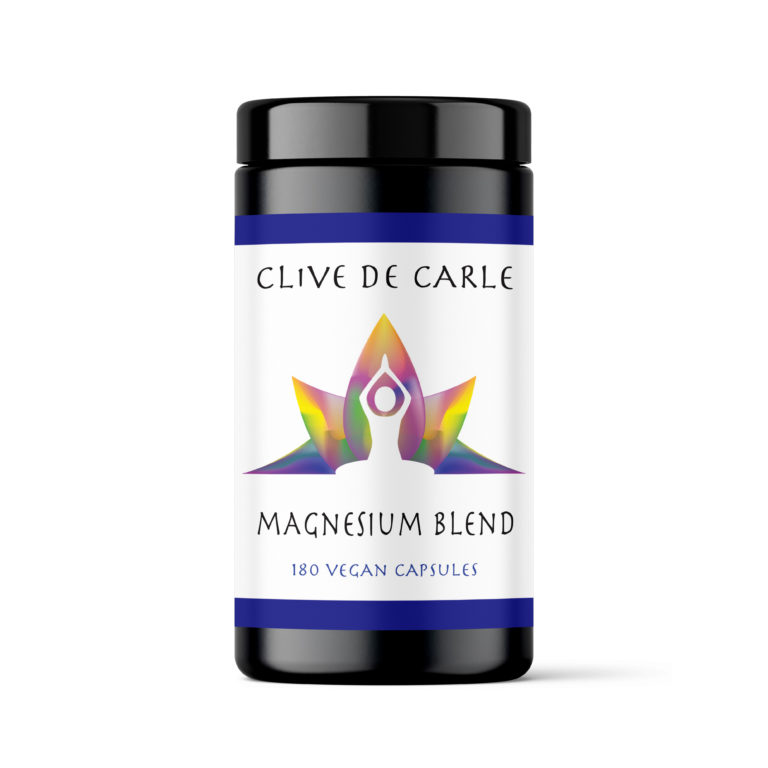
Magnesium Blend – The Most Important Mineral
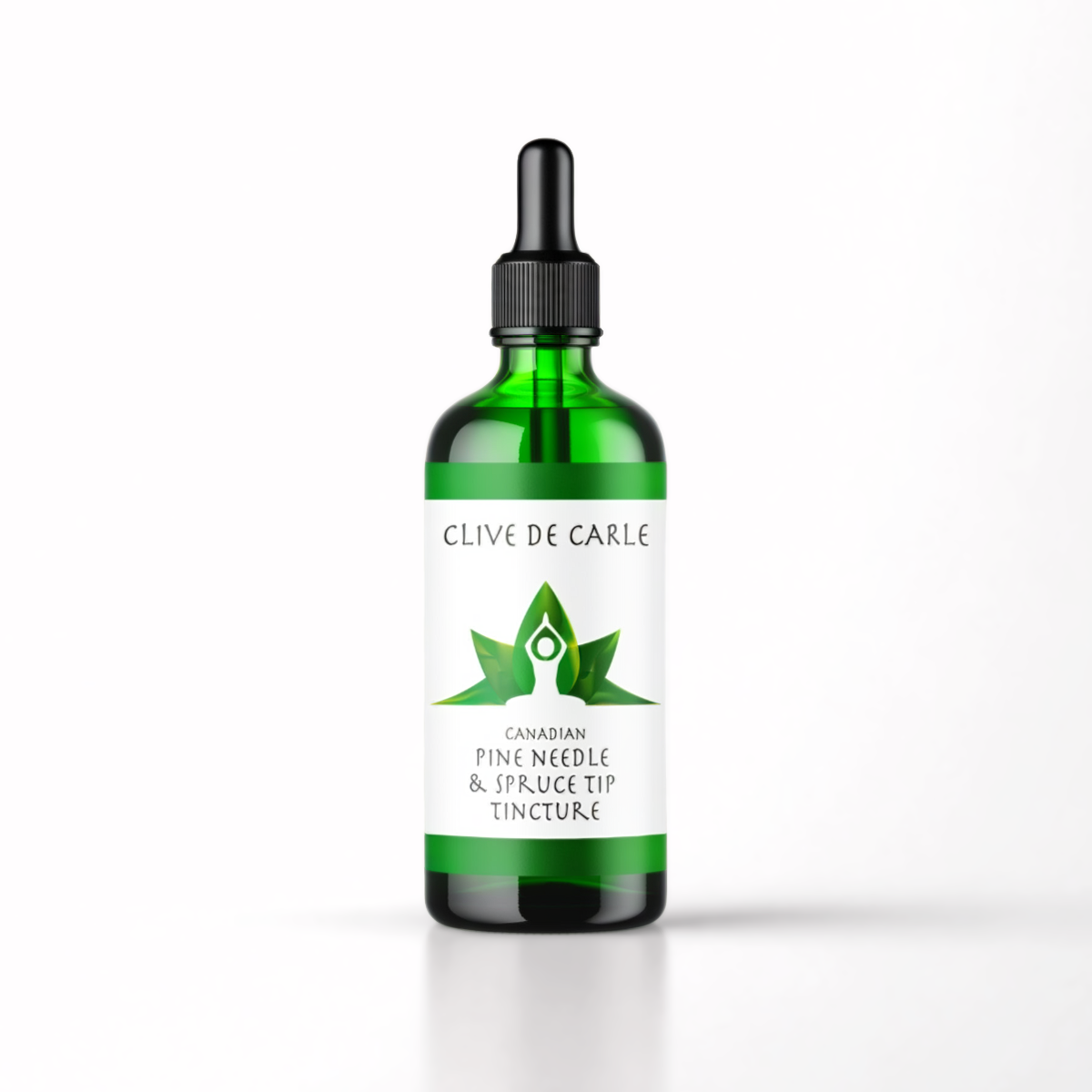
Canadian Pine Needle and Spruce Tip Tincture – Wild Harvested
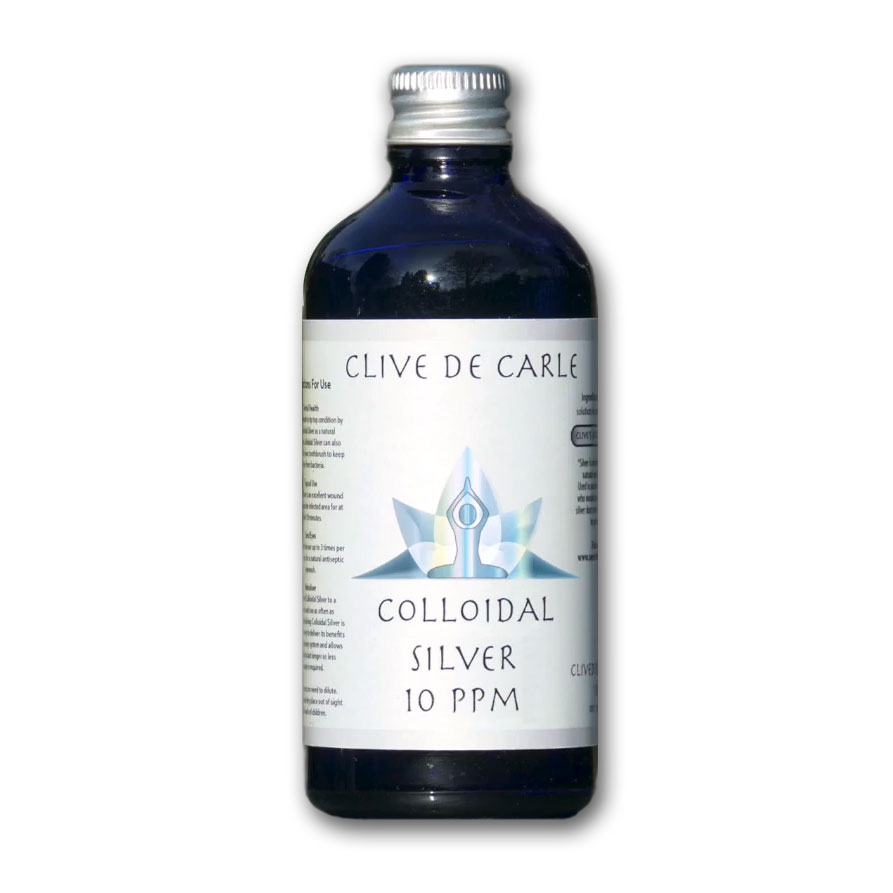
Colloidal Silver: 10ppm – Precision Particle Technology
INNERSTANDING may earn a commission on purchases made through these links. All products are selected based on rigorous educational relevance to our biological research.
Related Research
View All Archives →Where this organ takes you next
Every organ on the Body Map is a doorway. From bladder we curate the exact science, tools, and protocols that matter — no generic links, just the biology that connects.
Explore Tools
Selected for bladder based on 5 environmental threats, 5 warning signals, and 8 linked conditions.
Body Map
Explore this organ in the interactive anatomy atlas
Why for bladder →
Health Pathway
Build a guided health pathway around this organ
Why for bladder →
Curated pathway
These three tools were chosen because bladder shows elevated vulnerability to pharmaceutical residues and shares mechanisms with Cystitis. Start with the highest, then follow the biology.
From the Arsenal
FROM THE ARSENAL
Biological Integrity
is not optional
Equip yourself with the knowledge and tools required to navigate the modern environmental landscape.