
Kidneys
The kidneys are the body's master chemists, containing approximately 2 million microscopic filtering units called nephrons that process 200 litres of blood daily.
This article is provided for informational and educational purposes only. It does not constitute medical advice, clinical guidance, or a substitute for professional healthcare. Information reflects cited research at time of publication. Always consult a qualified healthcare professional before acting on any health information.
The Biological Intelligence
The kidneys are the body's master chemists, containing approximately 2 million microscopic filtering units called nephrons that process 200 litres of blood daily. They maintain the body's precise electrolyte balance, blood pressure, and pH, while serving as the primary route for the excretion of water-soluble toxins and pharmaceutical residues. These delicate filters are progressively compromised by the cumulative load of heavy metals, particularly cadmium and lead, which concentrate in the renal cortex.
“They maintain the body's precise electrolyte balance, blood pressure, and pH, while serving as the primary route for the excretion of water-soluble toxins and pharmaceutical residues.
”
Vital Statistics
Environmental Threats
Heavy Metals (Cadmium, Lead, Mercury)
THREAT LEVEL: HIGHThese metals are directly nephrotoxic; they accumulate in the renal tubules and progressively destroy the kidney's filtration capacity.
Contaminated Water
THREAT LEVEL: HIGHFluoride, chlorine, and pharmaceutical residues in tap water place a constant filtering burden on the nephrons, leading to chronic tubular stress.
NSAIDs (Ibuprofen)
THREAT LEVEL: HIGHChronic use of common painkillers restricts blood flow to the kidneys and causes direct damage to the delicate filtration membranes.
Pesticides
THREAT LEVEL: HIGHOrganophosphates and other agricultural chemicals accumulate in renal tissue and impair the kidneys' ability to excrete other systemic toxins.
Excess Sugar & Fructose
THREAT LEVEL: HIGHHigh sugar intake triggers oxidative stress and glycation in the renal microvasculature, a primary driver of chronic kidney disease.
Pathological Connections — Linked Conditions
Warning Signals
Persistent puffiness around the eyes especially in the morning (proteinuria signal)
Foamy or frothy urine (protein leakage)
Reduced or no urination despite adequate fluid intake
Chronic lower back pain at the costovertebral angle (below the ribs, either side of spine)
Blood pressure that does not respond normally to dietary intervention
Protective Protocol
Adequate hydration with filtered water (kidneys require constant fluid for glomerular filtration)
N-acetyl cysteine (protects tubular cells from nephrotoxic medication and heavy metal damage)
Vitamin D3 (kidneys are the site of final 1,25-OH D3 activation — deficiency impairs renal function)
Magnesium (reduces kidney stone formation and improves renal blood flow)
Avoidance of NSAIDs (ibuprofen reduces renal perfusion pressure and causes tubular damage)
Intelligence Briefing
THE ARSENAL
Based on Kidneys content — products curated by our research team for educational relevance and biological support.
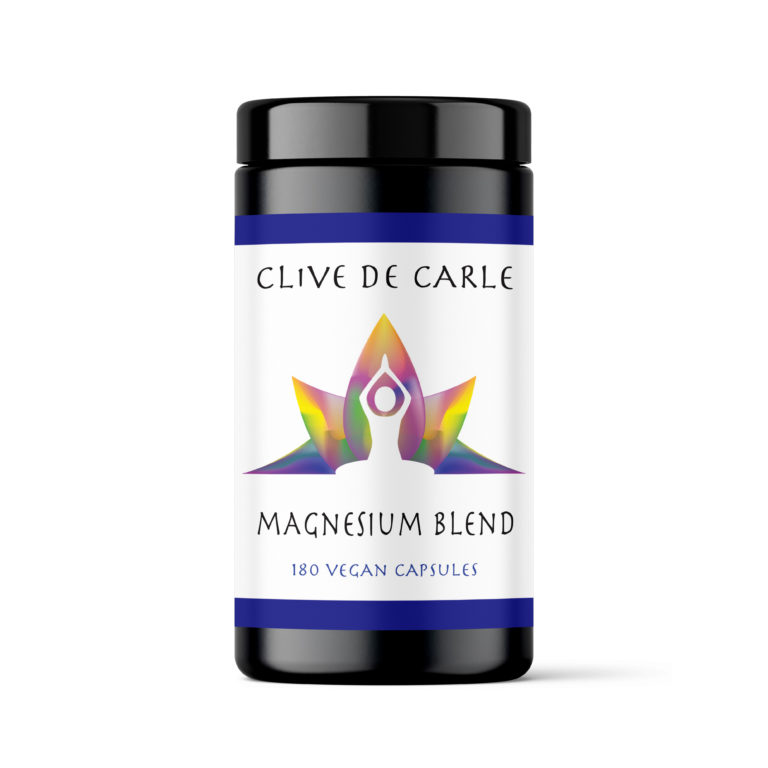
Magnesium Blend – The Most Important Mineral
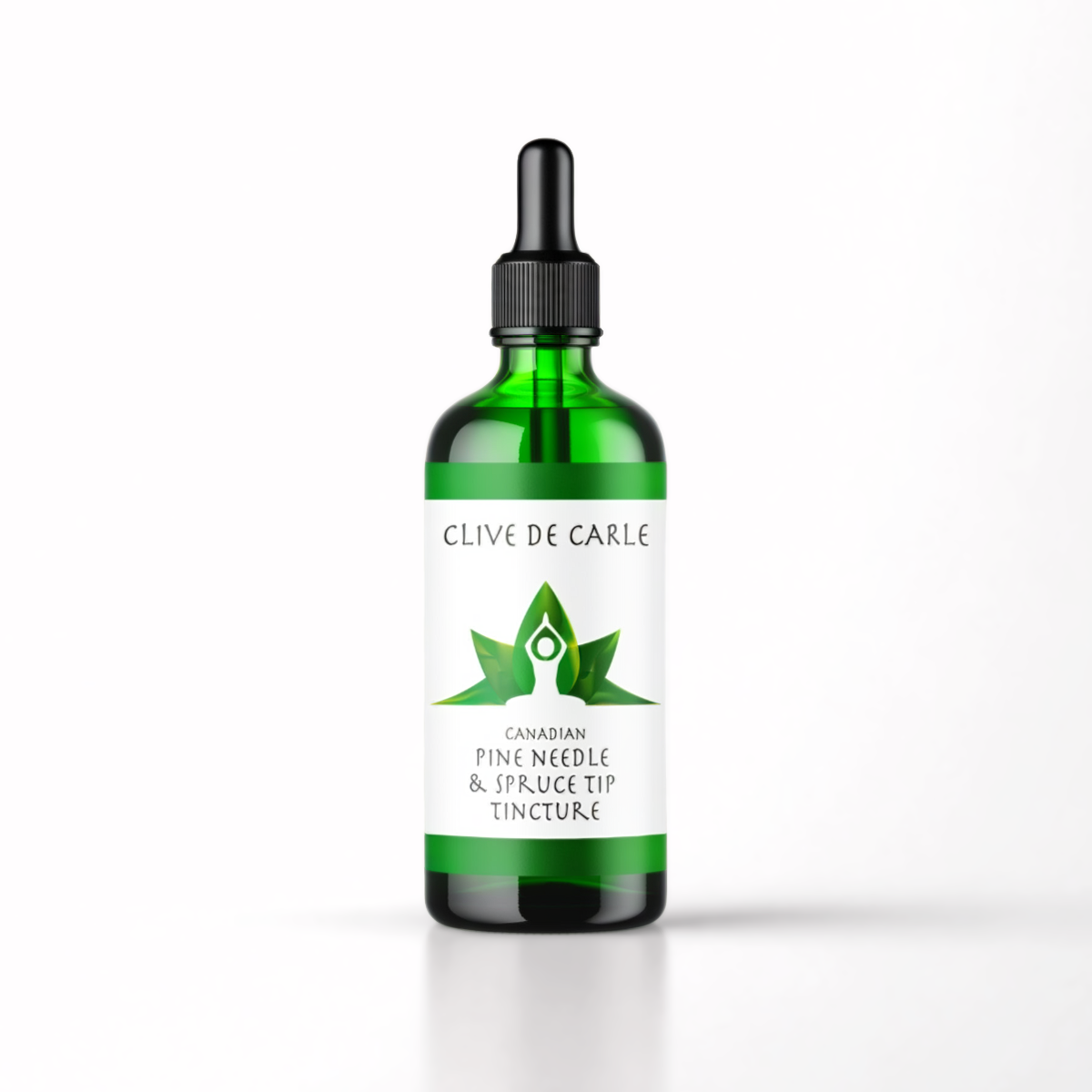
Canadian Pine Needle and Spruce Tip Tincture – Wild Harvested
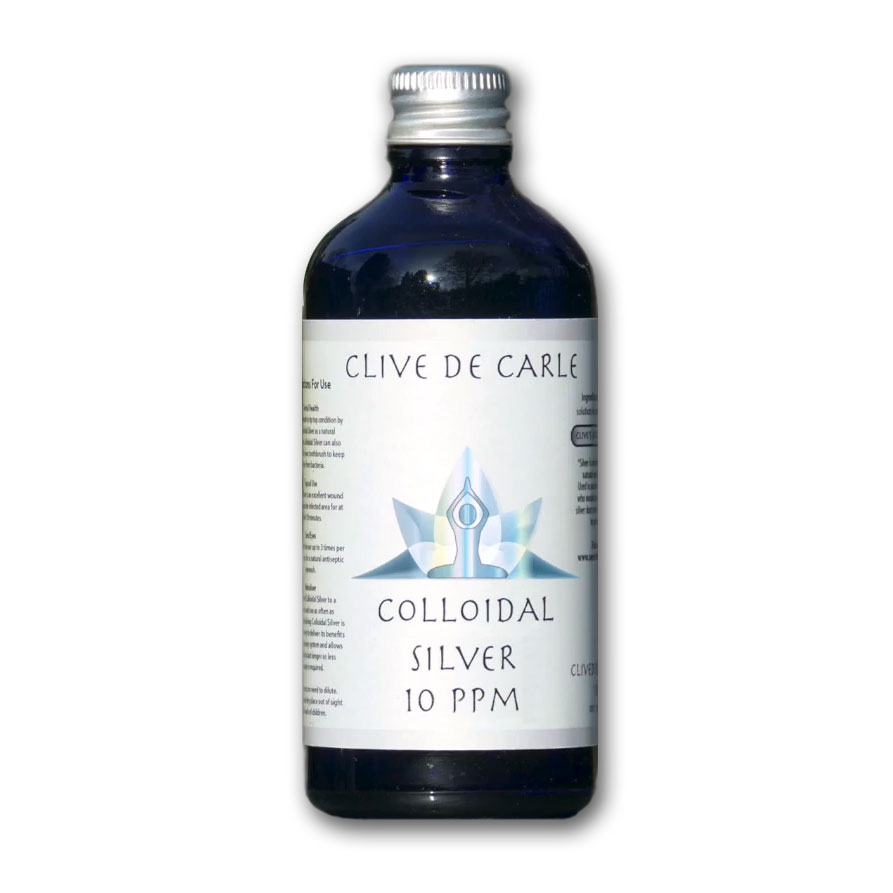
Colloidal Silver: 10ppm – Precision Particle Technology
INNERSTANDING may earn a commission on purchases made through these links. All products are selected based on rigorous educational relevance to our biological research.
Related Research
View All Archives →Where this organ takes you next
Every organ on the Body Map is a doorway. From kidneys we curate the exact science, tools, and protocols that matter — no generic links, just the biology that connects.
Explore Tools
Selected for kidneys based on 5 environmental threats, 5 warning signals, and 8 linked conditions.
Body Map
Explore this organ in the interactive anatomy atlas
Why for kidneys →
Health Pathway
Build a guided health pathway around this organ
Why for kidneys →
Curated pathway
These three tools were chosen because kidneys shows elevated vulnerability to heavy metals (cadmium, lead, mercury) and shares mechanisms with Chronic Kidney Disease. Start with the highest, then follow the biology.
From the Arsenal
FROM THE ARSENAL

Clean Slate – Detoxes thousands of chemicals,heavy metals, pesticides, allergens, mold spores and fungus
CLIVE DE CARLE
Clean Slate is a cellular-level detoxifier that targets heavy metals, pesticides, and environmental toxins to unblock your body's natural defense pathways. It helps reduce systemic inflammation and restores the nutrient absorption sites often compromised by modern toxicity.
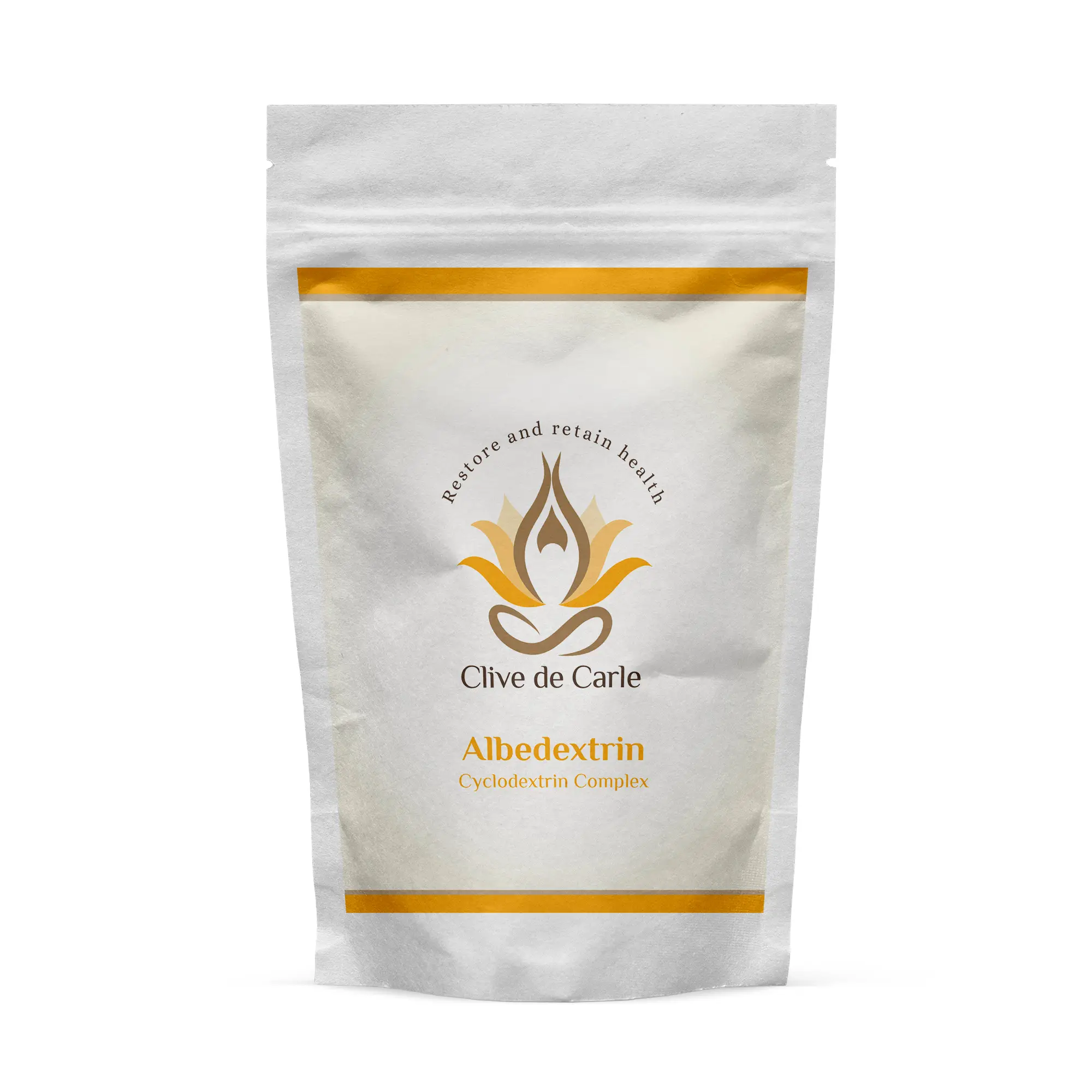
Albedextrin – Specialist Cyclodextrin Complex
CLIVEDECARLE
Albedextrin is a high-grade cyclodextrin complex designed to support systemic clarity and cellular efficiency when integrated into a structured nutritional protocol. This specialist formula offers a targeted approach to managing internal balance for those committed to deep-level health maintenance.

Glytamins Suppositories – Specialist Suppository Formula
Clive De Carle
A practitioner-strength suppository designed to support liver and gallbladder health by bypassing the digestive system for maximum absorption. This formula uses targeted amino acids and botanicals to assist the body's natural bile production and detoxification pathways.
Biological Integrity
is not optional
Equip yourself with the knowledge and tools required to navigate the modern environmental landscape.