
Hypothalamus
The hypothalamus is the 'master control centre' of the body, a small but vital region that acts as the bridge between the nervous system and the endocrine system.
This article is provided for informational and educational purposes only. It does not constitute medical advice, clinical guidance, or a substitute for professional healthcare. Information reflects cited research at time of publication. Always consult a qualified healthcare professional before acting on any health information.
The Biological Intelligence
The hypothalamus is the 'master control centre' of the body, a small but vital region that acts as the bridge between the nervous system and the endocrine system. It continuously monitors the internal biological terrain — including blood temperature, osmolarity, and hormone levels — and initiates corrective actions via the pituitary gland to maintain homeostasis. By governing the HPA (Hypothalamic-Pituitary-Adrenal) axis, the hypothalamus serves as the primary regulator of the body's stress response, metabolic rate, and reproductive cycles, making it highly vulnerable to neuroinflammatory signals.
“It continuously monitors the internal biological terrain — including blood temperature, osmolarity, and hormone levels — and initiates corrective actions via the pituitary gland to maintain homeostasis.
”
Vital Statistics
Environmental Threats
Chronic Stress
THREAT LEVEL: HIGHProlonged cortisol elevation causes hypothalamic resistance, leading to the HPA axis dysfunction often mislabelled as 'adrenal fatigue'.
BPA & Endocrine Disruptors
THREAT LEVEL: HIGHSynthetic chemicals from plastics can cross the BBB and bind to hypothalamic receptors, confusing the signals for hunger, satiety, and reproduction.
Heavy Metals (Lead, Mercury)
THREAT LEVEL: HIGHThese metals disrupt the delicate neuro-endocrine signalling within the hypothalamus, impairing the regulation of the entire hormonal cascade.
Inflammatory Cytokines
THREAT LEVEL: HIGHSystemic inflammation from gut dysbiosis triggers neuroinflammation in the hypothalamus, disrupting the metabolic set-point and driving obesity.
Glyphosate
THREAT LEVEL: HIGHThis herbicide has been shown to disrupt the glutamate signalling in the hypothalamus, potentially altering neurodevelopment and stress responses.
Pathological Connections — Linked Conditions
Warning Signals
Unexplained weight gain or inability to lose weight despite caloric restriction
Chronic dysregulation of body temperature (always too hot or too cold)
Loss of hunger and thirst cues
Disrupted sleep-wake cycle that does not respond to conventional sleep hygiene
Hormonal cascade failure — multiple hormonal systems simultaneously dysregulated
Protective Protocol
Quality sleep (hypothalamic reset requires consistent deep sleep architecture)
Omega-3 fatty acids (reduce hypothalamic neuroinflammation)
Magnesium glycinate (suppresses cortisol excess and calms the HPA axis)
Caloric restriction or intermittent fasting (reduces hypothalamic inflammation)
Zinc (essential cofactor for hypothalamic hormone synthesis)
Intelligence Briefing
THE ARSENAL
Based on Hypothalamus content — products curated by our research team for educational relevance and biological support.
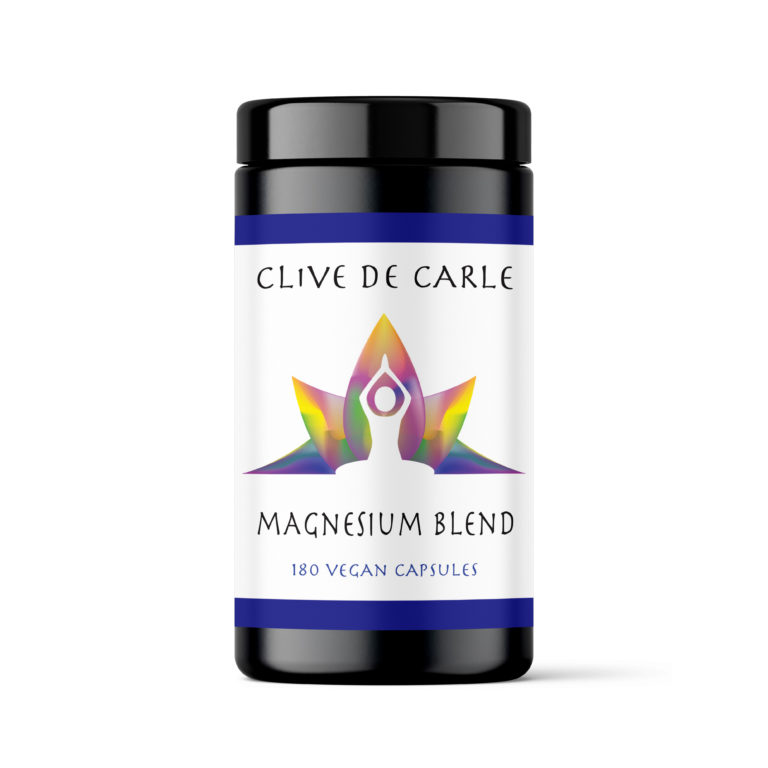
Magnesium Blend – The Most Important Mineral
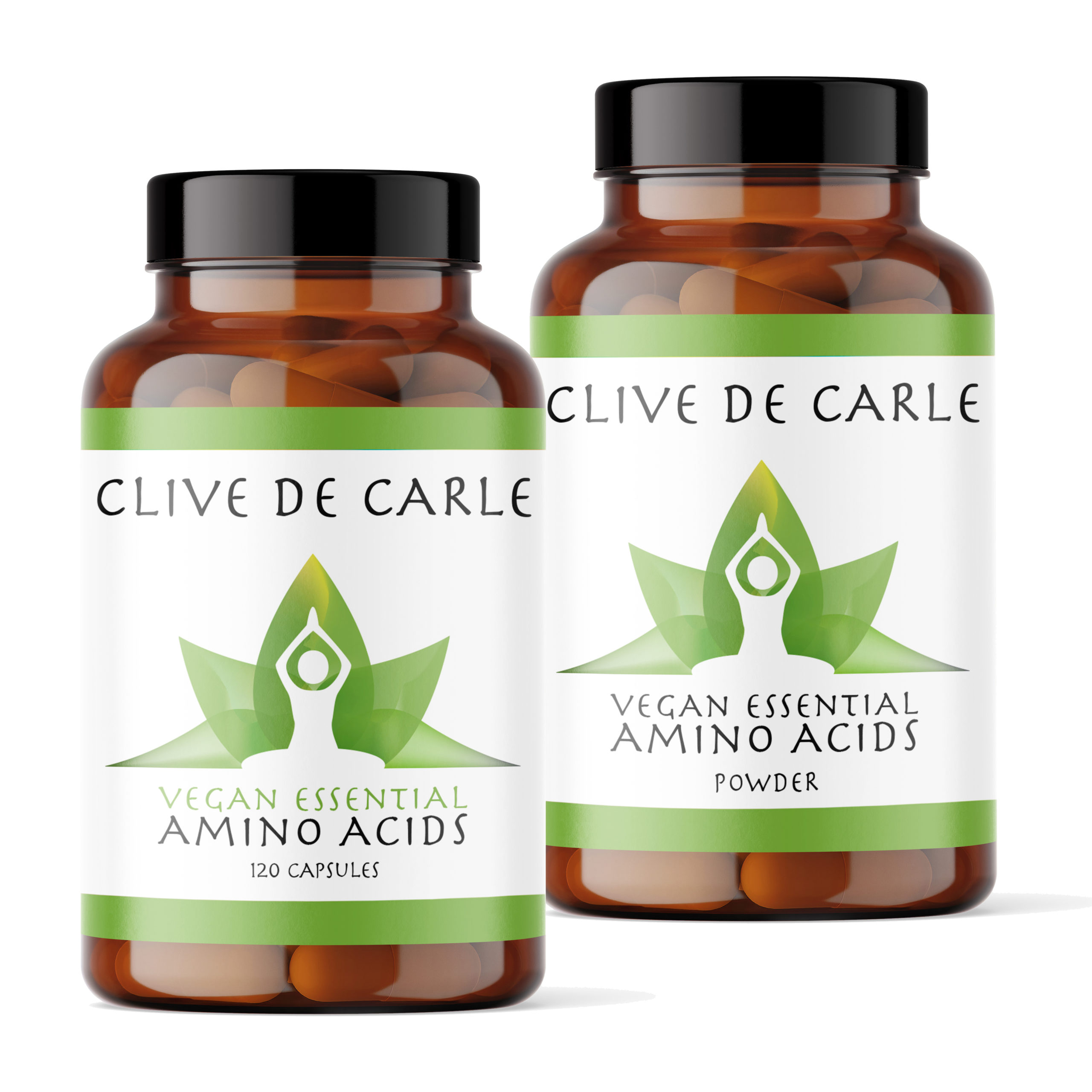
Vegan Essential Amino Acids – Plant-Powered Protein Building
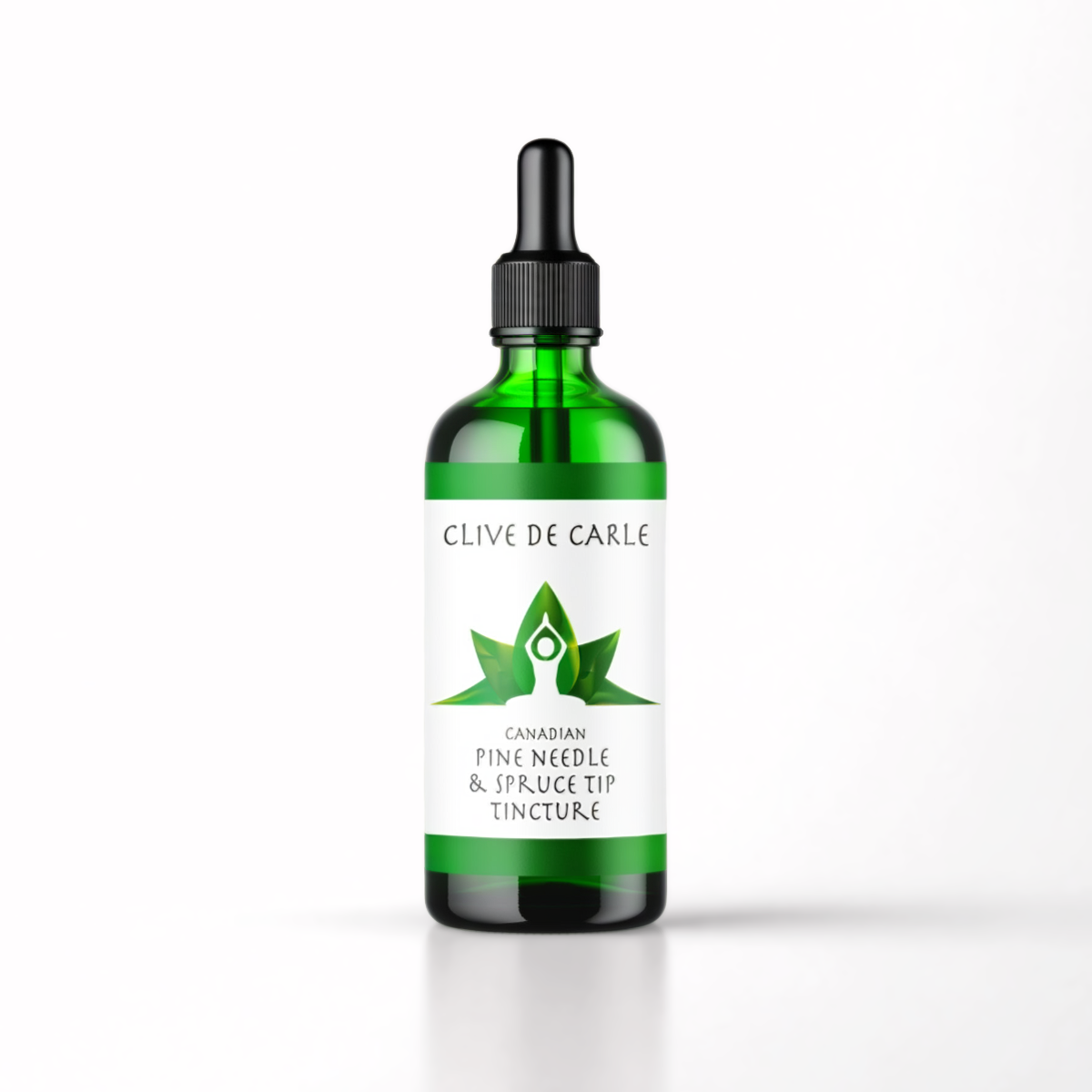
Canadian Pine Needle and Spruce Tip Tincture – Wild Harvested
INNERSTANDING may earn a commission on purchases made through these links. All products are selected based on rigorous educational relevance to our biological research.
Related Research
View All Archives →Where this organ takes you next
Every organ on the Body Map is a doorway. From hypothalamus we curate the exact science, tools, and protocols that matter — no generic links, just the biology that connects.
Read the Science
Explore Tools
Selected for hypothalamus based on 5 environmental threats, 5 warning signals, and 9 linked conditions.
Body Map
Explore this organ in the interactive anatomy atlas
Why for hypothalamus →
Health Pathway
Build a guided health pathway around this organ
Why for hypothalamus →
Curated pathway
These three tools were chosen because hypothalamus shows elevated vulnerability to chronic stress and shares mechanisms with HPA Axis Dysfunction. Start with the highest, then follow the biology.
From the Arsenal
FROM THE ARSENAL
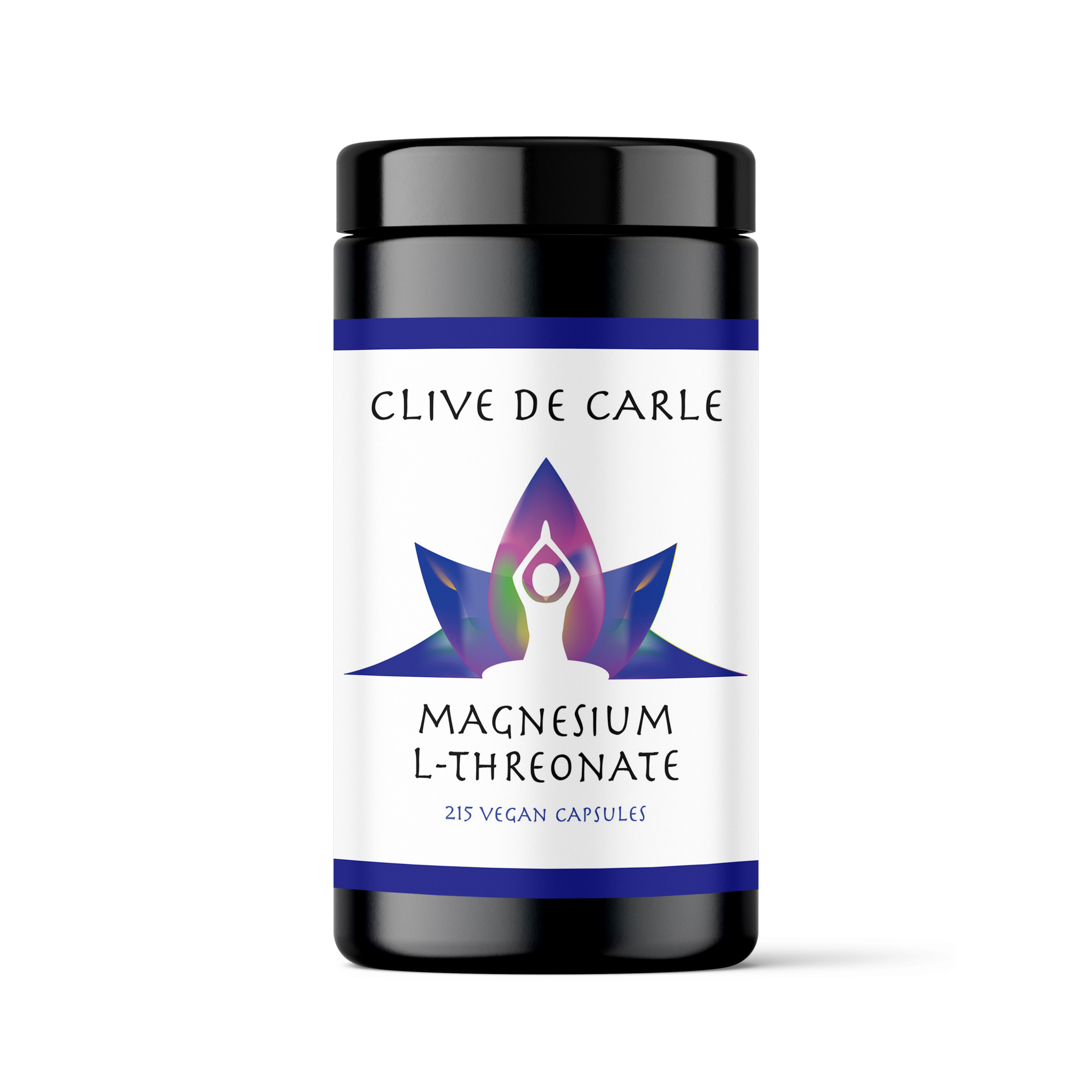
Magnesium L-Threonate
CLIVE DE CARLE
Magnesium L-Threonate is a specialized form of magnesium designed to cross the blood-brain barrier for superior cognitive and nervous system support. It helps reduce mental fatigue while promoting healthy psychological function and consistent energy levels throughout the day.

Clean Slate – Detoxes thousands of chemicals,heavy metals, pesticides, allergens, mold spores and fungus
CLIVE DE CARLE
Clean Slate is a cellular-level detoxifier that targets heavy metals, pesticides, and environmental toxins to unblock your body's natural defense pathways. It helps reduce systemic inflammation and restores the nutrient absorption sites often compromised by modern toxicity.
Magnesium Blend – The Most Important Mineral
CLIVE DE CARLE
A high-bioavailability mineral blend designed to support over 300 essential biochemical reactions, from energy production to muscle relaxation. This formula helps combat daily fatigue while providing the foundational support your nervous system and bones require.
Explore Related Organs — Nervous System
Brain
The human brain is the most complex biological structure in the known universe, containing an estimated 86 billion neurons forming approximately 100 trillion synaptic connections. It consumes a disproportionate 20% of the body's total energy output despite representing only 2% of body weight, making it exquisitely sensitive to any disruption in mitochondrial function or nutrient delivery. The brain is protected by the blood-brain barrier (BBB) — a highly selective semi-permeable membrane — yet this barrier is increasingly shown to be compromised by heavy metal accumulation, glyphosate, chronic inflammation, and electromagnetic radiation.
View Deep Dive →Pineal Gland
The pineal gland is a pea-sized endocrine organ sitting at the geometric centre of the brain, yet it is arguably the most sensitive biological sensor to the external electromagnetic and chemical environment. It is the primary site of melatonin synthesis, the 'master antioxidant' of the brain, which it produces in response to the absence of blue light via the retinohypothalamic tract. Critically, the pineal gland sits outside the blood-brain barrier and has the highest blood flow per unit volume of any organ besides the kidney, making it the primary accumulation site for environmental toxins, particularly fluoride and heavy metals.
View Deep Dive →Vagus Nerve
The vagus nerve (Cranial Nerve X) is the longest and most complex of the cranial nerves, serving as the primary superhighway of the gut-brain axis. Approximately 80% of its fibres are afferent, meaning they transmit sensory information from the visceral organs — including the heart, lungs, and gut — back to the brain, while only 20% are motor fibres governing parasympathetic 'rest and digest' functions. It is the master regulator of the parasympathetic nervous system, responsible for lowering heart rate, stimulating digestive enzymes, and dampening the systemic inflammatory response through the cholinergic anti-inflammatory pathway.
View Deep Dive →Biological Integrity
is not optional
Equip yourself with the knowledge and tools required to navigate the modern environmental landscape.