
Brain
The human brain is the most complex biological structure in the known universe, containing an estimated 86 billion neurons forming approximately 100 trillion synaptic connections.
This article is provided for informational and educational purposes only. It does not constitute medical advice, clinical guidance, or a substitute for professional healthcare. Information reflects cited research at time of publication. Always consult a qualified healthcare professional before acting on any health information.
The Biological Intelligence
The human brain is the most complex biological structure in the known universe, containing an estimated 86 billion neurons forming approximately 100 trillion synaptic connections. It consumes a disproportionate 20% of the body's total energy output despite representing only 2% of body weight, making it exquisitely sensitive to any disruption in mitochondrial function or nutrient delivery. The brain is protected by the blood-brain barrier (BBB) — a highly selective semi-permeable membrane — yet this barrier is increasingly shown to be compromised by heavy metal accumulation, glyphosate, chronic inflammation, and electromagnetic radiation.
“It consumes a disproportionate 20% of the body's total energy output despite representing only 2% of body weight, making it exquisitely sensitive to any disruption in mitochondrial function or nutrient delivery.
”
Vital Statistics
Environmental Threats
Heavy Metals
THREAT LEVEL: HIGHAluminium, mercury and lead accumulate in neural tissue, displacing essential minerals and triggering the oxidative stress that leads to chronic neuroinflammation and cognitive decline.
EMF Radiation
THREAT LEVEL: HIGHNon-ionising radiation activates voltage-gated calcium channels, causing an influx of calcium that disrupts neural signalling and increases blood-brain barrier permeability.
Fluoride
THREAT LEVEL: HIGHAccumulates at high concentrations in the pineal gland, leading to progressive calcification and the suppression of melatonin, a critical neuroprotective hormone.
Pesticides (Glyphosate)
THREAT LEVEL: HIGHCrosses the blood-brain barrier by mimicking amino acids and triggers sustained glial cell activation, a key driver in the pathology of Parkinson's and Alzheimer's.
Air Pollution (PM2.5)
THREAT LEVEL: HIGHUltrafine particles enter the brain directly via the olfactory nerve, bypassing many natural defences and triggering systemic oxidative stress in neural tissue.
Pathological Connections — Linked Conditions
Warning Signals
Persistent brain fog or inability to concentrate
Memory lapses and word-finding difficulties
Mood instability, anxiety, or treatment-resistant depression
Morning headaches or pressure sensation behind the eyes
Sensitivity to light, noise, or EMF (electromagnetic hypersensitivity)
Protective Protocol
DHA omega-3 fatty acids (essential structural component of neuronal membranes)
Lion's Mane mushroom (stimulates Nerve Growth Factor production)
Magnesium L-threonate (crosses the blood-brain barrier)
Methylene blue (enhances mitochondrial Complex IV function in neurons)
Elimination of blue light after sunset (melatonin-mediated neural repair during sleep)
Intelligence Briefing
THE ARSENAL
Based on Brain content — products curated by our research team for educational relevance and biological support.

Magnesium L-Threonate
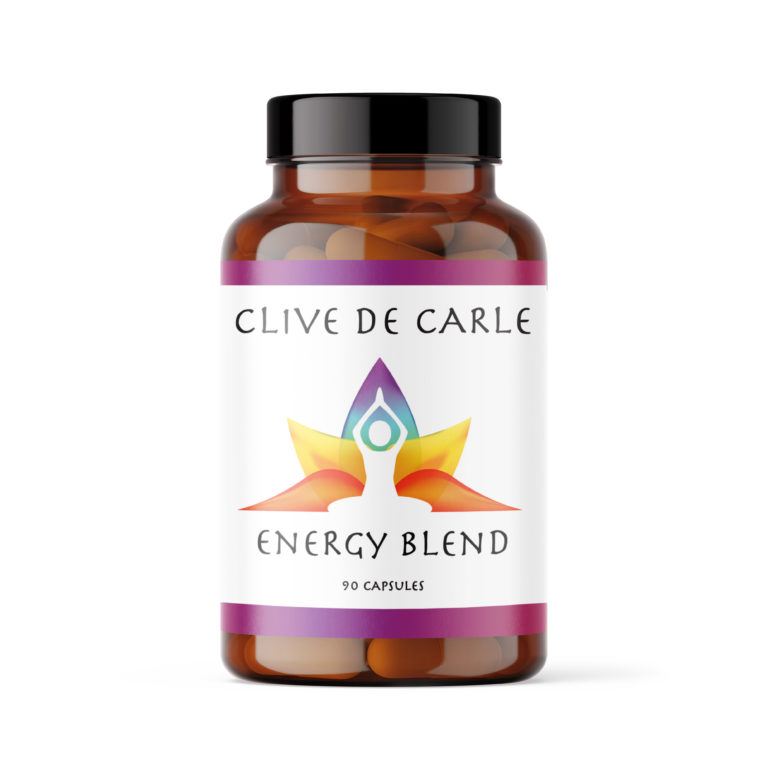
Energy Blend Supports
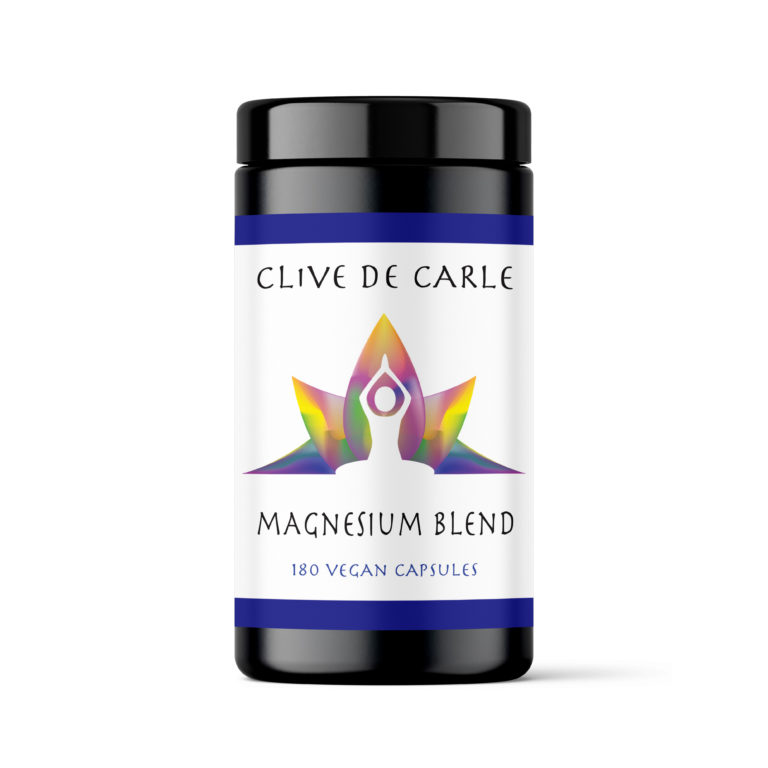
Magnesium Blend – The Most Important Mineral
INNERSTANDING may earn a commission on purchases made through these links. All products are selected based on rigorous educational relevance to our biological research.
Related Research
View All Archives →Where this organ takes you next
Every organ on the Body Map is a doorway. From brain we curate the exact science, tools, and protocols that matter — no generic links, just the biology that connects.
Explore Tools
Selected for brain based on 5 environmental threats, 5 warning signals, and 9 linked conditions.
Body Map
Explore this organ in the interactive anatomy atlas
Why for brain →
Health Pathway
Build a guided health pathway around this organ
Why for brain →
Curated pathway
These three tools were chosen because brain shows elevated vulnerability to heavy metals and shares mechanisms with Alzheimer's Disease. Start with the highest, then follow the biology.
From the Arsenal
FROM THE ARSENAL
Magnesium L-Threonate
CLIVE DE CARLE
Magnesium L-Threonate is a specialized form of magnesium designed to cross the blood-brain barrier for superior cognitive and nervous system support. It helps reduce mental fatigue while promoting healthy psychological function and consistent energy levels throughout the day.
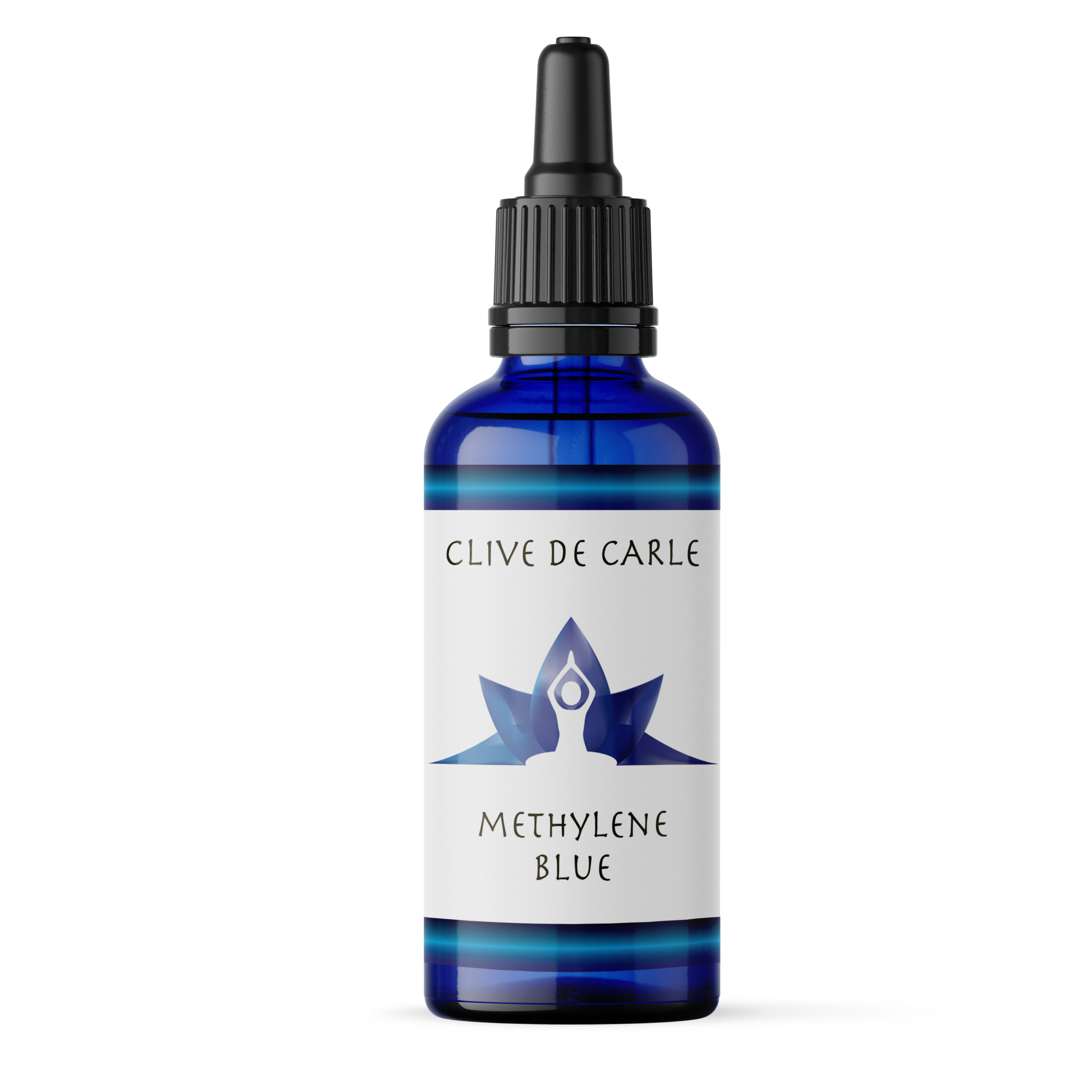
Methylene Blue – Advanced Cellular Chemistry
Clive De Carle
A pharmaceutical-grade compound designed to optimise mitochondrial function and cellular energy production. This high-purity formula supports metabolic efficiency and mental clarity by acting as a powerful electron donor within your cells.
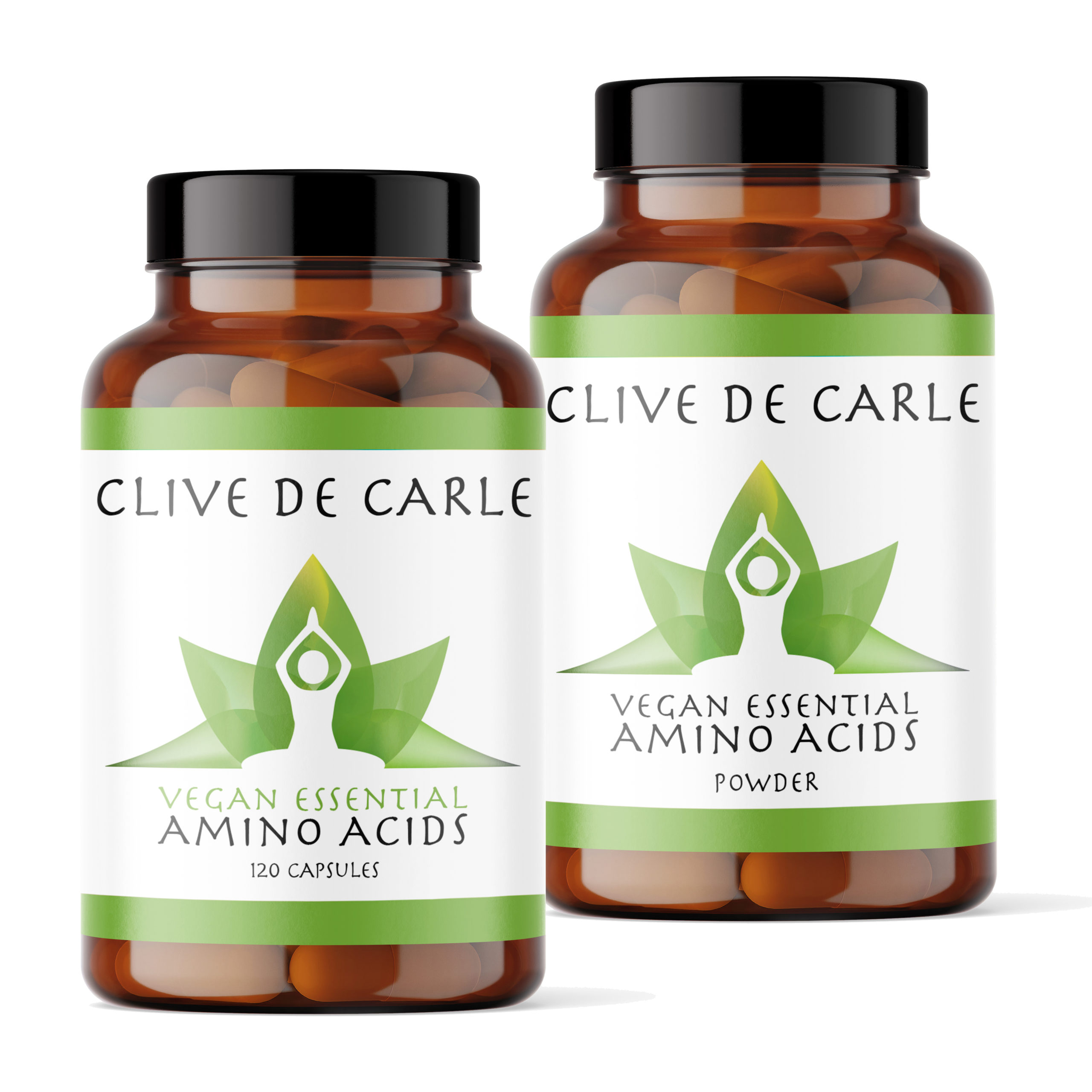
Vegan Essential Amino Acids – Plant-Powered Protein Building
Clive De Carle
A complete blend of the nine essential amino acids your body cannot produce on its own, formulated for optimal absorption without digestive bloat. These plant-powered building blocks support muscle repair, cognitive function, and hormone balance for those seeking a clean protein source.
Explore Related Organs — Nervous System
Pineal Gland
The pineal gland is a pea-sized endocrine organ sitting at the geometric centre of the brain, yet it is arguably the most sensitive biological sensor to the external electromagnetic and chemical environment. It is the primary site of melatonin synthesis, the 'master antioxidant' of the brain, which it produces in response to the absence of blue light via the retinohypothalamic tract. Critically, the pineal gland sits outside the blood-brain barrier and has the highest blood flow per unit volume of any organ besides the kidney, making it the primary accumulation site for environmental toxins, particularly fluoride and heavy metals.
View Deep Dive →Hypothalamus
The hypothalamus is the 'master control centre' of the body, a small but vital region that acts as the bridge between the nervous system and the endocrine system. It continuously monitors the internal biological terrain — including blood temperature, osmolarity, and hormone levels — and initiates corrective actions via the pituitary gland to maintain homeostasis. By governing the HPA (Hypothalamic-Pituitary-Adrenal) axis, the hypothalamus serves as the primary regulator of the body's stress response, metabolic rate, and reproductive cycles, making it highly vulnerable to neuroinflammatory signals.
View Deep Dive →Vagus Nerve
The vagus nerve (Cranial Nerve X) is the longest and most complex of the cranial nerves, serving as the primary superhighway of the gut-brain axis. Approximately 80% of its fibres are afferent, meaning they transmit sensory information from the visceral organs — including the heart, lungs, and gut — back to the brain, while only 20% are motor fibres governing parasympathetic 'rest and digest' functions. It is the master regulator of the parasympathetic nervous system, responsible for lowering heart rate, stimulating digestive enzymes, and dampening the systemic inflammatory response through the cholinergic anti-inflammatory pathway.
View Deep Dive →Biological Integrity
is not optional
Equip yourself with the knowledge and tools required to navigate the modern environmental landscape.