
Liver
The liver is the body's primary metabolic factory and detoxification hub, performing over 500 vital functions including protein synthesis, bile production, and glucose regulation.
This article is provided for informational and educational purposes only. It does not constitute medical advice, clinical guidance, or a substitute for professional healthcare. Information reflects cited research at time of publication. Always consult a qualified healthcare professional before acting on any health information.
The Biological Intelligence
The liver is the body's primary metabolic factory and detoxification hub, performing over 500 vital functions including protein synthesis, bile production, and glucose regulation. Its sophisticated detoxification system operates in two distinct phases: Phase I (functionalization) and Phase II (conjugation) which makes toxins water-soluble for excretion. This system is increasingly overwhelmed by the modern toxic load, where the liver must process pharmaceutical residues, synthetic food additives, and environmental xenobiotics, leading to the rapid depletion of glutathione — the body's 'master antioxidant'.
“Its sophisticated detoxification system operates in two distinct phases: Phase I (functionalization) and Phase II (conjugation) which makes toxins water-soluble for excretion.
”
Vital Statistics
Environmental Threats
Alcohol & Acetaldehyde
THREAT LEVEL: HIGHDirectly toxic to hepatocytes, alcohol and its metabolic byproducts cause fat accumulation, inflammation, and eventual permanent scarring.
Pharmaceutical Drugs
THREAT LEVEL: HIGHThe liver must process every medication, many of which are inherently hepatotoxic and deplete the protective glutathione reserves.
Pesticides & Herbicides
THREAT LEVEL: HIGHLipophilic chemicals like glyphosate accumulate in liver fat stores and disrupt the cytochrome P450 enzymes critical to Phase I detoxification.
Heavy Metals (Mercury, Copper)
THREAT LEVEL: HIGHMetal overload generates massive oxidative stress that damages liver cells and impairs the enzymes required for Phase II conjugation.
Processed Food Additives
THREAT LEVEL: HIGHHigh-fructose corn syrup and industrial seed oils trigger the metabolic dysfunction that leads to non-alcoholic fatty liver disease (NAFLD).
Pathological Connections — Linked Conditions
Warning Signals
Pain or heaviness under the right rib cage after fatty meals
Skin conditions — jaundice, itching, spider naevi, palmar erythema
Hormonal imbalances — excess oestrogen, low testosterone (liver processes hormones)
Extreme fatigue that worsens after alcohol consumption even in small amounts
Sensitivity to perfumes, chemicals, or medications (Phase I/II enzyme overload)
Protective Protocol
Milk thistle (silymarin) — most researched hepatoprotective agent, promotes glutathione synthesis
Alpha lipoic acid (universal antioxidant recycling glutathione in both aqueous and lipid phases)
N-acetyl cysteine (NAC) — direct glutathione precursor, used medically for paracetamol overdose
Coffee (3 cups daily associated with 40% reduction in liver cancer risk in epidemiological studies)
Cruciferous vegetables (indole-3-carbinol drives Phase II sulphation and glucuronidation)
Intelligence Briefing
THE ARSENAL
Based on Liver content — products curated by our research team for educational relevance and biological support.
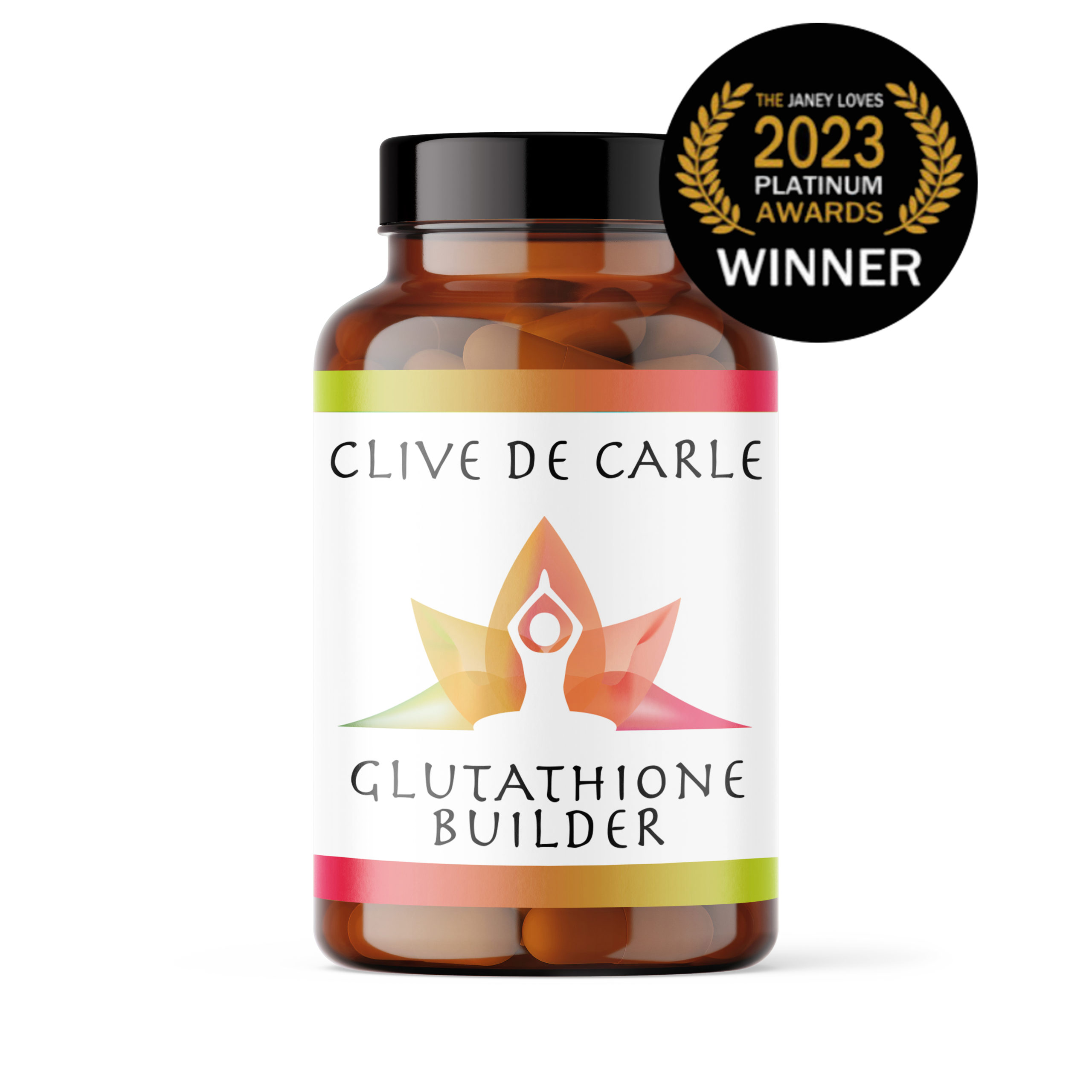
Glutathione Builder – Advanced Amino Acid Formula
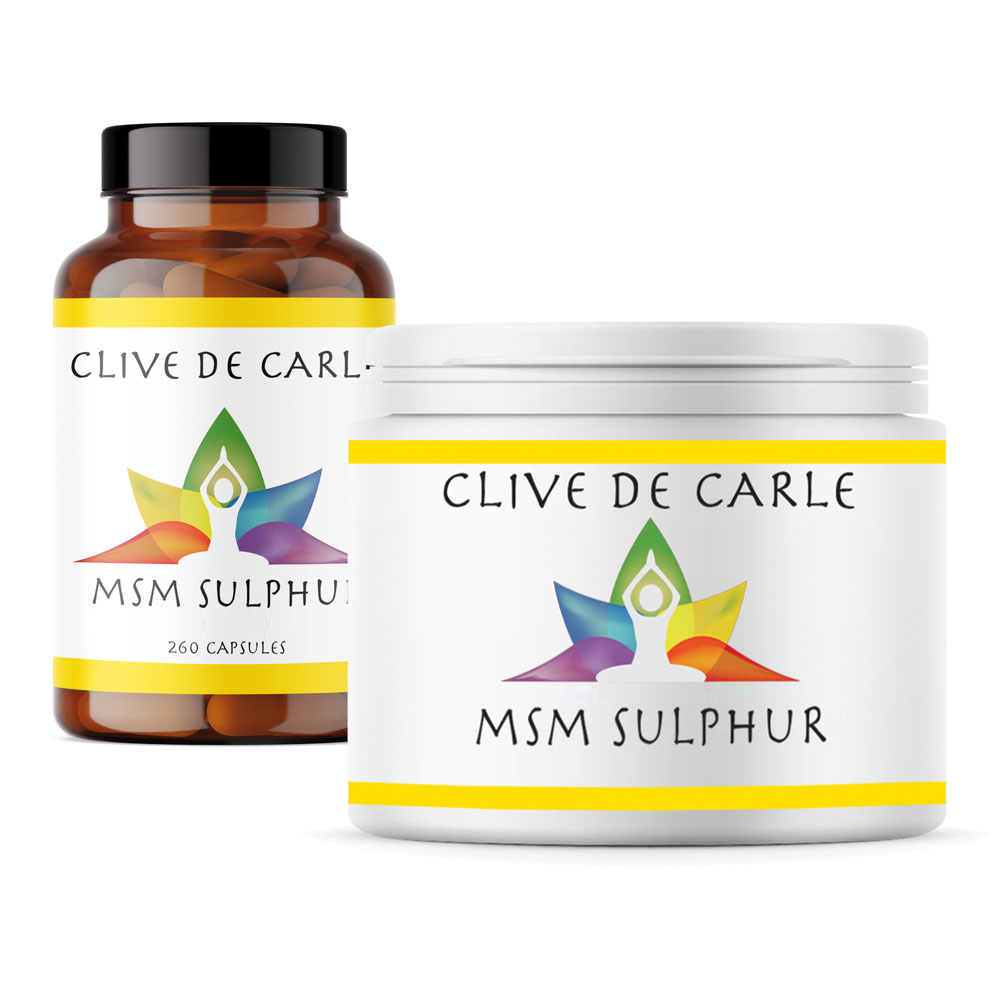
MSM Sulphur – Nature’s Forgotten Mineral
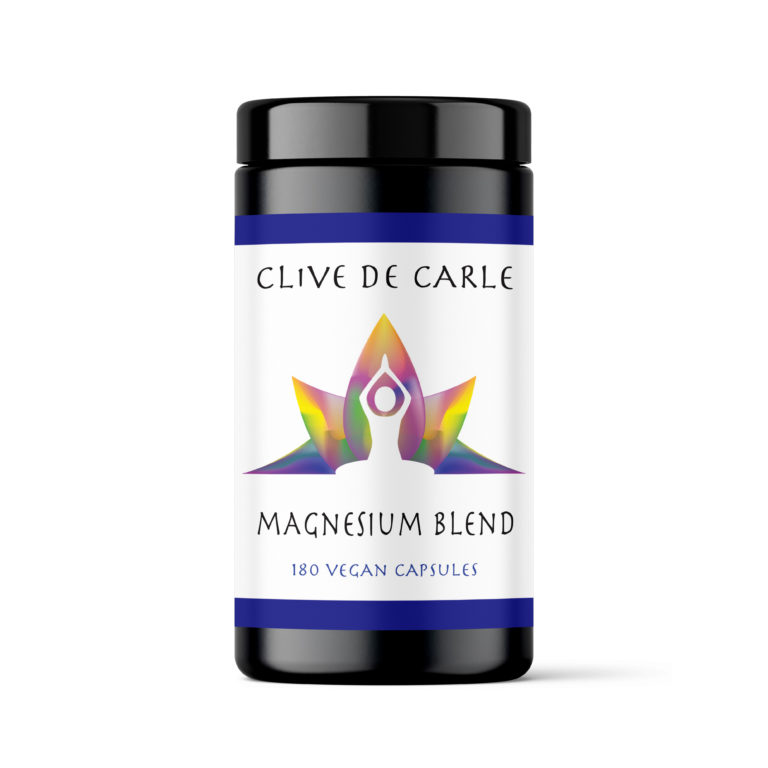
Magnesium Blend – The Most Important Mineral
INNERSTANDING may earn a commission on purchases made through these links. All products are selected based on rigorous educational relevance to our biological research.
Related Research
View All Archives →Where this organ takes you next
Every organ on the Body Map is a doorway. From liver we curate the exact science, tools, and protocols that matter — no generic links, just the biology that connects.
Read the Science
Explore Tools
Selected for liver based on 5 environmental threats, 5 warning signals, and 8 linked conditions.
Body Map
Explore this organ in the interactive anatomy atlas
Why for liver →
Health Pathway
Build a guided health pathway around this organ
Why for liver →
Curated pathway
These three tools were chosen because liver shows elevated vulnerability to alcohol & acetaldehyde and shares mechanisms with Non-Alcoholic Fatty Liver Disease. Start with the highest, then follow the biology.
From the Arsenal
FROM THE ARSENAL

Glytamins Suppositories – Specialist Suppository Formula
Clive De Carle
A practitioner-strength suppository designed to support liver and gallbladder health by bypassing the digestive system for maximum absorption. This formula uses targeted amino acids and botanicals to assist the body's natural bile production and detoxification pathways.
Glutathione Builder – Advanced Amino Acid Formula
Clive De Carle
A targeted blend of amino acid precursors designed to support your body's natural production of glutathione, the master antioxidant. This award-winning formula provides the essential building blocks for superior cellular defense and detoxification.
MSM Sulphur – Nature’s Forgotten Mineral
Clive De Carle
MSM Sulphur provides a high-purity, bioavailable source of a mineral that has largely vanished from modern diets due to industrial farming. It supports essential biological processes and structural health, restoring a vital nutrient your body needs to function optimally.
Explore Related Organs — Digestive System
Stomach
The stomach is far more than a simple digestive sac; it is the gateway to the enteric nervous system and the body's primary chemical barrier against pathogens. Its primary biological function is the production of hydrochloric acid (HCl), which creates a highly acidic environment (pH 1.5 to 3.5) essential for protein denaturation and the sterilisation of incoming food. Modern medical interventions, particularly the widespread use of proton pump inhibitors (PPIs), have disrupted this acid-mediated defence, leading to systemic nutrient malabsorption and the proliferation of pathogenic bacteria in the lower gut.
View Deep Dive →Small Intestine
The small intestine is the engine room of nutrient assimilation, a 6-7 metre long tube where 90% of all nutrition is absorbed into the bloodstream. It features a vast surface area created by millions of microscopic finger-like projections called villi, which increase the absorptive area to over 200m². This delicate barrier is only one cell thick and is the primary site of 'leaky gut' (intestinal hyperpermeability), where the protein zonulin opens the tight junctions between cells, allowing undigested food particles and bacterial toxins to trigger systemic immune responses.
View Deep Dive →Large Intestine (Colon)
The large intestine is the primary habitat for the human microbiome, a 1.5-metre organ housing approximately 38 trillion microorganisms that collectively function as a 'virtual organ'. Its primary roles are the absorption of water and electrolytes, and the fermentation of dietary fibre into short-chain fatty acids (SCFAs) like butyrate, which provide 70% of the energy for colonocytes and serve as powerful anti-inflammatory signals for the entire immune system. In the modern UK environment, the colon is under constant assault from glyphosate and chlorinated water, which decimate microbial diversity and promote the growth of pathogenic species.
View Deep Dive →Biological Integrity
is not optional
Equip yourself with the knowledge and tools required to navigate the modern environmental landscape.