
Large Intestine (Colon)
The large intestine is the primary habitat for the human microbiome, a 1.
This article is provided for informational and educational purposes only. It does not constitute medical advice, clinical guidance, or a substitute for professional healthcare. Information reflects cited research at time of publication. Always consult a qualified healthcare professional before acting on any health information.
The Biological Intelligence
The large intestine is the primary habitat for the human microbiome, a 1.5-metre organ housing approximately 38 trillion microorganisms that collectively function as a 'virtual organ'. Its primary roles are the absorption of water and electrolytes, and the fermentation of dietary fibre into short-chain fatty acids (SCFAs) like butyrate, which provide 70% of the energy for colonocytes and serve as powerful anti-inflammatory signals for the entire immune system. In the modern UK environment, the colon is under constant assault from glyphosate and chlorinated water, which decimate microbial diversity and promote the growth of pathogenic species.
“5-metre organ housing approximately 38 trillion microorganisms that collectively function as a 'virtual organ'.
”
Vital Statistics
Environmental Threats
Antibiotics
THREAT LEVEL: HIGHA single course of broad-spectrum antibiotics can permanently reduce the diversity of the colon's microbiome, allowing pathogens to take root.
Glyphosate
THREAT LEVEL: HIGHThis herbicide targets the 'shikimate pathway' found in beneficial gut bacteria, effectively acting as an antibiotic that kills Lactobacillus and Bifidobacterium.
Chlorinated Tap Water
THREAT LEVEL: HIGHChlorine is added to UK water to kill bacteria; when consumed, it continues to kill the beneficial bacteria in the colon, disrupting the delicate ecosystem.
Fibre Deficiency
THREAT LEVEL: HIGHA diet high in processed foods starves the beneficial bacteria that produce butyrate, leading to the thinning of the protective mucus layer.
Pharmaceutical Residues
THREAT LEVEL: HIGHThe colon is the site where many drugs are processed; residues from antidepressants and other medications can alter microbial composition and metabolism.
Pathological Connections — Linked Conditions
Warning Signals
Fewer than one bowel movement per day or irregular transit
Chronic loose stools or alternating constipation and diarrhoea
Blood or mucus in stool (requires immediate investigation)
Abdominal pain that is specifically relieved by defecation
Foul-smelling wind that is socially disruptive
Protective Protocol
Diverse prebiotic fibre (Jerusalem artichoke, chicory root, green banana — feeds Bifidobacterium)
Fermented foods (kefir, sauerkraut, kimchi — introduce live beneficial species)
Butyrate supplementation or tributyrin (direct fuel for colonocytes)
Magnesium oxide (osmotic bowel regulator promoting healthy transit time)
Elimination of chlorinated tap water for drinking (protects the colonic microbiome)
Intelligence Briefing
THE ARSENAL
Based on Large Intestine (Colon) content — products curated by our research team for educational relevance and biological support.
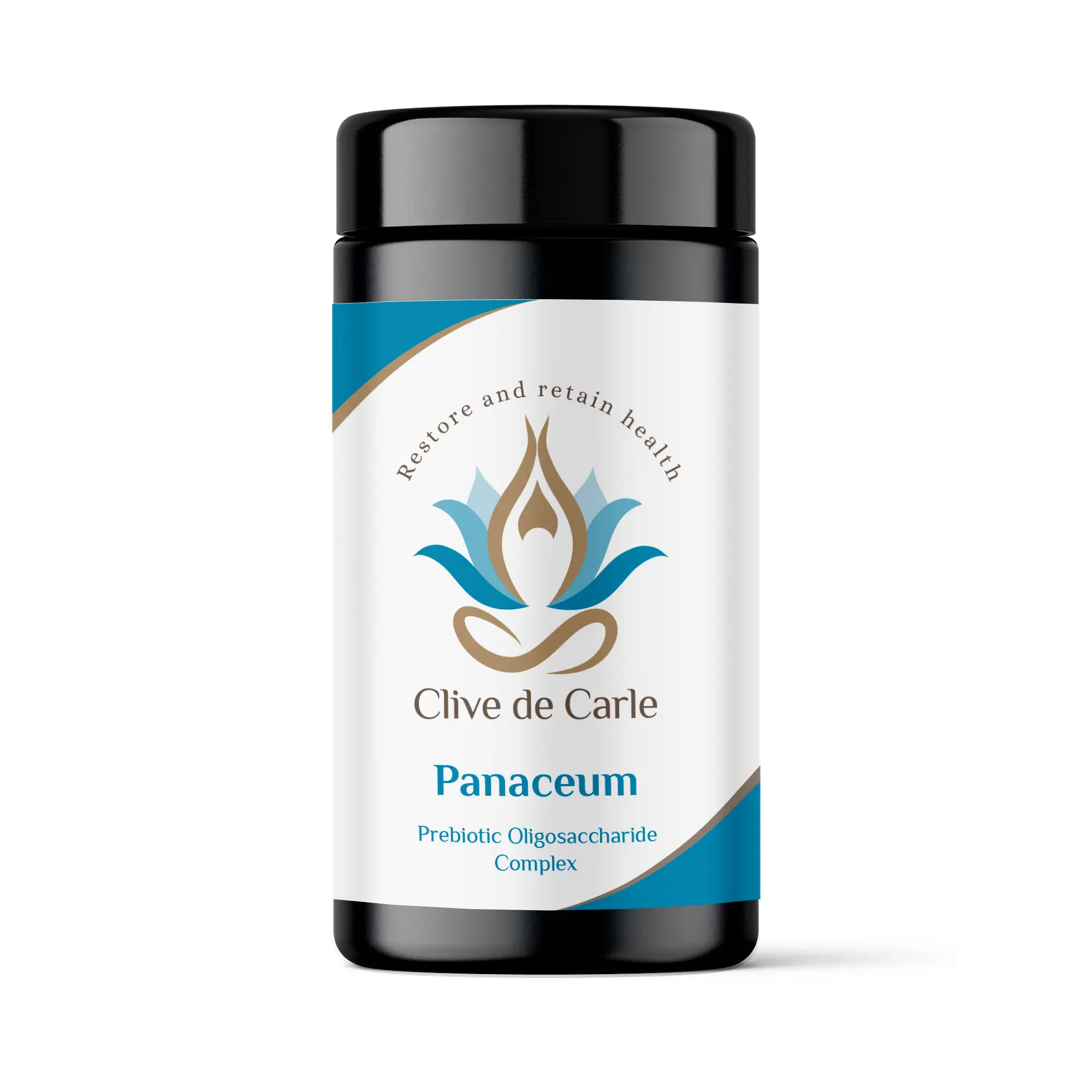
Panaceum – Prebiotic Oligosaccharide Complex
C60 Charcoal – Supports Healthy Digestion and Detoxification.
Clean Slate – Detoxes thousands of chemicals,heavy metals, pesticides, allergens, mold spores and fungus
INNERSTANDING may earn a commission on purchases made through these links. All products are selected based on rigorous educational relevance to our biological research.
Related Research
View All Archives →Where this organ takes you next
Every organ on the Body Map is a doorway. From large intestine (colon) we curate the exact science, tools, and protocols that matter — no generic links, just the biology that connects.
Explore Tools
Selected for large intestine (colon) based on 5 environmental threats, 5 warning signals, and 9 linked conditions.
Body Map
Explore this organ in the interactive anatomy atlas
Why for large intestine (colon) →
Health Pathway
Build a guided health pathway around this organ
Why for large intestine (colon) →
Curated pathway
These three tools were chosen because large intestine (colon) shows elevated vulnerability to antibiotics and shares mechanisms with IBS. Start with the highest, then follow the biology.
From the Arsenal
FROM THE ARSENAL
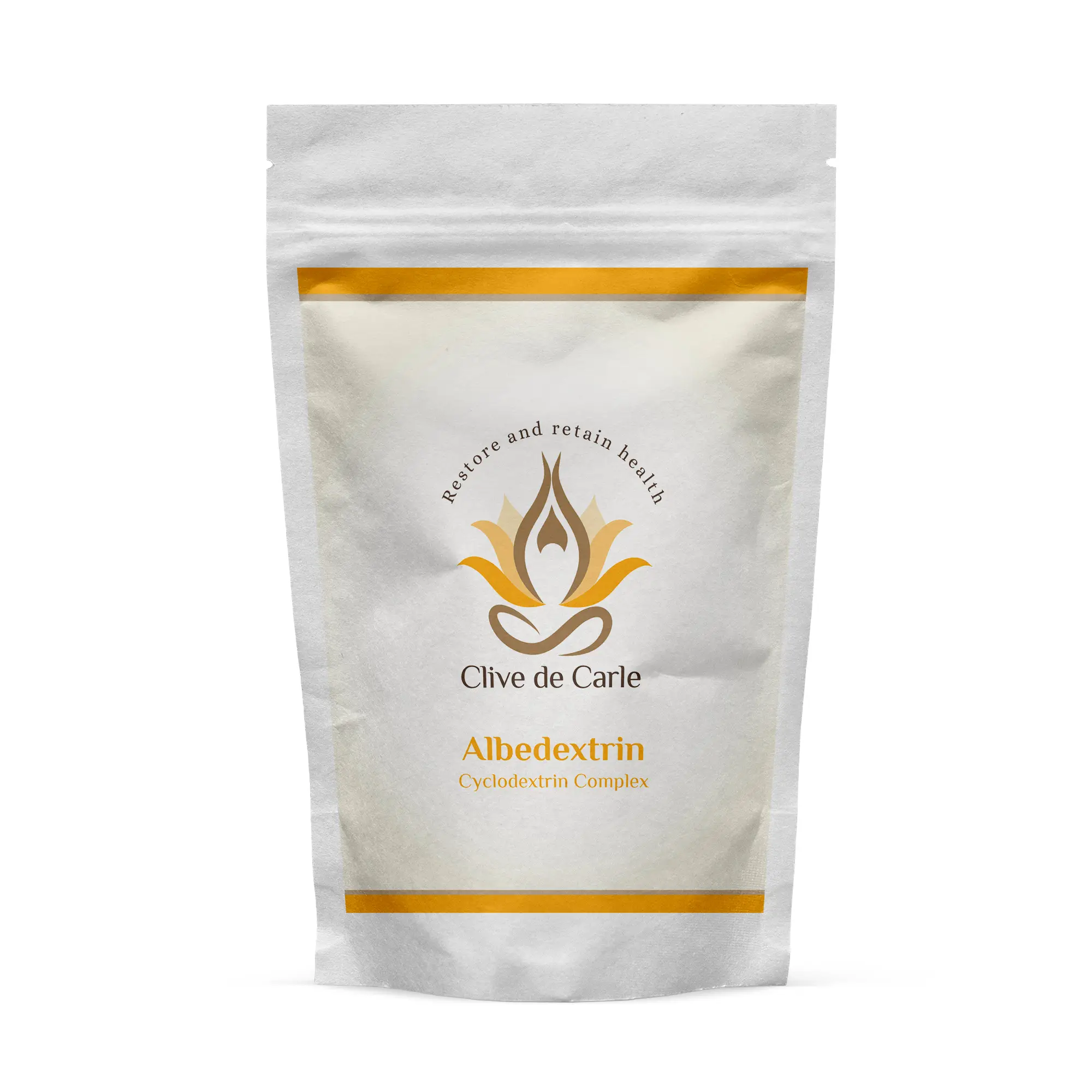
Albedextrin – Specialist Cyclodextrin Complex
CLIVEDECARLE
Albedextrin is a high-grade cyclodextrin complex designed to support systemic clarity and cellular efficiency when integrated into a structured nutritional protocol. This specialist formula offers a targeted approach to managing internal balance for those committed to deep-level health maintenance.

Glytamins Suppositories – Specialist Suppository Formula
Clive De Carle
A practitioner-strength suppository designed to support liver and gallbladder health by bypassing the digestive system for maximum absorption. This formula uses targeted amino acids and botanicals to assist the body's natural bile production and detoxification pathways.
Explore Related Organs — Digestive System
Stomach
The stomach is far more than a simple digestive sac; it is the gateway to the enteric nervous system and the body's primary chemical barrier against pathogens. Its primary biological function is the production of hydrochloric acid (HCl), which creates a highly acidic environment (pH 1.5 to 3.5) essential for protein denaturation and the sterilisation of incoming food. Modern medical interventions, particularly the widespread use of proton pump inhibitors (PPIs), have disrupted this acid-mediated defence, leading to systemic nutrient malabsorption and the proliferation of pathogenic bacteria in the lower gut.
View Deep Dive →Small Intestine
The small intestine is the engine room of nutrient assimilation, a 6-7 metre long tube where 90% of all nutrition is absorbed into the bloodstream. It features a vast surface area created by millions of microscopic finger-like projections called villi, which increase the absorptive area to over 200m². This delicate barrier is only one cell thick and is the primary site of 'leaky gut' (intestinal hyperpermeability), where the protein zonulin opens the tight junctions between cells, allowing undigested food particles and bacterial toxins to trigger systemic immune responses.
View Deep Dive →Liver
The liver is the body's primary metabolic factory and detoxification hub, performing over 500 vital functions including protein synthesis, bile production, and glucose regulation. Its sophisticated detoxification system operates in two distinct phases: Phase I (functionalization) and Phase II (conjugation) which makes toxins water-soluble for excretion. This system is increasingly overwhelmed by the modern toxic load, where the liver must process pharmaceutical residues, synthetic food additives, and environmental xenobiotics, leading to the rapid depletion of glutathione — the body's 'master antioxidant'.
View Deep Dive →Biological Integrity
is not optional
Equip yourself with the knowledge and tools required to navigate the modern environmental landscape.