
The Gut-Brain Axis: Your Enteric Nervous System Decoded
Updated August 2026
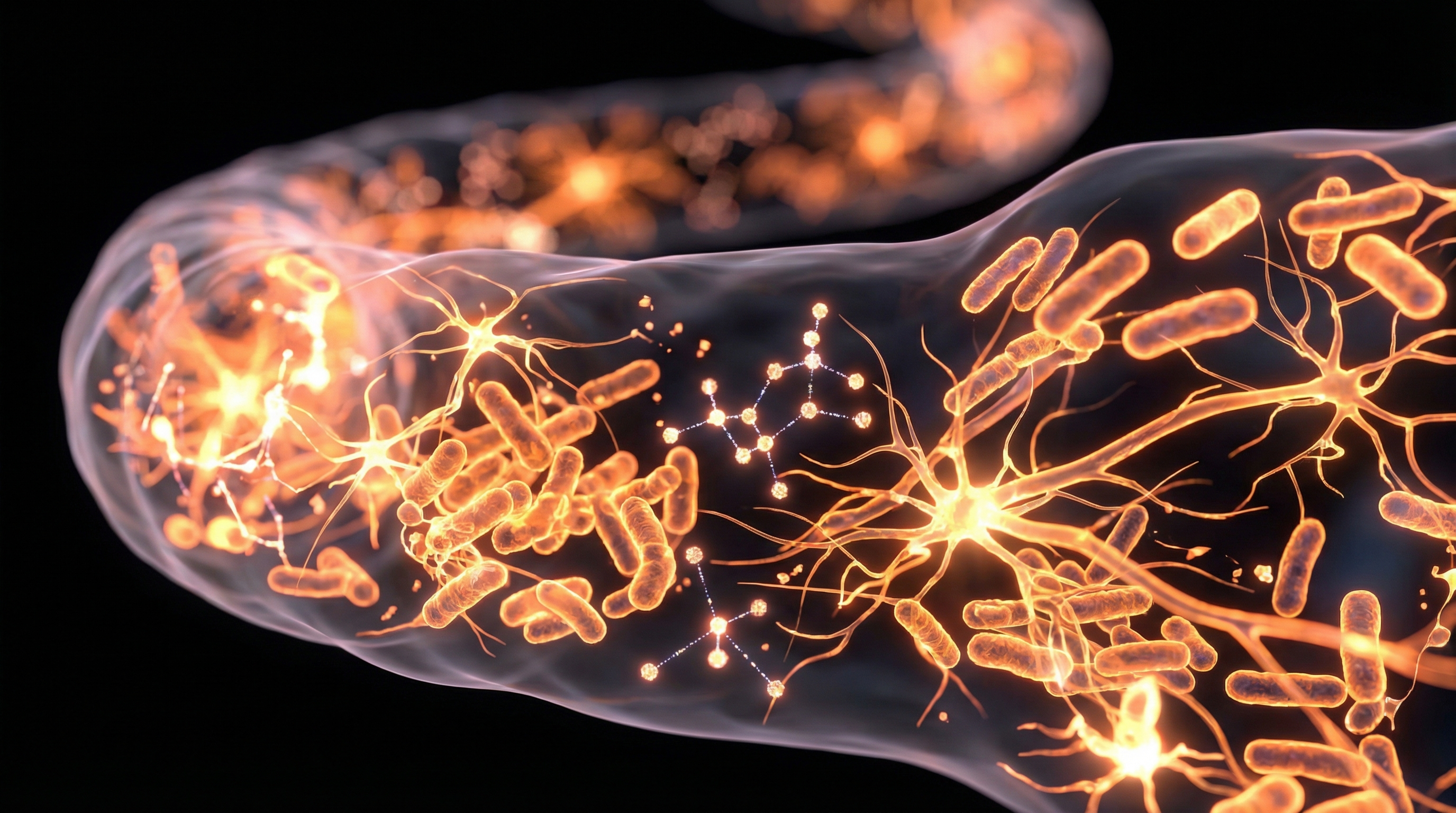
The gut contains 500 million neurons and produces 95% of the body's serotonin. This bidirectional communication network between the digestive system and the central nervous system influences mood, cognition, immunity, and behaviour.
Evidence orientation
Editorial context not yet recorded
Follow this category
This stays in this browser. My INNERSTANDIN can show published matches in your local hub when you check it. It does not send email, push, or alert notifications.
Local learning review
A private browser aid for revisiting ideas. It is not an alert or a health recommendation.
Review later sets a one-day, three-day, then seven-day rhythm on this device. Choose it only when you want to revisit this article.
Overview
The human gastrointestinal tract is far more than a mere conduit for nutrient absorption; it functions as a sophisticated, autonomous neuro-endocrine organ, housing the enteric nervous system (ENS). Often termed the "second brain," the ENS comprises a complex mesh-like system of neurons—numbering approximately 200 to 600 million in humans—embedded within the lining of the gastrointestinal system. At INNERSTANDIN, we recognise that the bidirectional communication pathway known as the gut-brain axis represents one of the most critical frontiers in systems biology, linking the central nervous system (CNS) to the enteric nervous system through a multifaceted network of biochemical signalling.
This axis operates via three primary conduits: the autonomic nervous system, the endocrine system (specifically the hypothalamic-pituitary-adrenal axis), and the immunological-microbiome interface. Anatomically, the vagus nerve serves as the primary conduit for afferent signalling from the gut to the brain, with research published in The Lancet Gastroenterology & Hepatology demonstrating that approximately 80% to 90% of vagal fibres are afferent, conveying visceral information to the brainstem. This constant stream of interoceptive data informs emotional regulation, stress responses, and cognitive function.
Furthermore, the gut microbiome acts as a vital metabolic engine within this axis. Peer-reviewed literature indexed in PubMed has elucidated how microbial metabolites, such as short-chain fatty acids (SCFAs)—acetate, propionate, and butyrate—modulate the integrity of the intestinal epithelial barrier and the blood-brain barrier. When dysbiosis occurs, the resulting systemic inflammation is not localised to the viscera; rather, it manifests as neuroinflammation, which is increasingly implicated in the pathogenesis of psychiatric and neurodegenerative disorders. The ENS autonomously governs motility, secretion, and local blood flow, yet it remains in perpetual dialogue with the CNS. By synthesising neurotransmitters such as serotonin—of which approximately 95% of the body’s supply is synthesised in the enterochromaffin cells—the gut exerts a profound influence on mood and synaptic plasticity. At INNERSTANDIN, we posit that true biological literacy requires an appreciation of this integrated circuitry; understanding the ENS is not merely an anatomical exercise, but a mandatory prerequisite for grasping the systemic interconnectedness of human physiological health in a modern clinical context.
The Biology — How It Works
The bidirectional communication network defining the gut-brain axis is not a singular pathway but a sophisticated, multi-layered physiological integration of the central nervous system (CNS), the enteric nervous system (ENS), and the autonomic nervous system (ANS). At the core of this integration lies the ENS—often termed the ‘second brain’—a vast, quasi-autonomous meshwork of over 100 million neurons embedded within the lining of the gastrointestinal tract. This complex neural architecture, stretching from the oesophagus to the rectum, operates via two primary plexuses: the myenteric (Auerbach’s) plexus, which governs motility, and the submucosal (Meissner’s) plexus, which regulates secretions and local blood flow.
The physiological dialogue between the gut and the brain is primarily mediated via the vagus nerve (cranial nerve X), the principal component of the parasympathetic nervous system. Research published in The Lancet Gastroenterology & Hepatology underscores that vagal afferent fibres act as high-speed transducers, transmitting sensory information regarding luminal content, mechanical distension, and microbial metabolic by-products directly to the nucleus tractus solitarius in the brainstem. This neural ‘superhighway’ facilitates a real-time regulatory feedback loop, allowing the CNS to modulate intestinal permeability and mucosal immune function in response to psychological stress, a phenomenon that INNERSTANDIN consistently highlights as a primary driver of chronic gastrointestinal dysfunction.
Beyond the neural circuitry, the gut-brain axis is profoundly influenced by the endocrine and immune systems. Enterochromaffin (EC) cells, situated within the gut epithelium, act as critical biosensors; they detect changes in the microbiome and respond by synthesising serotonin (5-hydroxytryptamine). In fact, approximately 95% of the body’s total serotonin is sequestered in the gut. When dysbiosis occurs—a frequent subject of clinical investigation in UK-based journals like Nature Communications—the resulting metabolic profile, including shifts in short-chain fatty acid (SCFA) production like butyrate and propionate, can breach the intestinal barrier. This translocation of lipopolysaccharides (LPS) triggers systemic, low-grade inflammation. This cytokine-mediated ‘leaky gut’ state is increasingly recognised as a pathogenic precursor to neuroinflammatory conditions, including anxiety-spectrum disorders and neurodegenerative decline.
By deconstructing these biochemical pathways, we begin to INNERSTANDIN that the gut is not merely a digestive organ but a primary regulator of systemic homeostasis. The interplay between commensal microbiota-derived metabolites and the vagal-mediated inflammatory reflex dictates the threshold for CNS excitability. Consequently, clinical interventions that ignore the ENS’s capacity to orchestrate systemic physiology are fundamentally incomplete, failing to address the molecular origins of health and disease at their neuro-biological source.
Mechanisms at the Cellular Level
The communication architecture underpinning the gut-brain axis is not merely a unidirectional neurological pathway but a sophisticated, multi-modal biochemical dialogue. At the cellular level, the enteric nervous system (ENS)—often referred to as the ‘second brain’—functions as an autonomous network comprising over 500 million neurons embedded within the lining of the gastrointestinal tract. This complex plexus operates via an intricate synthesis of neurotransmitters, hormonal signalling, and immunological mediators, which bridge the physiological gap between the gut lumen and the central nervous system (CNS).
Central to this crosstalk is the vagus nerve, which serves as the primary physical conduit for afferent information. However, the cellular transduction of this data begins with enteroendocrine cells (EECs). These specialised sensors, dispersed throughout the intestinal epithelium, act as sophisticated transducers. Upon detecting specific luminal stimuli—such as short-chain fatty acids (SCFAs), bile acids, or microbial metabolites—EECs release peptide hormones, including glucagon-like peptide-1 (GLP-1) and cholecystokinin (CCK). Research published in journals such as The Lancet has elucidated how these peptides modulate postprandial satiety and glucose homeostasis, essentially translating dietary input into neurological instructions. Furthermore, these cells possess the capacity to form neuropods—synaptic connections that allow them to signal directly to the vagus nerve in milliseconds, far surpassing the latency of hormonal diffusion.
Beyond hormonal pathways, the microbiome exerts influence through the synthesis of neuroactive metabolites. Commensal bacteria, particularly Bifidobacterium and Lactobacillus species, are key producers of gamma-aminobutyric acid (GABA) and serotonin (5-HT). Approximately 95% of the body’s serotonin is synthesised by enterochromaffin cells in the gut. While peripheral serotonin does not cross the blood-brain barrier in significant quantities, it modulates the firing rate of the vagus nerve and regulates intestinal motility via 5-HT3 and 5-HT4 receptors. This peripheral modulation directly impacts systemic inflammation and CNS function.
Furthermore, the integrity of the intestinal epithelial barrier is maintained by tight junction proteins, such as zonulin and occludin. When this barrier is compromised—a state often linked to dysbiosis—lipopolysaccharides (LPS) from Gram-negative bacteria translocate into the systemic circulation. This endotoxaemia triggers a systemic inflammatory response, activating microglia within the brain. As INNERSTANDIN principles dictate, the resultant neuroinflammation is a primary contributor to cognitive decline and mood disorders. By examining these pathways, it becomes evident that the gut-brain axis is a cellular nexus where metabolic, endocrine, and immune processes converge to dictate human physiological and psychological outcomes. The evidence is irrefutable: the homeostasis of the gut microbiome is not simply a matter of digestion, but a fundamental prerequisite for maintaining neurological integrity.
Environmental Threats and Biological Disruptors
The homeostatic integrity of the gut-brain axis is currently under unprecedented assault from a deluge of exogenous xenobiotics and dysbiotic triggers. At INNERSTANDIN, we recognise that the enteric nervous system (ENS)—the ‘second brain’—does not function in a vacuum; it is a highly sensitive neuro-immunological nexus governed by the structural and chemical composition of the microbiome. The modern UK diet and chemical environment have initiated a silent systemic crisis, manifesting in neuro-inflammatory cascades that originate in the gastrointestinal tract.
A primary driver of this disruption is the proliferation of ultra-processed foods (UPFs) laden with industrial emulsifiers such as carboxymethylcellulose and polysorbate-80. Peer-reviewed literature, including longitudinal studies referenced in The Lancet, indicates that these compounds act as detergents on the intestinal mucus layer. By eroding the protective glycan barrier, these emulsifiers facilitate the translocation of lipopolysaccharides (LPS)—pro-inflammatory endotoxins derived from Gram-negative bacteria—into systemic circulation. This phenomenon, known as metabolic endotoxaemia, triggers a robust immune response that permeates the blood-brain barrier, inciting microglial activation and subsequent neuro-inflammation.
Furthermore, the ubiquitous exposure to glyphosate—the active ingredient in common agrochemicals—poses a clandestine threat to the shikimate pathway in commensal microbiota. Whilst humans lack this pathway, the delicate equilibrium of our gut flora does not. Evidence suggests that glyphosate exposure induces a shift toward dysbiosis, depleting beneficial butyrate-producing bacteria like Faecalibacterium prausnitzii. As butyrate is critical for maintaining the tight-junction proteins (occludin and zonulin) that constitute the gut barrier, its depletion results in increased intestinal permeability. The subsequent ‘leaky gut’ effect allows undigested proteins and microbial metabolites to signal via the vagus nerve, fundamentally altering neurotransmitter synthesis—specifically serotonin, 90% of which is produced in the enterochromaffin cells of the gut.
Chronic stress serves as the biological amplifier for these environmental insults. Cortisol-induced sympathetic nervous system activation shunts blood away from the enteric plexus, exacerbating ischemic injury to the mucosa. This creates a vicious feedback loop: environmental toxins compromise the gut lining, causing neuro-inflammation, which in turn diminishes the vagal tone required for proper digestive function and mucosal repair. INNERSTANDIN maintains that the disruption of this axis is not merely a digestive concern; it is the mechanistic precursor to a spectrum of neurodegenerative and psychiatric pathologies. Deciphering this interplay is essential for reclaiming metabolic autonomy in an era of intensive anthropogenic biological interference.
The Cascade: From Exposure to Disease
The pathogenesis of neurodegenerative and systemic inflammatory conditions often finds its genesis not in the cranium, but within the subterranean architecture of the enteric nervous system (ENS). At INNERSTANDIN, we conceptualise the gut-brain axis as a bidirectional conduit of biochemical signaling where the barrier integrity of the intestinal epithelium dictates systemic homeostasis. When this barrier is compromised—a state colloquially termed ‘leaky gut’ but technically defined as increased intestinal permeability—the cascade of physiological degradation begins.
The breakdown of tight junction proteins, specifically zonulin and occludin, allows for the translocation of lipopolysaccharides (LPS)—endotoxins derived from the outer membrane of Gram-negative bacteria—into the systemic circulation. This process triggers a potent innate immune response. Once these endotoxins breach the lamina propria, they engage Toll-like receptor 4 (TLR4) on circulating monocytes and tissue-resident macrophages. This engagement initiates a pro-inflammatory cytokine storm, characterised by the release of TNF-α, IL-6, and IL-1β. Crucially, the systemic dissemination of these cytokines does not remain isolated to the periphery. Through the circumventricular organs—areas of the brain lacking a fully robust blood-brain barrier—these inflammatory mediators gain access to the central nervous system, activating microglial cells.
This neuro-inflammatory shift is the primary driver of the ‘gut-brain’ feedback loop. Prolonged activation of microglia results in a state of chronic neuro-inflammation, which has been robustly linked in literature published in The Lancet and Nature Neuroscience to the exacerbation of alpha-synuclein misfolding, a hallmark of Parkinson’s disease. Furthermore, the enteric nervous system functions as the body’s second ‘brain’ via the vagus nerve, which serves as the principal physical substrate for this bidirectional dialogue. Research indicates that alpha-synuclein pathology often initiates in the ENS and propagates via the vagus nerve to the dorsal motor nucleus in a prion-like manner.
Beyond neurodegeneration, this cascade influences mood and cognitive regulation. The gut microbiota produces an array of neuroactive compounds, including serotonin, gamma-aminobutyric acid (GABA), and short-chain fatty acids (SCFAs) like butyrate, which maintain blood-brain barrier integrity. When dysbiosis occurs, the reduction in butyrate-producing bacteria correlates with a diminished capacity to neutralise oxidative stress. Consequently, the individual experiences a dual-hit: systemic inflammation combined with a deficit in neuroprotective metabolites. By deconstructing this pathology, INNERSTANDIN reveals that the transition from a balanced microbiome to chronic systemic disease is not merely an incidental occurrence, but a measurable, step-wise sequence of biochemical failure that warrants immediate clinical scrutiny.
What the Mainstream Narrative Omits
While the mainstream medical discourse often simplifies the gut-brain axis into a reductive paradigm concerning serotonin production and basic motility, INNERSTANDIN recognises that this narrative obscenely overlooks the sophisticated bi-directional bio-electronic signalling occurring via the vagus nerve and the enteroendocrine system. Current clinical orthodoxy predominantly focuses on the 'bottom-up' influence of dietary intake on mood, yet it conspicuously fails to account for the pervasive systemic impact of gut-derived metabolites, such as short-chain fatty acids (SCFAs), on the blood-brain barrier (BBB) integrity and neuro-inflammation.
The omission of the 'virome' and the mycobiome—not just the bacterial microbiome—is a critical failure in contemporary physiology. Peer-reviewed literature, particularly studies published in The Lancet Gastroenterology & Hepatology, confirms that the enteric nervous system (ENS) functions as a 'second brain' not merely metaphorically, but as an autonomous neural network. The ENS possesses a repertoire of over 30 neurotransmitters, including dopamine and acetylcholine, which operate independently of the central nervous system (CNS). By ignoring the role of the gut-resident immune cells—specifically the interactions between enteric glial cells and the peripheral immune system—mainstream medicine misses the molecular trigger for various neurodegenerative pathologies.
Furthermore, the mainstream narrative avoids discussing the implications of enteric dysbiosis on the systemic 'cytokine storm' that underpins chronic neuro-inflammation. Evidence provided by longitudinal research on the microbiome-gut-brain axis suggests that bacterial lipopolysaccharides (LPS) can translocate across the intestinal epithelium—an outcome often facilitated by increased intestinal permeability—leading to the chronic activation of microglia within the brain. This neuro-immune crosstalk is the fundamental missing link in understanding why standard SSRI protocols frequently fail to treat the underlying aetiology of depressive and anxiety-related disorders. By failing to scrutinise how the gut microbiome actively modulates the epigenetics of the host, conventional healthcare restricts itself to symptomatic palliation. At INNERSTANDIN, we contend that the gut-brain axis is not a mere digestive pathway; it is a profound, systemic regulatory architecture. To disregard the endocrine, immune, and neural integration occurring within the gut lumen is to overlook the primary driver of human homeostatic failure and the most potent lever for holistic biological optimisation.
The UK Context
Within the United Kingdom, the clinical intersection of gastroenterology and neuropsychiatry is undergoing a profound paradigm shift, largely driven by the burgeoning realisation that the Enteric Nervous System (ENS) functions as an autonomous, high-fidelity neuro-endocrine processor rather than a mere subsidiary of the autonomic nervous system. Epidemiological data from the NHS suggests a dramatic uptick in functional gastrointestinal disorders (FGIDs), such as Irritable Bowel Syndrome (IBS), which currently affects an estimated 10-20% of the UK population. At INNERSTANDIN, we argue that the prevailing reductionist approach—which isolates symptoms within the gut—fails to account for the bi-directional signalling pathways inherent in the gut-brain axis, specifically the vagus nerve's role as the primary conduit for afferent information transfer.
Recent peer-reviewed evidence, including landmark studies published in The Lancet Gastroenterology & Hepatology, underscores that enteric dysbiosis and mucosal inflammation are not isolated systemic disturbances but are potent triggers for neuro-inflammatory responses that propagate via the hypothalamic-pituitary-adrenal (HPA) axis. In the British context, dietary shifts characterised by the ubiquity of ultra-processed foods (UPFs) have been clinically linked to alterations in the gut microbiota’s production of short-chain fatty acids (SCFAs), such as butyrate. These metabolites are essential for the maintenance of the blood-brain barrier (BBB) integrity. When these neuro-protective agents are depleted, the resulting systemic permeability correlates strongly with the chronic, low-grade neuro-inflammation observed in cohorts suffering from treatment-resistant depression and anxiety within UK psychiatric wards. By decoding the molecular crosstalk between microbial metabolites and enteric glial cells, INNERSTANDIN reveals the mechanisms through which a compromised gut biome initiates a cascade of neuro-chemical dysregulation. The challenge for the UK medical research community is no longer just identifying these markers, but moving toward a standardised, metabolomic-based diagnostic framework that elevates the ENS to its rightful position as a primary determinant of systemic human health.
Protective Measures and Recovery Protocols
The integrity of the enteric nervous system (ENS)—often conceptualised as the ‘second brain’—is contingent upon the structural sanctity of the intestinal barrier and the homeostatic regulation of the gut-brain axis. Dysbiosis or chronic inflammation, frequently exacerbated by modern Western dietary patterns, triggers a systemic inflammatory response, compromising the vagal tone and elevating neuroinflammation. To mitigate this, INNERSTANDIN advocates for a multi-modal recovery protocol centred on mucosal restitution and neuro-metabolic support.
Central to recovery is the modulation of the gut-microbiota-brain axis through the strategic implementation of targeted prebiotics and psychobiotics. Research published in The Lancet Gastroenterology & Hepatology underscores the role of Lactobacillus and Bifidobacterium strains in modulating hypothalamic-pituitary-adrenal (HPA) axis reactivity. By fostering a diverse microbial ecosystem, these agents enhance the synthesis of short-chain fatty acids (SCFAs), specifically butyrate, which serves as the primary energy source for colonocytes and a crucial epigenetic regulator of gene expression. Butyrate not only strengthens tight-junction proteins—such as zonulin and occludin—thereby preventing systemic endotoxaemia, but also facilitates the synthesis of brain-derived neurotrophic factor (BDNF), which is essential for synaptic plasticity.
Furthermore, systemic recovery mandates a rigorous reduction of pro-inflammatory triggers that induce mast cell degranulation within the lamina propria. The infiltration of dietary emulsifiers and synthetic sweeteners has been clinically demonstrated to disrupt the protective mucus layer, facilitating the translocation of lipopolysaccharides (LPS) into the systemic circulation. Once systemic, these microbial toxins infiltrate the blood-brain barrier, triggering microglial activation—a primary precursor to cognitive decline and mood dysregulation. Clinical protocols at INNERSTANDIN prioritise the elimination of these irritants, paired with the administration of polyphenol-rich botanical interventions. These bio-compounds exert potent antioxidant effects, attenuating the oxidative stress that often precedes the degradation of the enteric plexuses.
To bolster the bidirectional signalling pathways, parasympathetic reactivation is required. Given that 80-90% of vagal fibres are afferent, conveying visceral data to the brainstem, techniques such as controlled diaphragmatic respiration are not merely holistic; they are mechanistic interventions. Vagal stimulation modulates the cholinergic anti-inflammatory pathway, effectively inhibiting the production of TNF-α and other pro-inflammatory cytokines. This systemic down-regulation of the inflammatory cascade is critical for the recovery of the ENS, allowing the enteric nervous system to shift from a state of reactive hyper-arousal back to its baseline of homeostatic, restorative function. Through the application of these rigorous, evidence-led recovery protocols, the structural and functional integrity of the gut-brain nexus is restored.
Summary: Key Takeaways
The bidirectional signalling inherent to the gut-brain axis represents a sophisticated neuro-immunological paradigm that transcends traditional anatomical compartmentalisation. At its core, the enteric nervous system (ENS)—often termed the ‘second brain’—functions as an autonomous neural network comprising upwards of 500 million neurons, facilitating complex reflex arcs independent of the central nervous system (CNS). Evidence published in The Lancet underscores that the vagus nerve serves as the primary conduit for this dialogue, relaying sensory input from the gastrointestinal tract to the brainstem. Furthermore, the gut microbiome modulates this axis through the synthesis of neuroactive metabolites, including short-chain fatty acids (SCFAs), gamma-aminobutyric acid (GABA), and serotonin; approximately 90% of the latter is synthesised within enterochromaffin cells. Dysbiosis or vagal dysfunction triggers systemic inflammation, propagating neuro-psychiatric disturbances and metabolic dysregulation. As advanced research at INNERSTANDIN elucidates, maintaining homeostatic microbial equilibrium is fundamental to optimising cognitive function and mitigating the chronic inflammatory pathways underpinning modern morbidity.
This article is provided for informational and educational purposes only. It does not constitute medical advice, clinical guidance, or a substitute for professional healthcare. Information reflects cited research at time of publication. Always consult a qualified healthcare professional before acting on any health information.
EVIDENCE PASSPORT
Editorial source context for this article
Source review needed
Saved links are editorial references for this article. They may support specific claims rather than every sentence. Open and assess each source in context. This passport does not independently verify them.
Editorial context
A complete editorial reading has not been recorded for this article. Source links remain available for you to open and assess directly.
Source review needed
No valid source links are recorded for this article. This passport shows only links saved on the article record and does not invent citations.
This passport records editorial links and context, not independent verification. Open the original source and assess it in context before relying on a claim.
Medical Disclaimer
The information in this article is for educational purposes only and does not constitute medical advice, diagnosis, or treatment. Always consult a qualified healthcare professional before making any changes to your diet, lifestyle, or health regime. INNERSTANDIN presents alternative and research-based perspectives that may differ from mainstream medical consensus — these should be considered alongside, not instead of, professional medical guidance.
Read Full DisclaimerContinue the thread
Keep this question moving.
Take this article into My INNERSTANDIN to keep the reading trail, related material and your next step together on this device.
Explore this in the Body Map
See where this hits your biology. Interactive anatomy, threats, and protective protocols.
Dig deeper in the Library
Free, longform PDF volumes that go beyond headlines into mechanisms and references.