
Spleen
The spleen is the body's largest lymphoid organ, functioning as a sophisticated filter for the blood.
This article is provided for informational and educational purposes only. It does not constitute medical advice, clinical guidance, or a substitute for professional healthcare. Information reflects cited research at time of publication. Always consult a qualified healthcare professional before acting on any health information.
The Biological Intelligence
The spleen is the body's largest lymphoid organ, functioning as a sophisticated filter for the blood. It contains 'red pulp' which filters out aged or damaged red blood cells and 'white pulp' which serves as a critical immune checkpoint, screening for pathogens and mounting antibody responses. The spleen also acts as a vital reservoir for platelets and white blood cells, which can be rapidly deployed in response to trauma or acute infection, making it central to both cardiovascular and immune health.
“It contains 'red pulp' which filters out aged or damaged red blood cells and 'white pulp' which serves as a critical immune checkpoint, screening for pathogens and mounting antibody responses.
”
Vital Statistics
Environmental Threats
Chronic Viral Infections (EBV)
THREAT LEVEL: HIGHEpstein-Barr Virus (the cause of Glandular Fever) targets the spleen, causing massive immune activation and a risk of splenic rupture.
Heavy Metals (Mercury)
THREAT LEVEL: HIGHMercury impairs the function of splenic macrophages, the cells responsible for cleaning the blood and recycling iron.
Alcohol
THREAT LEVEL: HIGHChronic alcohol consumption contributes to portal hypertension, which causes the spleen to become congested and less effective at filtering.
Pharmaceutical Immunosuppressants
THREAT LEVEL: HIGHDrugs that lower white blood cell counts can impair the spleen's ability to mount an effective immune response to pathogens.
Chronic Inflammation
THREAT LEVEL: HIGHSystemic inflammation causes the spleen to go into overdrive, leading to the depletion of immune cells and increased susceptibility to infection.
Pathological Connections — Linked Conditions
Warning Signals
Easy bruising and slow clotting (low platelet count from splenic sequestration)
Recurrent infections especially from encapsulated bacteria
Pain in the upper left abdomen after viral illness
Fatigue paired with low haemoglobin and haematocrit
Feeling of fullness rapidly when eating (enlarged spleen pressing on stomach)
Protective Protocol
Astragalus (immunomodulatory herb supporting splenic white pulp activity)
Reishi mushroom (modulates splenic natural killer cell activity)
Vitamin C (antioxidant protection for splenic macrophages)
Avoidance of alcohol (the primary lifestyle factor causing splenic macrophage dysfunction)
Iron from dietary sources (prevents anaemic overwork of the red pulp)
Intelligence Briefing
THE ARSENAL
Based on Spleen content — products curated by our research team for educational relevance and biological support.
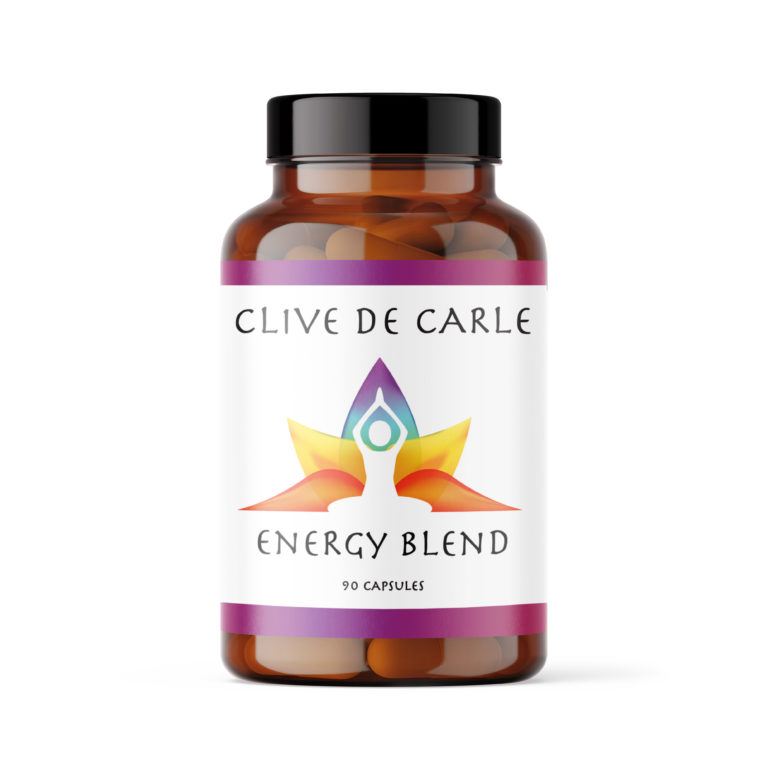
Energy Blend Supports
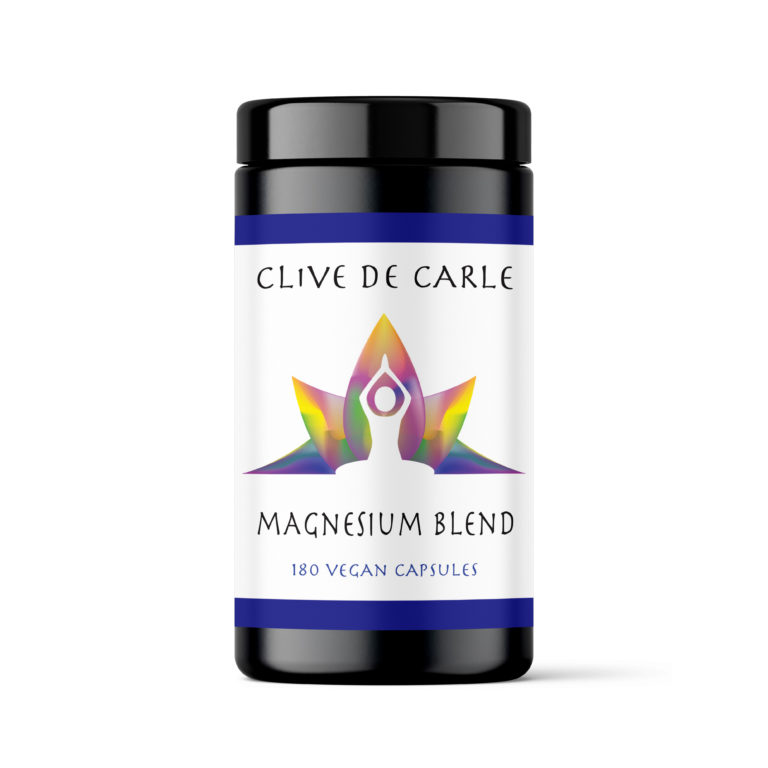
Magnesium Blend – The Most Important Mineral
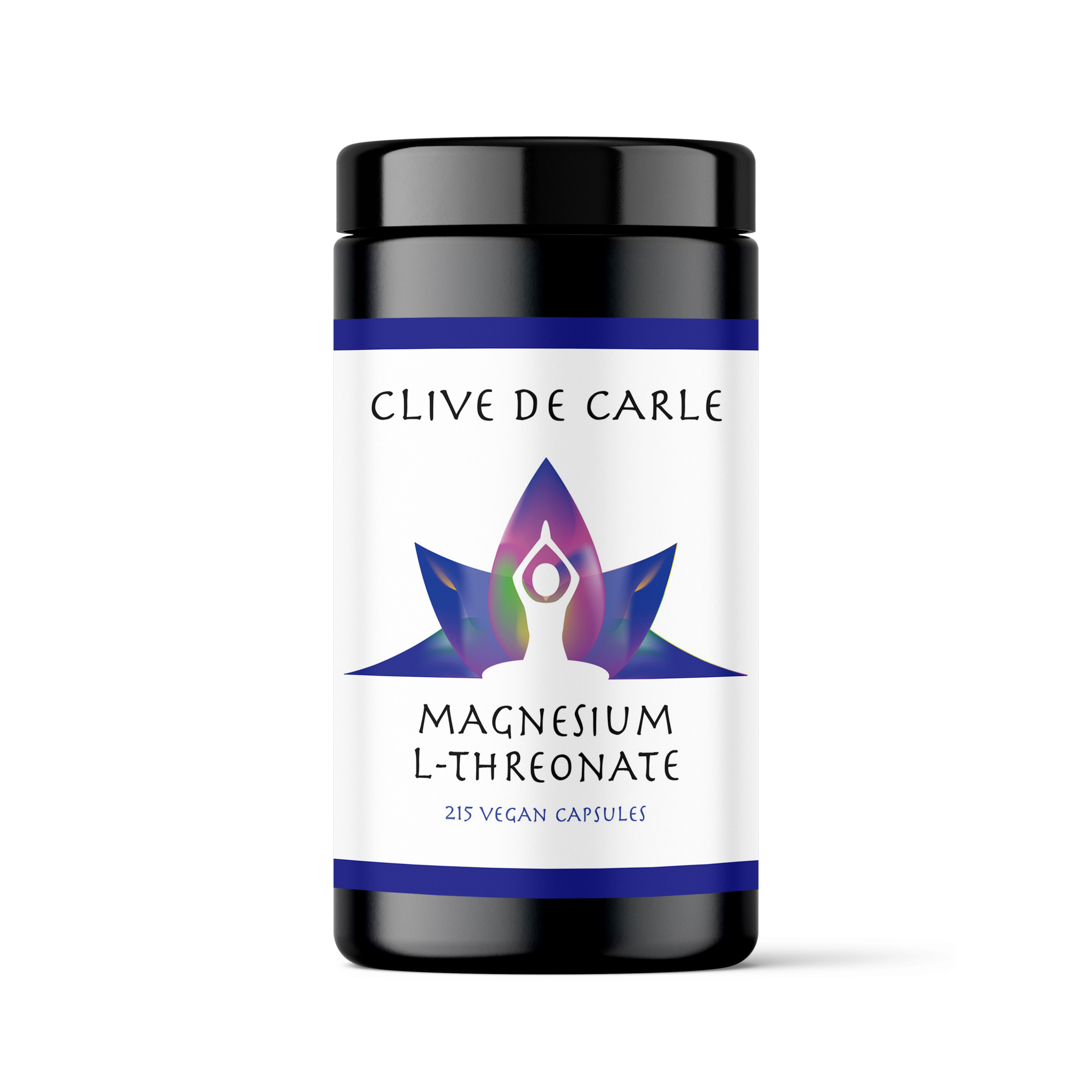
Magnesium L-Threonate
INNERSTANDING may earn a commission on purchases made through these links. All products are selected based on rigorous educational relevance to our biological research.
Related Research
View All Archives →Where this organ takes you next
Every organ on the Body Map is a doorway. From spleen we curate the exact science, tools, and protocols that matter — no generic links, just the biology that connects.
Explore Tools
Selected for spleen based on 5 environmental threats, 5 warning signals, and 8 linked conditions.
Body Map
Explore this organ in the interactive anatomy atlas
Why for spleen →
Health Pathway
Build a guided health pathway around this organ
Why for spleen →
Curated pathway
These three tools were chosen because spleen shows elevated vulnerability to chronic viral infections (ebv) and shares mechanisms with Splenomegaly. Start with the highest, then follow the biology.
From the Arsenal
FROM THE ARSENAL
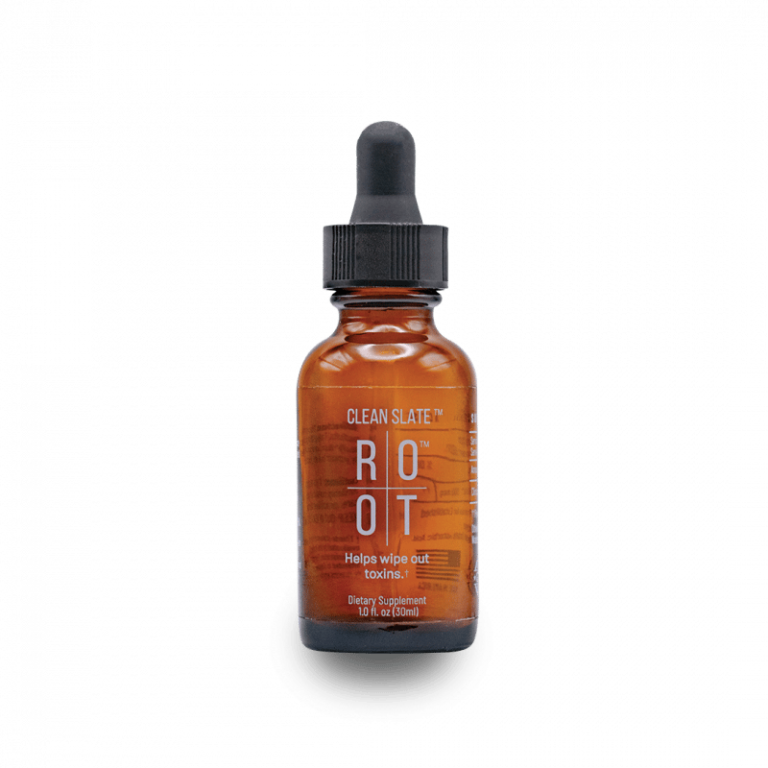
Clean Slate – Detoxes thousands of chemicals,heavy metals, pesticides, allergens, mold spores and fungus
CLIVE DE CARLE
Clean Slate is a cellular-level detoxifier that targets heavy metals, pesticides, and environmental toxins to unblock your body's natural defense pathways. It helps reduce systemic inflammation and restores the nutrient absorption sites often compromised by modern toxicity.
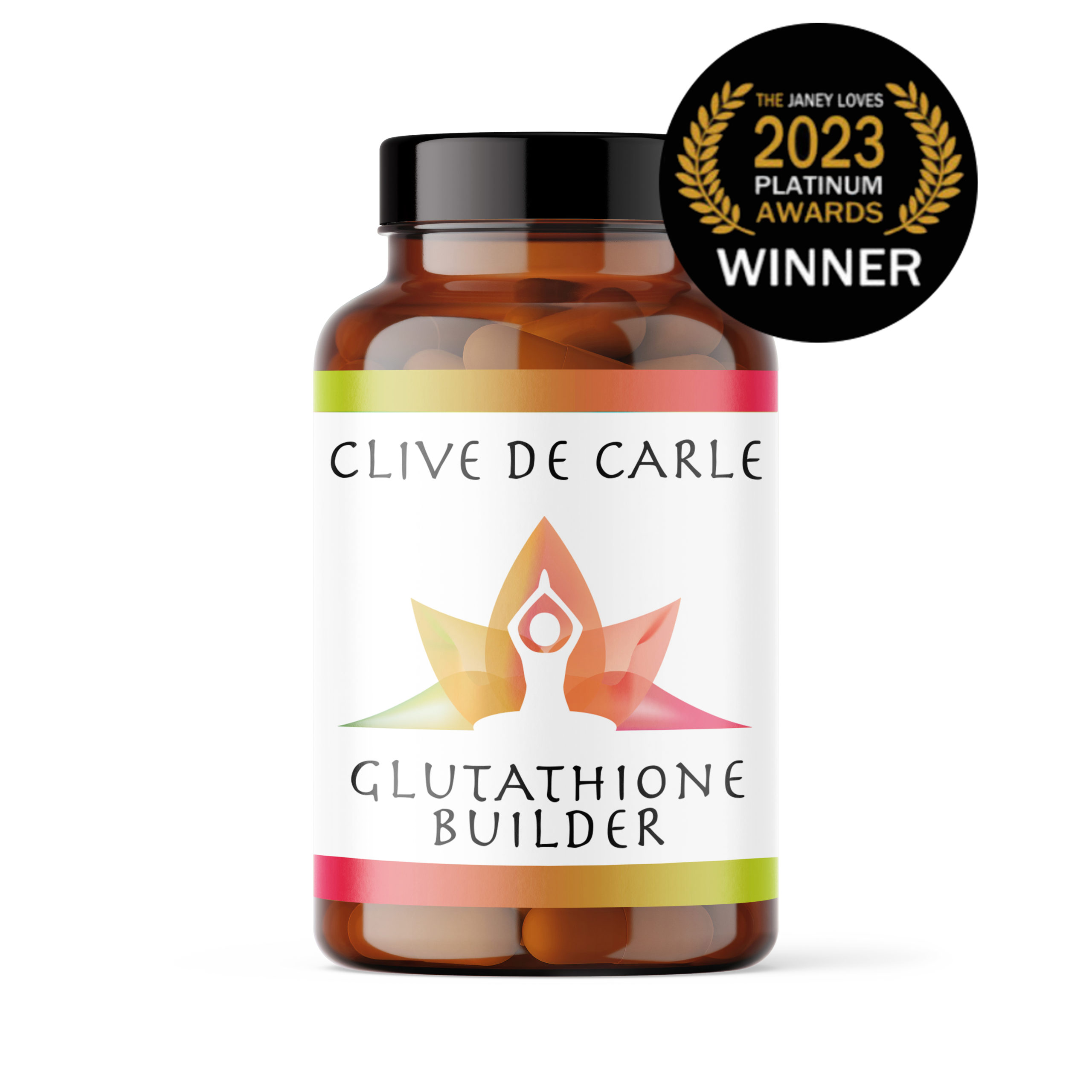
Glutathione Builder – Advanced Amino Acid Formula
Clive De Carle
A targeted blend of amino acid precursors designed to support your body's natural production of glutathione, the master antioxidant. This award-winning formula provides the essential building blocks for superior cellular defense and detoxification.

Immuno – Daily Support for the Immune System
Clive De Carle
Immuno is a targeted daily formula combining high-potency Vitamin C, NAC, and Zinc to provide consistent support for your body’s natural defense systems. This blend avoids synthetic fillers, focusing instead on bioavailable nutrients and plant compounds to maintain long-term resilience and vitality.
Explore Related Organs — Immune System
Lymph Nodes
Lymph nodes are approximately 600-800 bean-shaped filters distributed throughout the body that act as critical immune checkpoints. They filter the lymph fluid that drains from the body's tissues, trapping pathogens, cancer cells, and environmental toxins for destruction by B-cells and T-cells. Because they are often clustered in areas like the armpits (axillary) and neck (cervical), they are the first line of defence but also the first point of accumulation for transdermally absorbed toxins from personal care products.
View Deep Dive →Bone Marrow
Bone marrow is the body's 'cell factory', a highly active tissue found within the cavities of bones that is responsible for hematopoiesis — the production of all red blood cells, white blood cells, and platelets. Red marrow is one of the most metabolically active and radiosensitive tissues in the human body, producing approximately 200 billion new red blood cells every single day. Because heavy metals like lead are stored in bone for decades, the bone marrow is under constant, lifelong exposure to leached toxins that can disrupt the delicate process of stem cell differentiation.
View Deep Dive →Tonsils & Adenoids
Tonsils and adenoids are specialized lymphoid tissues that form 'Waldeyer's ring' at the entrance of the respiratory and digestive tracts. They act as the body's 'sentinels', catching and sampling inhaled and ingested pathogens to train the immune system for future encounters. In the UK, the widespread surgical removal of these tissues in childhood may have long-term immune consequences, as it removes a primary training ground for immune tolerance and pathogen recognition early in life.
View Deep Dive →Biological Integrity
is not optional
Equip yourself with the knowledge and tools required to navigate the modern environmental landscape.