
Thymus
The thymus is the 'primary school' of the immune system, located behind the sternum in the upper chest.
This article is provided for informational and educational purposes only. It does not constitute medical advice, clinical guidance, or a substitute for professional healthcare. Information reflects cited research at time of publication. Always consult a qualified healthcare professional before acting on any health information.
The Biological Intelligence
The thymus is the 'primary school' of the immune system, located behind the sternum in the upper chest. It is here that immature T-lymphocytes migrate from the bone marrow to undergo a rigorous selection process, learning to distinguish between 'self' and 'non-self' antigens. The thymus is at its largest and most active in childhood, after which it undergoes 'thymic involution' (shrinking and being replaced by fat), a process that is significantly accelerated by chronic stress, nutritional deficiencies, and environmental toxic load.
“It is here that immature T-lymphocytes migrate from the bone marrow to undergo a rigorous selection process, learning to distinguish between 'self' and 'non-self' antigens.
”
Vital Statistics
Environmental Threats
Chronic Stress (Cortisol)
THREAT LEVEL: HIGHThe thymus is exquisitely sensitive to cortisol; chronic stress triggers T-cell apoptosis and dramatically accelerates thymic shrinking.
Zinc Deficiency
THREAT LEVEL: HIGHThe hormone thymulin requires zinc to function; without it, the thymus cannot produce mature, functional T-cells.
Heavy Metals
THREAT LEVEL: HIGHMetals like Mercury and Lead can accumulate in the thymus, disrupting the delicate selection process and increasing the risk of autoimmunity.
Pharmaceutical Immunosuppressants
THREAT LEVEL: HIGHSteroids and other drugs can cause rapid, though sometimes reversible, thymic atrophy and impaired immune surveillance.
Chronic Viral Infections (EBV)
THREAT LEVEL: HIGHSustained viral load forces the thymus to work overtime, potentially leading to exhaustion of the T-cell progenitor pool.
Pathological Connections — Linked Conditions
Warning Signals
Frequent viral or bacterial infections requiring medical treatment more than 3 times per year
Slow recovery from infections — taking 2-3 weeks to fully recover from a common cold
Autoimmune conditions appearing in middle age
Poor response to vaccines or immunological challenges
Persistent low-grade lymphocyte counts on full blood count
Protective Protocol
Zinc (the most critical thymic mineral — directly controls thymulin hormone activity)
Thymosin Alpha-1 (peptide directly stimulating thymic T-cell output)
Vitamin A (essential for thymic epithelial integrity and T-cell differentiation)
Caloric restriction or intermittent fasting (documented to slow thymic involution)
Avoidance of chronic psychological stress (cortisol causes dramatic thymic atrophy)
Intelligence Briefing
THE ARSENAL
Based on Thymus content — products curated by our research team for educational relevance and biological support.
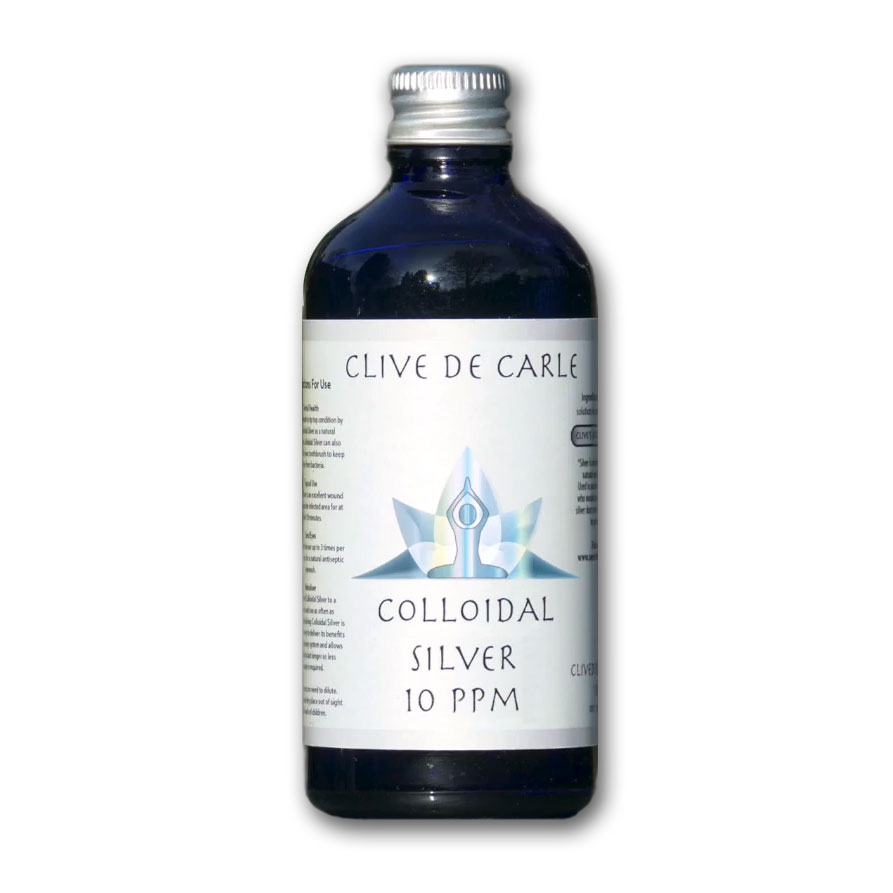
Colloidal Silver: 10ppm – Precision Particle Technology
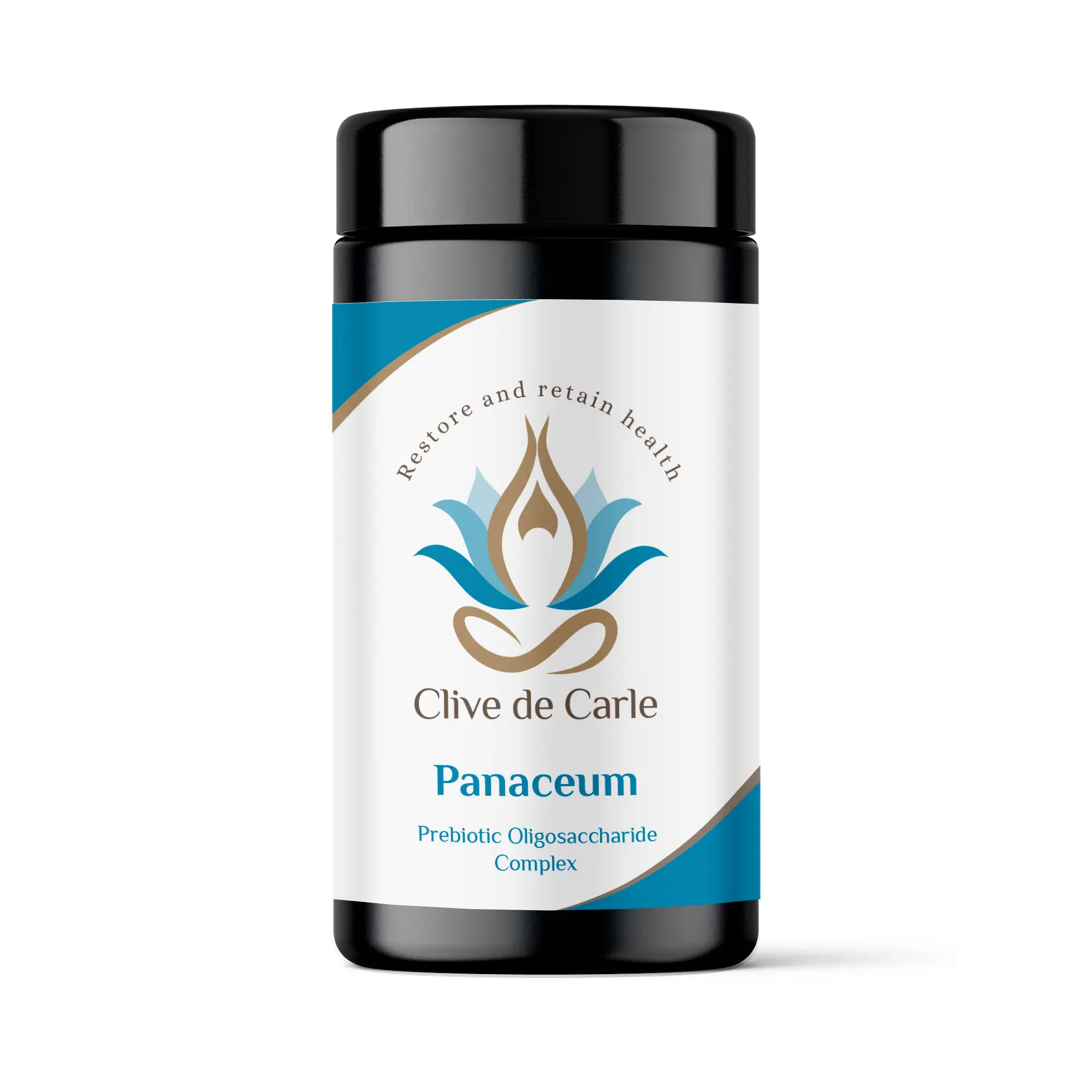
Panaceum – Prebiotic Oligosaccharide Complex
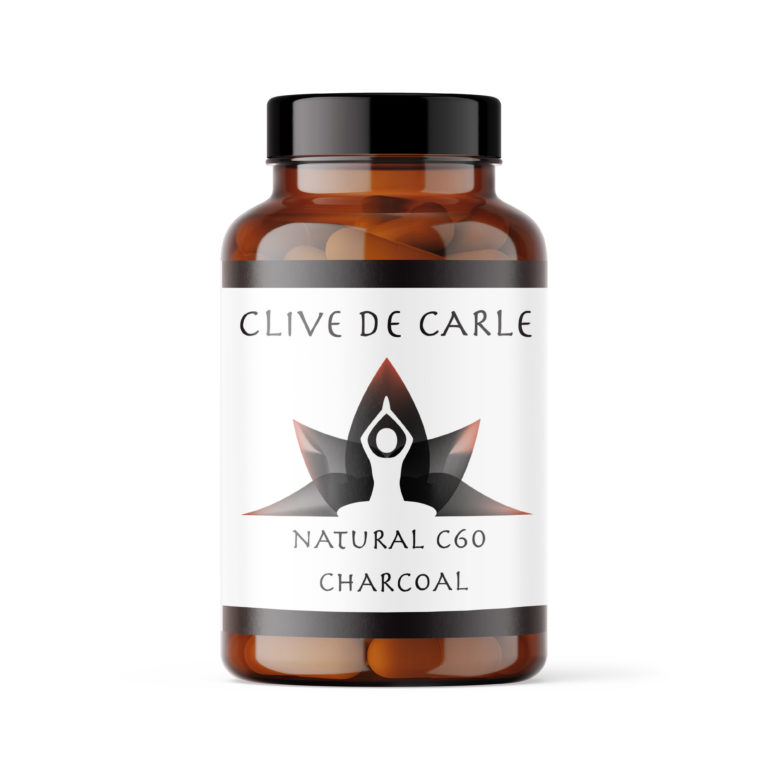
C60 Charcoal – Supports Healthy Digestion and Detoxification.
INNERSTANDING may earn a commission on purchases made through these links. All products are selected based on rigorous educational relevance to our biological research.
Related Research
View All Archives →Where this organ takes you next
Every organ on the Body Map is a doorway. From thymus we curate the exact science, tools, and protocols that matter — no generic links, just the biology that connects.
Explore Tools
Selected for thymus based on 5 environmental threats, 5 warning signals, and 7 linked conditions.
Body Map
Explore this organ in the interactive anatomy atlas
Why for thymus →
Health Pathway
Build a guided health pathway around this organ
Why for thymus →
Curated pathway
These three tools were chosen because thymus shows elevated vulnerability to chronic stress (cortisol) and shares mechanisms with Autoimmune Disease. Start with the highest, then follow the biology.
From the Arsenal
FROM THE ARSENAL

Clean Slate – Detoxes thousands of chemicals,heavy metals, pesticides, allergens, mold spores and fungus
CLIVE DE CARLE
Clean Slate is a cellular-level detoxifier that targets heavy metals, pesticides, and environmental toxins to unblock your body's natural defense pathways. It helps reduce systemic inflammation and restores the nutrient absorption sites often compromised by modern toxicity.

Immuno – Daily Support for the Immune System
Clive De Carle
Immuno is a targeted daily formula combining high-potency Vitamin C, NAC, and Zinc to provide consistent support for your body’s natural defense systems. This blend avoids synthetic fillers, focusing instead on bioavailable nutrients and plant compounds to maintain long-term resilience and vitality.
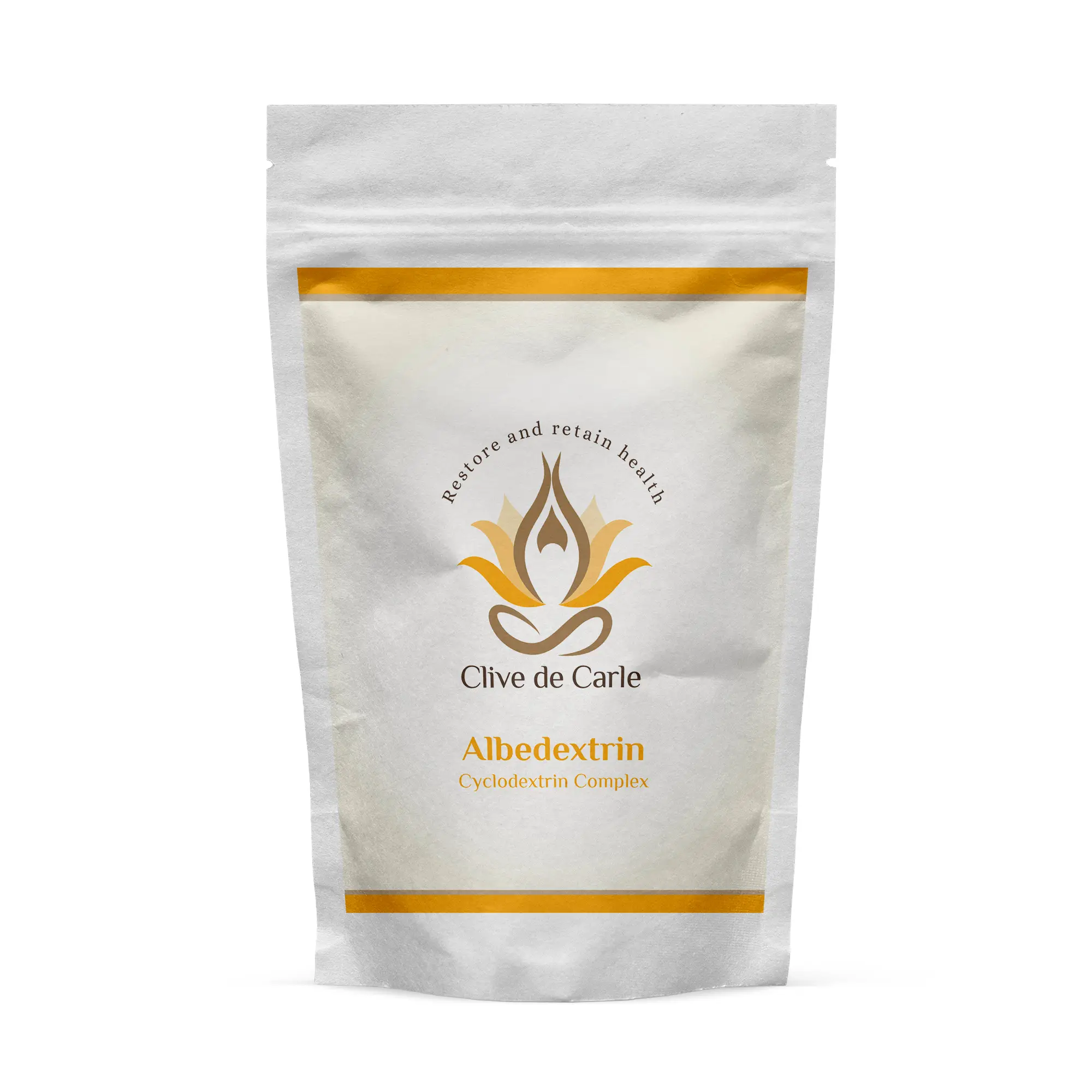
Albedextrin – Specialist Cyclodextrin Complex
CLIVEDECARLE
Albedextrin is a high-grade cyclodextrin complex designed to support systemic clarity and cellular efficiency when integrated into a structured nutritional protocol. This specialist formula offers a targeted approach to managing internal balance for those committed to deep-level health maintenance.
Explore Related Organs — Endocrine System
Thyroid
The thyroid gland is a butterfly-shaped endocrine organ sitting in the neck, yet its hormonal output governs the metabolic rate of virtually every cell in the body. It synthesises T4 and T3 — iodine-containing hormones that regulate gene expression, mitochondrial function, and body temperature. The thyroid is critically dependent on adequate dietary iodine, yet iodine availability in the UK soil has declined significantly whilst fluoride — which competes directly with iodine — has been introduced into the environment.
View Deep Dive →Adrenal Glands
The adrenal glands are two pyramid-shaped organs sitting atop the kidneys that serve as the body's primary responders to stress. They are composed of two distinct parts: the cortex, which produces cortisol and aldosterone, and the medulla, which produces adrenaline and noradrenaline. The HPA (Hypothalamic-Pituitary-Adrenal) axis governs the stress response; in modern environments of constant psychological and chemical stress, this axis becomes dysregulated, leading to the systemic state of exhaustion commonly called 'adrenal fatigue'.
View Deep Dive →Parathyroid Glands
The parathyroid glands are four rice-grain-sized glands embedded in the posterior thyroid that function as the body's master regulators of calcium and phosphorus. They produce parathyroid hormone (PTH), which increases blood calcium levels by stimulating bone resorption, enhancing kidney reabsorption, and activating Vitamin D to increase intestinal absorption. In the UK's low-sunlight environment, chronic Vitamin D deficiency is epidemic, which forces the parathyroid glands into a state of chronic overactivity (secondary hyperparathyroidism) to maintain blood calcium levels.
View Deep Dive →Biological Integrity
is not optional
Equip yourself with the knowledge and tools required to navigate the modern environmental landscape.