
ACE Inhibitors and Angioedema: Understanding the Biochemical Pathways of Adverse Reactions
Updated May 2026
Evidence orientation
Editorial context not yet recorded
Follow this category
This stays in this browser. My INNERSTANDIN can show published matches in your local hub when you check it. It does not send email, push, or alert notifications.
Local learning review
A private browser aid for revisiting ideas. It is not an alert or a health recommendation.
Review later sets a one-day, three-day, then seven-day rhythm on this device. Choose it only when you want to revisit this article.
Overview
Angiotensin-converting enzyme (ACE) inhibitors, including ubiquitously prescribed agents such as Ramipril, Lisinopril, and Enalapril, constitute a primary pharmacological intervention for hypertension, heart failure, and proteinuric renal disease within the UK healthcare landscape. While their efficacy in modulating the renin-angiotensin-aldosterone system (RAAS) is well-documented, a subset of patients—estimated between 0.1% and 0.7%—develops ACE inhibitor-induced angioedema (ACEI-AE), a potentially life-threatening adverse reaction characterised by localised, non-pitting oedema of the dermis and submucosal tissues. At INNERSTANDIN, our objective is to expose the molecular complexity of this reaction, which is fundamentally distinct from the more common IgE-mediated type I hypersensitivities. Unlike histamine-driven allergic reactions, ACEI-AE is a kinin-mediated phenomenon, stemming from a critical disruption in the catabolism of potent vasoactive peptides.
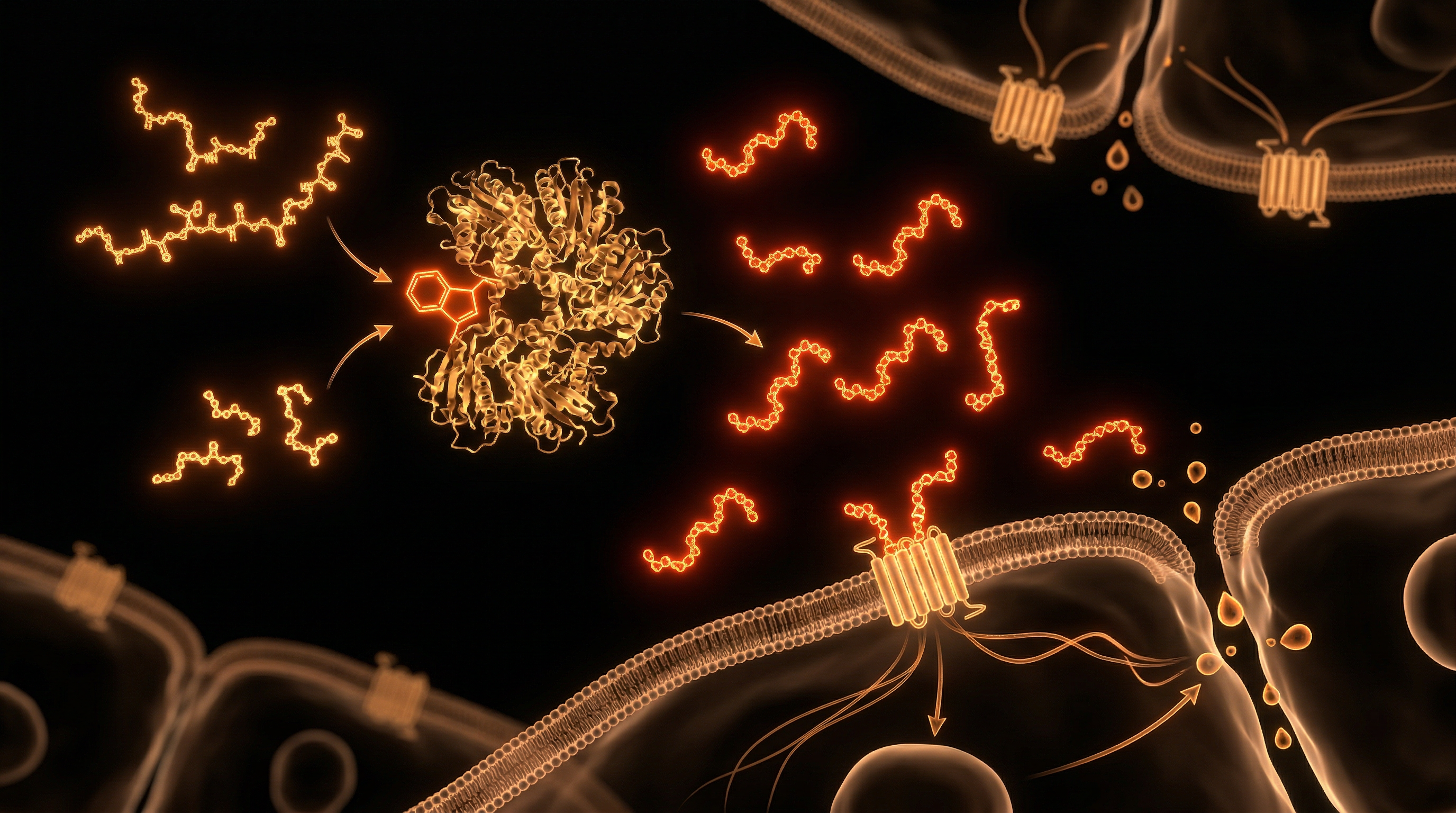
The biochemical crux of this pathology lies in the dual functionality of the ACE enzyme itself, also known as kininase II. In its primary physiological role, ACE facilitates the conversion of Angiotensin I to the potent vasoconstrictor Angiotensin II. However, kininase II is equally vital for the degradation of bradykinin, a nonapeptide that promotes vasodilation and increased vascular permeability. When ACE activity is pharmacologically suppressed, the primary metabolic pathway for bradykinin inactivation is truncated. Research indexed in PubMed and The Lancet underscores that the subsequent accumulation of bradykinin leads to the hyper-activation of the B2-type bradykinin receptors on vascular endothelial cells. This interaction triggers the release of nitric oxide and prostacyclin, leading to a profound loss of microvascular integrity and the extravasation of fluid into the interstitial space—clinically manifesting as acute swelling of the lips, tongue, or pharynx.
INNERSTANDIN identifies a critical, often overlooked dimension of this adverse event: the failure of secondary enzymatic "fail-safes." Under normal physiological conditions, when ACE is inhibited, alternative enzymes such as aminopeptidase P (APP), neutral endopeptidase (NEP), and dipeptidyl peptidase IV (DPP-IV) compensate by degrading excess kinins. Peer-reviewed data indicates that individuals who suffer from ACEI-AE often possess underlying genetic polymorphisms or acquired deficiencies in these secondary pathways. For instance, reduced activity of APP has been identified as a significant biochemical marker for susceptibility. Furthermore, the risk is not uniform across populations; clinical evidence suggests a significantly higher incidence among patients of African-Caribbean descent and those concurrently prescribed DPP-IV inhibitors for type 2 diabetes. By understanding these intersecting metabolic routes, we can transition from reactive clinical management to a proactive, mechanistically informed approach to cardiovascular safety.
The Biology — How It Works
The biochemical landscape of ACE-inhibitor-induced angioedema (ACEI-RA) represents a profound disruption of the homeostatic equilibrium between the renin-angiotensin-aldosterone system (RAAS) and the kallikrein-kinin system (KKS). At the core of this pathology lies the dual functionality of the angiotensin-converting enzyme (ACE), also known in physiological literature as kininase II. While its primary clinical target in hypertension management is the conversion of angiotensin I to the potent vasoconstrictor angiotensin II, its secondary role is the degradation of bradykinin—a potent, pro-inflammatory nonapeptide vasodilator.
In the typical physiological state, bradykinin is rapidly inactivated by ACE through the cleavage of C-terminal dipeptides ($Phe^8-Arg^9$). However, the administration of ACE inhibitors creates a metabolic blockade that necessitates the diversion of bradykinin degradation to secondary pathways involving aminopeptidase P (APP), dipeptidyl peptidase IV (DPP-IV), and neutral endopeptidase (NEP). Research curated by INNERSTANDIN highlights that the clinical manifestation of angioedema occurs when these compensatory catabolic pathways are insufficient or pharmacologically compromised. This is particularly evident in patients with genetic polymorphisms in the XPNPEP2 gene, which encodes for membrane-bound APP, or those concurrently taking DPP-IV inhibitors (gliptins) for type 2 diabetes, which synergistically elevates plasma bradykinin concentrations.
The resulting hyperbradykininaemia triggers an overstimulation of the bradykinin $B2$ receptors located on the vascular endothelial surface. Unlike allergic angioedema, which is mediated by histamine and mast cell degranulation, ACEI-RA is purely kinin-driven. Upon binding to $B2$ receptors, bradykinin initiates a signal transduction cascade that stimulates the release of nitric oxide (NO) and prostacyclin ($PGI_2$), alongside a significant rise in intracellular calcium levels. This process culminates in the phosphorylation of vascular endothelial (VE)-cadherin, leading to the internalisation of junctional proteins and the subsequent retraction of endothelial cells. The resulting increase in microvascular permeability allows for the massive extravasation of plasma into the interstitial space—predominantly within the submucosal tissues of the upper airway, face, and gastrointestinal tract.
Evidence published in The Lancet and supported by UK-based observational studies indicates that individuals of West African and Afro-Caribbean descent exhibit a three-to-fourfold higher risk of developing this reaction, likely due to variations in kinin metabolism and lower endogenous levels of renin. Furthermore, the role of Substance P—another neuropeptide normally degraded by ACE—cannot be overlooked; its accumulation contributes to the potentiation of vascular leakage and the characteristic localised swelling. At INNERSTANDIN, we recognise that ACEI-RA is not a transient idiosyncratic reaction but a predictable, albeit infrequent, consequence of altering the fundamental enzymatic pathways that govern vascular integrity and fluid dynamics. Understanding this mechanism is essential for distinguishing it from IgE-mediated reactions, as kinin-driven oedema is notoriously refractory to conventional treatments such as corticosteroids and adrenaline.
Mechanisms at the Cellular Level
To grasp the cellular architecture of ACE inhibitor-induced angioedema, one must look beyond the traditional renin-angiotensin-aldosterone system (RAAS) and interrogate the secondary, often overlooked, metabolic function of the Angiotensin-Converting Enzyme (ACE). Within the endothelial microenvironment, ACE acts as Kininase II, the primary enzyme responsible for the proteolytic degradation of bradykinin—a potent vasoactive nonapeptide. When an ACE inhibitor (ACEi) is introduced, this degradative pathway is fundamentally compromised. The resultant accumulation of bradykinin in the extravascular space initiates a cascade of molecular events that bypasses the classic IgE-mediated allergic pathways often conflated with this condition.
At the cellular level, the pathogenesis is driven by the interaction of bradykinin with the B2-type G-protein-coupled receptors (GPCRs) located on the surface of vascular endothelial cells. Upon binding, these receptors trigger the activation of phospholipase C (PLC), leading to an influx of intracellular calcium. This secondary messenger system stimulates endothelial nitric oxide synthase (eNOS) and the cyclooxygenase pathway, resulting in the massive release of nitric oxide (NO) and prostacyclin (PGI2). These potent vasodilators facilitate the phosphorylation of junctional proteins, such as vascular endothelial-cadherin (VE-cadherin), thereby compromising the integrity of the endothelial barrier. This ‘loosening’ of the cellular junctions results in the rapid extravasation of plasma into the interstitial tissues—the clinical manifestation of angioedema.
Research published in The Lancet and various peer-reviewed datasets highlights that the risk is not uniform, suggesting a complex interplay of secondary catabolic enzymes. Normally, when ACE/Kininase II is inhibited, alternative enzymes such as aminopeptidase P (APP), dipeptidyl peptidase IV (DPP-IV), and neutral endopeptidase (NEP) attempt to compensate for bradykinin clearance. However, at INNERSTANDIN, we expose the biological reality that many patients—particularly those of African or Caribbean descent, who are statistically more vulnerable in a UK clinical context—possess sub-optimal levels of these secondary enzymes due to genetic polymorphisms.
This metabolic bottleneck prevents the breakdown of not only bradykinin but also other pro-inflammatory peptides like Substance P, which further exacerbates vascular permeability through the activation of neurokinin-1 (NK1) receptors. Evidence from PubMed-indexed pharmacological studies indicates that Substance P promotes the release of histamine from mast cells in a non-immunological fashion, adding another layer of complexity to the cellular response. Furthermore, the concomitant use of other medications, such as DPP-IV inhibitors (gliptins) used in the management of type 2 diabetes, can synergistically inhibit these ‘back-up’ pathways, creating a cellular environment primed for catastrophic tissue swelling. This is not merely an idiosyncratic side effect; it is a profound disruption of the homeostatic machinery governing vascular fluid dynamics, where the inhibition of a single enzyme causes a systemic failure in peptide catabolism.
Environmental Threats and Biological Disruptors
The pharmacological imposition of Angiotensin-Converting Enzyme (ACE) inhibitors represents a profound reconfiguration of the endogenous landscape, transforming a targeted therapeutic intervention into a systemic biological disruptor. Within the UK’s clinical framework, where ACE inhibitors such as ramipril and lisinopril remain frontline defences against hypertension and heart failure, the medical establishment often underplays the catastrophic potential of the resulting metabolic bottleneck. To achieve INNERSTANDIN of this phenomenon, one must look beyond the suppression of Angiotensin II and examine the uncontrolled accumulation of the nonapeptide bradykinin—a potent vasodilator and the primary driver of drug-induced angioedema.
The biochemical mechanism of this disruption is rooted in the dual-substrate nature of the ACE enzyme. Under homeostatic conditions, ACE acts as a critical degradation pathway for bradykinin, cleaving it into inactive metabolites. When this enzyme is inhibited, the biological "drainage" system for kinins is effectively severed. The resultant hyperbradykininaemia triggers an overstimulation of the Bradykinin B2 receptors on vascular endothelial cells. This activation initiates a cascade involving the release of nitric oxide and prostacyclin, leading to massive increases in vascular permeability. As fluid extravasates into the interstitial space of the submucosal or subcutaneous tissues—frequently localising in the upper airway or gastrointestinal tract—the patient faces an acute environmental threat to their own physiological integrity.
Research published in The Lancet and the British Journal of Clinical Pharmacology underscores that this is not a sporadic allergic reaction, but a predictable consequence of pathway disruption. The risk is significantly amplified by the presence of secondary biological disruptors. In many individuals, the body attempts to compensate for ACE inhibition by utilising alternative degradation enzymes, specifically Dipeptidyl peptidase IV (DPP-IV) and Neutral endopeptidase (NEP). However, the modern environmental and pharmaceutical landscape is saturated with factors that further inhibit these backup systems. For instance, the concurrent use of gliptins (DPP-IV inhibitors) for type 2 diabetes creates a "perfect storm" of enzyme deficiency, virtually eliminating the body’s ability to clear bradykinin.
Furthermore, data from the UK’s MHRA indicates a disproportionate vulnerability within specific demographics, particularly those of African and Caribbean descent, who exhibit a three-to-fourfold higher risk of ACE-inhibitor-induced angioedema. This suggests a genetic predisposition involving polymorphisms in the genes encoding aminopeptidase P (APP), another vital kinin-degrading enzyme. When these genetic variances interface with the chemical blockade of ACE, the resulting biological disruption becomes a life-threatening manifestation of systemic failure. By exposing these biochemical pathways, INNERSTANDIN reveals that angioedema is not an anomalous "side effect" but a direct, evidence-led consequence of pharmacological interference in a highly sensitive, interconnected regulatory system.
The Cascade: From Exposure to Disease
The pathogenesis of Angiotensin-Converting Enzyme (ACE) inhibitor-induced angioedema represents a critical failure in the homeostatic regulation of the kallikrein-kinin system (KKS). At the heart of this disruption lies the dual functionality of the ACE enzyme, known more specifically in biochemical literature as Kininase II. While its role in the renin-angiotensin-aldosterone system (RAAS) to catalyse the conversion of Angiotensin I to the potent vasoconstrictor Angiotensin II is well-documented, its secondary function is the rapid degradation of bradykinin, a nonapeptide with profound vasodilatory properties. When an individual is exposed to ACE inhibitors, the primary metabolic pathway for bradykinin clearance is effectively severed, leading to a precipitous accumulation of this peptide within the local microvasculature.
Research published in The Lancet and various PubMed-indexed pharmacological reviews highlights that ACE is responsible for nearly 75% of bradykinin degradation. Under normal physiological conditions, secondary pathways involving aminopeptidase P (APP), neutral endopeptidase (NEP), and dipeptidyl peptidase IV (DPP-IV) provide a redundant safety net. However, the INNERSTANDIN of these biochemical pathways reveals a more complex susceptibility profile. In a significant subset of the UK population, particularly those of African-Caribbean descent, there exists a genetic predisposition—often linked to polymorphisms in the XPNPEP2 gene which encodes APP—that reduces the efficiency of these backup enzymatic systems. When ACE is inhibited in these individuals, the absolute failure to metabolise bradykinin triggers a localized systemic crisis.
The resulting surfeit of bradykinin acts with high affinity on the B2 receptors located on the vascular endothelium. This binding initiates a rapid intracellular signalling cascade, activating endothelial nitric oxide synthase (eNOS) and phospholipase A2. The subsequent release of nitric oxide and prostacyclin induces a profound relaxation of vascular smooth muscle and, crucially, a dramatic increase in capillary permeability. Unlike histamine-mediated angioedema, this bradykinin-driven process occurs without the degranulation of mast cells, explaining the absence of pruritus and urticaria that often confounds clinical diagnosis in NHS emergency departments.
Furthermore, recent evidence suggests that the accumulation of des-Arg9-bradykinin, a metabolite primarily degraded by ACE and APP, may also stimulate B1 receptors. These receptors are typically upregulated during states of chronic inflammation or tissue injury, potentially explaining why some patients develop angioedema only after years of stable ACE inhibitor therapy. This "biochemical threshold" theory, a cornerstone of the INNERSTANDIN approach to pharmaceutical side effects, posits that a secondary trigger—such as a minor viral infection or dental trauma—can upregulate B1 receptors, which then react explosively to the pre-existing, ACE-inhibitor-induced elevation of kinin metabolites. The resulting transudation of fluid into the interstitial space of the submucosal and subcutaneous tissues leads to the characteristic, and potentially life-threatening, swelling that defines the clinical presentation of this adverse drug reaction.
What the Mainstream Narrative Omits
The clinical literature often categorises ACE inhibitor-induced angioedema (ACEI-AE) as an idiosyncratic rarity, a statistical outlier in the broader success story of hypertension management. However, at INNERSTANDIN, we recognise that this reductionist view obscures a profound systemic failure of peptide catabolism. The mainstream narrative focuses almost exclusively on the accumulation of bradykinin (BK) as a secondary consequence of Angiotensin-Converting Enzyme inhibition. While the primary role of ACE is the conversion of Angiotensin I to the potent vasoconstrictor Angiotensin II, its equally critical function—the degradation of BK into inactive fragments—is frequently downplayed. What is omitted from standard clinical briefings is the catastrophic failure of redundant metabolic pathways and the role of the B1 receptor in chronic adverse reactions.
When ACE is pharmacologically neutralised, the body relies on secondary peptidases: Aminopeptidase P (APP), Dipeptidyl peptidase IV (DPP-IV), and Neutral Endopeptidase (NEP/Neprilysin). Emerging research in The Lancet and various PubMed-indexed longitudinal studies suggests that individuals who develop angioedema often possess sub-clinical deficiencies or genetic polymorphisms in these enzymes. Specifically, lower baseline activity of APP and DPP-IV creates a "metabolic bottleneck." In the UK, where ACE inhibitors like Ramipril are a frontline defence for the NHS, the failure to pre-screen for these enzymatic thresholds represents a significant gap in precision medicine. Furthermore, the mainstream focus on the B2 receptor—responsible for the acute, classic vasodilation—ignores the "sensitisation" of the B1 receptor. Unlike the B2 receptor, which is constitutively expressed, the B1 receptor is upregulated by pro-inflammatory cytokines (IL-1β, TNF-α). ACE inhibition results in an elevation of [des-Arg9]-BK, a potent B1 agonist. This creates a state of chronic hyper-permeability and tissue extravasation that can manifest months or even years after the initial prescription, a phenomenon often misdiagnosed as an unrelated allergic reaction because it lacks the temporal proximity of a standard "side effect."
Moreover, the synergistic risk involving concurrent pharmaceutical interventions—such as DPP-IV inhibitors used in Type 2 Diabetes—is frequently minimised. The simultaneous inhibition of two primary BK degradation pathways drastically lowers the threshold for life-threatening oropharyngeal swelling. INNERSTANDIN asserts that ACEI-AE is not an unpredictable glitch, but a predictable outcome of disrupting the delicate equilibrium between the renin-angiotensin system and the kallikrein-kinin system. The medical establishment's failure to account for the pharmacogenomic disparity in populations of African and Caribbean heritage—who exhibit a three-to-fourfold higher risk of ACEI-AE—further highlights a narrative that prioritises broad-spectrum efficacy over biochemical reality. By ignoring these deep-seated metabolic vulnerabilities, the current standard of care fails to protect those whose biological safety nets are genetically or environmentally compromised.
The UK Context
Within the United Kingdom’s clinical landscape, Angiotensin-Converting Enzyme (ACE) inhibitors—most notably ramipril and lisinopril—remain the primary pharmacological intervention for hypertension and heart failure, as mandated by the National Institute for Health and Care Excellence (NICE) guidelines. However, the prevalence of ACE inhibitor-induced angioedema (ACEI-AE) represents a significant, often under-reported burden on the National Health Service (NHS), accounting for a substantial proportion of non-allergic emergency admissions. At INNERSTANDIN, we expose the underlying biochemical reality: this is not a hypersensitivity reaction, but a predictable, albeit idiosyncratic, failure of the kinin-catabolic pathway.
The UK context
is particularly illustrative due to the diverse genetic architecture of its population. Data derived from the UK Biobank and the Medicines and Healthcare products Regulatory Agency (MHRA) Yellow Card scheme indicates that individuals of African and Caribbean descent are three to four times more likely to experience ACEI-AE compared to those of European ancestry. This disparity is biologically rooted in the efficiency of secondary catabolic enzymes. While ACE (Kininase II) is the primary degrader of bradykinin, alternative pathways involving Aminopeptidase P (APP), Dipeptidyl Peptidase IV (DPP-IV), and Neutral Endopeptidase (NEP) typically provide redundancy. In high-risk UK cohorts, lower baseline levels of APP and DPP-IV activity—often genetically determined via polymorphisms in the XPNPEP2 gene—create a biochemical "perfect storm." When ACE is inhibited, these secondary pathways are insufficient to clear the resulting surplus of bradykinin and its active metabolite, des-Arg9-bradykinin.
The systemic impact is a profound local dysregulation of vascular permeability. Bradykinin hyper-stimulation of the B2 receptors (and des-Arg9-bradykinin stimulation of upregulated B1 receptors) triggers a massive release of nitric oxide and prostacyclin, leading to the rapid, asymmetric swelling of the tongue, lips, and upper airway. Peer-reviewed research published in The Lancet and British Journal of Clinical Pharmacology underscores that this reaction can occur years after the initiation of therapy, complicating the diagnostic process within acute NHS settings. Furthermore, the rising co-prescription of DPP-IV inhibitors (gliptins) for Type 2 Diabetes in the UK further exacerbates this risk by simultaneously handicapping another vital bradykinin-degradation route. Through the INNERSTANDIN lens, we identify ACEI-AE as a critical example of how systemic biochemical inhibition, while therapeutically intended, can unmask latent metabolic vulnerabilities within the British population.
Protective Measures and Recovery Protocols
The clinical management of ACE inhibitor-induced angioedema (ACEI-RA) necessitates a departure from standard anaphylaxis protocols, as the underlying pathology is fundamentally non-histaminergic. At INNERSTANDIN, we must scrutinise the biochemical failure of traditional interventions—namely antihistamines and corticosteroids—which frequently prove futile in the face of bradykinin-mediated vascular permeability. The primary protective measure remains the meticulous identification of high-risk phenotypes prior to the initiation of therapy. Research published in The Lancet and various PubMed-indexed cohorts highlights that individuals of African or Caribbean descent, females, and those over the age of 65 exhibit a significantly higher predisposition to ACEI-RA, likely due to genetic polymorphisms in the XPNPEP2 gene, which encodes membrane-bound aminopeptidase P—a critical secondary pathway for bradykinin degradation when ACE is inhibited.
Upon clinical presentation, the recovery protocol begins with the immediate and permanent cessation of the offending ACE inhibitor. However, because the half-life of the drug does not always correlate with the resolution of the oedema—owing to the protracted stabilisation of the kinin-kallikrein system—acute pharmacological intervention is often required. The use of Icatibant (Firazyr), a synthetic decapeptide and selective bradykinin B2 receptor antagonist, has shown efficacy in off-label UK clinical practice for severe cases, effectively halting the intracellular signalling cascade that triggers endothelial cell retraction. Furthermore, the administration of C1-esterase inhibitor (C1-INH) concentrates, such as Berinert, serves to inhibit plasma kallikrein and Factor XIIa, thereby limiting the de novo synthesis of bradykinin.
In refractory cases, the administration of Fresh Frozen Plasma (FFP) remains a subject of intense academic debate. While FFP contains kininase II (the endogenous ACE enzyme) which facilitates bradykinin breakdown, it also contains high molecular weight kininogen (HMWK), the substrate for bradykinin production. Consequently, clinicians must exercise extreme vigilance to avoid a paradoxical exacerbation of the angioedema.
Long-term protective strategies involve the rigorous avoidance of re-challenge. Data suggests that switching to Angiotensin II Receptor Blockers (ARBs) carries a cross-reactivity risk estimated between 7% and 10%; therefore, a transition to alternative antihypertensive classes, such as Calcium Channel Blockers (CCBs) or thiazide diuretics, is the gold standard for secondary prevention. The INNERSTANDIN objective is to unmask the molecular vulnerabilities inherent in renin-angiotensin-aldosterone system (RAAS) modulation, ensuring that recovery protocols are predicated on the specific enzymatic deficiencies—such as dipeptidyl peptidase IV (DPP-IV) inhibition—that define this iatrogenic crisis. Adherence to these evidence-led protocols is essential for mitigating the risk of asphyxiation and ensuring haemodynamic stability in affected patient populations.
Summary: Key Takeaways
The fundamental takeaway from this INNERSTANDIN analysis is that ACE inhibitor-induced angioedema represents a non-immunological, biochemical failure of the kinin-kallikrein system, entirely distinct from IgE-mediated Type I hypersensitivity. The primary mechanism hinges upon the inhibition of Angiotensin-Converting Enzyme—biochemically synonymous with kininase II—which directly disrupts the metabolic degradation of the potent nonapeptide vasodilator, bradykinin. As evidenced by critical longitudinal studies published in The Lancet, this pathological accumulation facilitates the overactivation of B2 receptors, triggering a cascade of increased vascular permeability and subsequent interstitial extravasation.
The "truth-exposing" data highlights that when the primary ACE-mediated degradation pathway is compromised, secondary compensatory enzymes such as aminopeptidase P (APP), dipeptidyl peptidase IV (DPP-IV), and neutral endopeptidase (NEP) are often insufficient to maintain homeostasis. This is particularly evident in the UK clinical context, where MHRA data suggests a significantly higher incidence amongst African-Caribbean populations, pointing towards a pharmacogenetic predisposition involving diminished endogenous nitroxide availability or variant peptidase activity. Furthermore, clinicians must recognise that this reaction is not a transient "side effect" but a predictable consequence of systemic peptidase saturation. Understanding this pathway is essential for identifying patients at risk of life-threatening laryngeal involvement, as conventional antihistamine and corticosteroid interventions remain largely ineffective against this bradykinin-mediated surge. The resolution of such oedema necessitates the absolute cessation of the offending agent and a profound INNERSTANDIN of the alternative pharmacological routes for hypertensive management.
This article is provided for informational and educational purposes only. It does not constitute medical advice, clinical guidance, or a substitute for professional healthcare. Information reflects cited research at time of publication. Always consult a qualified healthcare professional before acting on any health information.
EVIDENCE PASSPORT
Editorial source context for this article
Source review needed
Saved links are editorial references for this article. They may support specific claims rather than every sentence. Open and assess each source in context. This passport does not independently verify them.
Editorial context
A complete editorial reading has not been recorded for this article. Source links remain available for you to open and assess directly.
Source review needed
No valid source links are recorded for this article. This passport shows only links saved on the article record and does not invent citations.
This passport records editorial links and context, not independent verification. Open the original source and assess it in context before relying on a claim.
Medical Disclaimer
The information in this article is for educational purposes only and does not constitute medical advice, diagnosis, or treatment. Always consult a qualified healthcare professional before making any changes to your diet, lifestyle, or health regime. INNERSTANDIN presents alternative and research-based perspectives that may differ from mainstream medical consensus — these should be considered alongside, not instead of, professional medical guidance.
Read Full DisclaimerContinue the thread
Keep this question moving.
Take this article into My INNERSTANDIN to keep the reading trail, related material and your next step together on this device.