
Activated Charcoal and the Microbiome: Balancing Toxin Sequestration with Beneficial Microbial Preservation
Discuss this resourceUpdated August 2026
An exploration into the mechanics of activated charcoal, its impact on the gut ecosystem, and how to utilize it for detoxification without compromising microbiome diversity.
Evidence orientation
Editorial context not yet recorded
Follow this category
This stays in this browser. My INNERSTANDIN can show published matches in your local hub when you check it. It does not send email, push, or alert notifications.
Local learning review
A private browser aid for revisiting ideas. It is not an alert or a health recommendation.
Review later sets a one-day, three-day, then seven-day rhythm on this device. Choose it only when you want to revisit this article.
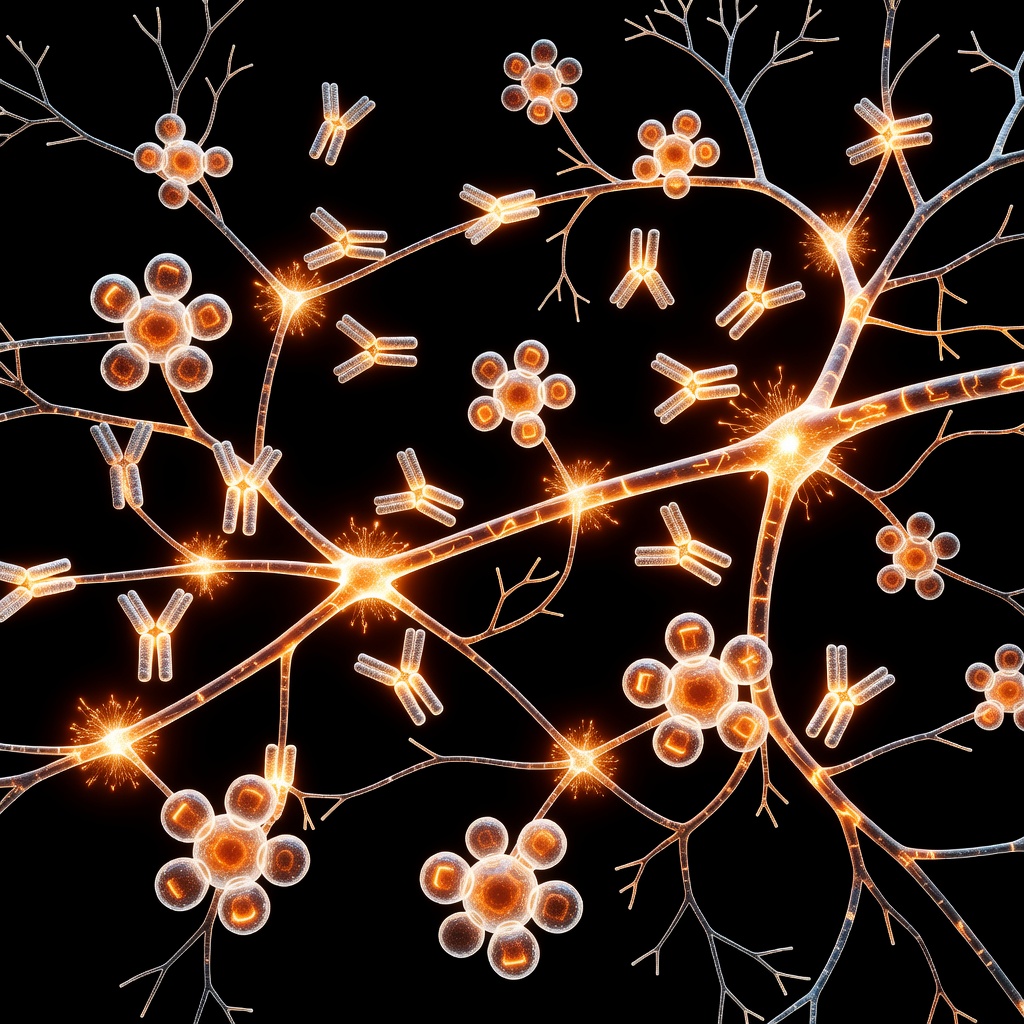
### The Mechanism of Adsorption Activated charcoal is a potent therapeutic agent known for its porous, negatively charged surface area, which acts as a sponge for toxins. In the context of detoxification, it effectively binds to metabolic waste, environmental pollutants, and certain bacterial endotoxins. However, its non-selective nature presents a significant challenge: it does not distinguish between harmful pathogens and beneficial microbial commensals. ### Understanding the Microbiome Impact The human microbiome is a complex, delicate ecosystem of bacteria, fungi, and viruses. Chronic or indiscriminate use of activated charcoal can potentially disrupt this equilibrium.
Because charcoal possesses a high capacity to sequester nutrients and enzymes, prolonged usage may inadvertently lead to nutrient depletion or the reduction of beneficial probiotic strains essential for digestive immunity. ### Root-Cause Detoxification Strategies To support the body without harming the microbiome, one must prioritize a targeted approach. Rather than relying on charcoal as a 'catch-all' solution, it should be viewed as an adjunct therapy. Key strategies include: 1. Timing: Administer charcoal at least two hours away from meals and supplements to prevent the depletion of essential nutrients. 2.
Pulsed Dosing: Use charcoal in short, strategic windows rather than continuous, long-term protocols. 3. Re-inoculation: Combine charcoal use with diverse prebiotics and high-quality fermented foods to replenish microbial populations post-sequestration. ### Balancing Sequestration and Preservation The goal of any detox protocol should be to reduce the toxic load while fortifying the gut barrier. Activated charcoal excels at binding heavy metals and mycotoxins, but this must be balanced with agents that support the gut lining, such as L-glutamine or bone broth. By integrating these practices, individuals can achieve a deeper level of cellular cleansing without sacrificing the integrity of their microbiome.
Always consult with a qualified health practitioner when implementing new protocols, especially for those with compromised digestive health.
This article is provided for informational and educational purposes only. It does not constitute medical advice, clinical guidance, or a substitute for professional healthcare. Information reflects cited research at time of publication. Always consult a qualified healthcare professional before acting on any health information.
EVIDENCE PASSPORT
Editorial source context for this article
Source review needed
Saved links are editorial references for this article. They may support specific claims rather than every sentence. Open and assess each source in context. This passport does not independently verify them.
Editorial context
A complete editorial reading has not been recorded for this article, and no source links are saved on its record.
Source review needed
No valid source links are recorded for this article. Supplementary research, where available, is listed separately below.
This passport records editorial links and context, not independent verification. Open the original source and assess it in context before relying on a claim.
Medical Disclaimer
The information in this article is for educational purposes only and does not constitute medical advice, diagnosis, or treatment. Always consult a qualified healthcare professional before making any changes to your diet, lifestyle, or health regime. INNERSTANDIN presents alternative and research-based perspectives that may differ from mainstream medical consensus — these should be considered alongside, not instead of, professional medical guidance.
Read Full DisclaimerContinue the thread
Keep this question moving.
Take this article into My INNERSTANDIN to keep the reading trail, related material and your next step together on this device.
Explore this in the Body Map
Explore related body structures and their educational pages in the interactive Body Map.
Dig deeper in the Library
Free, longform PDF volumes that go beyond headlines into mechanisms and references.