
Advanced Glycation End-products: How Sugar-Protein Interactions Accelerate Tissue Degeneration
Updated April 2026
Evidence orientation
Editorial context not yet recorded
Follow this category
This stays in this browser. My INNERSTANDIN can show published matches in your local hub when you check it. It does not send email, push, or alert notifications.
Local learning review
A private browser aid for revisiting ideas. It is not an alert or a health recommendation.
Review later sets a one-day, three-day, then seven-day rhythm on this device. Choose it only when you want to revisit this article.
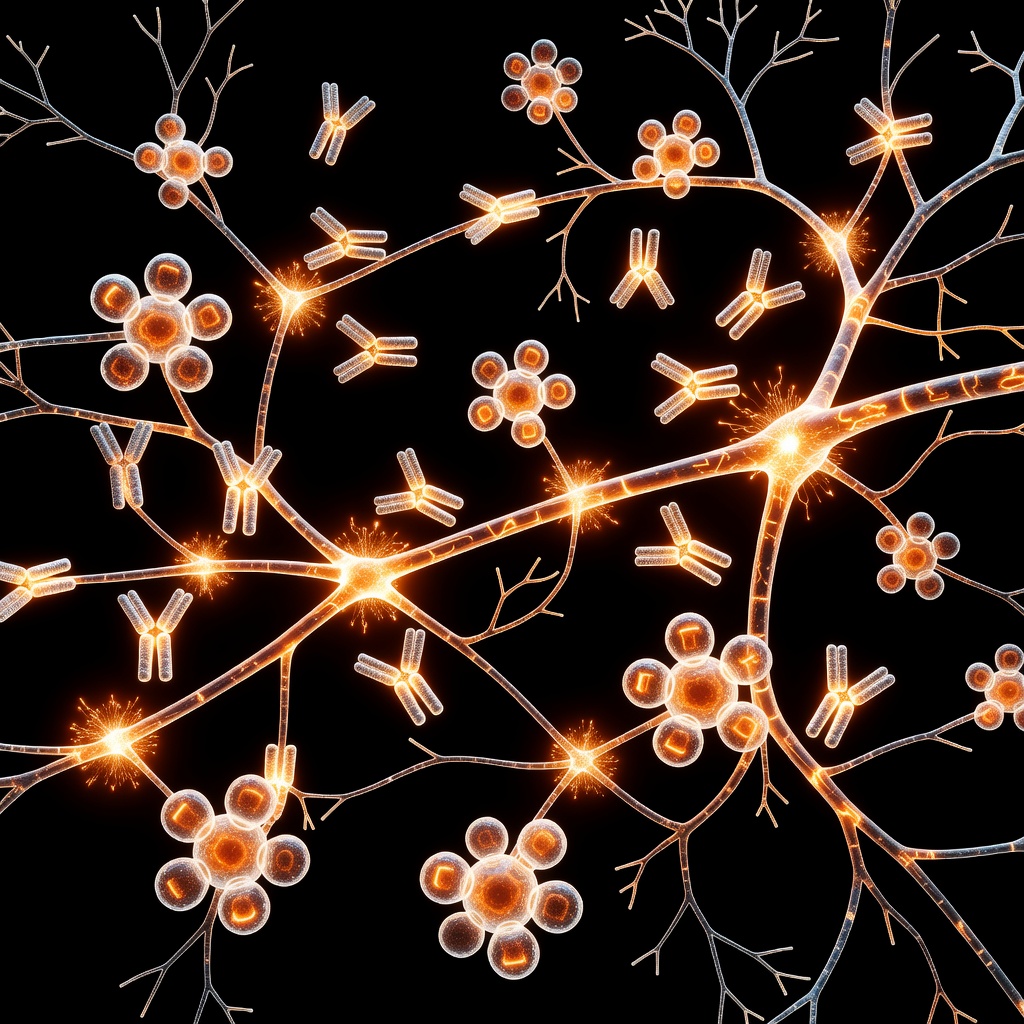
In the pursuit of life extension and the optimisation of human health, we often focus on the visible enemies: pathogens, toxins, and physical trauma. However, at the molecular level, a far more insidious process is occurring—a form of biological sabotage that literally "browns" us from the inside out. This process is driven by Advanced Glycation End-products (AGEs), a group of complex molecules formed when proteins or fats combine with sugar in the bloodstream.
Often described as "metabolic soot," AGEs are the primary drivers of tissue stiffening, chronic inflammation, and the accelerated degeneration of our biological systems. To understand AGEs is to understand the chemical foundation of ageing itself. This article explores the mechanics of glycation, its devastating impact on the human frame, and how we can mitigate this biochemical decay in the modern world.
The Biological Mechanisms: How Sugars "Cook" Your Tissues
To comprehend AGEs, one must first understand the Maillard reaction. In culinary science, this is the chemical reaction between amino acids and reducing sugars that gives browned food its distinctive flavour—think of the crust on a loaf of bread or the searing of a steak. While delicious on a plate, the Maillard reaction is catastrophic when it occurs within the delicate architecture of the human body.
The Glycation Cascade
Glycation is a non-enzymatic reaction, meaning it happens spontaneously without the guidance of our body’s regulatory enzymes. It occurs in three distinct phases:
- Schiff Bases: When glucose levels are elevated, sugar molecules attach themselves to proteins (such as collagen or elastin). This initial bond is unstable and reversible.
- Amadori Products: If high sugar levels persist, these Schiff bases undergo a rearrangement into more stable molecules known as Amadori products. A common clinical example of this is HbA1c, which measures glycated haemoglobin in the blood.
- Irreversible Cross-linking: Over time, these products undergo further oxidation and dehydration, culminating in the formation of Advanced Glycation End-products. Unlike the earlier stages, AGEs are permanent. They create "cross-links" between proteins, effectively tangling the molecular machinery of the body.
"AGEs are not merely markers of ageing; they are the active agents of structural decay, turning supple, functional proteins into brittle, dysfunctional debris."
The RAGE Receptor and Oxidative Stress
The danger of AGEs is twofold. Firstly, they physically damage the structure of tissues. Secondly, they act as ligands for a specific cellular receptor appropriately named RAGE (Receptor for Advanced Glycation End-products). When an AGE molecule binds to RAGE, it triggers a pro-inflammatory cascade, producing a massive influx of Reactive Oxygen Species (ROS). This creates a vicious cycle where glycation causes inflammation, and inflammation further accelerates the formation of more AGEs.
The UK Context: A Crisis of Modern Metabolism
In the United Kingdom, the prevalence of AGE-related pathologies is reaching a critical threshold. With the rise of the modern British diet—characterised by highly processed carbohydrates and "on-the-go" convenience foods—the average citizen is effectively pre-marinating their tissues in a sugar-rich environment.
Recent data from the NHS and British health authorities indicate that metabolic dysfunction (pre-diabetes and Type 2 diabetes) is occurring at younger ages than ever before. This is significant because diabetics accumulate AGEs at a rate three to four times faster than healthy individuals. However, even those with "normal" blood sugar levels are not immune. The modern UK lifestyle—marked by sedentary habits and a reliance on high-heat, ultra-processed foods—provides the perfect "thermal" and "chemical" environment for glycation to thrive.
Furthermore, the UK’s aging population faces a burgeoning crisis of osteoarthritis and cardiovascular stiffening, both of which are now being linked by researchers to the cumulative burden of AGEs within the extracellular matrix of joints and arterial walls.
Tissue Degeneration: The Visible and Invisible Decay
The impact of AGEs is systemic, yet it manifests most aggressively in tissues with a long "turnover" rate—proteins that stay in the body for years, such as collagen.
1. Dermal Collapse (Skin Ageing)
In the world of aesthetic medicine, glycation is the "hidden" cause of wrinkles and sagging. Collagen and elastin provide the skin’s scaffolding. When these proteins become cross-linked by AGEs, they lose their elasticity and ability to recoil. This results in "Sugar Sag," a complexion that is dull, yellowish, and prone to deep-set wrinkling.
2. Cardiovascular Stiffening
The heart and arteries rely on flexibility to manage blood pressure. AGEs accumulate in the vessel walls, making them rigid. This rigidity leads to hypertension and increases the risk of atherosclerotic plaques. When the "pipes" of the body lose their ability to expand and contract, the entire cardiovascular system begins to fail.
3. Cognitive Decline
Emerging research suggests that AGEs play a pivotal role in neurodegenerative diseases like Alzheimer’s. AGEs are found in high concentrations within the amyloid plaques and neurofibrillary tangles that characterise the "Alzheimer's brain." By promoting neuro-inflammation, AGEs accelerate the death of neurons and the loss of cognitive faculty.
4. Renal Failure
The kidneys act as the body’s primary filtration system. Because AGEs are large, sticky molecules, they often become trapped in the delicate capillaries of the kidneys (the glomeruli). This "gumming up" of the works is a leading cause of diabetic nephropathy and age-related kidney decline.
Environmental Factors: The External Sources of AGEs
While the body produces AGEs endogenously (internally), we also ingest them from our environment. This is where modern lifestyle choices become the primary driver of premature ageing.
Dietary AGEs (dAGEs)
The method by which we prepare our food dictates its AGE content. High-heat, dry cooking methods such as grilling, roasting, frying, and barbecuing create a massive concentration of dAGEs. For example:
- A piece of chicken breast poached or steamed contains approximately 1,000 AGE units.
- The same piece of chicken, if grilled or fried, can contain over 9,000 AGE units.
The "char" on your food is, in essence, a concentrated dose of tissue-degenerating compounds.
Tobacco Smoke and Pollution
Smoking is one of the most efficient ways to introduce AGEs into the bloodstream. Tobacco leaves contain reducing sugars that, when burned, undergo glycation and are inhaled directly into the lungs and absorbed into the systemic circulation. This explains why the skin of long-term smokers often appears prematurely aged and "leathery."
Protective Strategies: De-Gunking the Biological Engine
While some level of glycation is an inevitable consequence of living, we have significant agency over the rate of accumulation. Reversing the damage is difficult, but preventing and slowing the process is entirely achievable through strategic intervention.
1. Temperature Control in the Kitchen
To reduce your dietary intake of AGEs, move away from high-heat cooking.
- Use Moist Heat: Steaming, poaching, stewing, and slow-cooking keep temperatures lower and prevent the Maillard reaction.
- Acidic Marination: Marinating meats in lemon juice or vinegar for 30 minutes before cooking can reduce AGE formation by up to 50%, as the acidity inhibits the glycation process.
2. Blood Glucose Optimisation
Since sugar is the "fuel" for glycation, keeping blood glucose levels stable is the most effective internal strategy.
- Prioritise Low-Glycaemic Index (GI) foods.
- Implement "Glucose Goddess" style hacks, such as eating fibre and protein before carbohydrates to dampen the glucose spike.
3. Targetted Nutritional Support
Specific compounds have been shown to inhibit the formation of AGEs or mitigate their inflammatory effects:
- Benfotiamine: A fat-soluble form of Vitamin B1 that helps the body process sugar via a pathway that bypasses glycation.
- Carnosine: An amino acid found in high concentrations in muscle and brain tissue that acts as a "sacrificial" molecule—it allows sugar to bind to it rather than to your vital proteins.
- Alpha-Lipoic Acid: A powerful antioxidant that helps maintain insulin sensitivity and recycles other antioxidants to combat RAGE-induced oxidative stress.
4. Phytonutrients
Polyphenols found in Green Tea (EGCG), Curcumin, and Berries have shown significant anti-glycation properties in clinical studies. These compounds interfere with the chemical bonding of sugars to proteins.
Key Fact: Physical exercise is a potent anti-glycator. Muscle contractions increase the uptake of glucose from the blood, reducing the "available" sugar that would otherwise contribute to glycation.
Key Takeaways for Longevity
The science of Advanced Glycation End-products exposes a profound truth: ageing is not just a chronological process; it is a chemical one. The "rusting" of our joints, the "stiffening" of our hearts, and the "clouding" of our minds are driven by the molecular debris left behind by sugar.
- AGEs are permanent: Once cross-linked, these molecules are difficult for the body to break down.
- Cooking matters: How you cook your food is as important as what you eat. Embrace "low and slow" over "high and dry."
- Metabolic Health is the Foundation: Maintaining low and stable blood glucose is the ultimate defence against tissue degeneration.
- Intervention is possible: Through acidic marination, targetted supplementation like carnosine, and a lifestyle that avoids ultra-processed sugars, we can significantly slow our biological "browning."
In the quest for INNERSTANDING, we must recognise that our modern environment is "pro-glycation." By reclaiming our metabolic health and being mindful of the chemical reactions we trigger with every meal, we can preserve the structural integrity of our bodies and extend our functional lifespan. AGEs may be the silent vandals of the human frame, but they are vandals we can finally learn to outsmart.
This article is provided for informational and educational purposes only. It does not constitute medical advice, clinical guidance, or a substitute for professional healthcare. Information reflects cited research at time of publication. Always consult a qualified healthcare professional before acting on any health information.
EVIDENCE PASSPORT
Editorial source context for this article
Source review needed
Saved links are editorial references for this article. They may support specific claims rather than every sentence. Open and assess each source in context. This passport does not independently verify them.
Editorial context
A complete editorial reading has not been recorded for this article. Source links remain available for you to open and assess directly.
Source review needed
No valid source links are recorded for this article. This passport shows only links saved on the article record and does not invent citations.
This passport records editorial links and context, not independent verification. Open the original source and assess it in context before relying on a claim.
Medical Disclaimer
The information in this article is for educational purposes only and does not constitute medical advice, diagnosis, or treatment. Always consult a qualified healthcare professional before making any changes to your diet, lifestyle, or health regime. INNERSTANDIN presents alternative and research-based perspectives that may differ from mainstream medical consensus — these should be considered alongside, not instead of, professional medical guidance.
Read Full DisclaimerContinue the thread
Keep this question moving.
Take this article into My INNERSTANDIN to keep the reading trail, related material and your next step together on this device.