
Ageing in Isolation: The Neurobiology of Social Disconnection within the UK’s Adult Social Care System
Updated April 2026
Evidence orientation
Editorial context not yet recorded
Follow this category
This stays in this browser. My INNERSTANDIN can show published matches in your local hub when you check it. It does not send email, push, or alert notifications.
Local learning review
A private browser aid for revisiting ideas. It is not an alert or a health recommendation.
Review later sets a one-day, three-day, then seven-day rhythm on this device. Choose it only when you want to revisit this article.
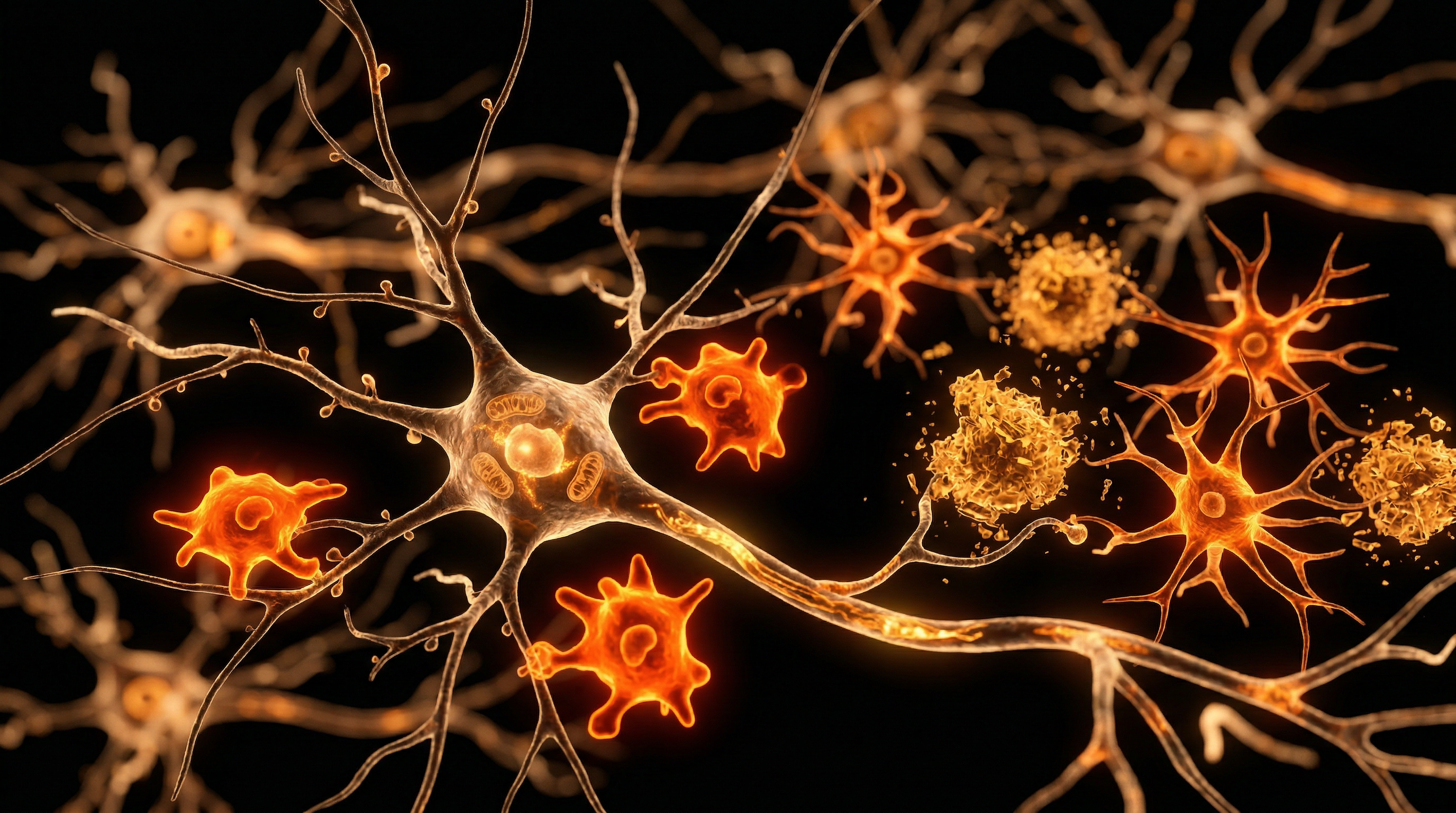
In the modern landscape of British healthcare, we are witnessing a silent epidemic that no vaccine can cure. While clinical focus often rests upon the physical ailments of the elderly—managing diabetes, hypertension, or mobility issues—a far more insidious predator is at work within the corridors of our care homes and the confines of solitary domestic living. This predator is social isolation, and its impact is not merely psychological; it is profoundly neurobiological.
For INNERSTANDING, we must peel back the layers of social policy and "care" metrics to expose the raw biological truth: the human brain is an inherently social organ. When we sever the ties of connection, we initiate a cascade of neurochemical decay that accelerates ageing and compromises the very essence of what it means to be human.
The Biological Imperative: More Than Just a Feeling
To understand the crisis within the UK’s adult social care system, we must first understand Oxytocin. Often colloquially dubbed the ‘cuddle hormone,’ oxytocin is, in reality, a sophisticated neuropeptide that acts as a master regulator of the human stress response. It is produced in the hypothalamus and released during moments of physical touch, eye contact, and meaningful conversation.
In the context of ageing, oxytocin serves as a biological buffer. It modulates the Amygdala—the brain’s fear centre—and dampens the production of Cortisol, the primary stress hormone. When an elderly individual is integrated into a vibrant social fabric, their oxytocin levels remain stable, promoting neuroplasticity and cardiovascular health.
However, when an individual is relegated to a life of isolation—common in many underfunded UK care settings—the oxytocin tap is turned off.
Key Fact: Research indicates that chronic social isolation is as detrimental to physical health as smoking 15 cigarettes a day, increasing the risk of premature death by nearly 30%.
The Neurobiology of Disconnection
What happens to the brain when social signals vanish? The process is a tragic symphony of systemic failure.
1. HPA Axis Dysregulation
Without the soothing influence of social bonding, the Hypothalamic-Pituitary-Adrenal (HPA) axis becomes chronically overactive. This leads to a sustained flood of cortisol. In the short term, cortisol helps us deal with threats; in the long term, it is neurotoxic. For the elderly, chronic hypercortisolemia leads to the atrophy of the Hippocampus, the region responsible for memory and spatial navigation. This is why isolation is not just a byproduct of dementia—it is often a driver of its progression.
2. The Rise of ‘Inflammaging’
Social disconnection triggers a pro-inflammatory response at a cellular level. This phenomenon, known as ‘Inflammaging,’ involves the release of cytokines that attack healthy tissue. In the absence of the anti-inflammatory effects of oxytocin, the blood-brain barrier becomes more permeable, allowing systemic inflammation to affect the central nervous system, further accelerating cognitive decline.
3. Neural Pruning and Synaptic Loss
The brain operates on a "use it or lose it" principle. Social interaction is one of the most complex cognitive tasks a human can perform. It requires decoding non-verbal cues, anticipating emotional responses, and maintaining linguistic fluidity. When these "social muscles" are not exercised, the brain begins to prune synaptic connections in the Prefrontal Cortex, the area governed by executive function and personality.
The UK Context: A Systemic Failure of Connection
The UK’s adult social care system is currently facing a "perfect storm." With an ageing population and a chronic funding gap, the model of care has shifted from relationship-centred to task-centred.
The 15-Minute Care Visit
In many parts of the UK, domiciliary care is reduced to 15 or 30-minute windows. In these time-pressured slots, carers must prioritise "to-do" lists: administering medication, heating a meal, or assisting with toileting. There is no time for the "unproductive" act of sitting and talking. From a neurobiological perspective, this is a catastrophe. Oxytocin release requires a sense of safety and unhurried presence. A rushed, transactional interaction does not trigger the social brain; it may actually increase the patient’s anxiety.
The "Hospitalisation" of Care Homes
Many UK care homes are designed as clinical environments rather than communal ones. While this ensures hygiene and safety, it often ignores the environmental psychology of connection. Long, sterile corridors and the segregation of residents into private rooms can mirror the conditions of solitary confinement.
The Staffing Crisis and Attachment Theory
The UK social care sector suffers from high staff turnover. For an elderly person, especially one with cognitive impairment, forming a secure attachment is vital for emotional regulation. When the "face of care" changes every week, the resident cannot form the stable social bonds required to stimulate oxytocin production. They remain in a state of permanent "social vigilance," which is exhausting for the ageing brain.
Environmental Factors: The Architecture of Loneliness
The physical environment plays a crucial role in either facilitating or inhibiting social biology. In the UK, several factors contribute to "enforced isolation":
- The Digital Divide: As services move online, many elderly citizens are "digitally disenfranchised." The lack of face-to-face interaction is not being replaced by digital connection, leading to a total void of stimuli.
- Urban Design: Many UK suburbs are designed for cars, not pedestrians. For an elderly person with limited mobility, the simple "incidental" socialising—the chat at the post office or the greengrocer—is disappearing as high streets decline.
- Sensory Deprivation: Ageing often involves the loss of hearing and vision. Without aggressive intervention (e.g., high-quality hearing aids), the brain is further isolated from the social world, leading to rapid cortical thinning.
Key Fact: Studies have shown that hearing loss is the single largest modifiable risk factor for dementia, primarily because of the profound social isolation it causes.
Protective Strategies: Re-wiring the Social Fabric
To combat the neurobiology of isolation, we must move beyond "befriending schemes" and look at structural, biologically-informed interventions.
1. Intergenerational Living Models
Drawing inspiration from models in the Netherlands and Scandinavia, the UK must explore intergenerational housing. When young students or families live alongside the elderly, the social stimuli are diverse and frequent. This prevents the "echo chamber of age" and provides the novel social interactions that stimulate Brain-Derived Neurotrophic Factor (BDNF).
2. Prioritising "Touch" and Sensory Therapy
In a risk-averse care system, physical touch is often limited to clinical procedures. However, C-tactile afferents (specialised nerve fibres in the skin) are wired directly to the brain’s social reward centres. Programmes that involve hand massages, pet therapy, or even "weighted blankets" can help mimic some of the biological effects of human touch, lowering cortisol levels.
3. Relationship-Based Care Metrics
The Care Quality Commission (CQC) and local authorities must change how they measure "quality." Instead of just measuring clinical safety and nutrition, they should measure social connectivity.
- Does the resident have a "meaningful" 20-minute conversation daily?
- Is there a consistent carer assigned to them?
- Are communal spaces designed for genuine interaction or just "sitting in a circle"?
4. Social Prescribing
The NHS has begun to embrace Social Prescribing, where GPs prescribe community activities rather than just pills. This must be scaled. Connecting an isolated adult to a "Men’s Shed" or a community choir is not a "soft" intervention—it is a neurobiological necessity that can reduce the need for anti-psychotics and antidepressants.
Key Takeaways: The Path to INNERSTANDING
- Isolation is Biological Trauma: Social disconnection is not a "sad reality" of ageing; it is a physiological state that triggers neuroinflammation, hippocampal atrophy, and HPA axis dysfunction.
- Oxytocin is the Antidote: Meaningful social connection releases neuropeptides that protect the brain from the ravages of stress and ageing.
- The UK System is Maladaptive: The current focus on brief, task-based care visits fails to meet the biological requirements of the human brain.
- Sensory Input Matters: Addressing hearing loss and encouraging physical touch are critical components of neurological health in the elderly.
- A Shift in Perspective: We must view social health as being as vital as physical health. A brain in isolation is a brain in decay.
In conclusion, the way we treat our elderly is a reflection of our understanding of human biology. By ignoring the neurobiological necessity of connection, the UK's social care system is inadvertently accelerating the very conditions—dementia, frailty, and depression—it seeks to manage. INNERSTANDING requires us to acknowledge that we are biological beings who require one another to survive. To age in isolation is not just a social tragedy; it is a biological assault. It is time we designed a society that honours the social brain, ensuring that the final chapters of life are defined by connection, not chemistry-starved solitude.
This article is provided for informational and educational purposes only. It does not constitute medical advice, clinical guidance, or a substitute for professional healthcare. Information reflects cited research at time of publication. Always consult a qualified healthcare professional before acting on any health information.
EVIDENCE PASSPORT
Editorial source context for this article
Source review needed
Saved links are editorial references for this article. They may support specific claims rather than every sentence. Open and assess each source in context. This passport does not independently verify them.
Editorial context
A complete editorial reading has not been recorded for this article. Source links remain available for you to open and assess directly.
Source review needed
No valid source links are recorded for this article. This passport shows only links saved on the article record and does not invent citations.
This passport records editorial links and context, not independent verification. Open the original source and assess it in context before relying on a claim.
Medical Disclaimer
The information in this article is for educational purposes only and does not constitute medical advice, diagnosis, or treatment. Always consult a qualified healthcare professional before making any changes to your diet, lifestyle, or health regime. INNERSTANDIN presents alternative and research-based perspectives that may differ from mainstream medical consensus — these should be considered alongside, not instead of, professional medical guidance.
Read Full DisclaimerContinue the thread
Keep this question moving.
Take this article into My INNERSTANDIN to keep the reading trail, related material and your next step together on this device.