

OXYTOCIN & SOCIAL BIOLOGY
Connection Is Not Optional. It Is Biological Medicine.
Oxytocin — the neuropeptide synthesised in the hypothalamus and released by the posterior pituitary — is far more than a bonding hormone. It is a master regulator of the social nervous system, modulating fear responses in the amygdala, attenuating cortisol, activating the vagus nerve, reducing systemic inflammation via NF-κB suppression, accelerating wound healing, and calibrating the threshold for social trust and attachment across the lifespan. Chronic loneliness — now classified by the UK Government as a public health crisis affecting over 3.7 million adults — is associated with elevated inflammatory markers, shortened telomeres, immune dysfunction, and a mortality risk equivalent to smoking 15 cigarettes per day. The biological mechanisms of loneliness involve chronically elevated cortisol, impaired natural killer cell activity, upregulated pro-inflammatory gene expression, and autonomic nervous system dysregulation. Social connection — physical touch, eye contact, co-regulation with trusted others, and community belonging — is not a luxury but a biological necessity that modern isolated living is systematically depriving the UK population of.
Keep this domain close
Follow Oxytocin & Social Biology to see new published articles in My INNERSTANDIN.
LATEST RESEARCH
In-depth analysis of biological systems and environmental factors.


THE ARSENAL
Based on Oxytocin & Social Biology content — products curated by our research team for educational relevance and biological support.
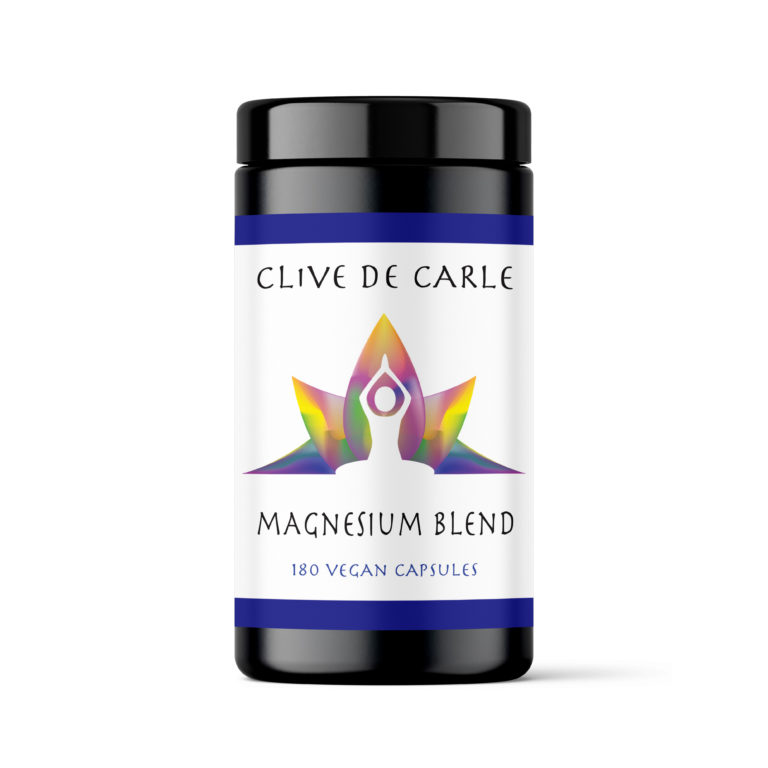
Magnesium Blend – The Most Important Mineral

Methylene Blue – Advanced Cellular Chemistry

Canadian Pine Needle and Spruce Tip Tincture – Wild Harvested
INNERSTANDING may earn a commission on purchases made through these links. All products are selected based on rigorous educational relevance to our biological research.