
The Biological Case for Community: Why Social Isolation is a Physiological Emergency
Updated April 2026
Evidence orientation
Editorial context not yet recorded
Follow this category
This stays in this browser. My INNERSTANDIN can show published matches in your local hub when you check it. It does not send email, push, or alert notifications.
Local learning review
A private browser aid for revisiting ideas. It is not an alert or a health recommendation.
Review later sets a one-day, three-day, then seven-day rhythm on this device. Choose it only when you want to revisit this article.
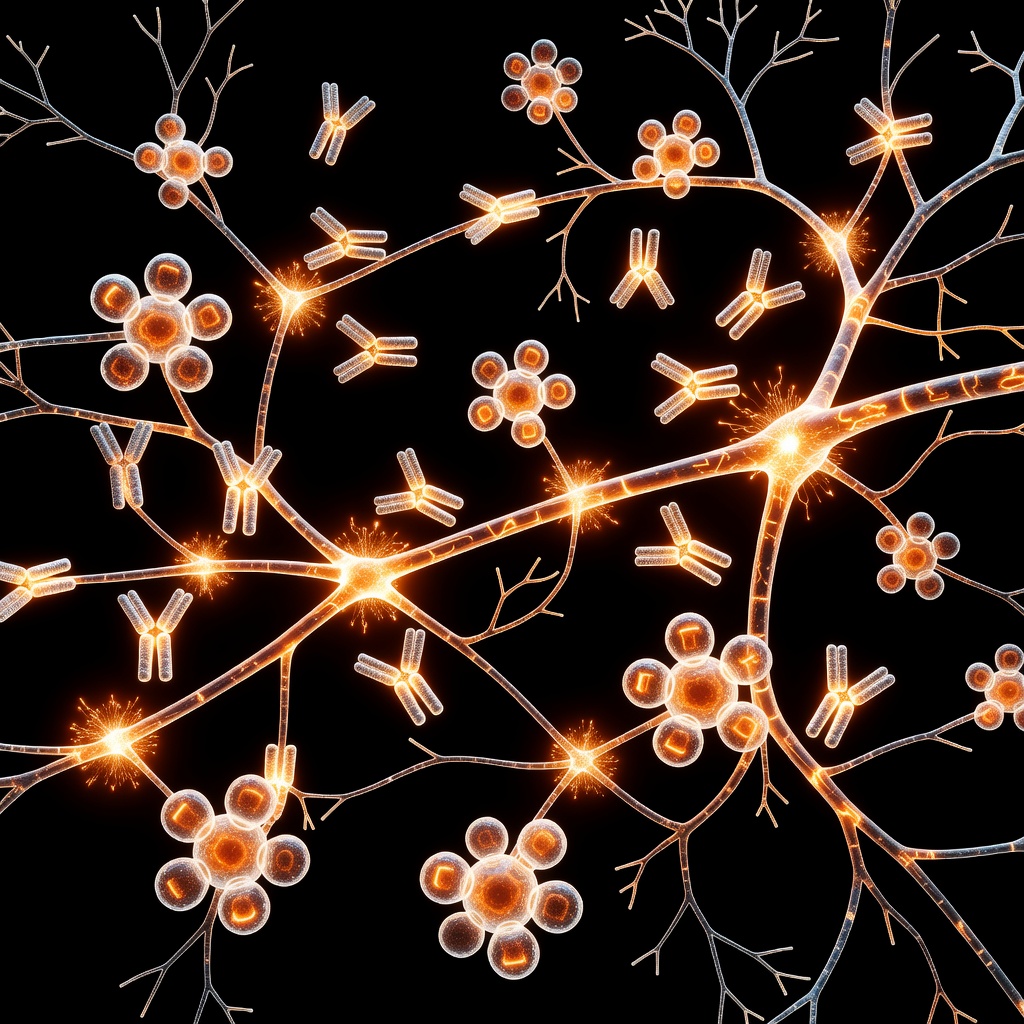
In the modern era, we are more "connected" than at any point in human history. We possess the ability to transmit our thoughts across the globe in milliseconds, yet we are currently weathering a silent, invisible pandemic that no vaccine can cure. This is the crisis of social isolation.
At INNERSTANDING, we believe in looking beneath the surface of symptomatic health. To understand why modern society is plagued by chronic inflammation, cardiovascular decay, and mental fragmentation, we must acknowledge a fundamental, inconvenient truth: Human beings are not biologically designed for autonomy.
Social isolation is not merely a psychological state or a lifestyle choice; it is a physiological emergency. When we are severed from the tribe, our biology begins to unravel.
The Evolutionary Mandate: Connection as Survival
To understand the biology of isolation, we must first understand our history. For 99% of human evolution, being alone was a death sentence. To be cast out of the tribe meant certain exposure to predators, starvation, or rival groups.
Consequently, our nervous systems evolved a sophisticated early-warning system. When we are socially isolated, our brain perceives this as a physical threat equivalent to a predator lurking outside a cave. The body does not distinguish between "no one invited me to dinner" and "I am alone in the wilderness without protection." Both states trigger the same primitive survival mechanisms.
Key Fact: Research indicates that chronic social isolation is as damaging to health as smoking 15 cigarettes a day, and more harmful than physical inactivity or clinical obesity.
The Biology of the "Social Organ": Mechanisms of Decay
The transition from social connection to isolation triggers a cascade of neurobiological events that alter our very chemistry.
1. The Oxytocin Deficit
Often reduced to the "cuddle hormone," oxytocin is actually one of the most powerful multi-functional peptides in the human body. It is produced in the hypothalamus and released during social bonding, physical touch, and meaningful eye contact.
- Cardiovascular Protection: Oxytocin acts as a natural cardioprotective agent. It triggers the release of nitric oxide, which dilates blood vessels and reduces blood pressure. It also possesses anti-inflammatory and antioxidant properties within the heart tissue itself.
- The Buffer: Oxytocin suppresses the activity of the amygdala (the brain’s fear centre). Without regular "doses" of social oxytocin, the amygdala becomes hyper-sensitised, leading to chronic anxiety and a skewed perception of social threats.
2. The HPA Axis and Chronic Cortisol
When we lack a social safety net, the Hypothalamic-Pituitary-Adrenal (HPA) axis remains in a state of low-grade, constant activation. The body floods the system with cortisol, the primary stress hormone.
In short bursts, cortisol is life-saving. In the long term, it is caustic. Chronic cortisol elevation:
- Suppresses the immune system.
- Leads to insulin resistance.
- Degrades the hippocampus (the area of the brain responsible for memory and emotional regulation).
3. CTRA: The Genetic Shift
Perhaps the most "truth-exposing" discovery in social biology is the Conserved Transcriptional Response to Adversity (CTRA). Research by Dr Steve Cole has shown that social isolation actually changes the expression of our genes.
In lonely or isolated individuals, the body upregulates genes involved in pro-inflammatory signalling and downregulates genes involved in anti-viral responses. Effectively, an isolated body prepares for a "bacterial attack" (wound healing) rather than a "viral attack" (which requires social proximity to catch). This shift leaves the isolated individual chronically inflamed and uniquely vulnerable to diseases ranging from cancer to Alzheimer’s.
The UK Context: A Nation in Solitary Confinement
In the United Kingdom, we are facing a structural crisis of disconnection. The British "stiff upper lip" and a cultural shift toward "rugged individualism" have created a fertile ground for physiological decay.
- The Ageing Population: According to Age UK, over a million older people in the UK go for over a month without speaking to a friend, neighbour, or family member.
- Urban Alienation: Despite the density of cities like London, Manchester, and Birmingham, urban dwellers report higher levels of "functional loneliness"—being surrounded by people but lacking meaningful biological connection.
- The GP Burden: Estimates suggest that up to 20% of GP consultations in the UK are for issues that are primarily social rather than medical. People are visiting doctors because their bodies are screaming for the biological regulation that only community provides.
Callout: In the UK, the "loneliness epidemic" is estimated to cost the economy £32 billion per year in healthcare costs and lost productivity. This is not a social issue; it is a public health catastrophe.
Environmental Factors: The Architecture of Isolation
Why is this happening now? The biology of the human hasn't changed in 50,000 years, but our environment has been radically re-engineered in ways that bypass our social needs.
The Digital Illusion
Digital "connection" through social media is a biological mismatch. While we receive dopamine hits from "likes," we do not receive the oxytocin or serotonin release associated with physical presence. The brain recognises the lack of pheromones, the absence of micro-expressions, and the lack of touch. We are "snacking" on digital interaction but "starving" for biological connection.
Hostile Urban Design
Modern British housing developments often prioritise privacy and car-centric layouts over communal spaces. The "village green" or the "public square" has been replaced by gated drives and high fences. When the environment discourages spontaneous "weak tie" interactions (the chat with the postman or the nod to a neighbour), our "social engagement system" (the Vagus nerve) begins to atrophy.
The Commodification of Connection
We have replaced community-led support with paid-for services. Where we once relied on a neighbour for childcare or a friend for emotional support, we now hire nannies and therapists. While professional help is vital, the transactional nature of these interactions lacks the reciprocal biological feedback loop found in genuine tribal community.
The Vagus Nerve: The Bridge to Others
The Polyvagal Theory, developed by Dr Stephen Porges, posits that our nervous system has a "Social Engagement System." This is governed by the Vagal Nerve, specifically the myelinated ventral vagal complex.
When we feel safe with others, this nerve slows our heart rate and allows our body to enter a "Rest and Digest" state. It inhibits the "Fight or Flight" response.
- The Mirror Neuron System: When we interact face-to-face, our brains "mirror" the emotions and states of others. This synchronisation is a biological requirement for emotional regulation.
- Physiological Co-regulation: We literally regulate each other's heart rates and nervous systems through proximity. A mother and child’s heartbeats can synchronise; long-term partners often develop matching circadian rhythms. Isolation removes this external "pacer," leading to dysregulated biological rhythms.
Protective Measures: Rebuilding the Social Scaffold
If social isolation is a physiological emergency, then community is the primary medical intervention. At INNERSTANDING, we advocate for a proactive, biological approach to social health.
1. Prioritise "Social Vitamin D"
Just as we supplement with Vitamin D during British winters, we must supplement our lives with intentional connection.
- The Rule of Three: Aim for three "high-quality" social interactions per week. This means face-to-face, eye contact, and no screens.
- Micro-Connections: Do not underestimate "weak ties." Learning the name of your local barista or talking to someone at the bus stop stimulates the ventral vagal system and signals "safety" to the brain.
2. Radical Proximity
Digital meetings are a tool, not a solution. We must return to physical proximity wherever possible.
- Shared Meals: Breaking bread is one of the most ancient human rituals for oxytocin release.
- Joint Movement: Group exercise, walking clubs, or team sports trigger "collective effervescence," a state of shared physiological arousal that strengthens social bonds and lowers cortisol.
3. The Power of Touch
In a "touch-starved" society, we must find safe, consensual ways to reintroduce tactile stimulation. Whether through hugs with loved ones, massage therapy, or even the grooming of pets, physical touch is the fastest way to shut down the HPA axis and flood the system with oxytocin.
4. Community Service and Purpose
The "Helper’s High" is a documented biological phenomenon. When we contribute to a group or help others, our brain releases a cocktail of oxytocin, dopamine, and serotonin. This reduces the CTRA inflammatory response and provides a sense of "biological utility"—the feeling that our survival is necessary for the tribe.
Key Takeaways: The Path Forward
To ignore our need for community is to ignore our DNA. As we look to the future of health, we must shift our focus from the individual to the collective.
- Isolation is Toxic: It is a cellular stressor that promotes inflammation, degrades the heart, and rewrites our genetic expression toward disease.
- Oxytocin is Essential: This hormone is the body’s primary defence against the corrosive effects of stress. It requires social interaction for its release.
- The Environment is Against Us: Modern life is designed for convenience, not connection. We must consciously resist the architecture of isolation.
- Co-regulation is Health: We are not self-regulating machines; we require the presence of others to maintain physiological homeostasis.
Final Thought: We must stop treating loneliness as a "sad feeling" and start treating it as the systemic physiological threat it truly is. Your health is not just found in your diet or your gym routine—it is found in the eyes of the people around you, the strength of your local community, and the depth of your social bonds.
"For true health, we must move from "I" to "We." It is time to come back to the tribe."
Authoritative. Truth-Exposing. Innerstanding.
This article is provided for informational and educational purposes only. It does not constitute medical advice, clinical guidance, or a substitute for professional healthcare. Information reflects cited research at time of publication. Always consult a qualified healthcare professional before acting on any health information.
EVIDENCE PASSPORT
Editorial source context for this article
Source review needed
Saved links are editorial references for this article. They may support specific claims rather than every sentence. Open and assess each source in context. This passport does not independently verify them.
Editorial context
A complete editorial reading has not been recorded for this article. Source links remain available for you to open and assess directly.
Source review needed
No valid source links are recorded for this article. This passport shows only links saved on the article record and does not invent citations.
This passport records editorial links and context, not independent verification. Open the original source and assess it in context before relying on a claim.
Medical Disclaimer
The information in this article is for educational purposes only and does not constitute medical advice, diagnosis, or treatment. Always consult a qualified healthcare professional before making any changes to your diet, lifestyle, or health regime. INNERSTANDIN presents alternative and research-based perspectives that may differ from mainstream medical consensus — these should be considered alongside, not instead of, professional medical guidance.
Read Full DisclaimerContinue the thread
Keep this question moving.
Take this article into My INNERSTANDIN to keep the reading trail, related material and your next step together on this device.