
The London Loneliness Paradox: Why High-Density Living Starves Our Oxytocin Receptors
Updated April 2026
Evidence orientation
Editorial context not yet recorded
Follow this category
This stays in this browser. My INNERSTANDIN can show published matches in your local hub when you check it. It does not send email, push, or alert notifications.
Local learning review
A private browser aid for revisiting ideas. It is not an alert or a health recommendation.
Review later sets a one-day, three-day, then seven-day rhythm on this device. Choose it only when you want to revisit this article.
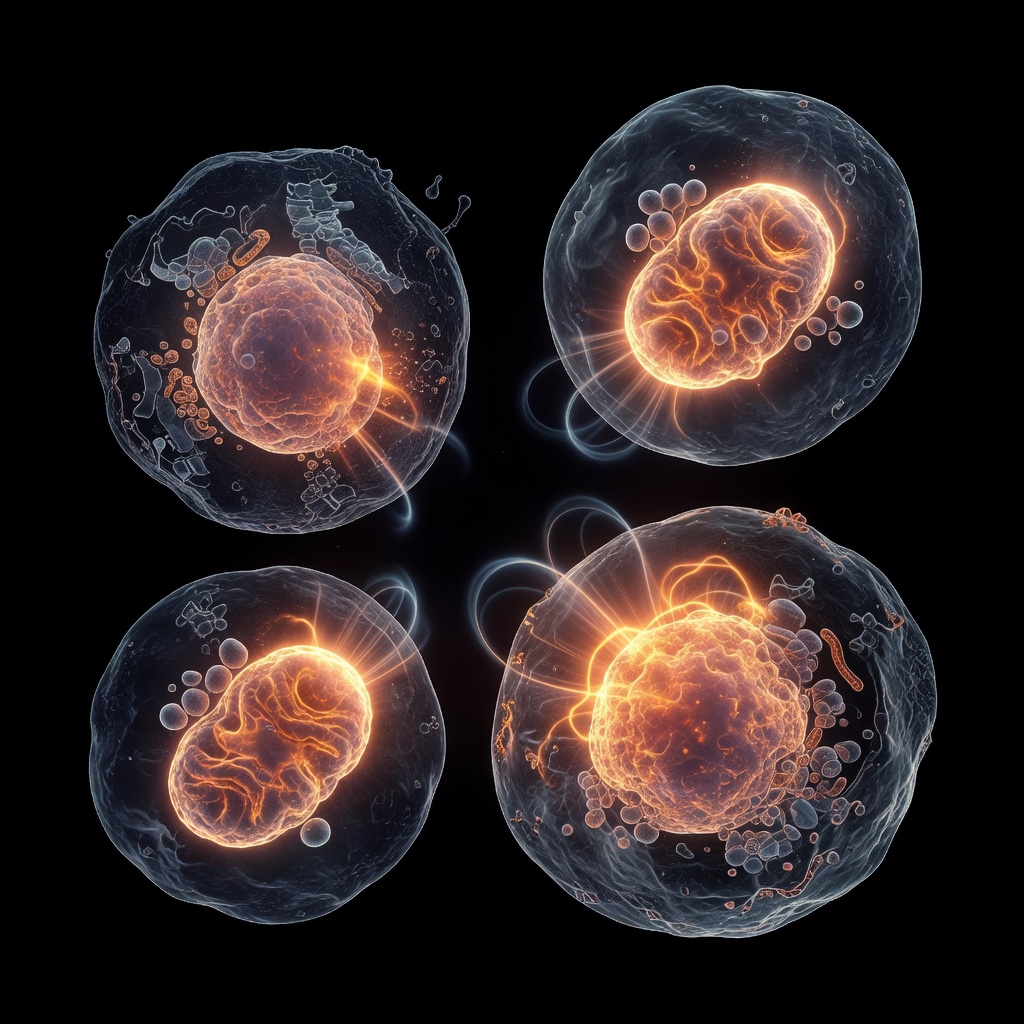
In the heart of the world’s most interconnected megalopolis, a silent famine is occurring. It is not a shortage of calories, nor a lack of digital connectivity. It is a biological starvation of the soul. London, a city of 9.7 million souls squeezed into roughly 1,572 square kilometres, presents a profound biological contradiction: the London Loneliness Paradox.
As we pack more tightly into high-rise "luxury" apartments and navigate the subterranean arteries of the Tube, our biological systems for social bonding are shutting down. We are physically closer than ever, yet neurochemically more isolated. To understand this, we must look beneath the surface of urban sociology and into the delicate mechanics of oxytocin, the neuropeptide that serves as the "glue" of human society.
The Biological Heist: Why Proximity Does Not Equal Connection
In evolutionary terms, humans are wired for "Dunbar’s Number"—the idea that we can only maintain stable social relationships with approximately 150 people. The modern Londoner, however, encounters thousands of strangers daily. This creates a state of hyper-stimulation, leading to a defensive biological retreat.
The Oxytocin Mechanism
Oxytocin is often colloquially termed the "cuddle hormone," but this belies its true power. It is a potent modulator of the mammalian brain, produced in the hypothalamus and released by the posterior pituitary gland. Its primary role in the urban context is to down-regulate the amygdala—the brain's fear centre—and inhibit the release of cortisol, the stress hormone.
When we engage in meaningful eye contact, shared laughter, or physical touch, oxytocin is released. It signals to our nervous system: "You are safe. You are amongst kin. You can lower your guard."
The "London Stare" and Neurochemical Blockade
In London, the "unspoken rule" of the Underground—avoiding eye contact at all costs—is more than just a cultural quirk; it is a defensive adaptation. When we are surrounded by too many people we do not know, our brains perceive them not as potential allies, but as threats.
Instead of oxytocin-inducing interactions, the high-density environment triggers the HPA (Hypothalamic-Pituitary-Adrenal) axis. We enter a chronic state of low-grade "fight or flight." In this state, oxytocin receptors are effectively "starved" because the brain prioritises vigilance over vulnerability. We are physically touching shoulders with strangers on the Northern Line, but neurochemically, we are in a desert.
Key Fact: Research suggests that chronic social isolation and the lack of oxytocin-mediated social support can be as damaging to health as smoking 15 cigarettes a day, increasing the risk of premature death by 26%.
The UK Context: A Culture of "Polite Alienation"
Londoners are masters of the "apologetic distance." In a city where housing costs are astronomical and the "hustle culture" is the default setting, the biological cost of living is often ignored.
The Transience Factor
London is a transient city. Tens of thousands move in and out every year. This lack of community stability prevents the formation of "deep-tissue" social bonds. Oxytocin release thrives on familiarity and trust built over time. When your neighbours change every six months and your local pub is replaced by a soulless coffee chain, the biological "safety net" of the neighbourhood dissolves.
The Class and Economic Divide
The London Loneliness Paradox is also an economic one. High-density "social housing" blocks and high-end "luxury towers" often suffer from the same flaw: architectural alienation. Gated communities and secure-access lobbies are designed to keep people out, but they inadvertently trap people in, cutting off the spontaneous, low-stakes social interactions (the "weak ties") that stimulate oxytocin.
Environmental Factors: The Architecture of Isolation
Our environment dictates our neurobiology. London’s urban sprawl has increasingly shifted toward "non-places"—areas designed for transit or commerce rather than human connection.
1. Acoustic Stress and Oxytocin Inhibition
London is loud. From the constant hum of the South Circular to the screeching brakes of the Jubilee Line, noise pollution is a constant. High decibel levels keep the sympathetic nervous system on high alert. It is nearly impossible to enter the "Parasympathetic State" (Rest and Digest) required for oxytocin production when the body is constantly reacting to auditory "threats."
2. The "Glass Box" Syndrome
Modern London architecture favours glass and steel. While aesthetically "clean," these materials reflect light and sound in ways that are harsh to the human nervous system. Biophilic design—incorporating nature—is proven to lower cortisol and encourage social openness. The lack of accessible, safe green spaces in high-density boroughs like Tower Hamlets or Newham creates a "concrete cage" effect that suppresses social hormones.
3. The Digital Substitution
In London, the smartphone is the ultimate shield. By retreating into a 6-inch screen, we avoid the discomfort of urban density. However, digital connection is an oxytocin placebo. While a "like" on Instagram might provide a quick hit of dopamine, it does not trigger the sustained oxytocin release that comes from physical presence and nuanced facial expressions. We are "connected" to the world, but biologically famished for a hug.
The Truth Exposed: The Health Consequences of Oxytocin Famine
When we starve our oxytocin receptors, the body doesn't just feel "lonely"; it begins to break down. This is the hidden health crisis of the London lifestyle.
- Systemic Inflammation: Low oxytocin levels are linked to higher levels of pro-inflammatory cytokines. This contributes to the "London Inflammaging" seen in high-stress professionals.
- Cardiovascular Strain: Oxytocin is a natural vasodilator; it helps keep blood pressure low. Without it, the "London stress" translates directly into arterial stiffness and heart disease.
- Mental Health Erosion: The "Big Smoke" has some of the highest rates of depression and anxiety in the UK. This is not just because of the weather; it is a direct result of the neurochemical imbalance caused by social fragmentation.
Callout: Modern urban planning often treats humans like units to be stored. We must begin to see ourselves as biological organisms that require specific neurochemical "nutrients"—primary among them being social safety.
Protective Measures: Bio-Hacking the London Jungle
We cannot all move to the Cotswolds. For those of us remaining in the capital, we must learn to manually stimulate our oxytocin receptors to survive the paradox.
1. Leverage the "Weak Ties"
You don't need a best friend on every street corner to get an oxytocin boost. Small, meaningful interactions with "weak ties"—the barista, the postman, or the regular at the bus stop—can trigger micro-releases of oxytocin.
- The Challenge: Break the London code. Make eye contact and say "Good morning" or "Thank you" with genuine intent. It’s a biological hack for both parties.
2. The Power of "Green Pulsing"
London’s parks (Hyde, Richmond, Victoria) are the city's "oxytocin lungs." Exposure to nature lowers the amygdala's threat response, making you more receptive to social connection. Make it a non-negotiable part of your week to spend time in "unstructured" nature, away from the concrete.
3. Physical Community (Beyond the Digital)
Join groups that require physical synchrony. Activities like group singing (choirs), team sports, or even synchronized breathing in a yoga class have been shown to "bio-sync" participants, causing a collective surge in oxytocin.
4. Intentional Touch and "Petting"
If you live alone in a high-density flat, the lack of physical touch (skin-to-skin) is a major oxytocin drain.
- The Workaround: Owning a pet (or dog-walking for a neighbour) provides the tactile stimulation the brain craves. Furthermore, professional massage or bodywork isn't a luxury; in a city like London, it’s a biological necessity to reset the nervous system.
Key Takeaways: Reclaiming Your Biology
- Density is not Community: Living on top of 500 people in a Vauxhall high-rise does not fulfil your social needs. You must seek quality over proximity.
- Oxytocin is a Shield: High oxytocin levels protect you from the physical damages of urban stress. It is your most potent internal medicine.
- The "London Stare" is Toxic: While it feels like a safety mechanism, chronic social avoidance starves your brain of the signals it needs to feel "safe."
- Architectural Awareness: Be conscious of how your environment affects your mood. If your flat feels like a cell, get to a park or a "third space" (like a library or community centre) that facilitates human presence.
Conclusion: The Path Forward
The London Loneliness Paradox is a symptom of a society that has prioritised economic efficiency over biological reality. We have built a city that is a marvel of engineering but a desert for the mammalian brain.
To thrive in London—to truly live rather than just survive—we must become neurochemically literate. We must recognize that our need for connection is as real as our need for oxygen. By intentionally fostering oxytocin through micro-interactions, community building, and environmental awareness, we can begin to bridge the gap between being "surrounded" and being "connected."
The revolution starts with a simple, defiant act: Looking up from your phone and seeing the human being across from you. Your oxytocin receptors—and your health—depend on it.
Author: INNERSTANDING Research Team Category: Oxytocin & Social Biology Focus: Urban Health & Neurobiology
This article is provided for informational and educational purposes only. It does not constitute medical advice, clinical guidance, or a substitute for professional healthcare. Information reflects cited research at time of publication. Always consult a qualified healthcare professional before acting on any health information.
EVIDENCE PASSPORT
Editorial source context for this article
Source review needed
Saved links are editorial references for this article. They may support specific claims rather than every sentence. Open and assess each source in context. This passport does not independently verify them.
Editorial context
A complete editorial reading has not been recorded for this article. Source links remain available for you to open and assess directly.
Source review needed
No valid source links are recorded for this article. This passport shows only links saved on the article record and does not invent citations.
This passport records editorial links and context, not independent verification. Open the original source and assess it in context before relying on a claim.
Medical Disclaimer
The information in this article is for educational purposes only and does not constitute medical advice, diagnosis, or treatment. Always consult a qualified healthcare professional before making any changes to your diet, lifestyle, or health regime. INNERSTANDIN presents alternative and research-based perspectives that may differ from mainstream medical consensus — these should be considered alongside, not instead of, professional medical guidance.
Read Full DisclaimerContinue the thread
Keep this question moving.
Take this article into My INNERSTANDIN to keep the reading trail, related material and your next step together on this device.