
The Circadian-Social Nexus: Investigating Light Pollution’s Disruption of Oxytocin Synthesis in Urban Britain
Updated April 2026
Evidence orientation
Editorial context not yet recorded
Follow this category
This stays in this browser. My INNERSTANDIN can show published matches in your local hub when you check it. It does not send email, push, or alert notifications.
Local learning review
A private browser aid for revisiting ideas. It is not an alert or a health recommendation.
Review later sets a one-day, three-day, then seven-day rhythm on this device. Choose it only when you want to revisit this article.
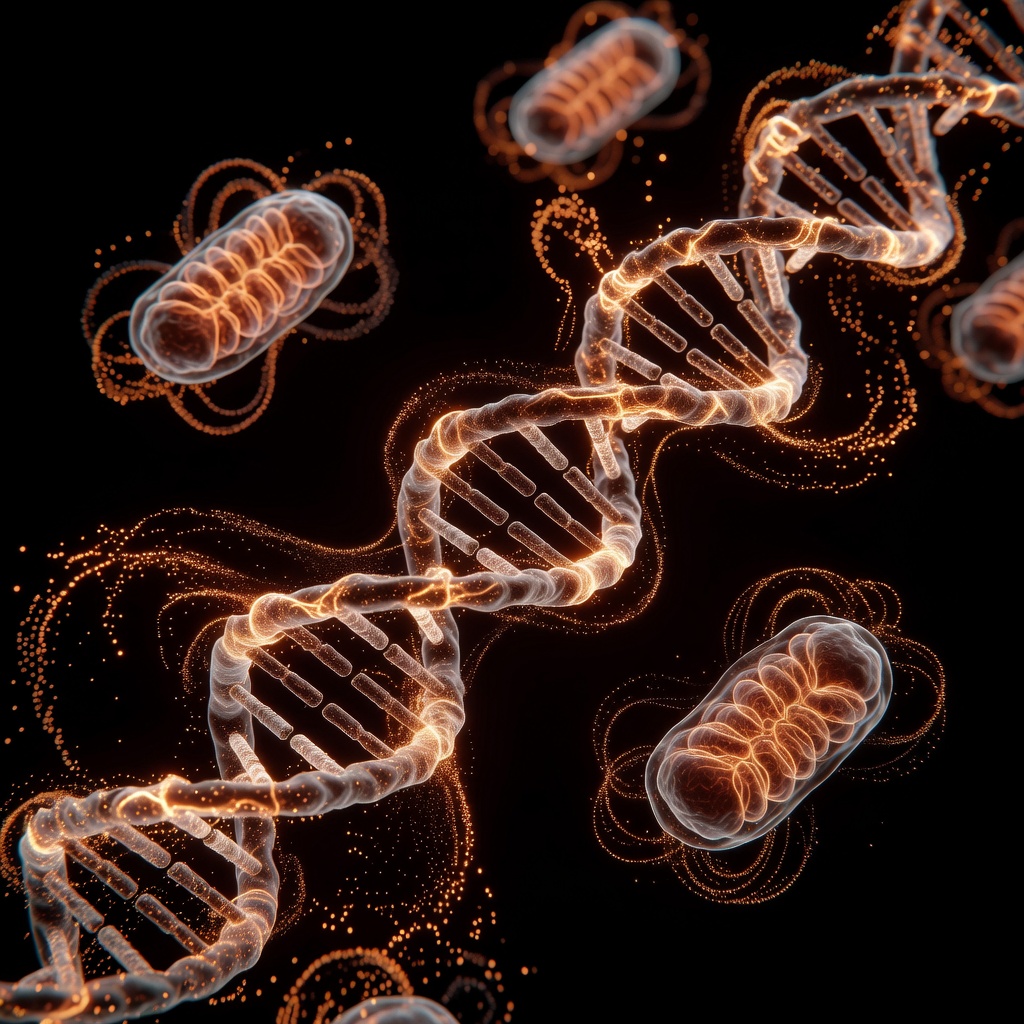
In the modern British landscape, the transition from dusk to dawn has been fundamentally altered. The velvety darkness that once governed the biological rhythms of our ancestors has been replaced by a perpetual, amber-and-blue haze. While the environmental impact of Artificial Light at Night (ALAN) on migratory birds and nocturnal insects is well-documented, a more insidious crisis is unfolding within the human endocrine system.
At INNERSTANDING, we are committed to exposing the biological truths that govern our social existence. New research suggests that the "loneliness epidemic" currently gripping urban Britain—from the high-rises of Canary Wharf to the sprawling estates of Greater Manchester—is not merely a product of digital isolation. It is a physiological consequence of the Circadian-Social Nexus: a delicate feedback loop where light pollution disrupts the synthesis of oxytocin, the master neuropeptide of human connection.
The Biological Mechanisms: How Light Dictates Love
To understand how a streetlamp can erode a sense of community, one must first understand the architecture of the brain. The human body is governed by the Suprachiasmatic Nucleus (SCN), a tiny cluster of cells in the hypothalamus that acts as the body’s master clock. The SCN responds primarily to light signals received through the eyes.
Historically, the absence of blue-spectrum light at night signalled the brain to transition from "active-survival" mode to "rest-and-repair" mode. This transition involves a complex hormonal hand-off. While melatonin is the most famous player in this shift, it does not act alone.
The PVN-Oxytocin Connection
Oxytocin is synthesised in the Paraventricular Nucleus (PVN) of the hypothalamus. Emerging neurobiological evidence indicates that the PVN is deeply integrated with the circadian system. Oxytocin levels are not static; they fluctuate according to a rhythmic cycle, typically peaking during the night and early morning hours.
Key Fact: Oxytocin is not just a "cuddle hormone"; it is a potent antioxidant and anti-inflammatory agent that regulates social cognition, trust, and the attenuation of the amygdala’s fear response.
When we are exposed to high-intensity short-wavelength blue light (prevalent in modern LED streetlights and smartphone screens) after sunset, the SCN sends a distress signal. It inhibits the production of melatonin and, crucially, dampens the nocturnal surge of oxytocin. The result is a state of circadian misalignment, where the body is physically incapable of reaching the neurochemical depths required for deep social bonding and emotional regulation.
The UK Context: A Nation Bathed in "Skyglow"
Britain is one of the most light-polluted nations in Europe. According to CPRE (The Countryside Charity), only 22% of England enjoys "pristine" dark skies. In our major cities, the phenomenon known as Skyglow—the scattering of artificial light in the atmosphere—means that millions of Britons never experience true darkness.
The LED Revolution and Its Discontents
Over the last decade, local councils across the UK have swapped traditional low-pressure sodium lamps (which emitted a narrow, orange spectrum) for "energy-efficient" 4000K White LEDs. While these save on energy costs, they are rich in the specific blue wavelengths that most aggressively suppress oxytocin and melatonin.
- The London Effect: In the capital, light levels are often high enough to trick the human endocrine system into "permanent daytime."
- The Northern Powerhouse: Cities like Leeds and Liverpool have seen a rapid densification of architectural lighting, further eroding the "biological night."
- Urban Cramping: In densely populated British terrace housing, "light trespass" from neighbouring security lights and streetlamps is nearly impossible to avoid without professional intervention.
The consequence is a population living in a state of chronic neuro-chemical vigilance. When oxytocin levels are suppressed by light pollution, the "social brake" on our stress system is removed. We become more irritable, less empathetic, and more prone to viewing our neighbours as threats rather than allies.
Environmental Factors: The "Always-On" Urban Jungle
The disruption of the Circadian-Social Nexus is not caused by a single source, but by an accumulation of environmental stressors unique to 21st-century British life.
1. Architectural and Commercial Lighting
The British High Street is now a gauntlet of digital billboards and illuminated shopfronts. These installations frequently use "cool white" light, which mimics the intensity of the midday sun. For an urban dweller walking home at 9 PM, this exposure causes a sharp drop in serotonin-to-melatonin conversion, subsequently stalling the oxytocin pathways that facilitate evening relaxation with family or partners.
2. The Domestic Blue-Light Siege
Inside the British home, the situation is equally dire. The ubiquity of tablets, laptops, and large-screen televisions ensures that even if the streetlights are blocked, the individual is self-administering a dose of circadian disruption.
3. Social Jetlag
In the UK, the discrepancy between "social time" (dictated by work and school schedules) and "biological time" is widening. Light pollution exacerbates this. When we cannot wind down biologically, we struggle to connect emotionally. This creates a feedback loop: poor sleep leads to low oxytocin, low oxytocin leads to social isolation, and isolation increases the cortisol levels that further disrupt sleep.
The Social Biology of Urban Hostility
If oxytocin is the "glue" that holds a society together, light pollution is the solvent. The truth-exposing reality is that our urban environments are designed in a way that physiologically discourages altruism.
"A society deprived of the biological night is a society deprived of empathy." – Research Perspective, INNERSTANDING
When oxytocin synthesis is impaired by ALAN, several social-biological changes occur:
- Reduced Trust: Individuals with lower oxytocin levels score lower on "trust games" and are less likely to engage in pro-social risk-taking.
- Hyper-Vigilance: The amygdala (the brain’s fear centre) becomes hyper-reactive without the calming influence of nocturnal oxytocin, leading to the "defensive" posture common in London or Birmingham commuters.
- Parental Bonding Interference: Oxytocin is critical for the bonding between parents and infants. Disruptive lighting in nurseries or via parental screen use can subtly alter the developmental "imprinting" of social security.
Protective Strategies: Reclaiming the Night
We cannot wait for government policy to catch up with the neurobiology of light. To protect your Circadian-Social Nexus, proactive measures must be taken within the "micro-environment" of the home and the "macro-environment" of the community.
Domestic Interventions
- Blackout Curtains & Blinds: Invest in high-quality blackout solutions to eliminate "light trespass" from British streetlighting.
- The 9 PM Digital Sunset: Implement a strict rule against blue-light-emitting devices two hours before bed. If devices must be used, use software like f.lux or "Night Shift" set to the warmest possible setting.
- Amber Lighting: Replace "cool white" bulbs in bedrooms and bathrooms with warm amber or red-spectrum bulbs. Red light has the least impact on the SCN and allows oxytocin synthesis to proceed unhindered.
- Magnesium Supplementation: In Britain, many are deficient in magnesium, a mineral essential for the regulation of the circadian clock and the support of oxytocin receptors.
Community & Advocacy
- Shielding Petitions: Contact your local MP or councillor regarding the "shielding" of streetlights. Many UK councils can install baffles on streetlamps that direct light strictly downwards, preventing it from entering bedroom windows.
- Dark Sky Reserves: Support organisations like the International Dark-Sky Association (IDA) and make regular trips to the UK’s Dark Sky Reserves (such as Exmoor or the Brecon Beacons) to "reset" your biological clock.
Key Takeaways: The Path to Reconnection
The investigation into the Circadian-Social Nexus reveals a profound truth: our health and our humanity are inextricably linked to the natural cycles of the planet.
- Oxytocin is Circadian: Its synthesis depends on the presence of darkness and the suppression of blue light.
- Urban Britain is in Crisis: The move to 4000K LEDs and the prevalence of Skyglow is a direct threat to the social fabric of our cities.
- Social Isolation is Physiological: Many symptoms of "urban malaise" are actually symptoms of oxytocin deficiency caused by light pollution.
- Reclamation is Possible: Through lighting hygiene, environmental shielding, and a return to the "biological night," we can restore our capacity for deep, meaningful human connection.
To live in INNERSTANDING is to recognise that we are not separate from our environment. The light that shines through your window at midnight is not just a nuisance; it is a signal that reorders your brain, thins your empathy, and distances you from those you love. By reclaiming the dark, we reclaim our ability to truly see one another.
This article is provided for informational and educational purposes only. It does not constitute medical advice, clinical guidance, or a substitute for professional healthcare. Information reflects cited research at time of publication. Always consult a qualified healthcare professional before acting on any health information.
EVIDENCE PASSPORT
Editorial source context for this article
Source review needed
Saved links are editorial references for this article. They may support specific claims rather than every sentence. Open and assess each source in context. This passport does not independently verify them.
Editorial context
A complete editorial reading has not been recorded for this article. Source links remain available for you to open and assess directly.
Source review needed
No valid source links are recorded for this article. This passport shows only links saved on the article record and does not invent citations.
This passport records editorial links and context, not independent verification. Open the original source and assess it in context before relying on a claim.
Medical Disclaimer
The information in this article is for educational purposes only and does not constitute medical advice, diagnosis, or treatment. Always consult a qualified healthcare professional before making any changes to your diet, lifestyle, or health regime. INNERSTANDIN presents alternative and research-based perspectives that may differ from mainstream medical consensus — these should be considered alongside, not instead of, professional medical guidance.
Read Full DisclaimerContinue the thread
Keep this question moving.
Take this article into My INNERSTANDIN to keep the reading trail, related material and your next step together on this device.