
Epigenetic Architecture of Attachment: The Biological Legacy of UK Early-Years Care on Oxytocin Receptor Gene Expression
Updated April 2026
Evidence orientation
Editorial context not yet recorded
Follow this category
This stays in this browser. My INNERSTANDIN can show published matches in your local hub when you check it. It does not send email, push, or alert notifications.
Local learning review
A private browser aid for revisiting ideas. It is not an alert or a health recommendation.
Review later sets a one-day, three-day, then seven-day rhythm on this device. Choose it only when you want to revisit this article.
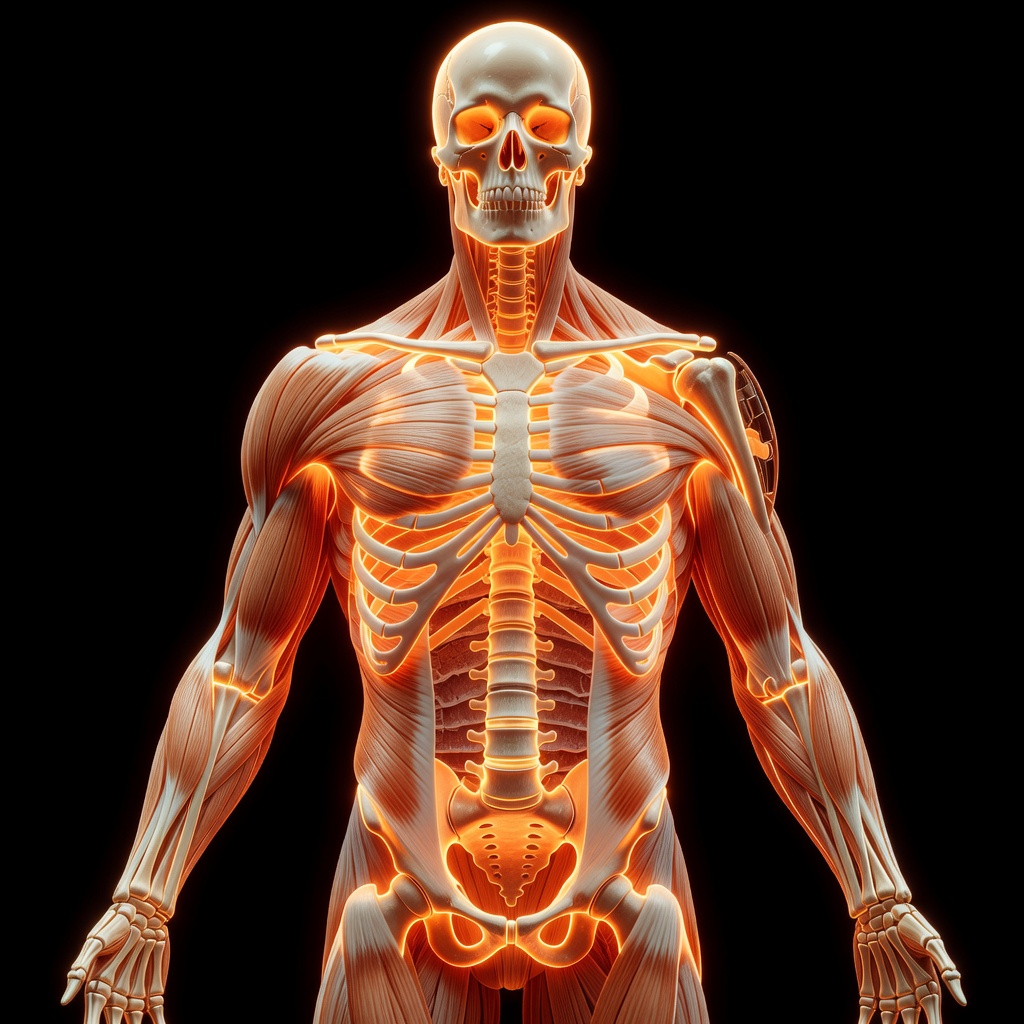
Overview: Beyond the Genetic Blueprint
For decades, the prevailing medical narrative suggested that our biological destiny was written in an immutable genetic code. We believed that the traits inherited from our parents—our temperament, our resilience, and our capacity for connection—were fixed at the moment of conception. However, the emerging field of social biology has shattered this determinism. We now understand that while we inherit a static sequence of DNA, the expression of those genes is a dynamic, living architecture, constantly being renovated by our environment.
At the heart of this architecture lies the Oxytocin Receptor Gene (OXTR). Often referred to as the "hormone of devotion" or the "social bonding molecule," oxytocin is the biochemical glue of human society. Yet, the efficiency with which our brains process this hormone is not universal. In the United Kingdom, a burgeoning crisis in early-years care and shifting parental leave patterns are physically altering the molecular structure of our children’s DNA.
This article exposes the epigenetic legacy of UK early-childhood experiences, exploring how the quality of attachment in the first 1,000 days of life "tags" the OXTR gene, potentially silencing the biological capacity for empathy, trust, and social cohesion across generations.
Biological Mechanisms: The Molecular "Dimmer Switch"
To understand how the environment changes biology, we must look at epigenetics—specifically a process known as DNA methylation. Imagine your DNA as a massive library of instructions. Methylation acts like a "biological bookmark" or a "dimmer switch." When a methyl group (a small chemical cluster) attaches to a specific region of a gene, it effectively silences that gene, preventing the cell from reading its instructions.
The Role of OXTR Methylation
The OXTR gene provides the blueprint for creating oxytocin receptors in the brain. If you have plenty of receptors, your brain is highly sensitive to the presence of oxytocin, allowing for easy bonding, stress regulation, and social recognition.
- Low Methylation: The OXTR gene is "open." Receptors are abundant. The individual typically displays higher levels of empathy and lower social anxiety.
- High Methylation (Epigenetic Silencing): The gene is "clamped shut." Fewer receptors are produced. Even if the body produces oxytocin, the brain cannot "hear" the signal effectively. This is often linked to avoidant attachment styles, increased stress reactivity, and difficulties in emotional regulation.
"Epigenetics is the mechanism by which the environment 'gets under the skin.' It is the chemical translation of a mother's touch—or a caregiver’s absence—into a permanent biological signal." — INNERSTANDING Social Biology Research Group.
UK Context & Relevance: The "Early Years" Crisis
The United Kingdom presents a unique and troubling case study for the epigenetic architecture of attachment. British social structures have undergone a radical transformation over the last thirty years, often at the expense of the primary attachment bond.
The Return-to-Work Pressure
The UK has some of the highest childcare costs in the OECD, alongside a corporate culture that often pressures parents (predominantly mothers) to return to the workforce well before the infant’s nervous system has stabilised. When a child is moved into institutionalised care—such as high-ratio nurseries—before the age of one, the resulting "attachment disruption" can trigger a physiological stress response.
The "Stiff Upper Lip" vs. Biological Reality
Historically, British child-rearing has leaned toward "independence" and "self-soothing." However, biology does not respect cultural stoicism. Prolonged infant distress in the absence of a consistent, responsive caregiver leads to elevated cortisol levels. Research indicates that chronic cortisol exposure in infancy is a primary driver of OXTR hypermethylation. By forcing infants to "cope" with separation before they are developmentally ready, we may be inadvertently programming their genes for social detachment.
The State of UK Nurseries
While many UK early-years practitioners are dedicated, the sector faces a "recruitment and retention" crisis. High staff turnover means infants are frequently passed between different "key workers." For a developing brain, this lack of relational constancy is perceived as an environmental threat, leading to the epigenetic "shuttering" of the oxytocin system as a survival mechanism.
Environmental Factors: The Architects of the Epigenome
The "tagging" of the OXTR gene does not happen in a vacuum. Several specific environmental stressors prevalent in modern British life act as catalysts for these epigenetic shifts.
- Maternal Psychosocial Stress: In the UK, rising rates of postnatal depression and anxiety—often exacerbated by economic instability—directly impact the infant. A mother’s stress can alter the chemical composition of her breast milk and her physical responsiveness, both of which serve as epigenetic signals to the infant.
- Institutional Care Ratios: In settings where one adult is responsible for four or more infants (common in many UK nurseries), the "serve and return" interaction required for healthy OXTR expression is physically impossible to maintain for every child.
- Urban Isolation: The breakdown of the "extended family" or the "village" in UK urban centres means parents are often raising children in isolation. This "high-stress, low-support" environment is a significant predictor of insecure attachment and subsequent genetic silencing.
- Adverse Childhood Experiences (ACEs): Abuse, neglect, or witnessing domestic violence are the most potent drivers of OXTR methylation. These experiences tell the body that the world is dangerous, and "turning down" the social bonding system is a logical, albeit tragic, biological adaptation.
The Consequences: A Society of "Social Silencing"
What happens when a significant portion of the population carries an epigenetically silenced OXTR gene? The implications for UK society are profound and go far beyond individual mental health.
1. The Erosion of Empathy
When oxytocin receptors are downregulated, the ability to read facial expressions and interpret social cues is diminished. This can manifest as a "callous-unemotional" trait, making it harder for individuals to form deep, meaningful connections or feel "in tune" with their community.
2. Heightened Threat Perception
Individuals with high OXTR methylation often perceive neutral social interactions as threatening. This leads to a society characterised by increased aggression, hyper-vigilance, and a breakdown in social trust—phenomena increasingly observed in UK urban environments.
3. Intergenerational Transmission
Perhaps the most startling discovery is that these epigenetic "scars" can be heritable. The way we treat an infant in a London suburb today could potentially influence the oxytocin expression of their grandchildren. We are not just raising children; we are sculpting the future gene expression of the nation.
Protective Strategies: Rewiring the Architecture
The beauty of the epigenetic system is that it is malleable. While early-life tags are durable, they are not necessarily permanent. There are pathways to "re-opening" the OXTR gene and fostering biological resilience.
For Parents and Caregivers:
- Prioritise "The Golden Hour": Ensure skin-to-skin contact and responsive "serve and return" communication in the first year. This provides the "low-methylation" signal to the OXTR gene.
- Co-Regulation: Understand that an infant cannot regulate their own nervous system. By staying calm and present, parents act as a "biological surrogate," preventing the cortisol spikes that trigger gene silencing.
- Seek Relational Constancy: If childcare is necessary, prioritise settings with low staff turnover and high adult-to-child ratios where a single, consistent bond can be formed.
For UK Policy and Society:
- Extended Paid Parental Leave: Following the lead of Nordic countries by providing a full year of paid leave would allow for the stabilisation of the attachment bond during the critical window of OXTR sensitivity.
- Nurturing the Nurturer: UK health visitors and the NHS must move beyond "weighing and measuring" to focus on the affective quality of the parent-child relationship.
- Trauma-Informed Education: Schools should recognise that "difficult" behaviour may be the result of an epigenetically silenced social system, requiring relational repair rather than punitive measures.
Key Takeaways: The Biological Truth
- Attachment is Molecular: Your relationship with your primary caregiver in infancy physically altered how your DNA is read.
- The OXTR Gene is the Key: The Oxytocin Receptor Gene (OXTR) determines your biological capacity for trust, love, and empathy.
- DNA Methylation is the Mechanism: Early-life stress in the UK—driven by childcare gaps and economic pressure—causes "methylation," which silences the OXTR gene.
- Environment Over Genetics: You are not born with a fixed "social capacity"; your early-years environment serves as the architect of your social biology.
- Change is Possible: Through therapeutic intervention, secure adult relationships, and neuroplasticity, the "epigenetic dimmer switch" can be adjusted later in life.
Conclusion: A Call for Bio-Social Awareness
The epigenetic architecture of attachment reveals a truth that our modern, fast-paced society has long sought to ignore: humans are biological creatures whose very genetic expression is dependent on love and consistency. The current UK landscape of early-years care is not merely a political or economic issue; it is a biological one.
As we move forward, we must move beyond the "truth-denying" models of the past. We must acknowledge that by neglecting the primary attachment bond, we are leaving a biological legacy of social disconnection. To heal the nation, we must first heal the cradle, ensuring that every child born in Britain has the biological opportunity to express their full capacity for human connection. The "ghosts" in our genes are waiting for us to change the narrative.
This article is provided for informational and educational purposes only. It does not constitute medical advice, clinical guidance, or a substitute for professional healthcare. Information reflects cited research at time of publication. Always consult a qualified healthcare professional before acting on any health information.
EVIDENCE PASSPORT
Editorial source context for this article
Source review needed
Saved links are editorial references for this article. They may support specific claims rather than every sentence. Open and assess each source in context. This passport does not independently verify them.
Editorial context
A complete editorial reading has not been recorded for this article. Source links remain available for you to open and assess directly.
Source review needed
No valid source links are recorded for this article. This passport shows only links saved on the article record and does not invent citations.
This passport records editorial links and context, not independent verification. Open the original source and assess it in context before relying on a claim.
Medical Disclaimer
The information in this article is for educational purposes only and does not constitute medical advice, diagnosis, or treatment. Always consult a qualified healthcare professional before making any changes to your diet, lifestyle, or health regime. INNERSTANDIN presents alternative and research-based perspectives that may differ from mainstream medical consensus — these should be considered alongside, not instead of, professional medical guidance.
Read Full DisclaimerContinue the thread
Keep this question moving.
Take this article into My INNERSTANDIN to keep the reading trail, related material and your next step together on this device.