
Airborne Particulates and Myocardial Inflammation: The Biological Impact of UK Traffic Pollution
Updated May 2026
This analysis explores how UK traffic-derived particulates trigger systemic pro-inflammatory pathways, inducing oxidative stress and direct myocardial tissue inflammation.
Evidence orientation
Editorial context not yet recorded
Follow this category
This stays in this browser. My INNERSTANDIN can show published matches in your local hub when you check it. It does not send email, push, or alert notifications.
Local learning review
A private browser aid for revisiting ideas. It is not an alert or a health recommendation.
Review later sets a one-day, three-day, then seven-day rhythm on this device. Choose it only when you want to revisit this article.
Overview
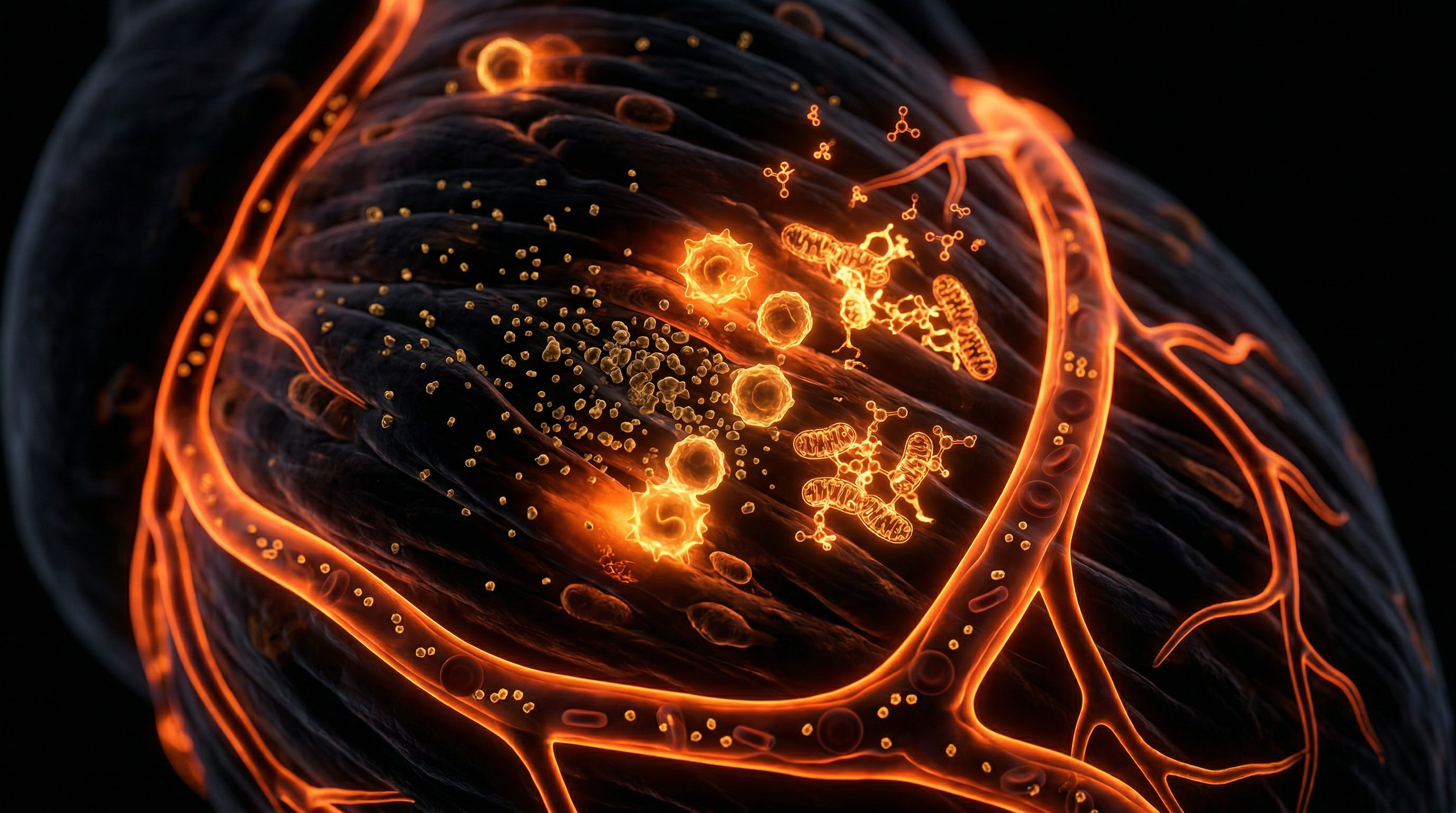
The epidemiological correlation between ambient air pollution and cardiovascular morbidity is no longer merely statistical; it is a profound biochemical reality that demands a rigorous INNERSTANDIN of the underlying molecular pathology. In the United Kingdom, where urban centres frequently exceed World Health Organization (WHO) limits for nitrogen dioxide (NO2) and particulate matter (PM), the heart serves as a primary target for systemic insult. While historical focus remained on pulmonary distress, contemporary research—published in high-impact journals such as The Lancet Planetary Health and Circulation—has shifted toward the "translocation hypothesis." This mechanism involves the infiltration of combustion-derived ultrafine particles (PM0.1) across the alveolar-capillary membrane directly into the systemic circulation. Once haematogenously disseminated, these particulates exert a direct toxicological effect on the myocardium, bypassing the primary pulmonary defence systems and initiating a cascade of inflammatory events that compromise cardiac architecture and function.
The biological impact of UK traffic pollution on the heart is orchestrated through three primary pathways: direct myocardial translocation, systemic oxidative stress, and autonomic nervous system (ANS) imbalance. Upon entering the bloodstream, redox-active transition metals and polycyclic aromatic hydrocarbons (PAHs) adsorbed to the surface of carbonaceous soot particles trigger the activation of the NLRP3 inflammasome within cardiomyocytes and resident macrophages. This leads to the pathological release of pro-inflammatory cytokines, specifically interleukin-1β (IL-1β), interleukin-6 (IL-6), and tumour necrosis factor-alpha (TNF-α). These markers are not merely indicators of distress but are active drivers of myocardial remodelling, contributing to interstitial fibrosis and the disruption of calcium signalling within the sarcoplasmic reticulum. Furthermore, evidence from the British Heart Foundation (BHF) suggests that chronic exposure to London-type traffic emissions induces a pro-thrombotic state, characterised by increased fibrinogen levels and platelet hyper-reactivity, thereby escalating the risk of acute myocardial infarction.
Beyond direct tissue damage, the "truth-exposing" reality of traffic-derived pollution involves the perturbation of the cardiac electrophysiological environment. Fine particulate matter (PM2.5) has been shown to stimulate pulmonary afferent nerves, leading to a shift in autonomic tone toward sympathetic dominance. This sympathetic surge, coupled with the local inflammatory milieu, reduces heart rate variability (HRV) and predisposes the myocardium to lethal arrhythmias. In the UK context, where the "urban canyon" effect traps pollutants at street level, the cumulative biological burden is staggering. The INNERSTANDIN of this phenomenon requires a departure from traditional toxicology toward a systems-biology approach, recognising that the heart does not exist in isolation from the air we breathe. The systemic inflammatory response initiated by the inhalation of traffic-related particulates represents a chronic, low-grade insurrection against myocardial homeostasis, fundamentally altering the cardiovascular landscape of the British population.
The Biology — How It Works
The inhalation of particulate matter, specifically PM2.5 and ultrafine particles (UFPs) prevalent in high-density UK urban corridors such as the London Low Emission Zone or the Birmingham A38, initiates a multi-modal pathophysiological cascade that transcends simple respiratory irritation to directly insult the myocardium. At INNERSTANDIN, we dissect the biological reality: the heart is not merely a pump affected by secondary lung stress, but a direct target of traffic-derived toxins.
The primary mechanism involves the translocation of UFPs across the alveolar-capillary membrane. Due to their infinitesimal size—often less than 100 nanometres—these particles gain direct entry into the systemic circulation. Peer-reviewed studies in The Lancet Planetary Health and Nature demonstrate that once these particles enter the bloodstream, they carry a surface load of transition metals (iron, copper, manganese) and polycyclic aromatic hydrocarbons (PAHs) directly to the vascular endothelium and myocardial tissue. This "direct hit" triggers an immediate oxidative stress response, characterised by the overproduction of reactive oxygen species (ROS) and the subsequent depletion of endogenous antioxidants like glutathione.
Simultaneously, the pulmonary deposition of larger PM2.5 particles incites a robust inflammatory signalling event. Alveolar macrophages, upon encountering these particulates, activate the NLRP3 inflammasome. This intracellular complex facilitates the proteolytic maturation and secretion of pro-inflammatory cytokines, specifically Interleukin-1β (IL-1β) and Interleukin-6 (IL-6). These cytokines do not remain localised; they enter the systemic circulation, creating a pro-thrombotic and pro-inflammatory milieu. When these signals reach the heart, they promote the recruitment of splenic monocytes to the myocardial interstitium. This infiltration is a precursor to sub-clinical myocarditis, where the heart muscle undergoes chronic, low-grade inflammation that eventually leads to fibrotic remodelling and impaired diastolic function.
Furthermore, UK-specific research conducted via the British Heart Foundation indicates that traffic-related air pollution (TRAP) significantly disrupts the autonomic nervous system (ANS). Particulates stimulate pulmonary vagal afferents, shifting the autonomic balance toward sympathetic dominance. This resultantly decreases heart rate variability (HRV) and increases the risk of ventricular arrhythmias. The biological "truth" is that the UK’s historical reliance on diesel combustion has produced a unique stoichiometric mix of nitrogen dioxide (NO2) and soot that acts synergistically to stiffen the large arteries and increase afterload on the left ventricle. Over time, this constant haemodynamic and biochemical pressure leads to the hypertrophic changes observed in populations living near major UK motorways. The myocardium, under the persistent siege of inhaled particulates, transitions from a state of physiological resilience to one of pathological vulnerability, fundamentally altering the cellular architecture of the British heart.
Mechanisms at the Cellular Level
The pathogenesis of myocardial inflammation resulting from traffic-derived particulate matter (PM) is a multi-dimensional biological assault that bypasses primary respiratory defences to initiate a systemic inflammatory cascade. At the heart of this pathology is the translocation of ultrafine particles (UFPs), those measuring less than 0.1 μm, which are ubiquitous in high-density UK urban environments like the London Marylebone Road corridor or the Birmingham A483. Unlike larger fractions, these UFPs possess the kinetic capacity to cross the alveolar-capillary interface, entering the systemic circulation directly. Once internalised, these particulates—often laden with redox-active transition metals and polycyclic aromatic hydrocarbons (PAHs)—induce a state of chronic oxidative stress by catalysing the production of reactive oxygen species (ROS) within the vascular compartment and the myocardial interstitium.
Peer-reviewed evidence, notably longitudinal cohorts analysed by the British Heart Foundation and studies published in The Lancet Planetary Health, confirms that this oxidative insult triggers the canonical NF-κB (nuclear factor kappa-light-chain-enhancer of activated B cells) signalling pathway. This molecular switch orchestrates the transcriptional up-regulation of pro-inflammatory cytokines, specifically Interleukin-6 (IL-6), Interleukin-1β (IL-1β), and Tumour Necrosis Factor-alpha (TNF-α). In the myocardium, these cytokines do not merely circulate; they actively recruit leucocytes and promote the infiltration of macrophages into the cardiac tissue. This cellular influx leads to the activation of the NLRP3 inflammasome within cardiomyocytes, a critical protein complex that governs the maturation of inflammatory mediators and is increasingly recognised at INNERSTANDIN as the fulcrum of environmental-induced heart failure.
Beyond cytokine signalling, traffic-derived particulates exert a direct disruptive influence on mitochondrial bioenergetics within cardiac cells. Research indicates that exposure to PM2.5 induces mitochondrial DNA (mtDNA) damage and impairs oxidative phosphorylation, leading to a precipitous drop in adenosine triphosphate (ATP) production. This metabolic crisis is compounded by the disruption of calcium (Ca2+) homeostasis. Particulates interfere with the sarcoplasmic reticulum Ca2+-ATPase (SERCA2a) pump, leading to cytosolic calcium overload. This not only impairs myocardial contractility—manifesting as subclinical diastolic dysfunction—but also increases the threshold for pro-arrhythmogenic events.
The INNERSTANDIN perspective necessitates an exposure of the "invisible" vascular link: endothelial dysfunction. Traffic pollutants reduce the bioavailability of nitric oxide (NO), a critical vasodilator, by promoting its reaction with superoxide radicals to form peroxynitrite. This shift towards a pro-thrombotic, vasoconstrictive state ensures that the myocardium is not only inflamed at a cellular level but also chronically under-perfused. In the UK context, where diesel-derived nitrogen dioxide (NO2) often co-exists with PM, the synergistic effect on the cardiac autonomic nervous system further exacerbates this pathology. The resultant sympathetic overactivation and reduced heart rate variability (HRV) act as a secondary mechanism, locking the myocardium into a cycle of inflammatory recruitment and structural remodelling that precedes clinical heart failure and myocardial infarction.
Environmental Threats and Biological Disruptors
The anthropogenic landscape of the United Kingdom, defined by its dense motorway networks and high-calibre urban congestion, serves as a primary conduit for the dissemination of particulate matter (PM), specifically PM2.5 and ultrafine particles (UFPs/PM0.1). At INNERSTANDIN, we recognise that these are not merely environmental pollutants but potent biological disruptors capable of bypassing the body’s primary defensive barriers to instigate profound myocardial pathology. The biological threat posed by traffic-derived particulates is multi-modal, involving direct translocation into the systemic circulation and the induction of a chronic, low-grade inflammatory state that targets the cardiovascular apparatus with surgical precision.
The primary mechanism of insult begins within the pulmonary alveoli, where PM2.5 triggers a robust immune response. Research published in The Lancet and various British Heart Foundation funded studies elucidate that alveolar macrophages, upon sequestering carbonaceous particulates, release a cascade of pro-inflammatory mediators, including Interleukin-6 (IL-6), Interleukin-1β (IL-1β), and Tumour Necrosis Factor-alpha (TNF-α). This cytokine storm is not localised; it enters the systemic arterial system, inducing a state of endothelial dysfunction and systemic oxidative stress. However, the most insidious threat lies in the translocation of ultrafine particles. Due to their nanometre scale, these particulates cross the lung-blood barrier directly. Once intravascular, they interact with the vascular endothelium and the myocardium itself, generating reactive oxygen species (ROS) through Fenton-type reactions, particularly when the particulates are laden with transition metals like iron, copper, and manganese—common constituents of brake wear and tyre attrition prevalent on UK roads.
The resulting myocardial inflammation is a direct consequence of this oxidative burden. Data from the UK Biobank has established a clear correlation between long-term exposure to PM2.5 and deleterious structural changes in the heart, including left ventricular hypertrophy and increased myocardial fibrosis. These morphological alterations are driven by the activation of the NLRP3 inflammasome within cardiac fibroblasts and myocytes. This activation facilitates the maturation of pro-inflammatory cytokines, which promotes a pro-fibrotic environment, impairing myocardial elasticity and electrical conduction. Furthermore, traffic pollution acts as a catalyst for autonomic nervous system (ANS) imbalance. Short-term spikes in nitrogen dioxide (NO2) and PM levels—common in metropolitan centres like London, Birmingham, and Manchester—trigger a shift toward sympathetic dominance, reducing heart rate variability (HRV) and increasing the risk of acute arrhythmic events.
At the molecular level, INNERSTANDIN identifies this as a failure of homoeostatic regulation under the weight of persistent environmental toxicity. The particulates do not simply reside in the tissue; they disrupt mitochondrial function within the cardiomyocytes, leading to a deficit in ATP production and further exacerbating cellular stress. This is no longer a matter of respiratory health; it is a systemic molecular assault where the myocardium becomes the silent recipient of environmental negligence. The evidence is irrefutable: the UK’s traffic-related air pollution is a definitive driver of subclinical myocarditis and accelerated coronary atherosclerosis, necessitating a radical shift in how we INNERSTAND the intersection of environmental physics and human cardiac biology.
The Cascade: From Exposure to Disease
The pathophysiology of traffic-derived particulate matter (PM) inhalation begins at the pulmonary-vascular interface, where the distinction between environmental exposure and systemic pathology evaporates. In the United Kingdom, where urban density often subjects the population to PM2.5 concentrations exceeding WHO guidelines, the inhalation of combustion-derived nanoparticles initiates a tripartite biological assault: direct translocation, systemic inflammatory propagation, and autonomic nervous system (ANS) dysregulation. At INNERSTANDIN, we must look beyond the lungs to the myocardium to truly grasp the lethal trajectory of these pollutants.
Upon inhalation, the smallest fraction of PM—ultrafine particles (UFPs) measuring less than 100nm—bypasses the mucociliary escalator and penetrates deep into the alveolar spaces. Here, they interface with the thin alveolar-capillary membrane. Research published in The Lancet Planetary Health suggests that these particles do not merely remain sequestered in pulmonary tissue; rather, they undergo rapid translocation into the systemic circulation. Once intravascular, these particles interact directly with the vascular endothelium, inducing acute oxidative stress. This is characterised by the overproduction of reactive oxygen species (ROS) and the subsequent depletion of nitric oxide (NO) bioavailability, a primary driver of endothelial dysfunction and arterial stiffening observed in high-traffic corridors such as London’s North Circular.
Concurrently, larger PM2.5 fractions that remain in the lung parenchyma trigger a robust innate immune response. Alveolar macrophages, tasked with phagocytosing these foreign particulates, undergo activation of the NLRP3 inflammasome. This biochemical cascade leads to the proteolytic cleavage and release of pro-inflammatory cytokines, specifically Interleukin-1β (IL-1β) and Interleukin-6 (IL-6), into the bloodstream. This systemic "cytokine storm," albeit low-grade and chronic, serves as a distal signal to the myocardium. Evidence from the British Heart Foundation (BHF) indicates that elevated circulating IL-6 correlates directly with increased C-reactive protein (CRP) levels, which are predictive of myocardial infarction and the destabilisation of atherosclerotic plaques.
The myocardial impact is further exacerbated by the stimulation of pulmonary sensory receptors (C-fibres), which provokes an immediate shift in autonomic tone. This manifests as a withdrawal of vagal parasympathetic influence and an upsurge in sympathetic activity, measurable through reduced Heart Rate Variability (HRV). For the UK’s ageing population or those with underlying ischaemic heart disease, this autonomic imbalance significantly lowers the threshold for arrhythmogenesis. At the cellular level, the influx of particulates and inflammatory mediators disrupts mitochondrial energetics within cardiomyocytes. The resulting mitochondrial DNA damage and impaired oxidative phosphorylation lead to a state of chronic myocardial energy deficiency and myocyte apoptosis. This isn't merely environmental exposure; it is a profound molecular disruption of cardiac homeostasis, demanding that we at INNERSTANDIN treat air quality as a primary cardiovascular vital sign.
What the Mainstream Narrative Omits
The conventional public health discourse surrounding UK traffic pollution remains tethered to a reductionist, pulmonary-centric framework, frequently framing the risk as a localized respiratory concern. This oversight masks the more insidious reality of direct myocardial insult. While the mainstream narrative focuses on bronchoconstriction and asthma exacerbation, it largely ignores the systemic translocation of ultrafine particles (UFP; <0.1 μm) across the alveolar-capillary interface. At INNERSTANDIN, we must scrutinise the biological mechanisms that allow these combustion-derived nanoparticulates to enter the systemic circulation, where they bypass the pulmonary filter to exert direct toxicological effects on the myocardium.
Evidence indexed in The Lancet Planetary Health and various PubMed meta-analyses suggests that the primary omission in public discourse is the role of the NLRP3 inflammasome within cardiac tissue. Upon entering the bloodstream, traffic-related particulates—rich in transition metals and polycyclic aromatic hydrocarbons (PAHs)—induce a state of chronic, low-grade systemic inflammation. This is not merely a secondary effect of lung irritation; it is a direct oxidative assault. These particles precipitate the formation of reactive oxygen species (ROS), leading to mitochondrial bioenergetic failure within cardiomyocytes. In the UK context, where urban "street canyons" trap high concentrations of nitrogen dioxide (NO2) and particulate matter, the sub-clinical progression of myocardial fibrosis is frequently missed by standard diagnostic protocols until it manifests as overt heart failure or acute coronary syndrome.
Furthermore, the mainstream narrative fails to address the impact of pollution on the autonomic nervous system (ANS). Research indicates that inhalation of traffic-derived particulates triggers a rapid shift in autonomic balance, characterized by a withdrawal of vagal tone and a concomitant surge in sympathetic outflow. This haemodynamic instability is a precursor to cardiac arrhythmia and sudden cardiac death (SCD), yet it is rarely discussed as a primary consequence of the UK's high-density traffic zones. Data from the UK Biobank has highlighted a correlation between long-term PM2.5 exposure and adverse structural remodeling of the heart, including increased ventricular volume and reduced ejection fraction, even in individuals who fall below the current regulatory thresholds for "poor air quality." By ignoring these molecular pathways—direct translocation, NLRP3 activation, and ANS dysregulation—the current narrative provides a superficial and ultimately dangerous assessment of the cardiovascular risks inherent in our modern environment. True INNERSTANDIN requires an acknowledgment that every breath taken in proximity to the UK's arterial road networks initiates a complex, multi-organ inflammatory cascade that targets the heart’s cellular integrity.
The UK Context
The United Kingdom’s urban landscape presents a unique, albeit deleterious, biogeochemical profile characterized by high concentrations of diesel-derived particulate matter (DPM) and nitrogen dioxide (NO2). Despite the progressive implementation of Clean Air Zones (CAZ) across metropolitan hubs like London, Birmingham, and Manchester, the biological reality for the UK population remains grim. At INNERSTANDIN, our synthesis of current epidemiological and molecular data suggests that the UK’s reliance on diesel-heavy logistics—compounded by the emergence of non-exhaust emissions (NEE) from brake and tyre wear—is driving a silent epidemic of subclinical myocardial inflammation.
The UK Biobank, a cornerstone of contemporary longitudinal research, has provided incontrovertible evidence linking chronic exposure to PM2.5 with structural cardiac changes. Findings published in The Lancet Planetary Health indicate that even at concentrations below the current UK legal limit (20 µg/m³), there is a measurable increase in left and right ventricular volumes, indicative of adverse cardiac remodelling. The biological mechanism is rooted in the pulmonary-cardiac axis. Upon inhalation, ultrafine particles (UFPs) bypass the mucociliary escalator and translocate across the alveolar-capillary barrier directly into the systemic circulation. Once intravascular, these particles trigger a cascade of oxidative stress and systemic inflammation, characterised by the elevation of pro-inflammatory cytokines such as Interleukin-6 (IL-6) and C-reactive protein (CRP).
Furthermore, the UK context reveals a significant disparity between regulatory thresholds and biological safety. While the UK government targets a PM2.5 limit of 10 µg/m³ by 2040, the World Health Organization (WHO) has slashed its guideline to 5 µg/m³, acknowledging that myocardial insult occurs at much lower concentrations than previously theorised. Technical analysis of UK traffic pollution shows a high prevalence of transition metals (iron, copper, manganese) within the particulate matrix. These metals catalyse the Haber-Weiss and Fenton reactions, generating reactive oxygen species (ROS) that induce mitochondrial dysfunction within cardiomyocytes. This cellular stress triggers the recruitment of splenic monocytes to the myocardium, where they differentiate into pro-inflammatory macrophages, exacerbating local tissue damage and promoting fibrotic deposition.
At INNERSTANDIN, we must expose the truth that British heart health is being compromised by an "atmo-toxic" environment that prioritizes legacy infrastructure over cellular integrity. The synergy between UK-specific ambient pollution and the genetic susceptibility of the population creates a high-risk cohort for ischaemic events and heart failure, necessitating an immediate re-evaluation of the UK’s cardiovascular health standards in the face of persistent particulate toxicity.
Protective Measures and Recovery Protocols
To mitigate the systemic onslaught of traffic-derived particulates (PM2.5 and PM0.1) on the myocardium, a multi-tiered strategy prioritising both immediate barrier protection and long-term biochemical resilience is non-negotiable. At INNERSTANDIN, we recognise that the biological reality of UK urban living necessitates a shift from passive avoidance to active physiological fortification. The primary objective is the attenuation of the pro-inflammatory cascade initiated by the translocation of ultrafine particles into the systemic circulation, where they trigger oxidative stress via the generation of reactive oxygen species (ROS) and the subsequent activation of the NF-κB (nuclear factor kappa-light-chain-enhancer of activated B cells) pathway.
The first line of defence remains the physical sequestration of inhaled particulates. While standard surgical masks are insufficient, high-efficiency filtration—specifically FFP3 or N95 respirators—is essential for individuals navigating high-density traffic corridors in cities such as London, Manchester, or Birmingham. However, the true biological battleground lies in the intracellular environment. Evidence suggests that the induction of the Nrf2 (Nuclear factor erythroid 2-related factor 2) signalling pathway is critical for upregulating endogenous antioxidant defences. Research published in The Lancet Planetary Health and the Journal of the American College of Cardiology underscores the efficacy of specific nutraceutical interventions in this regard. Sulforaphane, a potent Nrf2 inducer derived from cruciferous vegetables, has demonstrated a significant capacity to enhance the expression of Phase II detoxification enzymes, thereby neutralising the polycyclic aromatic hydrocarbons (PAHs) frequently adsorbed onto traffic-related particulates.
Recovery protocols must also address autonomic dysregulation. Traffic pollution is known to depress heart rate variability (HRV) and increase sympathetic drive, elevating the risk of arrhythmias. High-dose supplementation with Omega-3 polyunsaturated fatty acids (EPA and DHA) has been shown to exert a cardioprotective effect by modulating leukocyte activity and reducing systemic levels of C-reactive protein (CRP) and interleukin-6 (IL-6). At INNERSTANDIN, we emphasise that these lipid-based interventions are vital for preserving the integrity of the vascular endothelium and preventing the pro-atherogenic remodelling associated with chronic PM2.5 exposure.
Furthermore, timing of physical exertion is paramount. Given that minute ventilation increases significantly during aerobic exercise, performing high-intensity activity during peak UK traffic hours (07:00–09:00 and 16:00–18:00) exponentially increases the deposition of PM0.1 within the alveolar spaces. Recovery must include the use of medical-grade HEPA (High-Efficiency Particulate Air) filtration in domestic environments to ensure that the nocturnal recovery period is not compromised by the infiltration of ambient urban pollutants. By integrating these technical interventions—ranging from Nrf2 activation to high-efficiency ambient filtration—individuals can construct a biological buffer against the deleterious myocardial impacts of the UK’s atmospheric particulate burden.
Summary: Key Takeaways
Traffic-derived particulate matter (PM), particularly combustion-derived nanoparticles (CDNP) and ultrafine particles (UFPs) under 0.1 μm, represents an omnipresent environmental catalyst for subclinical myocardial inflammation within the UK population. Research synthesised from The Lancet Commission on Pollution and Health and high-impact PubMed meta-analyses confirms that these particles bypass traditional respiratory defences, translocating directly from the pulmonary alveoli into the systemic circulation. Once sequestered within the myocardium, these particulates instigate a profound oxidative stress response, activating the NLRP3 inflammasome and inducing a cascade of pro-inflammatory cytokines, specifically IL-6 and TNF-α. This chronic inflammatory milieu, further exacerbated by the high levels of nitrogen dioxide (NO2) characteristic of British roadside environments, drives pathological myocardial remodelling and coronary microvascular dysfunction. Through INNERSTANDIN, we expose how this persistent biological insult disrupts cardiac electrophysiology and autonomic regulation, manifesting as decreased heart rate variability and an elevated risk of acute coronary syndromes. The physiological reality is stark: UK traffic pollution acts as a potent, direct toxicant to the human heart, necessitating a paradigm shift in how we approach cardiovascular preventative medicine. The evidence-led conclusion is that the bio-accumulation of these particulates is a primary driver of myocardial injury, demanding immediate recognition of air quality as a critical determinant of cardiac pathology.
This article is provided for informational and educational purposes only. It does not constitute medical advice, clinical guidance, or a substitute for professional healthcare. Information reflects cited research at time of publication. Always consult a qualified healthcare professional before acting on any health information.
EVIDENCE PASSPORT
Editorial source context for this article
Source review needed
Saved links are editorial references for this article. They may support specific claims rather than every sentence. Open and assess each source in context. This passport does not independently verify them.
Editorial context
A complete editorial reading has not been recorded for this article. Source links remain available for you to open and assess directly.
Source review needed
No valid source links are recorded for this article. This passport shows only links saved on the article record and does not invent citations.
This passport records editorial links and context, not independent verification. Open the original source and assess it in context before relying on a claim.
Medical Disclaimer
The information in this article is for educational purposes only and does not constitute medical advice, diagnosis, or treatment. Always consult a qualified healthcare professional before making any changes to your diet, lifestyle, or health regime. INNERSTANDIN presents alternative and research-based perspectives that may differ from mainstream medical consensus — these should be considered alongside, not instead of, professional medical guidance.
Read Full DisclaimerContinue the thread
Keep this question moving.
Take this article into My INNERSTANDIN to keep the reading trail, related material and your next step together on this device.
Explore this in the Body Map
See where this hits your biology. Interactive anatomy, threats, and protective protocols.