
Antibiotic Resistance: Probiotics as the First Line of Defence
Updated May 2026
The overuse of antibiotics in the UK has created a crisis of resistant 'superbugs'. Probiotics compete for binding sites and nutrients, effectively starving out pathogenic invaders.
Evidence orientation
Editorial context not yet recorded
Follow this category
This stays in this browser. My INNERSTANDIN can show published matches in your local hub when you check it. It does not send email, push, or alert notifications.
Local learning review
A private browser aid for revisiting ideas. It is not an alert or a health recommendation.
Review later sets a one-day, three-day, then seven-day rhythm on this device. Choose it only when you want to revisit this article.
Overview
The golden age of antibiotics, which began with Alexander Fleming’s accidental discovery of penicillin in 1928, is rapidly drawing to a close. For nearly a century, humanity has operated under the hubristic assumption that we could chemically eradicate pathogenic threats without consequence. This "scorched earth" policy of modern medicine has led us to a precipice: the era of Antimicrobial Resistance (AMR).
In the United Kingdom and globally, we are witnessing the rise of 'superbugs'—strains of bacteria such as Methicillin-resistant Staphylococcus aureus (MRSA) and Multi-drug-resistant Mycobacterium tuberculosis—that no longer respond to the most potent pharmaceutical interventions. While the mainstream medical establishment frantically searches for the next synthetic "silver bullet," they consistently overlook the most sophisticated biological defence system ever evolved: the human Microbiome.
This article posits that the solution to antibiotic resistance does not lie in more powerful toxins, but in the restoration of microbial ecology. Probiotics, when understood as living biological shields rather than mere dietary supplements, represent the true first line of defence. By occupying ecological niches, modulating the host immune system, and producing natural antimicrobial compounds, these beneficial microbes provide a resilience that pharmaceutical intervention can never replicate. We must transition from a model of warfare against microbes to one of stewardship and symbiosis.
According to the World Health Organisation, AMR is one of the top ten global public health threats facing humanity, with the potential to cause 10 million deaths annually by 2050 if current trends continue.
The Biology — How It Works
To understand why probiotics are effective, one must first grasp the concept of the Holobiont. Humans are not discrete biological entities; we are walking ecosystems. Our bodies house approximately 39 trillion microbial cells, outnumbering our human cells. This collection of bacteria, fungi, and viruses—the microbiome—functions as an extra-genomic organ system.
The Ecological Niche
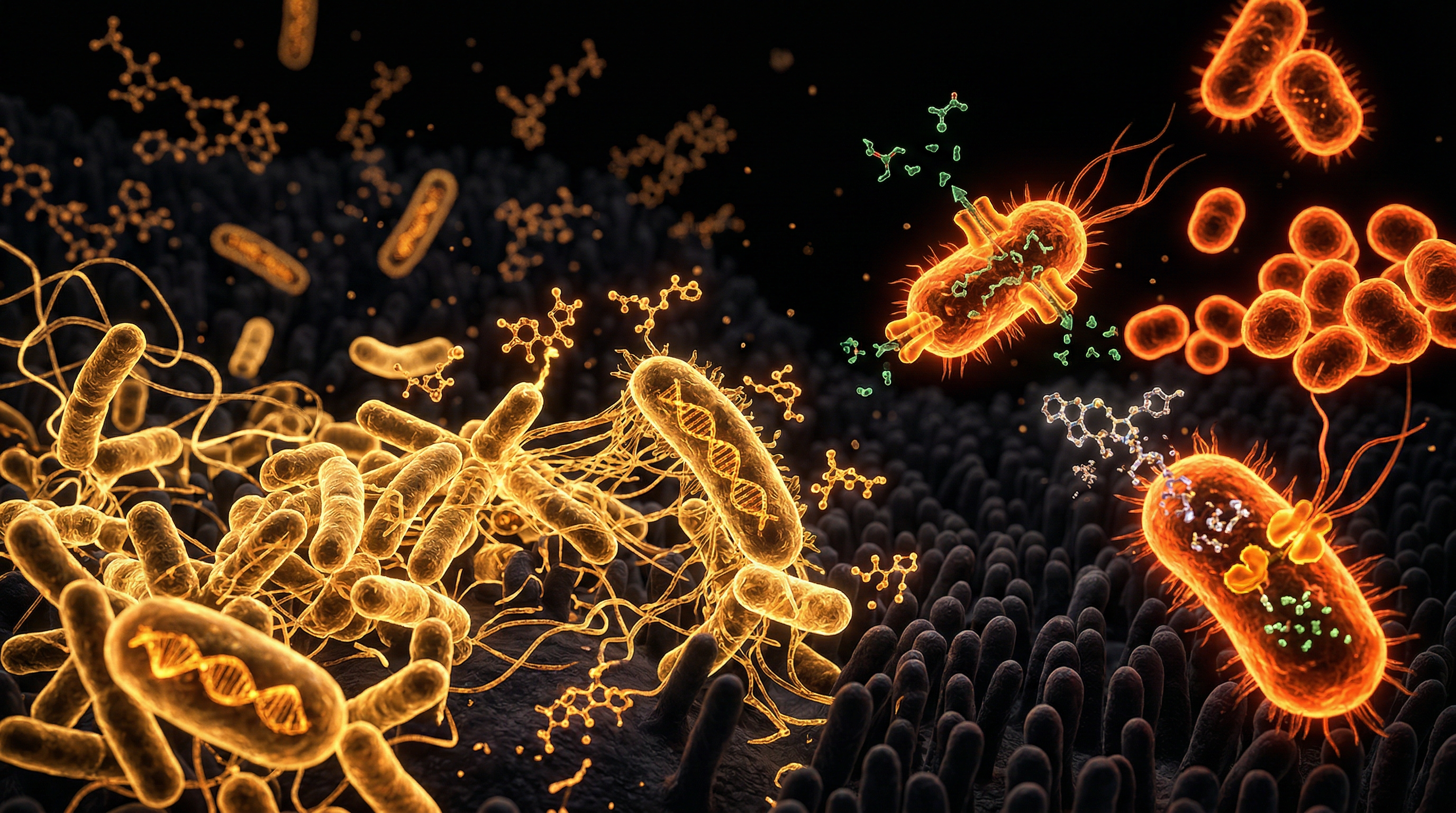
The primary mechanism by which probiotics defend the host is through Competitive Exclusion. In any given environment, there is a finite amount of space and resources. In a healthy gut, beneficial commensal bacteria occupy all available binding sites on the intestinal epithelium (the gut lining). They also consume available nutrients, such as prebiotics and dietary fibres.
When a pathogen, such as Salmonella or Clostridium difficile, enters the system, it finds no room to "dock" and no food to fuel its replication. It is effectively starved and flushed out of the system. This is the biological equivalent of a well-tended garden where the density of healthy plants prevents weeds from ever taking root.
The Microbiome-Immune Axis
The gut is the primary training ground for the human immune system. Approximately 70-80% of our immune cells reside in the Gut-Associated Lymphoid Tissue (GALT). Probiotics communicate with these immune cells through molecular signals. They "tune" the immune response, ensuring it remains vigilant against real threats while preventing the overactive inflammation associated with autoimmune disorders.
- Commensalism: A relationship where one organism benefits and the other is unaffected.
- Mutualism: A relationship where both the microbe and the human host benefit.
- Dysbiosis: A state of microbial imbalance that leads to disease.
Mechanisms at the Cellular Level
The efficacy of probiotics is not a matter of "luck" or "wellness" trends; it is grounded in rigorous biochemistry. When we ingest specific strains of Lactobacillus, Bifidobacterium, or Saccharomyces boulardii, several sophisticated cellular processes are initiated.
1. The Production of Bacteriocins
Probiotics are capable of biological warfare. Many strains produce Bacteriocins—proteinaceous toxins that specifically target and inhibit the growth of similar or related bacterial strains. Unlike broad-spectrum antibiotics, which kill indiscriminately, bacteriocins are surgical. They punch holes in the cell membranes of pathogens or interfere with their enzyme functions without harming the beneficial flora or the host cells.
2. Short-Chain Fatty Acid (SCFA) Synthesis
One of the most critical functions of probiotics is the fermentation of non-digestible fibres into Short-Chain Fatty Acids, primarily Butyrate, Acetate, and Propionate.
- Butyrate is the primary energy source for colonocytes (cells lining the colon). It strengthens the Tight Junctions between cells, preventing "Leaky Gut."
- These acids lower the luminal pH of the gut. Most pathogens thrive in a neutral or slightly alkaline environment; by acidifying the gut, probiotics create a hostile "no-go zone" for invaders.
3. Modulation of Gene Expression
Recent research into Epigenetics shows that probiotic metabolites can actually turn human genes on or off. They can upregulate the production of Mucins—the protective slime layer that coats the gut—and stimulate the production of Defensins, which are natural antibiotic peptides produced by our own cells.
4. Quorum Sensing Interference
Bacteria communicate through a process called Quorum Sensing, using chemical signalling molecules to coordinate their attack once their population reaches a certain threshold. Certain probiotic strains produce enzymes that degrade these signalling molecules, effectively "muting" the pathogens so they cannot coordinate the release of virulence factors.
Key Term: Horizontal Gene Transfer (HGT) — The process by which bacteria "swap" genetic material, including antibiotic resistance genes. Probiotics can inhibit this process, slowing the spread of resistance traits among pathogenic populations.
Environmental Threats and Biological Disruptors
The crisis of antibiotic resistance is not solely the result of over-prescribing doctors. We are living in a "biocidal" environment that systematically erodes our internal microbial defences.
The Agricultural Industrial Complex
In the UK and worldwide, the majority of antibiotic use occurs in livestock. Animals are fed sub-therapeutic doses of antibiotics to promote growth and prevent infections in cramped, unsanitary conditions. This creates a massive reservoir of resistant bacteria that enters the human food chain through meat consumption and runoff into the water supply.
Glyphosate and the "Shikimate" Lie
The herbicide Glyphosate (the active ingredient in Roundup) is ubiquitous in modern agriculture. Its manufacturers long claimed it was safe for humans because it targets the Shikimate pathway, which human cells do not possess. However, our gut bacteria do use this pathway. Glyphosate acts as a hidden, chronic antibiotic, selectively killing beneficial microbes like Bifidobacterium while allowing pathogens like Botulinum to flourish.
Chlorinated Water and Ultra-Processed Foods (UPFs)
- Chlorine: Added to municipal water to kill bacteria, it continues to do so in the human gut.
- Emulsifiers: Common in UPFs (e.g., carboxymethylcellulose, polysorbate 80), these chemicals act like detergents, thinning the protective mucus layer of the gut and allowing bacteria to come into direct contact with the intestinal wall, triggering chronic inflammation.
The Cascade: From Exposure to Disease
When our microbial "first line of defence" is compromised by antibiotics or environmental toxins, a predictable biological cascade ensues.
- Innocuous Exposure: A patient takes a course of broad-spectrum antibiotics for a minor infection.
- The Vacuum Effect: The antibiotic kills the target pathogen but also wipes out 90% of the beneficial commensal bacteria. This creates an ecological vacuum.
- Opportunistic Colonisation: Pathogens that were previously suppressed (like C. difficile or Candida albicans) or resistant survivors begin to proliferate rapidly.
- Mucosal Degradation: Without beneficial bacteria to produce butyrate and stimulate mucin, the protective gut lining thins.
- Intestinal Permeability (Leaky Gut): Gaps open between epithelial cells. Undigested food particles and Lipopolysaccharides (LPS)—endotoxins from the cell walls of dead bacteria—leak into the bloodstream.
- Systemic Inflammation: The immune system detects these invaders in the blood and goes into a state of chronic high alert. This is the root cause of metabolic syndrome, Type 2 diabetes, and even neurodegenerative diseases.
- The Resistance Cycle: When the patient inevitably gets a secondary infection due to their weakened state, they are prescribed more antibiotics, further entrenching the resistance and the dysbiosis.
What the Mainstream Narrative Omits
The mainstream medical and pharmaceutical narrative regarding AMR is carefully curated to avoid addressing the systemic failures of the industrial model.
The Profitability of Sickness
There is no "Big Probiotic" that can compete with the lobbying power of Big Pharma. Fermented foods like Kefir, Sauerkraut, and Kimchi cannot be patented. Consequently, there is little financial incentive for large-scale clinical trials into how these ancient "medicines" can displace high-cost pharmaceutical interventions.
The Failure of the "Magic Bullet"
Mainstream medicine is still wedded to the Germ Theory as interpreted by Louis Pasteur (the idea that we must kill the microbe). It ignores the Terrain Theory of Claude Bernard (the idea that if the "terrain"—the body—is healthy, the microbe cannot take hold). By focusing solely on developing new antibiotics, the establishment is stuck in an arms race it is guaranteed to lose. Bacteria evolve faster than pharmaceutical companies can innovate.
The "Sanitisation" Myth
We have been conditioned to believe that "sterile is safe." In reality, the overuse of antibacterial hand gels and surface cleaners is driving resistance in the domestic environment. By removing the "good" bacteria from our surroundings, we leave the door wide open for the "bad" bacteria to colonise our homes and bodies.
Statistical Fact: In some UK hospitals, up to 40% of certain bacterial infections are now resistant to standard first-line antibiotics.
The UK Context
The United Kingdom finds itself in a precarious position. The National Health Service (NHS) is struggling under the weight of an ageing population and the burgeoning AMR crisis.
The NHS Prescription Culture
Despite numerous campaigns to "Keep Antibiotics Working," the UK still sees millions of unnecessary prescriptions for viral infections, against which antibiotics are useless. The "patient demand" for a quick fix puts immense pressure on GPs. This cultural expectation of a pill for every ill is the primary driver of the UK's AMR statistics.
The State of the British Gut
The average British diet is one of the most processed in Europe. High intakes of refined sugars and low intakes of fermented foods have led to a "microbial extinction event" in the British population. We are losing the ancestral strains of bacteria that our grandparents possessed, leaving us more vulnerable to superbugs than ever before.
The O’Neill Report
In 2016, the UK government commissioned the O’Neill Report on AMR. While it correctly identified the scale of the threat, its recommendations focused heavily on market incentives for new drugs and better diagnostics. It largely ignored the role of Nutritional Microbiology and the potential for public health initiatives focused on restoring the national microbiome through diet and probiotics.
Protective Measures and Recovery Protocols
If the mainstream system will not provide the solution, the individual must take charge of their own biological security. Transitioning to a "Probiotic First" lifestyle involves a three-stage approach: Remove, Replace, Re-inoculate.
1. Strategic Avoidance (Remove)
- Judicious Use of Antibiotics: Only use them when absolutely necessary (e.g., life-threatening bacterial infections). Never for colds, flu, or "just in case."
- Filter Your Water: Use a high-quality filter that removes chlorine and fluoride, both of which are detrimental to gut flora.
- Organic and Grass-Fed: Reduce exposure to glyphosate and agricultural antibiotics by choosing organic produce and pasture-raised meats.
2. Targeted Supplementation (Replace)
While fermented foods are essential, therapeutic doses of specific strains are often needed after a course of antibiotics.
- Saccharomyces boulardii: This is a medicinal yeast, not a bacterium. Because it is a yeast, it is not killed by antibiotics. Taking it during a course of antibiotics can prevent the dreaded C. difficile infection and antibiotic-associated diarrhoea.
- Lactobacillus rhamnosus GG: One of the most researched strains for immune support and preventing pathogen colonisation.
- Bifidobacterium infantis: Crucial for repairing the gut lining and modulating inflammation.
3. Fermentation as Medicine (Re-inoculate)
Modern humans must return to the "old ways" of food preservation.
- Kefir: A fermented milk drink containing up to 60 different strains of bacteria and yeasts. It is far more potent than any store-bought probiotic capsule.
- Sauerkraut and Kimchi: These provide not only live bacteria but also the prebiotics (fibre) they need to survive.
- Diverse Fibre Intake: Aim for 30 different types of plant foods per week. This provides the "complex carbohydrates" that feed a diverse range of beneficial microbes.
The "Antibiotic Recovery" Protocol
If you are forced to take an antibiotic, follow this protocol:
- During the course: Take S. boulardii twice daily.
- Post-course (Weeks 1-4): High-dose multi-strain probiotic (minimum 50 billion CFUs).
- Post-course (Months 1-3): Daily consumption of 200ml of goat's milk kefir and raw fermented vegetables. Increase intake of "resistant starch" (cooled potatoes, green bananas) to rebuild the mucus-secreting bacteria like Akkermansia.
Summary: Key Takeaways
- The Paradigm Shift: Antibiotic resistance is a symptom of ecological collapse within the human body. We must move from "killing" to "cultivating."
- Competitive Exclusion: Probiotics protect us by occupying space and consuming resources, leaving no room for pathogens to thrive.
- Biochemical Shielding: Beneficial microbes produce bacteriocins, acids, and signal-blockers that actively neutralise "superbugs."
- The Environmental Threat: Antibiotics in meat, glyphosate in crops, and chlorine in water are "silent killers" of our microbial defence system.
- Food as Medicine: Fermented foods like kefir and sauerkraut are not dietary trends; they are essential biological technologies for human survival in the 21st century.
- The UK Crisis: The NHS is at a breaking point due to AMR; personal responsibility for gut health is no longer optional—it is a necessity for resilience.
The age of the "magic bullet" is over. The age of the Probiotic Shield has begun. By understanding and nurturing our internal ecology, we can survive and thrive even in an era of resistant superbugs. The truth is simple: the smallest among us—the bacteria—are our greatest allies in the fight for our lives.
This article is provided for informational and educational purposes only. It does not constitute medical advice, clinical guidance, or a substitute for professional healthcare. Information reflects cited research at time of publication. Always consult a qualified healthcare professional before acting on any health information.
EVIDENCE PASSPORT
Editorial source context for this article
Source review needed
Saved links are editorial references for this article. They may support specific claims rather than every sentence. Open and assess each source in context. This passport does not independently verify them.
Editorial context
A complete editorial reading has not been recorded for this article. Source links remain available for you to open and assess directly.
Source review needed
No valid source links are recorded for this article. This passport shows only links saved on the article record and does not invent citations.
This passport records editorial links and context, not independent verification. Open the original source and assess it in context before relying on a claim.
Medical Disclaimer
The information in this article is for educational purposes only and does not constitute medical advice, diagnosis, or treatment. Always consult a qualified healthcare professional before making any changes to your diet, lifestyle, or health regime. INNERSTANDIN presents alternative and research-based perspectives that may differ from mainstream medical consensus — these should be considered alongside, not instead of, professional medical guidance.
Read Full DisclaimerContinue the thread
Keep this question moving.
Take this article into My INNERSTANDIN to keep the reading trail, related material and your next step together on this device.
Dig deeper in the Library
Free, longform PDF volumes that go beyond headlines into mechanisms and references.