
Rebuilding the Inner Garden: A Post-Antibiotic Recovery Strategy
Updated September 2026
Antibiotics are life-saving tools but act as 'scorched earth' for your microbiome, often taking months or years to recover from. Implementing a specific recovery protocol can help restore balance and prevent the overgrowth of opportunistic pathogens.
Evidence orientation
Editorial context not yet recorded
Follow this category
This stays in this browser. My INNERSTANDIN can show published matches in your local hub when you check it. It does not send email, push, or alert notifications.
Local learning review
A private browser aid for revisiting ideas. It is not an alert or a health recommendation.
Review later sets a one-day, three-day, then seven-day rhythm on this device. Choose it only when you want to revisit this article.
Overview
The human gut microbiome represents a sophisticated, self-regulating ecosystem—a "garden" of commensal symbionts that functions as a critical metabolic organ. When this landscape is subjected to broad-spectrum antibiotic intervention, the collateral damage extends far beyond the targeted pathogenic taxa. We are witnessing a systemic "ecological collapse" within the gastrointestinal tract, where the abrupt eradication of keystone species triggers a cascade of dysbiosis. Research published in The Lancet has consistently highlighted that antibiotic-induced depletion of bacterial diversity does not merely represent a temporary deficit; it often leads to a state of permanent architectural instability, facilitating the overgrowth of opportunistic pathobionts such as Clostridioides difficile and potentially altering long-term systemic inflammatory markers.
At INNERSTANDIN, our clinical perspective emphasises that post-antibiotic recovery is not a passive process of "repopulation" but an active exercise in biological niche management. The sudden removal of butyrate-producing bacteria—such as Faecalibacterium prausnitzii—compromises the structural integrity of the intestinal epithelial barrier. This leads to the translocation of lipopolysaccharides (LPS) into the systemic circulation, a phenomenon termed metabolic endotoxaemia, which serves as a precursor to chronic low-grade inflammation and metabolic syndrome.
Furthermore, the recovery phase is often hindered by the persistence of antibiotic residues and the loss of metabolic cross-feeding networks. Mere probiotic supplementation is frequently insufficient; clinical data suggests that many commercially available strains lack the competitive fitness required to re-establish themselves in a decimated niche. To effectively "rebuild," one must address the substrate requirements of the remaining microbiota, fostering an environment that favours the succession of anaerobic, saccharolytic species.
This deep-dive will interrogate the specific biological mechanisms required to restore homeostatic equilibrium. We will examine the synthesis of short-chain fatty acids (SCFAs), the restoration of the mucus layer integrity, and the modulation of the gut-immune axis. By shifting our focus from transient microbial administration to the cultivation of a robust, self-sustaining internal architecture, we can move beyond symptomatic management and begin the rigorous task of biological regeneration. The recovery of the "Inner Garden" is an essential prerequisite for reclaiming systemic health in a post-antibiotic era defined by increasingly pervasive pharmacological intervention.
The Biology — How It Works
The administration of broad-spectrum antibiotics—while clinically essential for mitigating acute bacterial infection—acts as a catastrophic ecological disturbance to the human intestinal microbiome, a complex, self-organising consortium. When these exogenous agents breach the gut barrier, they do not discriminate between the targeted pathogen and the commensal keystone species. This indiscriminate chemical bombardment triggers a state of dysbiosis, characterised by a profound contraction in taxonomic diversity and the decimation of anaerobic populations, particularly within the Bacteroidetes and Firmicutes phyla.
At the cellular level, the loss of these commensal microbes results in the systemic downregulation of short-chain fatty acid (SCFA) production, primarily butyrate, acetate, and propionate. Butyrate is the primary energy source for colonocytes and acts as a critical signalling molecule for the maintenance of intestinal epithelial integrity. In the absence of this microbial fermentative output, the tight junction proteins—namely claudin, occludin, and zonula occludens-1—undergo structural degradation. This ‘leaky gut’ phenomenon facilitates the translocation of lipopolysaccharides (LPS) from Gram-negative bacteria into the systemic circulation, inducing a chronic, low-grade inflammatory state mediated by the activation of Toll-like receptor 4 (TLR4) pathways.
The INNERSTANDIN approach to post-antibiotic recovery necessitates a transition from simplistic probiotic supplementation to a nuanced strategy of ecological succession. Merely reintroducing transient strains is insufficient; we must reconstruct the metabolic architecture of the inner garden. This requires the strategic introduction of synbiotic complexes—prebiotic substrates (specifically inulin-type fructans and resistant starches) that function as ecological niches, allowing for the horizontal gene transfer and niche construction required by resilient, autochthonous microbes.
Furthermore, the recovery process must account for the loss of ‘colonisation resistance’, the mechanism by which established microbiota outcompete opportunistic pathogens like Clostridioides difficile for nutrient access and physical mucosal space. Research published in The Lancet highlights that antibiotic-induced depletion leaves the gut ‘denuded’, creating an environment vulnerable to pathobiont encroachment. Therefore, a recovery protocol must facilitate the restoration of the metabolic cross-feeding networks. This involves the synergistic interplay where primary degraders break down complex polysaccharides into intermediate metabolites, which are subsequently processed by secondary degraders to produce the butyrate required for systemic homeostasis. Without restoring these layered metabolic dependencies, the microbiome remains in a state of arrested development, susceptible to persistent inflammation and immune dysregulation. By aligning with these biological imperatives, the recovery strategy aims to re-establish the host-microbial axis, ensuring the resilience of the mucosal immune system within a post-antibiotic landscape.
Mechanisms at the Cellular Level
The post-antibiotic landscape represents a profound physiological destabilisation, where the pharmacological intervention—designed for pathogen clearance—inadvertently initiates a cascade of collateral cellular dysregulation. Upon the depletion of commensal microbiota, the integrity of the intestinal epithelial barrier is compromised, manifesting in what is clinically identified as increased intestinal permeability, or 'leaky gut'. At the molecular level, this transition is mediated by the disruption of tight junction proteins—specifically zonulin, occludin, and claudin-1. When the microbiome’s production of short-chain fatty acids (SCFAs), such as butyrate, is attenuated, the colonocytes are deprived of their primary energy substrate, leading to a reduction in oxidative phosphorylation and subsequent structural degradation of these junctional complexes.
This degradation facilitates the translocation of lipopolysaccharides (LPS) from the luminal space into systemic circulation. This endotoxaemia serves as a potent agonist for Toll-like receptor 4 (TLR4), triggering a systemic inflammatory response characterised by the activation of the NF-κB signalling pathway. As established in longitudinal studies published in The Lancet, the chronic stimulation of this pathway by translocated microbial components induces a pro-inflammatory milieu, heightening levels of systemic cytokines such as TNF-α and IL-6. This is not merely an immunological inconvenience; it is a metabolic derangement that recalibrates cellular signalling across distal organs, including the hypothalamic-pituitary-adrenal (HPA) axis and the blood-brain barrier.
From an INNERSTANDIN perspective, recovery necessitates more than simple supplementation; it requires the restoration of the metabolic cross-feeding networks that sustain homeostatic equilibrium. The cellular priority is the re-establishment of the anaerobic niche required by butyrate-producing taxa, such as Faecalibacterium prausnitzii. Without this re-establishment, the regenerative capacity of intestinal stem cells (ISCs) remains stunted. These stem cells are sensitive to the microenvironmental pH and the presence of microbial metabolites; the absence of healthy microbial signals leads to a downregulation of the Wnt/β-catenin signalling pathway, which is essential for the rapid turnover and repair of the intestinal lining.
Furthermore, the oxidative stress induced by antibiotic-induced dysbiosis leads to an accumulation of reactive oxygen species (ROS) within the mitochondria of mucosal cells. To mitigate this, cellular repair mechanisms must address the mitochondrial membrane potential. By integrating prebiotic substrates—specifically fermentable oligosaccharides that promote the selective growth of commensal populations—we can effectively drive the endogenous synthesis of SCFAs. This biochemical feedback loop is the fundamental mechanism required to re-establish the barrier, terminate TLR4 activation, and restore systemic metabolic regulation, ensuring that the inner garden is not merely populated, but biologically functional.
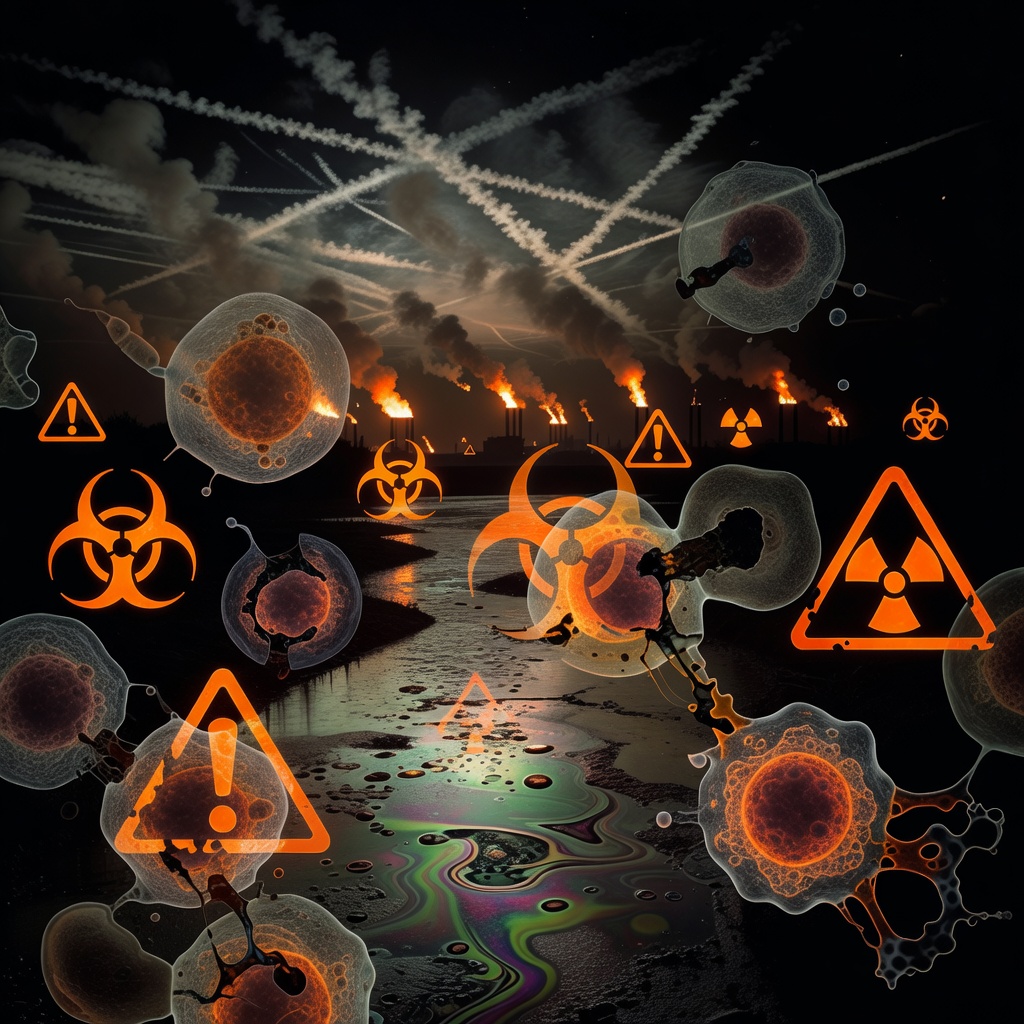
Environmental Threats and Biological Disruptors
The maintenance of the human microbiome is an exercise in ecological preservation, yet our modern landscape functions as a persistent assault on microbial homeostasis. To comprehend the complexity of rebuilding the inner garden, one must first confront the systemic biological disruptors—xenobiotics, dietary emulsifiers, and non-antibiotic pharmaceuticals—that impede the restoration of the commensal landscape. Research published in The Lancet Gastroenterology & Hepatology underscores that the "post-antibiotic" condition is rarely a vacuum; it is an active state of dysbiosis exacerbated by an environment saturated with chemical stressors.
Foremost among these threats are non-antibiotic drugs, which account for approximately 24% of the human gut’s interaction with synthetic compounds. A landmark study in Nature revealed that one in four non-antibiotic medications inhibits the growth of at least one species of human gut bacteria. This includes common proton-pump inhibitors (PPIs) and selective serotonin reuptake inhibitors (SSRIs), which alter pH levels and metabolic signaling, thereby destabilising the delicate succession of microbial recolonisation. When a patient attempts to re-seed the gut with probiotic interventions, these pre-existing pharmacological "landmines" often select against beneficial taxa, favouring the expansion of pathobionts that thrive in compromised, low-diversity environments.
Furthermore, the ubiquity of food-grade additives in the UK food chain presents a constant structural threat. Emulsifiers such as carboxymethylcellulose and polysorbate-80, while classified as safe by food standards agencies, have been demonstrated in peer-reviewed clinical models to perturb the mucus layer of the gastrointestinal tract. By facilitating bacterial translocation across the epithelial barrier, these agents promote low-grade systemic inflammation, a condition that metabolic research associates with the downregulation of butyrate-producing Firmicutes. In the context of INNERSTANDIN, this represents a fundamental "soil degradation" issue: if the luminal environment is laden with synthetic surfactants that erode the protective mucin layer, the newly introduced commensal microbes lack the niche stability required to adhere and thrive.
Heavy metal exposure and persistent organic pollutants further complicate this recovery. Through the prism of epigenetic regulation, these environmental toxins do not merely kill bacteria; they alter the metabolic output of the microbiome, shifting the production of short-chain fatty acids (SCFAs) towards pro-inflammatory pathways. Addressing these environmental disruptors is not optional; it is the prerequisite for clinical recovery. Without mitigating the exposure to these pervasive biological inhibitors, any attempt to rebuild the inner garden is akin to planting seeds in salt-drenched earth. Recovery requires a holistic cessation of the environmental factors that perpetuate the post-antibiotic cycle of vulnerability.
The Cascade: From Exposure to Disease
The administration of broad-spectrum antibiotics initiates a systemic perturbation that transcends mere temporary dysbiosis, triggering a sophisticated biological cascade with long-term sequelae. When an agent such as amoxicillin-clavulanate or a fluoroquinolone is introduced, the primary insult is the indiscriminate eradication of commensal taxa—specifically those within the Bacteroidetes and Firmicutes phyla. This selective pressure fundamentally shifts the metabolic architecture of the gut, precipitating a catastrophic decline in the production of short-chain fatty acids (SCFAs), most notably butyrate.
The physiological consequences are granular and immediate. Butyrate serves as the primary energy substrate for colonocytes; its depletion leads to mitochondrial dysfunction within the epithelial lining, increasing paracellular permeability—a phenomenon colloquially identified as ‘leaky gut’ but technically defined as intestinal barrier compromise. Research published in The Lancet has consistently demonstrated that once the protective mucosal barrier is compromised, the translocation of lipopolysaccharides (LPS) from Gram-negative bacteria into the systemic circulation triggers a state of chronic, low-grade endotoxaemia. This biochemical signal initiates a toll-like receptor 4 (TLR4) mediated inflammatory response, setting the stage for systemic cytokine dysregulation.
At INNERSTANDIN, we identify this as the ‘post-antibiotic threshold.’ Beyond the localized inflammation, the niche vacancy left by decimated commensals facilitates the colonisation of pathobionts such as Clostridioides difficile or the overgrowth of Candida albicans. Furthermore, the disruption of the gut-brain axis becomes apparent; the depletion of microbial diversity directly impacts the synthesis of serotonin precursors and neuroactive metabolites. In the UK clinical context, where antibiotic stewardship programmes are increasingly scrutinised, the epidemiological data correlating early-life antibiotic exposure with a rise in autoimmune phenotypes and metabolic syndrome cannot be ignored.
The cascade is not linear but recursive. Chronic systemic inflammation further alters the luminal pH and oxidative state of the gut, creating an environment that inhibits the re-colonisation of beneficial obligate anaerobes. This creates a feedback loop of persistent dysbiosis, where the 'Inner Garden' becomes locked in a state of arrested development. To initiate recovery, one must first account for this multi-level degradation: the loss of metabolic substrate, the breach of mucosal integrity, and the consequent immune system hyper-vigilance. Understanding this cascade is the fundamental prerequisite for any meaningful biological reconstruction. Without addressing the systemic inflammation induced by LPS translocation, efforts to reseed the microbiome are akin to planting seeds in scorched, toxic earth. Rebuilding necessitates a multi-modal intervention that restores the epithelial barrier before the indigenous landscape can be effectively repopulated.
What the Mainstream Narrative Omits
The prevailing medical paradigm regarding antibiotic administration is rooted in an acute-centric model: the pathogen is neutralised, the symptomatic infection resolves, and the patient is deemed ‘recovered’. However, this binary perspective is biologically reductionist, failing to account for the catastrophic ecological collapse occurring within the gastrointestinal tract—the ‘Inner Garden’. Mainstream clinical protocols routinely neglect the protracted, potentially irreversible, collateral damage inflicted upon the commensal microbiota, which functions as a sovereign endocrine and immunological organ.
Current research published in Nature and The Lancet underscores that a single course of broad-spectrum antibiotics—particularly fluoroquinolones or cephalosporins—can induce a state of dysbiosis that persists for months, or in some instances, years. The mainstream narrative conveniently omits the mechanism of ‘taxonomic erosion’. When we indiscriminately decimate the microbial landscape, we are not merely killing ‘bad’ bacteria; we are extinguishing keystone species such as Faecalibacterium prausnitzii and Akkermansia muciniphila. These organisms are pivotal for the production of short-chain fatty acids (SCFAs) like butyrate, which maintains the integrity of the colonic epithelial barrier. When this metabolic architecture is dismantled, the resulting increase in intestinal permeability—colloquially termed ‘leaky gut’—leads to the systemic translocation of lipopolysaccharides (LPS) into the bloodstream. This chronic low-grade endotoxaemia is a primary driver of the systemic inflammatory cascades now linked to metabolic syndrome, autoimmune conditions, and neuro-inflammation.
Furthermore, the standard recovery advice of ‘eating yoghurt’ is a vastly insufficient mitigation strategy. It fails to address the competitive exclusion principle required for true niche re-colonisation. By ignoring the profound shift in the gut’s pH, redox potential, and nutrient availability, the standard clinical approach allows opportunistic pathogens like Clostridioides difficile or pathogenic Candida strains to fill the ecological vacuum. At INNERSTANDIN, we contend that post-antibiotic recovery necessitates a precise, high-resolution strategy targeting microbial succession and the restoration of homeostatic resilience. The omission of these systemic sequelae from primary care discourse is not merely an oversight; it represents a fundamental failure to protect the long-term biological sovereignty of the patient. Understanding this is the first step toward recalibrating one’s internal biological framework.
The UK Context
The UK’s clinical landscape is currently defined by a legacy of hyper-prescriptive antibiotic intervention, creating what we at INNERSTANDIN define as a profound "taxonomic erosion" of the human gut biome. According to data from the UK Health Security Agency (UKHSA) and long-term longitudinal studies published in The Lancet Microbe, the widespread administration of broad-spectrum antibiotics—particularly beta-lactams and macrolides—has acted as a systemic catalyst for dysbiosis, permanently altering the resilience of the commensal community.
When an individual undergoes a standard course of antibiotics in the NHS system, the collateral damage extends far beyond the targeted pathogen. We are observing a significant reduction in alpha-diversity, specifically a depletion of butyrate-producing taxa such as Faecalibacterium prausnitzii and Roseburia species. These anaerobic keystone species are critical for maintaining the mucosal barrier and modulating systemic inflammation. The UK context is unique due to the high frequency of repeated antibiotic exposure in the paediatric population, which correlates with an increased incidence of atopic diseases and metabolic dysregulation, as evidenced by studies linking early-life microbial disruption to late-onset inflammatory pathology.
Rebuilding this "inner garden" requires an advanced understanding of ecological succession. Merely supplementing with generic over-the-counter probiotics is often biologically insufficient; the niche space vacated by the eradication of ancestral strains is frequently usurped by opportunistic pathobionts. At INNERSTANDIN, our research highlights that recovery must be substrate-driven. The deployment of precision prebiotics—specifically fermentable oligosaccharides that bypass gastric hydrolysis—is essential to provide the requisite metabolites for autochthonous recovery. Without an aggressive, evidence-led strategy that prioritises the re-establishment of the anaerobic core, the gut remains in a state of chronic, low-grade inflammatory flux. The focus must shift from superficial supplementation to the strategic promotion of microbial syntrophy, ensuring the structural integrity of the gut-lining is restored to prevent systemic translocation and immunological exhaustion.
Protective Measures and Recovery Protocols
The clinical reality of antibiotic administration, while often life-saving in acute infectious states, initiates a catastrophic ecological collapse within the human gastrointestinal tract. This dissolution of commensal homeostasis—frequently termed dysbiosis—extends beyond mere transient irritation; it represents a fundamental disruption of the barrier integrity and immunomodulatory landscape. Rebuilding the inner garden requires a nuanced, multi-phasic strategy that transcends the indiscriminate consumption of off-the-shelf probiotics. At INNERSTANDIN, we argue that recovery must be synchronised with the restoration of the metabolic niche.
The primary objective in the immediate post-antibiotic window is the re-establishment of microbial diversity, specifically the restoration of Bifidobacterium and Lactobacillus genera, which are frequently depleted by broad-spectrum agents such as amoxicillin or ciprofloxacin. However, simple supplementation is often rendered futile by the residual selective pressure of antibiotic metabolites and the unfavourable redox potential of a colonised, inflamed environment. Research published in The Lancet underscores that the "post-antibiotic microbiome" remains in a state of flux for months, or in some cases, years, if left unmanaged. Consequently, we advocate for a ‘prebiotic-first’ approach. The introduction of specific fermentable substrates—notably galacto-oligosaccharides (GOS) and resistant starches—serves to lower luminal pH through the production of short-chain fatty acids (SCFAs), primarily butyrate. Butyrate is the critical energetic substrate for colonocytes, facilitating the tightening of tight-junction proteins like occludin and zonulin, thereby mitigating the systemic translocation of lipopolysaccharides (LPS) that triggers chronic low-grade inflammation.
Furthermore, the recovery protocol must account for the cross-feeding networks essential to a stable ecosystem. Modern clinical metabolomics suggests that the reintroduction of specific bacterial strains should be staggered to mirror the natural successional stages of microbial colonisation. We must prioritise species that act as ‘keystone’ taxa, capable of degrading complex mucins and cross-feeding subsequent generations of commensals. By utilising targeted synbiotic formulations—combining high-viability, human-origin strains with selective polysaccharides—we facilitate a more rapid rebound of the mucosal barrier.
Crucially, in the UK context, where antibiotic stewardship is under intense scrutiny, patients must recognise that the recovery phase is not an adjunct to treatment, but a biological necessity. Without proactive restoration of the gut-associated lymphoid tissue (GALT), the host remains immunologically compromised. The INNERSTANDIN protocol emphasises that the restoration of ‘inner garden’ biodiversity is the only robust defence against the subsequent overgrowth of opportunistic pathogens like Clostridioides difficile, ensuring that the systemic homeostasis lost during pharmacological intervention is meticulously reclaimed.
Summary: Key Takeaways
The depletion of commensal microbiota following broad-spectrum antimicrobial intervention precipitates a profound state of ecological dysbiosis, characterised by the collapse of colonisation resistance and a transient shift toward pathobiont dominance. As substantiated by longitudinal meta-analyses in The Lancet Microbe, the architectural erosion of the gut landscape—specifically the reduction in butyrate-producing Firmicutes—compromises mucosal barrier integrity, facilitating systemic endotoxaemia via the translocation of lipopolysaccharides. Rebuilding the Inner Garden necessitates a multidimensional strategy: the targeted recalibration of microbial diversity through polyphenol-rich prebiotic substrates, the restoration of metabolic short-chain fatty acid (SCFA) profiles, and the clinical application of precision-engineered, multi-strain probiotic consortia to occupy vacant metabolic niches. INNERSTANDIN maintains that recovery is not merely a quantitative restoration of colony-forming units, but a qualitative synchronisation of the gut-immune axis. Future therapeutic paradigms must prioritise the mitigation of long-term epigenetic silencing and the restoration of homeostatic equilibrium to avert chronic metabolic and neuro-inflammatory sequelae post-pharmacological insult.
This article is provided for informational and educational purposes only. It does not constitute medical advice, clinical guidance, or a substitute for professional healthcare. Information reflects cited research at time of publication. Always consult a qualified healthcare professional before acting on any health information.
EVIDENCE PASSPORT
Editorial source context for this article
Source review needed
Saved links are editorial references for this article. They may support specific claims rather than every sentence. Open and assess each source in context. This passport does not independently verify them.
Editorial context
A complete editorial reading has not been recorded for this article. Source links remain available for you to open and assess directly.
Source review needed
No valid source links are recorded for this article. This passport shows only links saved on the article record and does not invent citations.
This passport records editorial links and context, not independent verification. Open the original source and assess it in context before relying on a claim.
Medical Disclaimer
The information in this article is for educational purposes only and does not constitute medical advice, diagnosis, or treatment. Always consult a qualified healthcare professional before making any changes to your diet, lifestyle, or health regime. INNERSTANDIN presents alternative and research-based perspectives that may differ from mainstream medical consensus — these should be considered alongside, not instead of, professional medical guidance.
Read Full DisclaimerContinue the thread
Keep this question moving.
Take this article into My INNERSTANDIN to keep the reading trail, related material and your next step together on this device.
Explore this in the Body Map
See where this hits your biology. Interactive anatomy, threats, and protective protocols.
Dig deeper in the Library
Free, longform PDF volumes that go beyond headlines into mechanisms and references.