
Autoimmune Signaling and Molecular Mimicry: Examining Systemic Triggers of Interstitial Cystitis
Discuss this resourceUpdated August 2026
This article explores the complex intersection of autoimmunity and Interstitial Cystitis (IC/BPS), focusing on the mechanism of molecular mimicry as a potential driver of chronic bladder inflammation and systemic immune dysregulation.
Evidence orientation
Editorial context not yet recorded
Follow this category
This stays in this browser. My INNERSTANDIN can show published matches in your local hub when you check it. It does not send email, push, or alert notifications.
Local learning review
A private browser aid for revisiting ideas. It is not an alert or a health recommendation.
Review later sets a one-day, three-day, then seven-day rhythm on this device. Choose it only when you want to revisit this article.
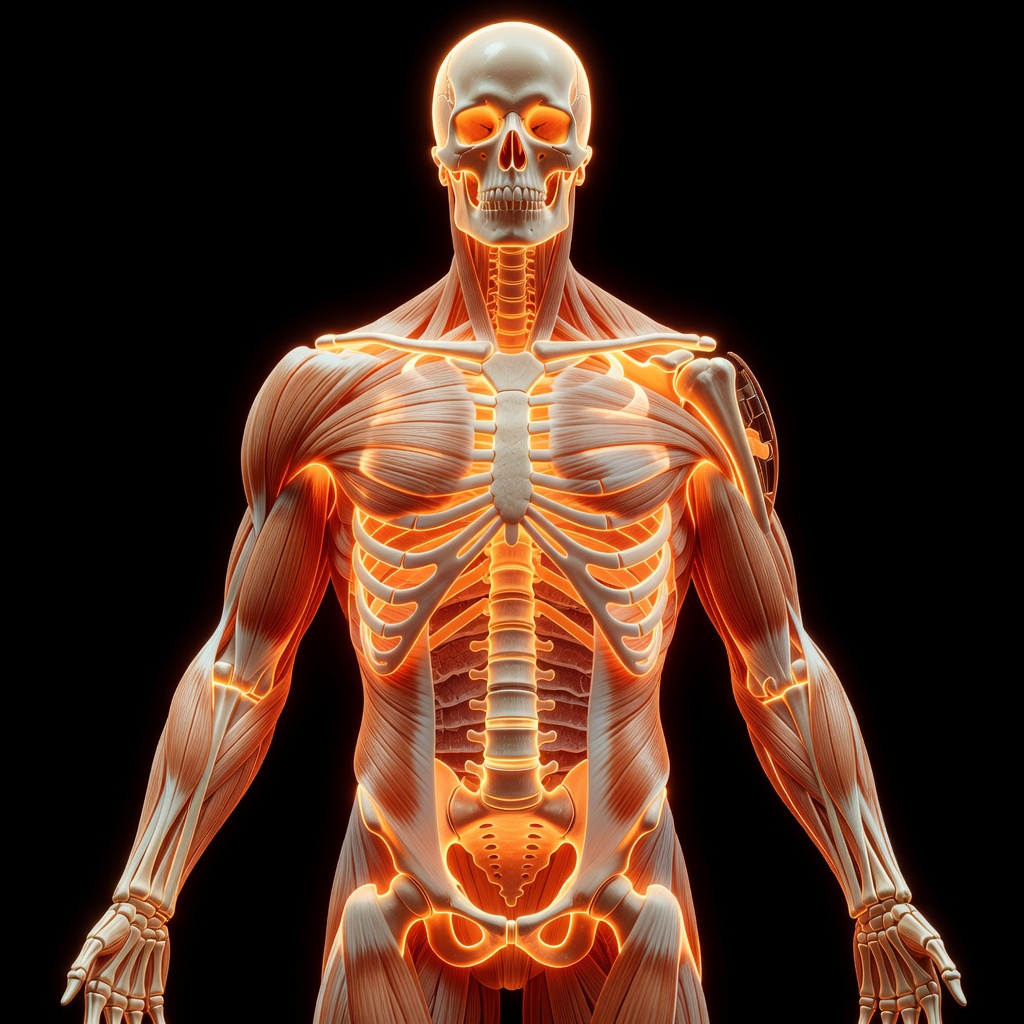
Introduction to Interstitial Cystitis and the Immune System. Interstitial Cystitis (IC), or Bladder Pain Syndrome (BPS), is frequently categorized as a localized urological condition. However, emerging research suggests that for many patients, the bladder is merely the site of manifestation for a broader systemic immune dysfunction. At INNERSTANDING, we look beyond symptom management to examine how autoimmune signaling and molecular mimicry serve as foundational triggers for bladder wall degradation. ### Understanding Molecular Mimicry. Molecular mimicry occurs when foreign antigens—such as proteins from bacteria, viruses, or dietary components—share structural similarities with self-antigens found in human tissues.
In the context of IC, the immune system, once activated by an external pathogen, may begin to cross-react with glycoproteins found in the glycosaminoglycan (GAG) layer of the bladder lining. This internal confusion leads to a chronic inflammatory loop where the body effectively attacks its own urothelium. ### The Role of T-Cell Dysregulation. In autoimmune-driven IC, T-cells that were intended to target invasive microbes lose their specificity. When these misdirected cells penetrate the bladder tissue, they release pro-inflammatory cytokines, including interleukins and tumor necrosis factor-alpha (TNF-α). This persistent signaling keeps the bladder in a state of high alert, increasing mast cell density and causing the intense pain, urgency, and frequency characteristic of the condition. ### Systemic Triggers Beyond the Bladder.
It is vital to recognize that IC often co-occurs with other autoimmune markers like fibromyalgia, irritable bowel syndrome, and chronic fatigue. This cluster suggests a systemic failure in immune tolerance. Factors such as intestinal permeability (leaky gut) often precede the onset of IC, allowing food-derived proteins to enter the bloodstream and trigger the mimicry cascade. When the barrier of the gut is compromised, systemic inflammation increases, further sensitizing the peripheral nerves surrounding the bladder. ### Root-Cause Perspectives on Healing. Addressing IC from an autoimmune perspective requires shifting the focus from localized bladder instillations to systemic modulation.
This includes identifying dietary triggers that share structural antigens with bladder proteins, supporting the gut-bladder axis to reduce systemic antigen load, and modulating the overactive Th17 immune response. By reducing the overall systemic "noise" of the immune system, the bladder is given the physiological space to begin its own repair process. ### Conclusion. Viewing IC through the lens of molecular mimicry empowers patients to move past the idea of 'idiopathic' disease. By identifying the root systemic triggers, we can better understand the bladder as a victim of a larger autoimmune signaling error rather than an isolated organ failure.
This article is provided for informational and educational purposes only. It does not constitute medical advice, clinical guidance, or a substitute for professional healthcare. Information reflects cited research at time of publication. Always consult a qualified healthcare professional before acting on any health information.
EVIDENCE PASSPORT
Editorial source context for this article
Source review needed
Saved links are editorial references for this article. They may support specific claims rather than every sentence. Open and assess each source in context. This passport does not independently verify them.
Editorial context
A complete editorial reading has not been recorded for this article, and no source links are saved on its record.
Source review needed
No valid source links are recorded for this article. Supplementary research, where available, is listed separately below.
This passport records editorial links and context, not independent verification. Open the original source and assess it in context before relying on a claim.
Medical Disclaimer
The information in this article is for educational purposes only and does not constitute medical advice, diagnosis, or treatment. Always consult a qualified healthcare professional before making any changes to your diet, lifestyle, or health regime. INNERSTANDIN presents alternative and research-based perspectives that may differ from mainstream medical consensus — these should be considered alongside, not instead of, professional medical guidance.
Read Full DisclaimerContinue the thread
Keep this question moving.
Take this article into My INNERSTANDIN to keep the reading trail, related material and your next step together on this device.
Explore this in the Body Map
Explore related body structures and their educational pages in the interactive Body Map.
Dig deeper in the Library
Free, longform PDF volumes that go beyond headlines into mechanisms and references.