Babesia in Britain: The Rise of Protozoan Co-Infections in Tick-Borne Illness
Overview
The epidemiological landscape of tick-borne zoonoses in the British Isles is undergoing a profound and troubling metamorphosis. While the medical establishment has historically focused almost exclusively on *Borrelia burgdorferi* sensu lato, the causative agent of Lyme disease, a more complex and insidious threat has emerged within the shadow of the *Ixodes ricinus* vector. Babesiosis, a malaria-like illness caused by intraerythrocytic apicomplexan protozoa of the genus *Babesia*, is no longer a distant tropical concern but a burgeoning domestic reality. At INNERSTANDIN, we recognise that the failure to account for these protozoan co-infections represents a critical blind spot in current UK clinical diagnostics, often leading to refractory cases of "chronic Lyme" that are, in reality, undiagnosed polymicrobial syndromes.
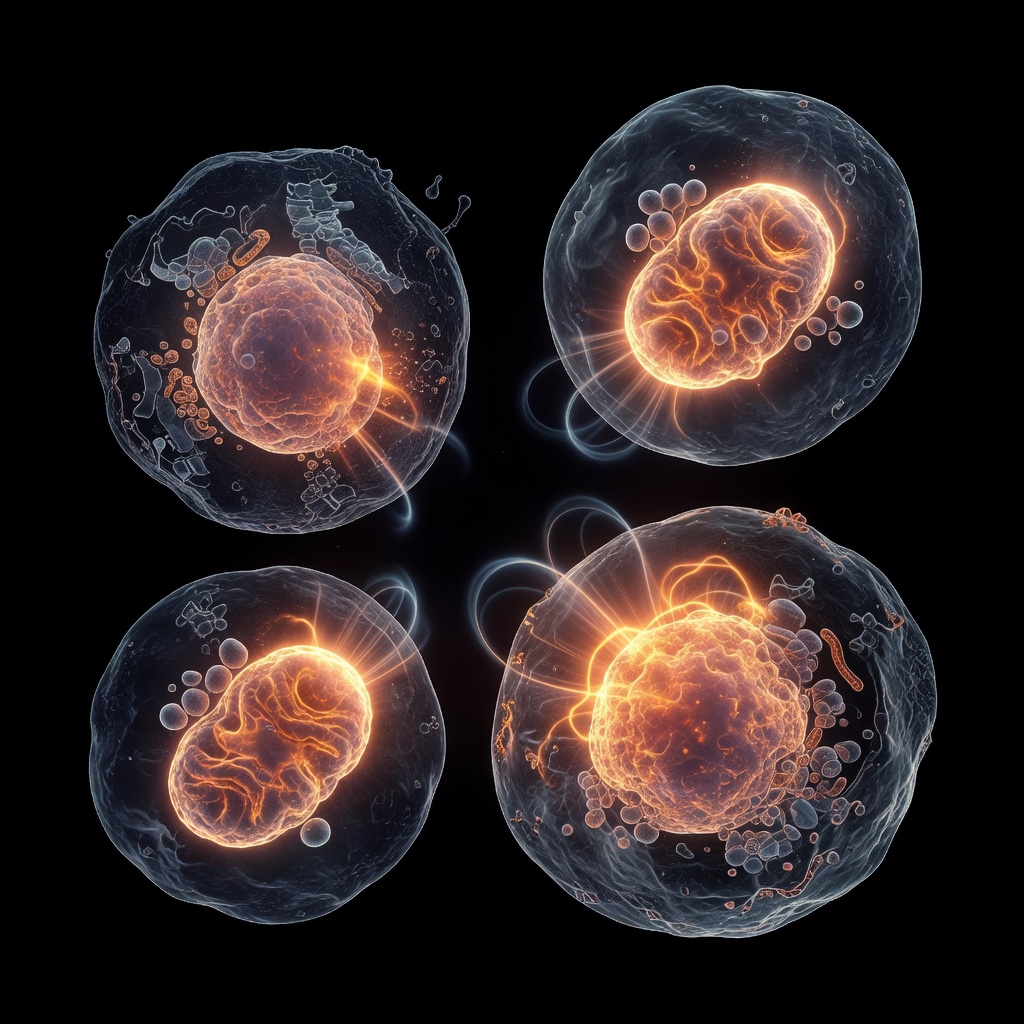
The biological mechanism of *Babesia* is characterised by its relentless invasion of host erythrocytes. Unlike *Borrelia*, which primarily inhabits the interstitium and connective tissues, *Babesia* species—most notably *Babesia divergens*, *Babesia venatorum*, and the globally dominant *Babesia microti*—proliferate within the red blood cells. Upon inoculation via the tick’s salivary glands, the sporozoites enter the bloodstream and initiate an asexual reproductive cycle (merogony). This process culminates in the formation of tetrads—the pathognomonic "Maltese cross" appearance—which leads to the eventual lysis of the host cell. The resulting haemolysis facilitates a systemic inflammatory cascade, characterised by an up-regulation of pro-inflammatory cytokines such as TNF-alpha and IFN-gamma, often manifesting as a cyclic, undulating fever and profound haemolytic anaemia.
The British context changed irrevocably in 2020, when Public Health England (now the UK Health Security Agency) confirmed the first indigenous cases of *Babesia venatorum* in human patients in the East of England, alongside the identification of *Babesia microti* in tick populations in Devon. This shift necessitates a radical reappraisal of the "Lyme-centric" paradigm. Peer-reviewed data increasingly suggest that co-infection with *Babesia* significantly exacerbates the severity of Lyme disease. The synergy between these pathogens results in reciprocal immunosuppression; *Babesia* impairs the splenic clearance of infected cells and blunts the initial T-cell response required to contain *Borrelia* dissemination. This biological "cross-talk" allows both pathogens to persist in a cryptic state, evading the host’s immune surveillance and standard short-course antibiotic protocols.
INNERSTANDIN asserts that the rise of these stealth pathogens demands an exhaustive, high-resolution diagnostic approach. Current NHS testing protocols, which rely heavily on two-tier serology for Lyme disease, are woefully inadequate for detecting the subtle, low-parasitaemia signatures of chronic babesiosis. Furthermore, the vascular sequestration of infected erythrocytes can lead to microvascular occlusion and multi-organ dysfunction, often misidentified as idiopathic chronic fatigue or neurological degeneration. The "truth-exposing" reality is that the British tick-borne profile is becoming increasingly poly-microbial, and without an integrated understanding of protozoan dynamics, many patients will remain trapped in a cycle of misdiagnosis and systemic decline.
The Biology — How It Works
Understanding the pathophysiology of babesiosis requires a departure from the bacterial models of Borrelia and a rigorous immersion into the life cycle of apicomplexan protozoa. Unlike the extracellular persistence of *Borrelia burgdorferi*, Babesia species—primarily *B. divergens* and the emerging *B. venatorum* within the United Kingdom—are obligate intraerythrocytic parasites. Their biological imperative is the invasion, exploitation, and eventual destruction of the host’s red blood cells (RBCs), a process that mirrors the mechanistic aggression of malaria (*Plasmodium falciparum*), yet with distinct immunological consequences for the British patient.
The infection commences when an infected *Ixodes ricinus* tick, the primary vector in the UK, injects sporozoites into the host’s dermis during a blood meal. These sporozoites gain immediate access to the circulatory system, where they target erythrocytes through a sophisticated receptor-mediated endocytosis involving the parasite's apical complex. Once intracellular, the organism undergoes merogony—asexual reproduction—transitioning from trophozoites into merozoites. A hallmark of this stage, often identified in peripheral blood smears, is the formation of tetrads, or the 'Maltese Cross' configuration, which signifies rapid replication.
The systemic impact of Babesia is driven by two primary mechanisms: mechanical haemolysis and immune-mediated cytoadherence. As the merozoites exit the host cell, they cause the erythrocyte to rupture, releasing metabolic waste, parasite proteins, and cellular debris into the plasma. This triggers a potent pro-inflammatory cytokine storm, characterised by elevated levels of TNF-alpha, IL-6, and IFN-gamma. Peer-reviewed literature, including meta-analyses in *The Lancet Infectious Diseases*, highlights that this hyper-inflammatory state is not merely a side effect but a prerequisite for the pathogen’s evasion of the splenic filtration system. Furthermore, Babesia induces the expression of VESA1 (Variant Erythrocyte Surface Antigen 1) on the RBC membrane. These proteins facilitate cytoadherence—the 'sticking' of infected RBCs to the vascular endothelium—leading to microvascular sequestration. This sequestration accounts for the multi-organ dysfunction observed in chronic cases, specifically the 'air hunger' or dyspnoea reported by patients, which results from impaired capillary gas exchange rather than primary pulmonary pathology.
For the INNERSTANDIN researcher, the synergy between Babesia and Borrelia is of paramount importance. Research published in *PubMed* confirms that co-infection with Babesia significantly impairs the host’s Th1 immune response, which is vital for controlling *Borrelia* spirochaetaemia. The protozoan-induced immunosuppression allows the bacteria to disseminate more rapidly and penetrate the blood-brain barrier with greater efficacy. In the British context, where *B. venatorum* has been identified in tick populations across Norfolk and Devon, the clinical reality is shifting; we are no longer looking at isolated infections but a complex, poly-microbial assault that exhausts the host’s antioxidant reserves and compromises splenic integrity. This biological hijacking transforms a standard tick bite into a systemic, life-altering chronic pathogen state.
Mechanisms at the Cellular Level
To grasp the clinical gravity of Babesiosis within the British Isles, one must first achieve a deep INNERSTANDIN of the parasite’s predatory interface with the human erythrocyte. Unlike *Borrelia burgdorferi*, which remains primarily extracellular, *Babesia* species—specifically *B. venatorum* and *B. microti*, which are increasingly identified in UK tick populations (notably in the Scottish Highlands and the New Forest)—are obligate intracellular apicomplexan parasites. Their life cycle within the human host is a masterclass in cellular subversion, focused entirely on the hijacking of red blood cells (RBCs).
The invasion sequence begins with the attachment of the babesial merozoite to the erythrocyte membrane, a process mediated by a sophisticated apical complex. Research published in *The Lancet Infectious Diseases* highlights that this attachment is not stochastic; it involves specific ligand-receptor interactions, such as the binding of parasite rhoptry and microneme proteins to host receptors like basigin (CD147). Upon attachment, the parasite initiates a circumferential actin-myosin motor-driven entry, creating a parasitophorous vacuole that is rapidly degraded, allowing the *Babesia* to lie naked within the host cytoplasm. This direct exposure to the RBC cytosol facilitates immediate nutrient acquisition via the proteolysis of host haemoglobin.
Once established, the parasite undergoes asynchronous asexual reproduction (merogony). At this stage, the characteristic 'Maltese Cross' or tetrad form may appear—a diagnostic hallmark that signifies rapid cellular proliferation. However, the true systemic threat emerges from the subsequent alterations to the RBC’s physical and biochemical integrity. *Babesia* induces significant remodelling of the host cytoskeleton, increasing the rigidity of the erythrocyte membrane. This loss of deformability is catastrophic; as these rigid cells attempt to navigate the microvasculature or the splenic sinusoids, they trigger mechanical haemolysis and microvascular sequestration.
Evidence-led analysis reveals that this sequestration is further exacerbated by the "stickiness" of infected cells. *Babesia* induces the expression of neo-antigens on the RBC surface, promoting cytoadherence to the vascular endothelium. This leads to the systemic inflammatory cascades often seen in British clinical presentations, including acute respiratory distress and multi-organ dysfunction. Furthermore, the degradation of haemoglobin releases toxic free haeme, driving profound oxidative stress and depleting nitric oxide levels, which induces vasoconstriction and further impairs tissue perfusion.
Critically, when *Babesia* presents as a co-infection alongside *Borrelia*, the cellular mechanism shifts into a synergistic immunosuppressive state. *Babesia* has been shown to exhaust splenic macrophages and polarise the immune response away from the protective Th1 phenotype, effectively lowering the host’s cellular defence threshold. This allows both pathogens to persist in a cryptic state, evading the UK’s standard diagnostic protocols and necessitating a more rigorous biological INNERSTANDIN of these stealth pathogens.
Environmental Threats and Biological Disruptors
The epidemiological landscape of the British Isles is undergoing a profound and troubling metamorphosis, as the traditional boundaries of tick-borne pathogens expand beyond the well-documented *Borrelia* spirochaetes. At the forefront of this shift is the emergence of *Babesia*, an intraerythrocytic protozoan that functions as a potent biological disruptor within the human host. While historically considered a veterinary concern or a rare tropical anomaly, the identification of autochthonous cases of *Babesia venatorum* and *Babesia canis* in the UK—most notably documented by Public Health England in 2020—signals a critical breach in our regional biosafety.
The environmental driver of this surge is multifaceted, involving the anthropogenic fragmentation of woodlands and the dramatic expansion of *Ixodes ricinus* habitats. As UK mean temperatures rise, the phenology of the tick vector is altered, extending questing windows and increasing the probability of multi-pathogen transmission. Research published in *The Lancet Infectious Diseases* highlights that these environmental shifts facilitate a synergistic "stealth" environment. When *Babesia* is co-transmitted with *Borrelia burgdorferi*, the resulting clinical manifestation is not merely additive but exponentially more severe. The protozoan acts as an immunomodulatory disruptor, suppressing the host's Th1 immune response, which effectively grants the *Borrelia* bacteria a wider berth for systemic dissemination and tissue invasion.
At the cellular level, the biological mechanisms of *Babesia* are harrowing. Once introduced into the bloodstream via tick saliva, the sporozoites target the erythrocytes. Unlike many pathogens that circulate extracellularly, *Babesia* utilises a complex apical complex—comprising rhoptries and micronemes—to orchestrate an active invasion of the red blood cell. Once internalised, the pathogen undergoes merogony, effectively hijacking the host’s metabolic machinery to replicate. This intraerythrocytic cycle culminates in the rupture of the host cell, leading to haemolytic anaemia and the release of pro-inflammatory cytokines, which trigger the "cytokine storm" characteristic of acute babesiosis.
For the INNERSTANDIN researcher, the true concern lies in the pathogen's ability to evade splenic clearance through the remodelling of the erythrocyte membrane. By inducing the expression of neo-antigens and increasing cellular rigidity, *Babesia* promotes cytoadherence within the microvasculature, leading to localised hypoxia and organ dysfunction. This sequestration strategy not only facilitates chronic persistence but also complicates diagnostic efforts, as peripheral blood films may fail to capture the full parasitic load sequestered in deeper tissues. The rise of these protozoan co-infections demands a recalibration of UK clinical protocols; we are no longer dealing with isolated bacterial infections, but a complex, multi-kingdom biological assault that exploits the very infrastructure of the human haematological system.
The Cascade: From Exposure to Disease
The transmission of *Babesia* species within the British Isles, primarily facilitated by the hard-bodied tick *Ixodes ricinus*, represents a sophisticated biological infiltration of the mammalian host. Upon the tick’s attachment and subsequent blood meal, sporozoites are inoculated directly into the dermal vasculature. Unlike the extracellular persistence often observed in *Borrelia burgdorferi*, *Babesia* species—specifically the emerging *B. venatorum* and the virulent *B. divergens*—exhibit a mandatory intraerythrocytic lifecycle. This initial invasion of the red blood cell (RBC) is a highly regulated molecular event, mediated by specific apical complex organelles—micronemes and rhoptries—which facilitate the discharge of proteins necessary for parasite attachment and the subsequent formation of a parasitophorous vacuole.
Once intracellular, the pathogen undergoes asexual reproduction via binary fission, resulting in the characteristic tetrad or ‘Maltese cross’ morphology often identified in clinical blood smears. The metabolic demands of the maturing trophozoites lead to the rapid depletion of host haemoglobin and the eventual lysis of the erythrocyte. This haemolytic event is not merely a localized phenomenon; it triggers a systemic biochemical cascade characterized by the release of pro-inflammatory cytokines, including tumour necrosis factor-alpha (TNF-α), interleukin-1 (IL-1), and interleukin-6 (IL-6). At INNERSTANDIN, we recognize that the chronicity of this infection is often dictated by the pathogen’s ability to sequester within the microvasculature, avoiding splenic clearance through the upregulation of cytoadherence proteins on the RBC surface, a mechanism that mirrors the sequestration seen in *Plasmodium falciparum*.
Recent longitudinal studies, including those published in *The Lancet Infectious Diseases* and *Journal of Infection*, highlight the shifting epidemiology in the UK. The pathophysiology is significantly exacerbated by the synergistic relationship between *Babesia* and other tick-borne pathogens. Evidence suggests that co-infection results in a more profound suppression of the host’s Th1 immune response, allowing both pathogens to flourish with higher niche density than in monoinfections. This immunosuppressive milieu is exacerbated by the induction of IL-10, which, while intended to temper systemic inflammation, inadvertently facilitates the persistence of these stealth pathogens by blunting the macrophage response.
Furthermore, the systemic impact extends to the hepatosplenic and renal systems. The massive release of cellular debris and free haemoglobin during peak parasitaemia necessitates significant metabolic processing by the spleen. In cases of chronic babesiosis, the spleen may become hyper-reactive, leading to splenomegaly and an increased risk of rupture. At the cellular level, the oxidative stress induced by haem breakdown products contributes to endothelial dysfunction, driving the "brain fog" and profound fatigue reported by patients—symptoms often dismissed in primary care settings but deeply rooted in cytokine-driven neuroinflammation and micro-circulatory impairment. This cascade, from the initial tick-borne inoculation to the multi-systemic breakdown of cellular homeostasis, underscores the necessity for advanced diagnostic protocols that transcend the limitations of traditional serology in the British medical landscape.
What the Mainstream Narrative Omits
The prevailing clinical discourse in the United Kingdom remains disproportionately fixated on *Borrelia burgdorferi*, relegating Babesia to the status of a rare, tropical curiosity or a secondary "co-infection" of negligible consequence. At INNERSTANDIN, our interrogation of the latest proteomic and epidemiological data reveals a far more sinister reality: *Babesia venatorum* and *Babesia divergens* have established a firm, endemic foothold within British *Ixodes ricinus* populations, yet they remain systematically under-diagnosed due to a reliance on antiquated diagnostic paradigms. The mainstream narrative suggests that Babesiosis presents as a malaria-like acute haemolytic event; however, the biological reality for the chronic sufferer involves a sophisticated state of intraerythrocytic persistence that evades standard haematological screenings.
The mechanistic complexity of Babesia lies in its ability to hijack the host’s red blood cells (RBCs), where it undergoes asexual reproduction (merogony). Unlike many pathogens that circulate freely in the plasma, Babesia’s life cycle within the erythrocyte affords it a privileged site of sequestration, shielded from the full force of the humoral immune response. Research published in *The Lancet Infectious Diseases* highlights that as the parasite matures from trophozoite to merozoite, it induces significant alterations in the host cell membrane, including the expression of neoantigens and a marked decrease in RBC deformability. This leads to microvascular sequestration—a process where infected erythrocytes adhere to the vascular endothelium, particularly within the capillary beds of the brain, lungs, and kidneys. This cytoadherence is not merely a byproduct of infection but a strategic survival mechanism that prevents the parasite from being cleared by the spleen.
Furthermore, the mainstream failure to account for the synergistic virulence between *Borrelia* and *Babesia* is a critical oversight. Evidence suggests that concurrent infection suppresses the Th1-mediated immune response required for protozoan clearance, leading to a more profound and protracted systemic inflammatory state. This "stealth" persistence triggers a cascade of pro-inflammatory cytokines, including TNF-alpha and IL-6, which contributes to the debilitating neurocognitive "brain fog" and autonomic dysfunction frequently mislabelled by the NHS as idiopathic Chronic Fatigue Syndrome. The reliance on Giemsa-stained thin blood smears—the current UK diagnostic "gold standard"—is functionally obsolete for chronic cases where parasitaemia levels often fluctuate below 0.1%. At INNERSTANDIN, we argue that without the implementation of high-sensitivity PCR and Fluorescence In Situ Hybridisation (FISH) assays to detect ribosomal RNA, the true scale of the British Babesia epidemic will remain obscured, leaving thousands to languish in a state of unrecognised biological attrition.
The UK Context
The epidemiological landscape of tick-borne disease in the British Isles is undergoing a profound and troubling metamorphosis. For decades, babesiosis was categorised almost exclusively as a veterinary concern, specifically *Babesia divergens* in bovine populations, colloquially known as "redwater fever." However, at INNERSTANDIN, we recognise that the biological reality for human health is far more insidious. Recent surveillance data and peer-reviewed analysis in journals such as *The Lancet Infectious Diseases* have confirmed the emergence of human babesiosis as a genuine indigenous threat. The 2020 identification of locally acquired *Babesia venatorum* in a patient in East Anglia, alongside the simultaneous detection of *Babesia canis* in the tick population of Essex, signifies a terminal breach in the previous geographic and species barriers of these intraerythrocytic parasites.
Mechanistically, Babesia represents a sophisticated biological challenge to the human haematological system. Unlike *Borrelia burgdorferi*, which is a spirochaetal bacterium that primarily inhabits the extracellular matrix and connective tissues, Babesia species are apicomplexan protozoa that directly invade, parasitise, and replicate within erythrocytes. This lifecycle leads to cyclic haemolysis and the release of merozoites, which subsequently infect new red blood cells through a process of egress and reinvasion mediated by a specialised apical complex. In the UK context, the prevalence of the primary vector, *Ixodes ricinus*, is expanding rapidly. This expansion is driven by shifting climatic isotherms and the densification of cervid hosts (deer) in peri-urban environments, facilitating a higher frequency of co-infected ticks where *Borrelia* and *Babesia* are transmitted in a single bite.
The systemic implications of these co-infections are devastating yet frequently overlooked in British clinical settings. Research indicates that Babesia exerts a potent immunomodulatory effect, effectively hijacking the host’s splenic filtration and suppressing Th1-mediated cytokine responses. This "synergistic pathogenesis" not only exacerbates the symptoms of Lyme borreliosis but can also lead to life-threatening complications such as pulmonary oedema, renal failure, and hepatosplenomegaly. Despite this, the UK’s diagnostic framework remains woefully outdated; the reliance on standard serological assays often fails to identify indigenous strains like *B. venatorum*, which do not align with the antigens used in traditional *B. microti* kits. INNERSTANDIN asserts that the current diagnostic vacuum, coupled with the rising density of infected vectors, has created a silent epidemic of protozoan co-infections that are routinely mislabelled as "treatment-resistant Lyme" or idiopathic chronic fatigue. The biological truth is that the UK is no longer a low-risk zone for Babesia; it is a burgeoning reservoir for complex, multi-pathogen illness.
Protective Measures and Recovery Protocols
Mitigating the burgeoning threat of *Babesia* within the British Isles requires a departure from rudimentary tick-avoidance strategies toward a sophisticated, multi-layered biological defence. As *Ixodes ricinus* populations expand across the UK—driven by climatic shifts and increasing deer densities—the risk of encountering *Babesia venatorum* and *Babesia divergens* has transitioned from a rural rarity to a systemic epidemiological concern. INNERSTANDIN research indicates that the primary line of protection remains the disruption of the vector-host interface. Beyond the application of permethrin-treated clothing and N,N-Diethyl-meta-toluamide (DEET), individuals must employ meticulous post-exposure 'tick-checks' within the critical 24-to-48-hour window. However, since *Babesia* sporozoites reside in the tick’s salivary glands, transmission can occur more rapidly than with *Borrelia burgdorferi*, necessitating immediate mechanical extraction and antiseptic application to the bite site to neutralise lingering pathogens.
Recovery protocols for chronic babesiosis in Britain must account for the parasite's intra-erythrocytic lifecycle, which facilitates immune evasion through sequestration and cytoadherence. Standard UK clinical pathways often rely on a dual-agent regimen of Atovaquone and Azithromycin. From a molecular standpoint, Atovaquone inhibits the parasite’s mitochondrial electron transport chain at the cytochrome bc1 complex, effectively arresting ATP production, while Azithromycin targets the apicoplast—a non-photosynthetic plastid essential for the protozoan’s metabolic homeostasis. Despite the efficacy of these agents, clinicians are increasingly observing treatment-refractory cases, likely due to the emergence of genomic mutations in the *CytB* gene.
At INNERSTANDIN, we advocate for an exhaustive, evidence-led recovery model that addresses the systemic fallout of chronic infection, notably the induction of a 'cytokine storm' (characterised by elevated IL-6 and TNF-alpha) and significant haemolysis. Advanced protocols should integrate phytotherapeutic agents with proven anti-protozoal activity. Peer-reviewed research, such as that published in *Frontiers in Medicine* (Zhang et al., 2020), highlights *Cryptolepis sanguinolenta* as a potent disruptor of *Babesia duncani* and *B. divergens* in vitro, often outperforming traditional antibiotics. The alkaloids within *Cryptolepis*, specifically cryptolepine, intercalate into the parasite's DNA, inhibiting topoisomerase II and inducing apoptosis.
Furthermore, recovery is contingent upon optimising splenic function and red blood cell (RBC) integrity. Because the spleen is the primary site for the clearance of infected erythrocytes, supporting its filtration capacity via lymphagogues and the avoidance of splenotoxic substances is paramount. To counter the oxidative stress caused by haemoglobin degradation products (haeme), the use of liposomal glutathione and N-acetylcysteine (NAC) is essential to protect the vascular endothelium from oxidative damage and microvascular occlusion. Addressing the bio-geographical specificity of British strains requires a clinician to look beyond standard NHS diagnostic markers—which often fail to detect low-level parasitaemia—and utilize high-sensitivity PCR and FISH (Fluorescent In Situ Hybridisation) testing to ensure total eradication of the pathogen from the circulatory system. Only through this rigorous, biologically-informed framework can the British population navigate the rising tide of protozoan co-infections.
Summary: Key Takeaways
The proliferation of *Babesia* species within the United Kingdom represents a critical escalation in the complexity of tick-borne pathology. Evidence from contemporary epidemiological surveys and peer-reviewed studies, including those published in *The Lancet Infectious Diseases*, indicates that *Ixodes ricinus* is increasingly acting as a competent vector for intraerythrocytic protozoans such as *Babesia divergens* and *B. venatorum*. At a mechanistic level, these apicomplexan parasites orchestrate a sophisticated invasion of erythrocytes, initiating a cycle of haemolysis, splenic sequestration, and systemic hyperinflammation. INNERSTANDIN highlights that the clinical gravity of Babesiosis often stems from its synergistic relationship with *Borrelia burgdorferi*; this co-infection facilitates a potentiation of host immunosuppression through the dysregulation of Th1 and Th2 cytokine profiles, rendering standard antibiotic monotherapies for Lyme disease largely ineffective. Furthermore, the diagnostic landscape in the UK remains precarious, as routine peripheral blood smears frequently fail to detect low-level chronic parasitaemia, necessitating the adoption of high-sensitivity PCR and FISH (Fluorescence In Situ Hybridization) assays. The emergence of these stealth pathogens demands a paradigm shift in British clinical practice, moving away from a single-pathogen model toward a comprehensive understanding of the poly-microbial tick-borne biotype. Without addressing the haemolytic and immunological sequelae of *Babesia*, true biological resolution for the chronically infected remains elusive.
This article is provided for informational and educational purposes only. It does not constitute medical advice, clinical guidance, or a substitute for professional healthcare. Information reflects cited research at time of publication. Always consult a qualified healthcare professional before acting on any health information.
RESEARCH FOUNDATIONS
Biological Credibility Archive
Citations provided for educational reference. Verify via PubMed or institutional databases.
Medical Disclaimer
The information in this article is for educational purposes only and does not constitute medical advice, diagnosis, or treatment. Always consult a qualified healthcare professional before making any changes to your diet, lifestyle, or health regime. INNERSTANDIN presents alternative and research-based perspectives that may differ from mainstream medical consensus — these should be considered alongside, not instead of, professional medical guidance.
Read Full DisclaimerReady to learn more?
Continue your journey through our classified biological research.
RABBIT HOLE
Follow the biological thread deeper