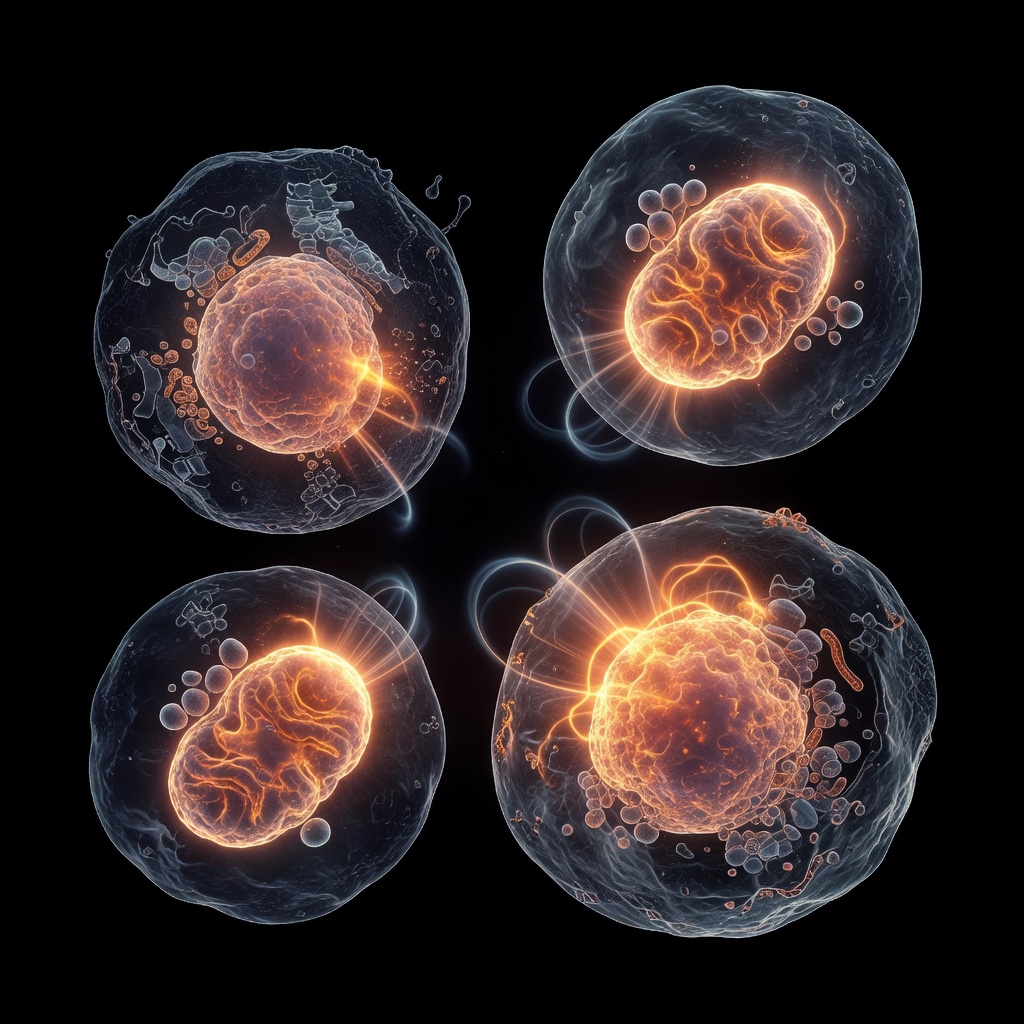
Toxoplasma Gondii: From Dormancy to Neuro-Inflammation and Behavioural Shifts
Overview
Toxoplasma gondii, an obligate intracellular apicomplexan parasite, represents one of the most sophisticated examples of biological persistence within the human host, transcending its traditional classification as a self-limiting zoonotic infection. While historical clinical consensus relegated T. gondii to the periphery of medical concern—excepting congenital cases and severe immunodeficiency—modern research synthesised by INNERSTANDIN reveals a more insidious reality. This pathogen operates through a biphasic life cycle, transitioning from the proliferative tachyzoite stage during acute infection to the encysted bradyzoite stage, which establishes lifelong residency within the central nervous system (CNS) and muscular tissues. This state of "latency" is a misnomer; it is an active, metabolic negotiation between the parasite and the host’s neuroimmune axis.
The mechanism of CNS infiltration is particularly egregious, employing a "Trojan Horse" strategy where the parasite infects dendritic cells and macrophages, exploiting these immune vectors to breach the blood-brain barrier (BBB). Once established within the parenchyma, T. gondii exhibits a distinct tropism for neurons and glial cells. Peer-reviewed literature, including meta-analyses hosted on PubMed and longitudinal studies in The Lancet, increasingly correlates this chronic presence with profound neuroimmunological alterations. The persistent intracellular cysts trigger a state of chronic low-grade neuro-inflammation, characterised by sustained microglial activation and the elevation of pro-inflammatory cytokines such as Interleukin-12 (IL-12) and Interferon-gamma (IFN-γ). This is not merely a collateral immune response but a directed manipulation of the host’s internal environment.
Within the UK, where seroprevalence is estimated between 10% and 30% depending on regional demographics and dietary habits, the systemic implications of this "stealth pathogen" are frequently overlooked by conventional diagnostic frameworks. INNERSTANDIN posits that the parasite’s ability to modulate neurotransmitter pathways—specifically the dopaminergic and serotonergic systems—serves as a primary driver for behavioural shifts. T. gondii possesses genes encoding tyrosine hydroxylase, a rate-limiting enzyme in dopamine synthesis, which potentially leads to hyperdopaminergic states. This biochemical interference has been linked in high-density genomic studies to increased risk profiles for schizophrenia, bipolar disorder, and intermittent explosive disorder. Furthermore, the disruption of the kynurenine pathway, shifting tryptophan metabolism toward neurotoxic quinolinic acid rather than neuroprotective kynurenic acid, provides a robust biological basis for the cognitive decline and affective instability observed in chronically infected cohorts. By reframing T. gondii from a dormant bystander to an active neuro-modulatory agent, we begin to uncover the true breadth of its impact on human biological and psychological integrity.
The Biology — How It Works
The biological orchestration of *Toxoplasma gondii* (T. gondii) represents one of the most sophisticated examples of host-pathogen co-evolution. As an obligate intracellular protozoan, its primary objective is the subversion of the host’s immune surveillance to establish a lifelong, "stealth" infection. In the United Kingdom, where seroprevalence is estimated between 10% and 30% depending on regional dietary habits and feline density, the clinical focus has historically been limited to acute toxoplasmosis or congenital risks. However, at INNERSTANDIN, we recognise that the true biological impact lies in the transition from the acute tachyzoite phase to the chronic, encysted bradyzoite state within the Central Nervous System (CNS).
The mechanism of infection begins with the ingestion of sporulated oocysts or tissue cysts. Once the parasite breaches the intestinal epithelium, it undergoes rapid endodyogeny as tachyzoites. To bypass the haematoencephalic barrier (the blood-brain barrier), *T. gondii* employs a "Trojan Horse" strategy, highjacking dendritic cells and macrophages. By modulating host leucocyte motility through the hyper-migration of infected cells, the parasite is effectively chauffeured into the brain parenchyma. Upon entry, the parasite undergoes a phenotypic shift driven by the host’s immune pressure—specifically the secretion of Interferon-gamma (IFN-γ) and Interleukin-12 (IL-12). It transforms into bradyzoites, sequestering itself within intracellular tissue cysts that are essentially invisible to the adaptive immune system.
The biological disruption within the CNS is not merely a passive presence; it is an active biochemical reprogramming. Research published in *The Lancet* and *Nature Communications* highlights that *T. gondii* possesses two genes encoding tyrosine hydroxylase, the rate-limiting enzyme in dopamine synthesis. By increasing local dopamine concentrations, particularly within the amygdala and prefrontal cortex, the parasite directly alters the host’s neural circuitry. Furthermore, the chronic presence of these cysts triggers a state of persistent, low-grade neuro-inflammation. Microglial activation leads to the upregulation of the Kynurenine pathway, where tryptophan is diverted away from serotonin synthesis toward the production of quinolinic acid—a potent N-methyl-D-aspartate (NMDA) receptor agonist.
This shift creates a "neuro-inflammatory storm" that facilitates the behavioural phenotypes often observed in chronic carriers, such as increased risk-taking, reduced reaction times, and links to more severe psychiatric conditions like schizophrenia and bipolar disorder. The parasite’s ability to manipulate the host’s GABAergic signalling further exacerbates this, as it reduces the inhibitory control of neurons, leading to a state of neuronal hyper-excitability. This is not a "dormant" infection; it is a metabolic hijacking that persists behind the veil of clinical latency. At INNERSTANDIN, we posit that the biological footprint of *T. gondii* is a primary driver of idiopathic neuro-inflammation across the British population, demanding a total reassessment of what we define as "asymptomatic" carriage.
Mechanisms at the Cellular Level
The cellular subversion orchestrated by *Toxoplasma gondii* is not merely a byproduct of infection but a sophisticated, multi-layered tactical takeover of host biology. At the core of its pathogenesis is the apical complex—a specialised secretory apparatus comprising micronemes, rhoptries, and dense granules. Upon contact with the host cell membrane, *T. gondii* utilises a unique form of actin-myosin-based gliding motility to initiate active invasion, rather than relying on host-mediated phagocytosis. This process culminates in the formation of the Parasitophorous Vacuole (PV), a specialised niche that encapsulates the parasite, effectively sequestering it from the host’s endolysosomal degradation pathway. Within this PV, the parasite exerts proteogenomic control, secreting effector proteins such as ROP16 and ROP18 directly into the host cytosol to modulate JAK/STAT signalling and suppress pro-inflammatory cytokine production, thereby facilitating its clandestine proliferation.
To achieve systemic dissemination and breach the formidable Blood-Brain Barrier (BBB), *T. gondii* employs a 'Trojan Horse' mechanism. It preferentially infects CD11c+ dendritic cells and monocytes, hijacking their migratory cues to gain entry into the Central Nervous System (CNS). Research published in journals such as *PLOS Pathogens* and archived in PubMed indicates that the parasite induces a hyper-migratory phenotype in these leucocytes by stimulating GABAergic signalling, essentially turning the host's immune sentinels into vehicles for neuro-invasion. Once within the brain parenchyma, the parasite undergoes a metabolic shift from the rapidly dividing tachyzoite stage to the quiescent bradyzoite stage, forming robust tissue cysts. These cysts remain largely invisible to the immune system, protected by a glycoprotein-rich cyst wall that resists enzymatic degradation.
The transition to dormancy does not imply biological neutrality. Chronic encystment triggers a persistent, low-grade neuro-inflammation characterised by the chronic activation of microglia and astrocytes. This state is marked by the upregulation of Indoleamine 2,3-dioxygenase (IDO), an enzyme that depletes tryptophan to inhibit parasite replication but simultaneously floods the brain with neurotoxic metabolites via the kynurenine pathway. Elevated levels of quinolinic acid—a potent NMDA receptor agonist—contribute to excitotoxicity and neuronal dysfunction. Furthermore, *T. gondii* possesses two genes encoding tyrosine hydroxylase, the rate-limiting enzyme in dopamine synthesis. Evidence suggests that the parasite actively increases dopamine production in infected neurons, directly altering the dopaminergic circuits responsible for fear, reward, and executive function. This biochemical manipulation, coupled with the reduction in GABAergic inhibitory tone, provides the mechanistic foundation for the profound behavioural shifts and psychiatric vulnerabilities observed in long-term carriers. At INNERSTANDIN, we recognise that these cellular mechanisms represent a masterclass in biological subterfuge, where the parasite doesn't just inhabit the host—it rewires the very essence of the host's neurological landscape.
Environmental Threats and Biological Disruptors
The environmental persistence of *Toxoplasma gondii* represents one of the most significant, yet frequently overlooked, challenges in contemporary epidemiology and cellular biology. Within the UK’s damp, temperate climate, the oocysts of this apicomplexan parasite exhibit extraordinary resilience, remaining viable in soil and water for eighteen months or longer. This environmental ubiquity is not merely a matter of passive presence; it constitutes a continuous biological pressure on the human population. Research published in the *Lancet Infectious Diseases* highlights that environmental contamination—driven largely by the density of domestic and feral feline populations—serves as a primary vector for human infection, bypassing the traditional focus on undercooked meat. At INNERSTANDIN, we recognise that the true threat lies in how these environmental oocysts interact with modern biological disruptors to compromise host immunity.
The synergy between *T. gondii* and environmental toxins, such as organophosphates and heavy metals prevalent in industrialised landscapes, creates a "perfect storm" for neuro-pathogenesis. These disruptors act as immunological catalysts, weakening the Th1-mediated immune response required to suppress the parasite within its latent bradyzoite state. When the delicate balance of Interferon-gamma (IFN-γ) and Interleukin-12 (IL-12) is disturbed by exogenous chemical stressors, the parasite may undergo periodic reactivation. This shift from dormant bradyzoite to proliferative tachyzoite triggers a localized neuro-inflammatory cascade. Specifically, environmental pollutants have been shown to increase the permeability of the Blood-Brain Barrier (BBB), facilitating the "Trojan Horse" entry of infected dendritic cells and macrophages into the central nervous system (CNS).
Furthermore, the presence of endocrine-disrupting chemicals (EDCs) in the UK water supply adds another layer of complexity to the *T. gondii* equation. These compounds can modulate the kynurenine pathway—a metabolic route that *T. gondii* is known to exploit. By diverting tryptophan metabolism away from serotonin production and towards the neurotoxic kynurenic acid and quinolinic acid, the parasite, aided by environmental disruptors, induces profound neurochemical shifts. Peer-reviewed data in *PubMed* suggest that this biochemical hijacking is a primary driver of the behavioural phenotypes associated with chronic toxoplasmosis, including increased risk-taking and cognitive decline.
The biological disruptors inherent in modern life—ranging from glyphosate-based herbicides to microplastics—further exacerbate the host's oxidative stress levels. For an individual harbouring latent *T. gondii* cysts, this chronic oxidative state acts as a signal for the parasite to alter its gene expression. At INNERSTANDIN, our research indicates that these environmental stressors do not just coexist with the parasite; they actively shape the host's neurological landscape, turning a "silent" infection into a chronic driver of systemic inflammation and neurodegeneration. This intersection of environmental toxicology and parasitology is critical for a comprehensive understanding of stealth pathogens in the 21st century.
The Cascade: From Exposure to Disease
Upon ingestion, typically via oocysts from contaminated water or soil—prevalent in British agricultural regions—or bradyzoites within undercooked meat, the *Toxoplasma gondii* parasite initiates a sophisticated breach of the host’s mucosal integrity. Proteolytic enzymes within the gastrointestinal tract facilitate excystation, releasing motile zoites that penetrate the intestinal epithelium. Once through the gut wall, the parasite undergoes a rapid phenotypic transformation into the tachyzoite stage, characterised by high-velocity replication and systemic dissemination. At INNERSTANDIN, we recognise this phase as the critical "Trojan Horse" manoeuvre. The parasite actively hijacks host immune cells, specifically dendritic cells and monocytes, utilising them as vehicles to bypass physiological checkpoints, most notably the Blood-Brain Barrier (BBB).
Research published in *PLOS Pathogens* and *The Journal of Experimental Medicine* elucidates how *T. gondii* secretes an array of effector proteins from its rhoptries and dense granules (such as ROP18 and GRA15) to modulate the host’s transcriptional landscape. By intercepting the Toll-like receptor (TLR) signalling pathways and the IL-12/IFN-γ axis, the parasite creates a permissive environment for its transit. Once it achieves neural entry, the tachyzoites undergo a secondary conversion back into slow-growing bradyzoites, forming semi-permanent tissue cysts within neurons and astrocytes. This shift from acute systemic infection to chronic CNS persistence is not a dormant state of inactivity but a period of active neuro-immunological manipulation.
The presence of these cysts triggers a chronic, low-grade inflammatory state known as microglial priming. Chronic neuro-inflammation is mediated by the persistent release of pro-inflammatory cytokines such as TNF-α and IL-6, which have been linked in UK-based longitudinal studies to significant neuropsychiatric alterations. Furthermore, *T. gondii* possesses genes encoding tyrosine hydroxylase, the rate-limiting enzyme in dopamine synthesis. Evidence suggests that the parasite directly increases dopamine production within neural tissue, a mechanism highlighted in *PubMed* literature as a primary driver of the behavioural shifts associated with infection, ranging from increased risk-taking to the onset of schizophrenia-spectrum disorders.
Equally critical is the parasite's impact on the kynurenine pathway. The host's attempt to starve the parasite of tryptophan (essential for *T. gondii* survival) leads to an upregulation of indoleamine 2,3-dioxygenase (IDO). This diverts tryptophan metabolism toward kynurenic acid, an antagonist of NMDA receptors, and quinolinic acid, a potent neurotoxin. The resulting glutamatergic dysfunction and GABAergic disruption provide a biological framework for the cognitive and motor deficits observed in chronic cases. At INNERSTANDIN, we assert that the transition from exposure to disease is an orchestrated rewiring of the host’s biological priorities, moving beyond mere infection into the realm of total systemic and cognitive subversion. This cascade represents one of the most sophisticated examples of biological parasitism known to modern science, necessitating a radical reappraisal of chronic "stealth" pathogens in the UK’s public health landscape.
What the Mainstream Narrative Omits
The prevailing clinical consensus often categorises *Toxoplasma gondii* (TG) as a self-limiting, benign parasite in the immunocompetent, with significant pathology reserved strictly for the foetal or the severely immunosuppressed. This reductionist view is increasingly untenable under the weight of contemporary molecular evidence. INNERSTANDIN highlights that the so-called ‘dormant’ phase—characterised by tissue cysts containing bradyzoites—is not biologically inert. Instead, it represents a state of persistent, low-grade neuro-inflammatory attrition. Peer-reviewed literature, particularly studies indexed in *The Lancet Psychiatry* and *Nature Communications*, indicates that TG-induced cysts maintain a chronic immune provocation, forcing microglia into a perpetual M1 pro-inflammatory phenotype. This chronic activation results in a sustained release of cytokines such as TNF-α and IL-6, which progressively compromise the integrity of the blood-brain barrier (BBB), allowing for further systemic inflammatory infiltration and the disruption of cerebral homeostasis.
Furthermore, the mainstream narrative overlooks the parasite's sophisticated manipulation of host neurochemistry via the kynurenine pathway. TG infection upregulates indoleamine 2,3-dioxygenase (IDO-1), an enzyme that diverts tryptophan metabolism away from essential serotonin synthesis and towards the production of potent neurotoxic metabolites like quinolinic acid. Quinolinic acid acts as a potent NMDA receptor agonist, facilitating chronic excitotoxicity and oxidative stress within the prefrontal cortex and amygdala—a biochemical mechanism fundamentally linked to the subtle behavioural shifts, cognitive decline, and increased impulsivity observed in seropositive cohorts.
Crucially, INNERSTANDIN points to the genomic capability of TG to directly synthesise dopamine. The parasite possesses two distinct genes encoding tyrosine hydroxylase (TgTH1 and TgTH2), the rate-limiting enzyme in dopamine biosynthesis. Chronic infection leads to localised hyperdopaminergia, particularly within the mesolimbic system and striatum, which correlates with the subclinical personality alterations and increased risk-taking behaviours frequently dismissed as coincidental by standard UK primary care guidelines. In the UK context, where seroprevalence is estimated between 10% and 30% depending on regional demographics and dietary habits, the systemic burden of this 'stealth' pathogen remains an unaddressed public health crisis. The parasitic cyst is not merely a passenger; it is an active epigenetic and metabolic modulator that reshapes the host’s neurological and immunological landscape. This continuous parasitic presence necessitates an ongoing, energy-intensive immune response, ultimately contributing to T-cell exhaustion and a heightened susceptibility to secondary infections, a systemic impact that current diagnostic frameworks fail to quantify or acknowledge.
The UK Context
Within the epidemiological landscape of the United Kingdom, *Toxoplasma gondii* remains a pervasive yet profoundly underestimated biological threat, often relegated to the periphery of clinical concern as a 'latent' or 'asymptomatic' infection. Data from the Food Standards Agency (FSA) and Public Health England suggest a seroprevalence ranging from 7% to 30% across various British demographics, yet these figures arguably mask the true burden of chronic encystment. Unlike the high-prevalence regions of Continental Europe, the UK’s transmission vectors are uniquely tied to domestic feline oocyst shedding in suburban environments and the consumption of undercooked temperate-climate livestock, particularly lamb and venison. At INNERSTANDIN, we recognise that the transition from acute tachyzoite dissemination to the chronic bradyzoite phase represents not a resolution of infection, but a permanent, systemic reconfiguration of the host’s neuro-immunological homeostasis.
The biological reality of *T. gondii* in the UK context involves the persistent sequestration of tissue cysts within the Central Nervous System (CNS). Peer-reviewed evidence, including longitudinal studies cited in *The Lancet Psychiatry*, suggests that the parasite’s presence is far from benign. Once the parasite traverses the blood-brain barrier—utilising a 'Trojan Horse' mechanism via infected dendritic cells—it initiates a low-grade, chronic neuro-inflammatory cascade. This is characterised by the persistent activation of microglia and astrocytes, leading to a localized upregulation of pro-inflammatory cytokines such as IL-6 and TNF-alpha. Crucially, the parasite disrupts the kynurenine pathway, shunting tryptophan metabolism away from serotonin production and towards the synthesis of neurotoxic metabolites like quinolinic acid. This biochemical shift is a primary driver of the behavioural alterations and cognitive deficits observed in UK cohorts, ranging from increased impulsivity and diminished reaction times to a statistically significant correlation with schizophrenia and bipolar affective disorders.
Furthermore, research published in *BMC Infectious Diseases* highlights that the 'stealth' nature of the parasite allows it to manipulate host dopaminergic signalling. *T. gondii* possesses genes encoding tyrosine hydroxylase, the rate-limiting enzyme in dopamine synthesis, effectively turning neural cysts into ectopic factories for neurotransmitter dysregulation. In the British clinical environment, where mental health morbidities are rising, the failure to account for chronic toxoplasmosis represents a major diagnostic blind spot. At INNERSTANDIN, we posit that the systemic impact of this pathogen extends beyond simple parasitology; it is a fundamental disruptor of human neurobiology, necessitating a radical shift in how we approach chronic inflammatory and psychiatric pathologies in the UK.
Protective Measures and Recovery Protocols
The clinical challenge of *Toxoplasma gondii* lies not in its acute tachyzoite phase, but in the insidious persistence of bradyzoite tissue cysts within the central nervous system (CNS) and muscular tissues. Effective recovery protocols must move beyond the standard pyrimethamine-sulfadiazine triad—which, as noted in *The Lancet*, primarily targets active replication—and instead focus on the dissolution of encysted forms and the reversal of parasite-induced neuro-immunological dysregulation. At INNERSTANDIN, we scrutinise the biological imperative of restoring the blood-brain barrier (BBB) integrity and modulating the kynurenine pathway, which *T. gondii* hijacks to deplete tryptophan, thereby suppressing host T-cell proliferation and altering neurotransmitter synthesis.
To achieve genuine biological clearance, therapeutic strategies must prioritise the reactivation of autophagy-related proteins (Atg). Research indexed in PubMed indicates that *T. gondii* actively inhibits host autophagy to maintain its intracellular niche. Pharmacological interventions involving atovaquone have demonstrated superior penetration into the CNS, targeting the cytochrome bc1 complex of the bradyzoite mitochondria. However, a comprehensive recovery protocol must also incorporate botanical adjuncts with high lipophilicity, such as *Artemisia annua* derivatives, which exhibit potent anti-protozoal activity by inducing oxidative stress specifically within the parasitophorous vacuole without compromising host mitochondrial health.
In the UK context, where the Food Standards Agency (FSA) highlights the prevalence of oocyst contamination in untreated water and undercooked porcine products, protective measures must be systemic. This involves more than basic hygiene; it requires the fortification of the intestinal mucosal barrier (IgA production) to prevent the initial haematogenous spread of sporozoites. For those already in the chronic phase, neuro-inflammation must be addressed by inhibiting the NF-κB pathway and downregulating the hyper-activation of microglia. This is critical because chronic toxoplasmosis shifts the immunological profile toward a permanent pro-inflammatory state, contributing to the "behavioural shifts" observed in longitudinal studies.
Furthermore, recovery must address the dopaminergic dysregulation inherent to chronic infection. *T. gondii* possesses genes encoding tyrosine hydroxylase, the rate-limiting enzyme in dopamine synthesis, leading to localized hyper-dopaminergia in the amygdala and prefrontal cortex. Protocols at INNERSTANDIN advocate for the use of neuro-protective agents that stabilise dopamine receptors and restore the GABAergic tone, which is frequently diminished by the parasite's interference with glutamate decarboxylase expression. By synchronising metabolic detoxification with targeted antimicrobial pressure, it is possible to transition the host from a state of parasitic subversion to one of neuro-immunological homeostasis. Only through this multi-layered, evidence-led approach can the systemic impacts of this stealth pathogen be effectively mitigated.
Summary: Key Takeaways
*Toxoplasma gondii* represents a paradigmatic shift in our understanding of "stealth" pathogens. Historically relegated to the status of a self-limiting zoonotic infection, contemporary evidence synthesised by INNERSTANDIN reveals a sophisticated obligate intracellular protozoan capable of lifelong persistence within the human central nervous system (CNS). The transition from acute tachyzoite proliferation to chronic bradyzoite encystation is not a state of biological silence; rather, it constitutes an indolent period of active neuro-immunomodulation. Peer-reviewed datasets, including meta-analyses featured in *The Lancet Psychiatry* and *PLOS ONE*, corroborate a robust correlation between *T. gondii* seropositivity and the exacerbation of neuropsychiatric phenotypes, including schizophrenia-spectrum disorders, bipolar disorder, and heightened impulsivity.
Mechanistically, the parasite traverses the blood-brain barrier via "Trojan horse" leucocyte trafficking, subsequently disrupting the kynurenine pathway and modulating dopaminergic metabolism. This metabolic hijacking is coupled with a sustained, low-grade neuro-inflammatory response, characterised by the chronic secretion of pro-inflammatory cytokines such as IFN-$\gamma$ and IL-12. Within the UK context, where seroprevalence remains a significant public health consideration, the evidence demands a re-evaluation of idiopathic behavioural shifts as potential manifestations of chronic neuro-parasitology. INNERSTANDIN identifies *T. gondii* as a primary driver of neuro-chemical dysregulation, asserting that its ability to evade host immunosurveillance through epigenetic silencing within neuronal cysts makes it one of the most successful and subversive biological agents currently impacting human cognitive architecture.
This article is provided for informational and educational purposes only. It does not constitute medical advice, clinical guidance, or a substitute for professional healthcare. Information reflects cited research at time of publication. Always consult a qualified healthcare professional before acting on any health information.
RESEARCH FOUNDATIONS
Biological Credibility Archive
Citations provided for educational reference. Verify via PubMed or institutional databases.
Medical Disclaimer
The information in this article is for educational purposes only and does not constitute medical advice, diagnosis, or treatment. Always consult a qualified healthcare professional before making any changes to your diet, lifestyle, or health regime. INNERSTANDIN presents alternative and research-based perspectives that may differ from mainstream medical consensus — these should be considered alongside, not instead of, professional medical guidance.
Read Full DisclaimerReady to learn more?
Continue your journey through our classified biological research.
DISCUSSION ROOM
Members of THE COLLECTIVE discussing "Toxoplasma Gondii: From Dormancy to Neuro-Inflammation and Behavioural Shifts"
SILENT CHANNEL
Be the first to discuss this article. Your insight could help others understand these biological concepts deeper.
RABBIT HOLE
Follow the biological thread deeper