Bartonella and the Central Nervous System: Unmasking the Stealth Pathogen Behind Chronic Neurological Symptoms

# Bartonella and the Central Nervous System: Unmasking the Stealth Pathogen Behind Chronic Neurological Symptoms
In the landscape of modern medicine, certain pathogens operate with such sophisticated evasion tactics that they remain virtually invisible to standard diagnostic protocols. Among these, Bartonella—a genus of Gram-negative, intracellular bacteria—stands out as perhaps the most underestimated threat to neurological and psychological health. Once dismissed as the self-limiting "Cat Scratch Disease," we are now uncovering a far more sinister reality: Bartonella is a formidable stealth pathogen capable of colonising the human Central Nervous System (CNS), triggering a cascade of chronic inflammation and psychiatric distress.
For the INNERSTANDING community, recognising the truth about Bartonella is a critical step in reclaiming health from the shadows of "idiopathic" or "psychosomatic" diagnoses. This article explores the intricate mechanisms by which this pathogen breaches our biological defences and why it is increasingly linked to the modern epidemic of chronic neurological illness.
---
The Overview: Beyond the Cat Scratch
Historically, medical students were taught that *Bartonella henselae* was a transient infection, typically resolving on its own after a feline scratch or bite. However, research over the last two decades has identified over 40 species and subspecies of Bartonella, many of which are highly adapted to survive within human hosts for years, if not decades.
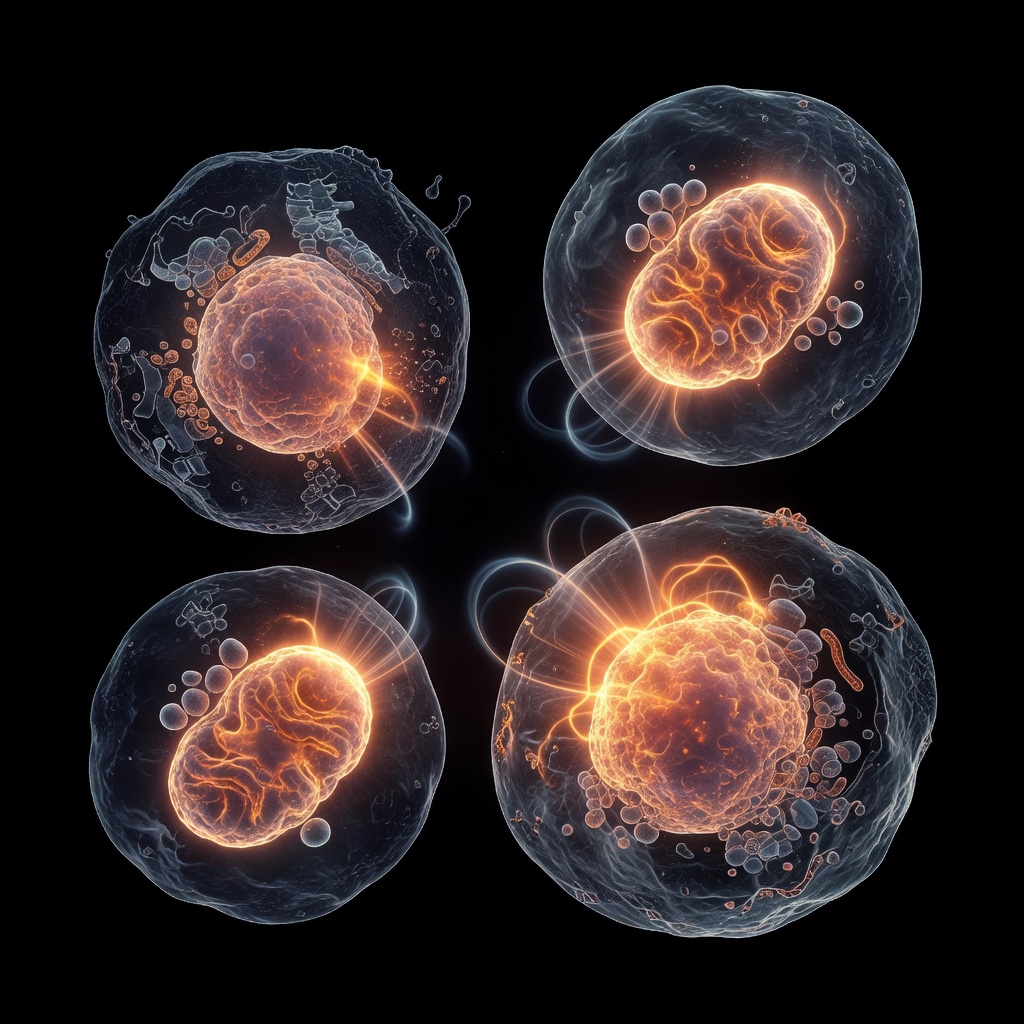
Bartonella is a haemotropic bacterium, meaning it has an affinity for red blood cells, but its true danger lies in its ability to infect endothelial cells (the lining of blood vessels) and the various cells of the brain. Because it divides slowly and hides within cells or protective biofilms, it often evades the host’s immune response and standard laboratory tests.
Key Fact: Bartonella is often termed a "stealth pathogen" because it can suppress the host's immune system by inhibiting apoptosis (programmed cell death) of the cells it inhabits, effectively turning our own cells into long-term residences.
---
Biological Mechanisms: How Bartonella Invades the Brain
The journey from a vector bite to neurological dysfunction involves a series of complex biological manoeuvres. Bartonella does not merely circulate in the blood; it actively reshapes the host’s physiology to suit its survival.
1. Crossing the Blood-Brain Barrier (BBB)
The Blood-Brain Barrier is the body's most secure checkpoint, designed to keep toxins and pathogens out of the sensitive neural environment. Bartonella bypasses this barrier by infecting the very cells that comprise it. By invading vascular endothelial cells, the bacteria can ride the "Trojan Horse" into the CNS. Furthermore, Bartonella induces the production of Vascular Endothelial Growth Factor (VEGF), which can lead to increased permeability of the BBB, allowing other toxins and co-infections to enter the brain.
2. Microglial Activation and Neuroinflammation
Once inside the CNS, Bartonella interacts with microglia—the brain’s resident immune cells. Under normal conditions, microglia protect the brain. However, when chronically stimulated by a persistent pathogen like Bartonella, they enter a state of "priming." This results in the chronic release of pro-inflammatory cytokines, leading to what many patients experience as "brain on fire" syndrome. This neuroinflammation is the root cause of the profound brain fog, cognitive decline, and mood disturbances associated with the infection.
3. Interference with Neurotransmitters
Bartonella has been shown to disrupt the delicate balance of neurotransmitters. It can interfere with the conversion of amino acids into essential chemicals like serotonin and dopamine. By shifting the metabolism of tryptophan toward the kynurenine pathway, the infection produces neurotoxic metabolites that contribute to depression, anxiety, and even psychosis.
---
The Clinical Presentation: A Chameleon of Symptoms
Because Bartonella affects the vascular and nervous systems simultaneously, its symptoms are diverse and often mirror other conditions. This "chameleon" nature leads to frequent misdiagnosis as Multiple Sclerosis (MS), Fibromyalgia, Chronic Fatigue Syndrome (ME/CFS), or primary psychiatric disorders.
Neurological Signatures:
- —Small Fibre Neuropathy: Burning sensations in the feet or hands.
- —Autonomic Dysfunction: Heart palpitations, POTS (Postural Orthostatic Tachycardia Syndrome), and temperature dysregulation.
- —Movement Disorders: Tremors, tics, or sudden loss of motor coordination.
- —Headaches: Severe, often localized at the base of the skull, which can be mistaken for migraines.
The "Bartonella Rage" and Psychiatric Impact:
Perhaps the most harrowing aspect of CNS Bartonella is its impact on personality and mental health. Clinicians have coined the term "Bartonella Rage" to describe the sudden, uncharacteristic outbursts of anger or irritability seen in infected individuals. Other psychiatric manifestations include:
- —Sudden-onset OCD or severe anxiety.
- —Visual and auditory hallucinations.
- —Sleep disturbances, particularly profound insomnia.
- —PANS/PANDAS (Pediatric Acute-onset Neuropsychiatric Syndrome) in children.
Key Fact: A hallmark physical sign of Bartonella is the presence of striae—skin lesions that resemble purple or red "stretch marks," often appearing in areas where weight gain hasn't occurred, such as the back, inner arms, or thighs.
---
UK Context & Relevance: The Hidden Burden
In the United Kingdom, the prevalence of Bartonella is significantly under-recognised. While Lyme Disease (Borrelia burgdorferi) has gained some visibility within the NHS, Bartonella is often sidelined as a secondary "co-infection" or ignored entirely.
The Diagnostic Gap
The standard diagnostic tool in the UK is the ELISA or IFA antibody test. However, these tests are notorious for high "false negative" rates. Because Bartonella is immunosuppressive, many patients do not produce enough antibodies to trigger a positive result. Furthermore, the NHS rarely tests for species other than *B. henselae* or *B. quintana*, leaving those with "exotic" or evolving strains without answers.
Environmental Vectors in Britain
While cats are the primary reservoir, the UK’s changing climate and urban sprawl have increased exposure to other vectors. Ticks, fleas, keds (deer flies), and lice are all known carriers. As we spend more time in shared green spaces or living in close proximity to pets and wildlife, the risk of transmission grows.
---
Environmental Factors and Synergistic Toxicity
Bartonella does not exist in a vacuum. Its impact on the CNS is often amplified by other environmental stressors, creating a "perfect storm" for chronic illness.
- —Mould and Mycotoxins: Exposure to water-damaged buildings (a common issue in the UK’s older housing stock) can weaken the immune system. Mycotoxins from mould inhibit the body’s ability to clear intracellular infections like Bartonella, leading to more severe neurological symptoms.
- —EMF Sensitivity: Many patients with chronic Bartonella report heightened sensitivity to Electromagnetic Fields (EMFs). While the mechanism is still being studied, it is theorised that EMFs may influence the calcium channels of the bacteria, potentially increasing their virulence or rate of replication.
- —Heavy Metals: The presence of mercury or lead can further burden the lymphatic system and the brain, making it harder for the body to resolve the inflammation triggered by the infection.
---
Protective Strategies: A Holistic Approach to Recovery
Overcoming a CNS Bartonella infection requires more than just a short course of antibiotics. Because the pathogen is so adept at hiding, a multi-faceted, "whole-body" strategy is essential.
1. Supporting the Blood-Brain Barrier
Protecting and repairing the BBB is paramount. Nutrients such as Luteolin, Apigenin, and Sulforaphane (found in broccoli sprouts) help to stabilise the barrier and reduce neuroinflammation.
2. Herbal Antimicrobials
Many practitioners within the integrative health space utilise botanical protocols. Herbs such as Houttuynia cordata, Sida acuta, and Japanese Knotweed (Resveratrol) have shown significant efficacy in inhibiting Bartonella without the devastating impact on the gut microbiome often caused by long-term pharmaceutical use.
3. Biofilm Disruption
To reach the bacteria, one must break down their protective "shields." Supplements like Lumbrokinase or N-Acetyl Cysteine (NAC) can help dissolve biofilms, making the bacteria vulnerable to the immune system and antimicrobial agents.
4. Neurological Calmative Agents
To manage the psychiatric symptoms, supporting the GABA pathway is vital. Magnesium glycinate, L-theanine, and Lemon Balm can help mitigate the "excitotoxicity" caused by the infection, providing the patient with much-needed relief from anxiety and insomnia.
5. Detoxification and Drainage
As the bacteria are killed, they release endotoxins. Without proper lymphatic drainage and liver support, these toxins can recirculate, causing a "Herxheimer reaction" that temporarily worsens neurological symptoms. Hydration, infrared saunas, and binders (like charcoal or zeolite) are crucial components of a safe recovery programme.
---
Key Takeaways: Reclaiming the Truth
Understanding Bartonella is about more than just identifying a bacterium; it is about unmasking a fundamental driver of the modern chronic illness epidemic.
- —Bartonella is a primary pathogen: It is not merely a "co-infection" of Lyme but a sophisticated invader capable of causing severe neurological and psychiatric disease on its own.
- —Standard testing is inadequate: A negative NHS antibody test does not rule out infection. Clinical diagnosis based on symptoms (like striae and neurological "rage") is often more reliable.
- —The brain is the target: By infecting the endothelium and activating microglia, Bartonella creates a state of chronic neuroinflammation that requires specific, BBB-crossing interventions.
- —Environmental synergy matters: Recovery must address mould, EMFs, and heavy metals to allow the immune system to regain control.
For those navigating the labyrinth of chronic neurological symptoms, INNERSTANDING the role of Bartonella offers a beacon of hope. By shifting the paradigm from "managing symptoms" to "eradicating the pathogen," we can begin the journey toward true neurological healing and the restoration of the self.
This article is provided for informational and educational purposes only. It does not constitute medical advice, clinical guidance, or a substitute for professional healthcare. Information reflects cited research at time of publication. Always consult a qualified healthcare professional before acting on any health information.
RESEARCH FOUNDATIONS
Biological Credibility Archive
Citations provided for educational reference. Verify via PubMed or institutional databases.
Medical Disclaimer
The information in this article is for educational purposes only and does not constitute medical advice, diagnosis, or treatment. Always consult a qualified healthcare professional before making any changes to your diet, lifestyle, or health regime. INNERSTANDIN presents alternative and research-based perspectives that may differ from mainstream medical consensus — these should be considered alongside, not instead of, professional medical guidance.
Read Full DisclaimerReady to learn more?
Continue your journey through our classified biological research.
DISCUSSION ROOM
Members of THE COLLECTIVE discussing "Bartonella and the Central Nervous System: Unmasking the Stealth Pathogen Behind Chronic Neurological Symptoms"
SILENT CHANNEL
Be the first to discuss this article. Your insight could help others understand these biological concepts deeper.
RABBIT HOLE
Follow the biological thread deeper