
BDNF: The UK's Silent Mental Health Crisis
Updated May 2026
Low levels of Brain-Derived Neurotrophic Factor are linked to the rising rates of depression across Britain. Learn how lifestyle interventions can naturally boost BDNF to facilitate neural repair.
Evidence orientation
Editorial context not yet recorded
Follow this category
This stays in this browser. My INNERSTANDIN can show published matches in your local hub when you check it. It does not send email, push, or alert notifications.
Local learning review
A private browser aid for revisiting ideas. It is not an alert or a health recommendation.
Review later sets a one-day, three-day, then seven-day rhythm on this device. Choose it only when you want to revisit this article.
Overview
Britain is currently traversing a psychological wasteland. According to recent NHS Digital data, approximately one in six adults in the United Kingdom experienced a common mental health disorder in any given week, with antidepressant prescriptions reaching record highs of over 85 million items per year. Yet, despite this pharmacological saturation, the nation’s collective mental well-being continues to deteriorate. The mainstream narrative remains hyper-focused on the "chemical imbalance" theory—specifically the monoamine hypothesis involving serotonin—yet a more profound, more structural biological failure is being overlooked by the medical establishment.
At the heart of this crisis lies a single, master-regulatory protein: Brain-Derived Neurotrophic Factor (BDNF).
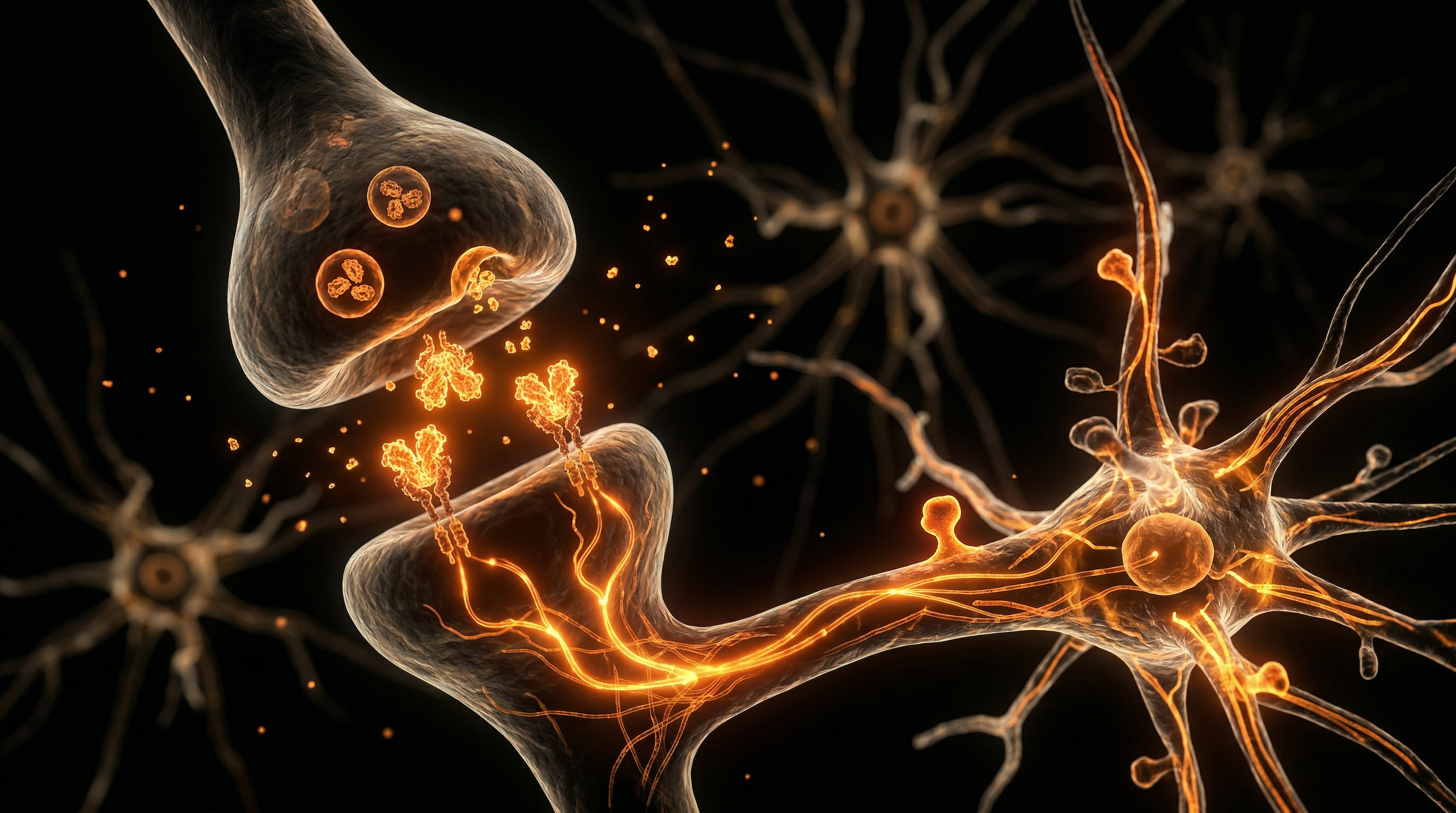
Often referred to by neurobiologists as "Miracle-Gro for the brain," BDNF is a member of the neurotrophin family of growth factors. It is the primary currency of neuroplasticity, the process by which the brain rewires itself, heals from trauma, and maintains the structural integrity of the hippocampus—the seat of emotional regulation and memory. When BDNF levels are high, the brain is resilient, adaptable, and capable of neurogenesis (the birth of new neurons). When BDNF levels are suppressed, the brain enters a state of neuroatrophy, literal shrinkage that manifests as depression, anxiety, and cognitive decline.
This article serves as an exposé on the systemic suppression of BDNF within the British population. We will examine how the modern British environment—from our ultra-processed food chains to our sedentary, light-polluted urban landscapes—acts as a biological "off-switch" for this critical protein. We will delve into the molecular mechanisms that link low BDNF to the rising tide of UK mental illness and provide a roadmap for biological reclamation through targeted lifestyle interventions.
The Biology — How It Works
To understand the UK's mental health crisis, one must first understand the fundamental role of BDNF in the mammalian central nervous system. BDNF is not merely a "feel-good" molecule; it is a vital structural protein.
The Neurotrophin Family
BDNF belongs to a class of proteins known as neurotrophins, which include Nerve Growth Factor (NGF), Neurotrophin-3 (NT-3), and Neurotrophin-4/5 (NT-4/5). Among these, BDNF is the most prevalent and arguably the most influential in the adult brain. It is expressed throughout the central nervous system, with particularly high concentrations in the hippocampus, the cerebral cortex, and the basal forebrain.
Synthesis and Processing
The journey of BDNF begins with the BDNF gene, located on chromosome 11 in humans. The expression of this gene is highly sensitive to environmental stimuli. The initial protein product is proBDNF. In a healthy brain, proBDNF is cleaved by enzymes such as plasmin or matrix metalloproteinases into mature BDNF (mBDNF).
This distinction is crucial:
- mBDNF binds to the TrkB (Tropomyosin receptor kinase B) receptor, promoting cell survival, synaptic strengthening, and growth.
- proBDNF binds preferentially to the p75NTR receptor, which can actually trigger apoptosis (programmed cell death) and synaptic weakening (Long-Term Depression or LTD).
Fact: A shift in the ratio between proBDNF and mBDNF is a hallmark of neurodegenerative diseases and chronic clinical depression. In a thriving brain, the mature, growth-promoting form dominates.
The Role in Synaptic Plasticity
BDNF is the primary driver of Long-Term Potentiation (LTP), the cellular mechanism behind learning and memory. It facilitates the movement of glutamate receptors (specifically AMPA receptors) to the synaptic surface, making the connection between two neurons stronger and more efficient. Without adequate BDNF, the brain loses its "fluidity." It becomes rigid, making it biologically difficult for an individual to "think their way out" of negative thought patterns or recover from psychological trauma.
Mechanisms at the Cellular Level
At the cellular level, BDNF acts as a sophisticated signaling hub. When BDNF binds to the TrkB receptor, it initiates a cascade of intracellular events that fundamentally alter the neuron’s destiny.
The TrkB Signalling Pathways
Once mBDNF activates the TrkB receptor, three primary pathways are triggered:
- The MAPK/ERK Pathway: This pathway is essential for the growth of dendritic spines—the tiny protrusions on neurons that receive signals. Increased dendritic density correlates directly with improved cognitive function and emotional resilience.
- The PI3K/Akt Pathway: This is the "survival" pathway. It inhibits pro-apoptotic proteins, effectively preventing neurons from dying under stress.
- The PLCγ Pathway: This pathway regulates intracellular calcium levels, which is vital for short-term changes in synaptic strength.
The CREB Connection
The most significant long-term effect of BDNF occurs through the activation of CREB (cAMP response element-binding protein). CREB is a transcription factor that enters the cell nucleus and "turns on" genes responsible for producing more BDNF, as well as other protective proteins like Bcl-2. This creates a "virtuous cycle" of neuroplasticity: BDNF leads to more CREB, which leads to more BDNF.
Neurogenesis in the Adult Brain
For decades, the medical consensus was that the adult brain could not grow new neurons. We now know this is false. The Subgranular Zone (SGZ) of the dentate gyrus in the hippocampus is a nursery for new neurons. BDNF is the primary "nurturer" in this nursery. It ensures that newly born progenitor cells survive, differentiate into functional neurons, and integrate into existing neural circuits.
Statistic: Chronic stress can reduce hippocampal volume by up to 10-15% over several years, a process driven by the dramatic downregulation of BDNF-mediated neurogenesis.
Environmental Threats and Biological Disruptors
The "Silent Crisis" in the UK is not an accident of genetics; it is an environmental catastrophe. The British lifestyle has become an efficient machine for suppressing BDNF.
The Inflammatory Cascade of the "British Diet"
The UK has the highest consumption of ultra-processed foods (UPFs) in Europe, accounting for over 50% of the average household's calorie intake. These foods, high in refined sugars, seed oils (omega-6 fatty acids), and artificial emulsifiers, trigger systemic inflammation.
Pro-inflammatory cytokines such as TNF-alpha and IL-6 can cross the blood-brain barrier. Once in the brain, they activate microglia (the brain's immune cells). Activated microglia produce "neuroinflammation," which directly inhibits the BDNF gene's promoter regions. High-fructose corn syrup, prevalent in many UK snacks, has been shown in animal models to slash BDNF levels in the hippocampus within weeks.
The Cortisol Hammer
The "Stiff Upper Lip" culture, combined with the modern "grind" of high-cost urban living, keeps many Britons in a state of chronic HPA-axis (Hypothalamic-Pituitary-Adrenal) activation. This results in sustained high levels of cortisol.
Cortisol is the biological antagonist of BDNF. Glucocorticoids (stress hormones) bind to receptors that inhibit the transcription of the BDNF gene. In essence, chronic stress tells the brain to stop growing and start preparing for survival—a state that is incompatible with long-term mental health.
Circadian Disruption and Blue Light
The UK's northern latitude already presents challenges for Vitamin D and light exposure. However, the proliferation of LED lighting and late-night screen use has decimated the British circadian rhythm. BDNF expression follows a diurnal pattern. Disrupting melatonin production and sleep quality prevents the "glymphatic system" from clearing metabolic waste and halts the nocturnal peaks of neurotrophic activity.
The Cascade: From Exposure to Disease
How does a drop in a single protein lead to a national mental health crisis? It occurs through a predictable biological cascade.
Stage 1: Synaptic Thinning
The first sign of low BDNF is not clinical depression, but "brain fog," irritability, and decreased cognitive flexibility. At the microscopic level, the dendritic arbor (the branch-like structure of neurons) begins to retreat. Synapses become less efficient.
Stage 2: Hippocampal Atrophy
As BDNF levels remain chronically low, the rate of neurogenesis in the hippocampus fails to keep pace with the rate of natural cell death. The hippocampus begins to physically shrink. This is significant because the hippocampus provides "negative feedback" to the stress response. A smaller hippocampus is less able to shut off the cortisol response, leading to a "feed-forward" loop of increasing stress and decreasing brain volume.
Stage 3: The Depressive Break
When the structural integrity of the prefrontal cortex and the hippocampus is sufficiently compromised, the individual loses the biological capacity to regulate mood. This is what we call "clinical depression." It is not just a "feeling"; it is a state of neurotrophic failure.
Stage 4: The Path to Neurodegeneration
The UK is also facing a dementia crisis. Low BDNF is a precursor to Alzheimer’s and Parkinson’s. Without the protective effects of BDNF, the brain is more susceptible to the accumulation of amyloid-beta plaques and tau tangles. The mental health crisis of today's 30-year-olds is the dementia crisis of tomorrow.
Callout: Modern psychiatry often treats depression as a software issue (mood), but BDNF research proves it is often a hardware issue (loss of neural connections).
What the Mainstream Narrative Omits
The UK’s National Health Service (NHS) and the wider medical establishment are largely silent on the role of BDNF, and for a reason that borders on the conspiratorial: BDNF cannot be easily patented as a pill.
The Serotonin Myth
For thirty years, the pharmaceutical industry marketed Selective Serotonin Reuptake Inhibitors (SSRIs) based on the idea that depression is caused by a "serotonin deficiency." Recent massive meta-analyses, such as the one led by Joanna Moncrieff at UCL, have shown no consistent evidence for this.
Interestingly, when SSRIs do work, they likely do so by indirectly increasing BDNF levels over several weeks. However, this is an inefficient and side-effect-laden way to boost neuroplasticity. By focusing only on serotonin, the medical narrative ignores the primary metabolic and lifestyle factors that control BDNF.
The "Symptom Management" Trap
The current UK model of mental health care is reactive. It waits for the biological hardware to fail, then attempts to patch the software with medication or short-term talking therapies (CBT). While CBT can be useful, its efficacy is significantly reduced in a brain that is "neuroplastically frozen" due to low BDNF.
The Suppression of Metabolic Psychiatry
There is an emerging field known as Metabolic Psychiatry, which views mental health through the lens of mitochondrial function and BDNF. This field is suppressed because it empowers the individual. If the "cure" for low BDNF is exercise, sunlight, and dietary change, the billion-pound antidepressant market faces an existential threat.
The UK Context
The United Kingdom presents a unique "perfect storm" for BDNF suppression.
The Vitamin D Factor
Vitamin D acts as a pro-hormone that supports the expression of BDNF. Given the UK's lack of sunlight for six months of the year, a vast majority of the population is Vitamin D deficient. This deficiency directly handicaps the brain's ability to produce neurotrophic factors.
Post-Industrial Sedentary Lifestyle
Evolutionarily, BDNF was the signal that told the brain to "sharpen up" during physical activity (hunting/gathering). In Britain, the transition to a service-based economy means millions spend 8-10 hours a day sitting. Physical inactivity is perhaps the most potent way to downregulate BDNF.
The "Meal Deal" Culture
The British "Meal Deal"—a sandwich, a bag of crisps, and a sugary soda—is a biological disaster. It is a bolus of refined carbohydrates and inflammatory fats that causes a massive spike in insulin. Hyperinsulinemia and insulin resistance in the brain (Type 3 Diabetes) are directly linked to the inhibition of BDNF signaling.
Alcohol Consumption
The UK's cultural relationship with alcohol further exacerbates the problem. Ethanol is a neurotoxin that specifically targets the hippocampus and suppresses BDNF expression, particularly during the "rebound" phase of a hangover.
Protective Measures and Recovery Protocols
If the UK's environment is designed to suppress BDNF, we must consciously create a "micro-environment" that promotes it. As a senior researcher, I propose the following biological reclamation protocol.
1. High-Intensity Interval Training (HIIT) and Aerobic Exercise
Physical exercise is the most effective known way to increase BDNF.
- The Mechanism: When muscles contract, they release a protein called FNDC5, which is converted into Irisin. Irisin crosses the blood-brain barrier and triggers a massive surge in BDNF expression in the hippocampus.
- The Protocol: 20 minutes of HIIT three times a week, or 40 minutes of zone 2 aerobic exercise (brisk walking/cycling) daily.
2. Dietary Interventions: Ketosis and Fasting
- Intermittent Fasting: Going 16-18 hours without food triggers "metabolic switching." This elevates BHB (Beta-hydroxybutyrate), a ketone body. BHB is not just fuel; it acts as a signaling molecule that inhibits histone deacetylases (HDACs), which normally keep the BDNF gene turned off.
- Polyphenols: Consume high-quality British berries (blueberries, blackberries) and dark chocolate (85%+ cocoa). These contain flavonoids that stimulate the TrkB pathway.
- Omega-3 Fatty Acids: High-dose EPA and DHA (from oily fish or high-quality supplements) are essential for the structural integrity of the neurons that BDNF is trying to repair.
3. Thermal Stress (Saunas and Cold Exposure)
- Heat Shock Proteins: Using a sauna (80°C+) increases BDNF. The heat stress triggers a protective response that includes neurotrophic upregulation.
- Cold Dipping: While cold exposure is primarily known for norepinephrine, the subsequent "thaw" and the metabolic demand of thermogenesis have been shown to support overall brain plasticity.
4. Targeted Nutraceuticals
- Magnesium L-Threonate: Unlike other forms of magnesium, L-Threonate effectively crosses the blood-brain barrier and has been shown to increase synaptic density via BDNF pathways.
- Curcumin (with Piperine): A potent anti-inflammatory that has been shown in clinical trials to rival the BDNF-boosting effects of some antidepressants.
- Sulforaphane: Found in broccoli sprouts, this activates the Nrf2 pathway, reducing the neuroinflammation that stifles BDNF.
5. Circadian Alignment
- Morning Sunlight: Get 10-20 minutes of direct sunlight into the eyes (without sunglasses) before 10 AM. This sets the circadian clock and supports the Vitamin D/BDNF axis.
- Digital Sunset: Use blue-light-blocking software or glasses after 8 PM to protect melatonin and nocturnal BDNF synthesis.
Summary: Key Takeaways
The UK's mental health crisis is not a mystery; it is a predictable biological consequence of a society that has become "anti-neurogenic."
- BDNF is the Master Molecule: It is the primary regulator of brain growth, repair, and resilience. Without it, the brain physically atrophies.
- The "Chemical Imbalance" is a Half-Truth: Depression is more accurately described as a neurotrophic deficit or a failure of neuroplasticity, rather than a simple lack of serotonin.
- Environmental Suppression: The UK's diet of ultra-processed foods, chronic stress, Vitamin D deficiency, and physical inactivity creates a "biological ceiling" that prevents high BDNF levels.
- Lifestyle is the Cure: High-intensity exercise, intermittent fasting, and targeted nutrition are more potent—and more sustainable—ways to boost BDNF than current frontline pharmacological treatments.
- Structural Reclamation: To solve the UK's mental health crisis, we must move beyond symptom management and focus on the biological "hardware" of the brain.
As we face an uncertain future, the most valuable asset a British citizen possesses is their own cognitive and emotional resilience. This resilience is built, day by day, through the actions that support the production of Brain-Derived Neurotrophic Factor. It is time to stop medicating the symptoms of a broken environment and start rewiring the British brain from the ground up.
This article is provided for informational and educational purposes only. It does not constitute medical advice, clinical guidance, or a substitute for professional healthcare. Information reflects cited research at time of publication. Always consult a qualified healthcare professional before acting on any health information.
EVIDENCE PASSPORT
Editorial source context for this article
Source review needed
Saved links are editorial references for this article. They may support specific claims rather than every sentence. Open and assess each source in context. This passport does not independently verify them.
Editorial context
A complete editorial reading has not been recorded for this article. Source links remain available for you to open and assess directly.
Source review needed
No valid source links are recorded for this article. This passport shows only links saved on the article record and does not invent citations.
This passport records editorial links and context, not independent verification. Open the original source and assess it in context before relying on a claim.
Medical Disclaimer
The information in this article is for educational purposes only and does not constitute medical advice, diagnosis, or treatment. Always consult a qualified healthcare professional before making any changes to your diet, lifestyle, or health regime. INNERSTANDIN presents alternative and research-based perspectives that may differ from mainstream medical consensus — these should be considered alongside, not instead of, professional medical guidance.
Read Full DisclaimerContinue the thread
Keep this question moving.
Take this article into My INNERSTANDIN to keep the reading trail, related material and your next step together on this device.
Explore this in the Body Map
See where this hits your biology. Interactive anatomy, threats, and protective protocols.
Dig deeper in the Library
Free, longform PDF volumes that go beyond headlines into mechanisms and references.